
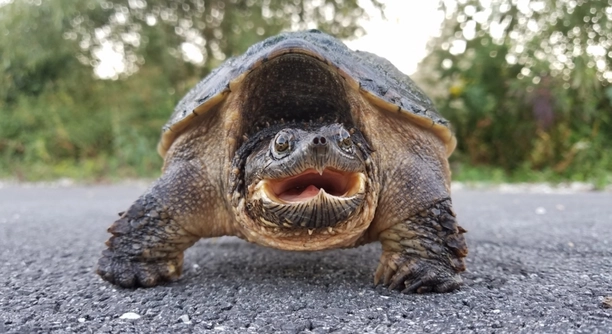
Is your common snapping turtle rubbing its face on the tank, leaving you wondering what might be causing this behavior? Understanding why your turtle does this can help you determine if it needs medical attention or simple environmental adjustments.
The most common reason a common snapping turtle rubs its face on the tank is irritation from poor water quality, infections, or parasites. Ensuring clean water, checking for signs of illness, and monitoring tank conditions can help resolve the issue.
Maintaining a healthy habitat is essential for your turtle’s well-being. Identifying potential problems early can prevent discomfort and ensure your pet thrives in its environment. Let’s explore what might be affecting your turtle and how you can help.
Common Reasons for Face Rubbing
A snapping turtle may rub its face on the tank due to irritation, stress, or an underlying health issue. Poor water quality can cause discomfort, leading your turtle to rub its face in an attempt to relieve irritation. Ammonia buildup, unbalanced pH levels, and dirty water are common triggers. Another possible reason is a skin or eye infection, which may cause itching or swelling. Parasites, such as flukes or mites, can also make your turtle uncomfortable. If your turtle frequently rubs its face, examining its environment and overall health is essential.
Regular tank maintenance is necessary to prevent irritation. Dirty water can lead to infections, while improper temperature and humidity levels may cause skin dryness. Ensuring your turtle’s habitat meets its needs can help reduce stress and discomfort.
If your turtle shows additional signs like swelling, discharge, or loss of appetite, a vet visit is recommended. Addressing health concerns early can prevent serious complications.
How to Improve Your Turtle’s Environment
Keeping your turtle’s habitat clean and stable is the best way to prevent irritation. Regular water changes, filtration maintenance, and checking for debris can make a significant difference in your turtle’s well-being.
A high-quality water filter helps remove waste and toxins, keeping ammonia and nitrate levels in check. Testing water parameters weekly ensures the pH remains stable and safe for your turtle. The temperature should stay between 75-80°F, while humidity levels should remain consistent. Providing a basking area with proper UVB lighting helps maintain skin health.
Substrate and decorations should be turtle-safe to prevent accidental irritation. Avoid rough or sharp materials that could cause abrasions. If your turtle continues rubbing its face despite a clean environment, check for signs of parasites or infections. Quick intervention can prevent further discomfort and promote a healthier habitat.
Signs That Indicate a Health Issue
If your turtle is rubbing its face excessively, it may have an infection or parasite problem. Swelling around the eyes, discharge from the nose or mouth, and frequent scratching are signs of discomfort. Loss of appetite or lethargy can also indicate an underlying health issue.
Eye infections often result from poor water conditions, leading to redness, swelling, and excessive blinking. Respiratory infections may cause wheezing or mucus buildup around the nose. Parasites, such as mites or flukes, can make your turtle itchy and irritated. If you notice these symptoms, isolate your turtle and assess its environment. Clean water and proper humidity levels help prevent infections, but veterinary care is necessary if symptoms persist.
Turtles with shell infections might rub their faces due to discomfort. A soft or discolored shell, foul odor, or peeling scutes indicate a possible fungal or bacterial infection. Addressing these issues early prevents further health complications.
When to Seek Veterinary Care
If your turtle’s condition does not improve after making environmental changes, a vet visit is necessary. Persistent face rubbing, combined with swelling, sores, or unusual behavior, could indicate a more serious medical issue. Delaying treatment may worsen the problem, leading to long-term health complications.
A vet can perform a thorough examination, checking for bacterial or fungal infections, parasites, and respiratory issues. They may recommend medicated eye drops, antibiotics, or changes in habitat conditions. Regular checkups help prevent small problems from escalating. If your turtle is prescribed medication, follow dosage instructions carefully and monitor its progress.
Providing proper care at home is essential, but professional treatment is sometimes needed. A clean tank, balanced diet, and regular observation can help prevent health issues. If you notice persistent symptoms, seeking veterinary care ensures your turtle stays healthy and comfortable.
Preventing Future Issues
Keeping the water clean is the best way to prevent irritation. Regular water changes, a strong filter, and testing water parameters help maintain a safe environment. Avoid using harsh chemicals or soaps when cleaning the tank, as they can cause irritation and health problems for your turtle.
Providing a well-balanced diet supports your turtle’s overall health. Nutritional deficiencies can weaken its immune system, making it more vulnerable to infections. Offer a variety of foods, including commercial turtle pellets, leafy greens, and occasional protein sources like insects or fish. A proper diet helps keep your turtle strong and healthy.
Importance of Monitoring Behavior
Observing your turtle’s behavior daily helps detect early signs of health issues. Changes in activity levels, eating habits, or shell appearance can indicate a problem. Identifying concerns early allows for quick intervention, preventing minor issues from developing into serious medical conditions that require extensive treatment.
Final Thoughts
A healthy environment and proper care reduce the risk of irritation and illness. Paying attention to changes in behavior ensures your turtle stays comfortable. Simple adjustments in habitat conditions and diet can make a big difference in preventing unnecessary discomfort and keeping your turtle happy.
FAQ
Why is my turtle rubbing its face on the tank?
Rubbing its face on the tank is often a sign that your turtle is experiencing irritation. This could be caused by poor water quality, skin infections, or parasites. Dirty water leads to ammonia buildup, which irritates the skin and eyes. Parasites like mites or flukes can also make the turtle feel uncomfortable, prompting it to rub its face. Keep the water clean, ensure proper filtration, and check for any other signs of infection or irritation.
How can I tell if my turtle has an infection?
Infections in turtles may show up as swelling, redness, discharge around the eyes, nose, or mouth, or a change in behavior, like decreased activity or loss of appetite. A turtle with an eye infection might squint or keep its eyes closed more than usual. Respiratory infections often result in wheezing or mucus around the nostrils. If you notice any of these symptoms, it’s important to clean the tank thoroughly and take your turtle to a vet.
Can poor water quality cause face rubbing?
Yes, poor water quality is one of the main causes of face rubbing in turtles. Ammonia, high nitrate levels, and improper pH can irritate the skin and eyes, leading to rubbing. Turtles are sensitive to changes in their environment, so regularly test and change the water to keep it clean.
What should I do if my turtle is rubbing its face?
First, check the water quality. Test for ammonia, nitrites, nitrates, and pH levels, and make sure they are within the proper range for turtles. Clean the tank and change the water if needed. If the issue persists, look for signs of an infection or parasites. If you suspect an infection, consult a vet.
Can turtles get eye infections?
Yes, turtles can get eye infections, often caused by poor water conditions, bacteria, or injuries. Symptoms include swelling, discharge, or closed eyes. To treat an eye infection, keep the water clean, and if necessary, apply medicated eye drops recommended by a vet.
How often should I change the water in my turtle’s tank?
You should change 25-50% of your turtle’s tank water weekly to maintain good water quality. If the tank is heavily stocked or the water quality deteriorates quickly, more frequent water changes may be needed. Additionally, regularly clean the filter to ensure it’s working efficiently.
What temperature should my turtle’s tank be?
The water temperature should be between 75-80°F (24-27°C) for most common snapping turtles. Maintaining the correct temperature helps regulate the turtle’s metabolism and overall health. Use a reliable water heater with a thermometer to keep the temperature steady. The basking area should be slightly warmer, around 85-90°F (29-32°C).
Could stress be causing my turtle to rub its face?
Yes, stress can cause your turtle to act differently, including rubbing its face. Stress can come from changes in the environment, overcrowding, or even poor handling. Ensure that your turtle’s tank is quiet and stable, with enough space to move around and hide if needed.
What type of filter should I use for my turtle’s tank?
A strong, efficient filter is essential for keeping the water clean. Look for filters designed for turtle tanks, which are usually powerful enough to handle the waste turtles produce. Canister filters and sump filters are great options, as they provide strong filtration and are easy to maintain.
How do I know if my turtle has parasites?
Parasites can cause your turtle to rub its face, as they cause discomfort and itching. Common signs of parasites include lethargy, swelling, skin irritation, or a decrease in appetite. If you suspect your turtle has parasites, take it to a vet for proper diagnosis and treatment.
Can I treat an infection or irritation at home?
You can help prevent and manage mild irritations by improving water quality, keeping the tank clean, and adjusting environmental conditions. However, for more serious infections, like eye or respiratory infections, or suspected parasites, it’s best to consult a vet. Self-treatment without proper knowledge can make the problem worse.
What should I feed my turtle to keep it healthy?
A balanced diet is key to keeping your turtle healthy. Offer a mix of commercial turtle pellets, leafy greens like kale, and occasional protein such as insects, fish, or worms. Providing variety ensures that your turtle gets the nutrients it needs. Be cautious with protein and avoid feeding too much, as it can lead to shell deformities.
How can I tell if my turtle is stressed?
Signs of stress in turtles include a lack of appetite, swimming in circles, or staying in one spot for long periods. If your turtle is rubbing its face, it could also be a sign of stress. Other symptoms include aggression or hiding more than usual. Make sure the tank environment is stable and free from disturbances.
Is UVB lighting important for my turtle’s health?
Yes, UVB lighting is crucial for your turtle’s health. UVB rays help turtles synthesize vitamin D3, which is necessary for calcium absorption and shell health. Ensure that your turtle has access to UVB light during the day, and replace bulbs every 6-12 months to maintain effectiveness.
Should I worry if my turtle is rubbing its face occasionally?
Occasional face rubbing is usually not a concern, but if it becomes frequent, it may indicate an issue. It could be a sign of something simple like a bit of dirt or irritation, but if the behavior persists, it’s best to check the water quality and look for other signs of health problems.
How can I prevent infections in my turtle?
The best way to prevent infections is by keeping the tank clean and maintaining stable water conditions. Regularly change the water, clean the tank and filter, and test water quality to ensure it’s safe. Additionally, a balanced diet and UVB lighting can support your turtle’s immune system. If you see any signs of illness, address them early.
Maintaining a healthy environment for your common snapping turtle is crucial for its overall well-being. If you notice your turtle rubbing its face on the tank, it’s often a sign of irritation, infection, or stress. Ensuring the water quality is optimal is one of the easiest ways to prevent discomfort. Ammonia, nitrites, and high pH levels can cause your turtle to feel itchy or uncomfortable, leading to behaviors like face rubbing. Regular water changes, proper filtration, and consistent monitoring of water parameters help keep the environment safe. Cleaning the tank regularly and checking for debris can also prevent skin and eye irritation.
Besides water quality, the turtle’s diet plays a significant role in preventing health issues. A balanced diet that includes commercial turtle pellets, vegetables, and occasional protein sources is important. Proper nutrition supports a healthy immune system, reducing the risk of infections that can cause rubbing. It’s also important to ensure that your turtle has access to a basking area with UVB lighting. This helps in vitamin D3 production, which is essential for calcium absorption and shell health. Without proper UVB light, your turtle could suffer from shell deformities and other health problems.
Lastly, if face rubbing continues despite addressing water quality and diet, it may indicate an underlying health issue. Infections, parasites, or stress could be the cause, and seeking veterinary care might be necessary. It’s always better to address any health concerns early before they escalate. A vet can offer advice and treatment that can help restore your turtle’s health. By staying proactive with maintenance and being observant of any changes in behavior, you can ensure your snapping turtle leads a comfortable and healthy life.

Hello,
If you enjoy the content that we create, please consider saying a "Thank You!" by leaving a tip.
Every little bit helps us continue crafting quality advice that supports the health, happiness, and well-being of pets around the world, for pets of all shapes, sizes, and species.
We really appreciate the kindness and support that you show us!