
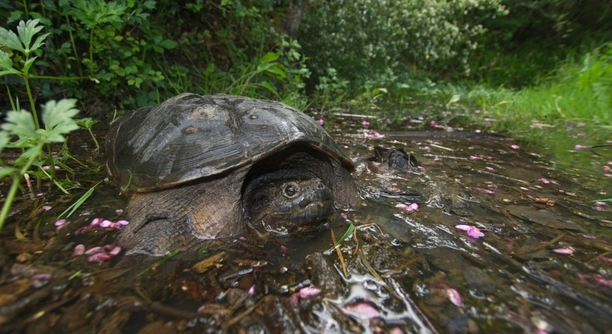
Is your common snapping turtle often nervous and skittish, making it difficult for you to care for and interact with it?
Reducing your snapping turtle’s nervousness involves providing a stable environment, maintaining proper water conditions, handling it minimally, and ensuring it has plenty of hiding spots. These factors help create a sense of security, reducing stress and anxiety.
Creating a calm space for your turtle allows it to feel more at ease in its habitat. Understanding its behavior and needs will make caring for it easier and more enjoyable.
Provide a Secure and Comfortable Habitat
A stable environment helps your snapping turtle feel safe. Use a spacious tank with clean, dechlorinated water and a solid basking area. Keep the water temperature between 75-80°F and maintain proper filtration. Adding aquatic plants and hiding spots can reduce stress and create a more natural setting.
Bright lights or sudden movements can startle your turtle. Keep the habitat in a low-traffic area of your home. Ensure the basking area has a UVB light to support shell health and regulate mood. Consistency in lighting and temperature will help your turtle feel more at ease.
Frequent tank cleaning is important, but avoid making abrupt changes. A well-maintained tank prevents stress-related health issues. Changing a small portion of the water regularly instead of doing full replacements can keep your turtle comfortable. Small adjustments, such as adding smooth rocks or driftwood, can also make the enclosure feel more secure.
Minimize Handling
Handling can make your snapping turtle nervous. These turtles are not social animals and prefer to be left alone. Frequent handling can cause stress and defensive behavior, such as hissing or snapping.
If you must handle your turtle, do so gently and with clean hands. Support its body properly to prevent injury. Keep interactions brief and avoid unnecessary handling. Over time, your turtle may become less defensive if it associates your presence with food rather than being picked up.
Turtles recognize routine. If they associate you with food and care rather than stress, they will feel safer. Offering food with tongs or by hand at a safe distance can help build trust. A calm and patient approach will prevent defensive reactions and help your turtle feel more secure in its environment.
Maintain a Consistent Feeding Schedule
A predictable feeding routine helps your snapping turtle feel secure. Offer food at the same time each day to create consistency. A mix of protein, vegetables, and commercial pellets provides balanced nutrition while keeping your turtle engaged and comfortable in its environment.
Live prey, such as worms or small fish, can stimulate natural hunting instincts. However, avoid overfeeding, as excess food can dirty the water and create stress. Uneaten food should be removed promptly to maintain clean conditions. A varied diet, including leafy greens and occasional fruits, ensures your turtle gets essential nutrients while preventing boredom.
Turtles associate regular feeding with safety. Standing near the tank before feeding can help your turtle recognize you as a food source rather than a threat. Over time, this can reduce nervous behavior and encourage your turtle to be more active and responsive when you approach.
Reduce Loud Noises and Sudden Movements
Loud sounds and quick movements can startle your snapping turtle, making it more anxious. Place the enclosure in a quiet location away from loud appliances or heavy foot traffic. Keeping noise levels low allows your turtle to feel more at ease and display natural behaviors without unnecessary stress.
Moving slowly around the enclosure prevents sudden scares. If your turtle consistently reacts to your presence with fear, try sitting near the tank without making direct movements toward it. This helps your turtle get used to your presence over time. Avoid tapping on the glass, as this can cause stress and make your turtle more defensive.
If possible, use a tank background to reduce outside distractions. Soft, indirect lighting also helps create a calmer space. Small adjustments like these can make a big difference in how comfortable and secure your turtle feels in its home.
Provide Plenty of Hiding Spots
Hiding spots help snapping turtles feel safe. Use rocks, driftwood, or aquatic plants to create shelter. A turtle that has places to retreat will be less likely to feel threatened, reducing stress and promoting natural behaviors in its environment.
A secure turtle is a calm turtle. If your turtle lacks hiding spots, it may become more anxious and defensive. Ensuring it has areas to retreat will help it feel in control of its space, leading to a more relaxed and confident demeanor.
Keep the Water Clean
Dirty water can cause stress and health problems. Regular water changes and a strong filtration system help maintain clean conditions. A well-maintained tank reduces bacteria growth and prevents foul odors, ensuring a comfortable environment for your turtle.
Avoid Overcrowding
Too many tank mates can make a snapping turtle nervous. If you keep other animals in the enclosure, ensure there is enough space for your turtle to move freely without feeling threatened.
FAQ
How long does it take for a snapping turtle to feel comfortable in a new environment?
It can take several weeks for a snapping turtle to adjust to a new habitat. During this time, it may hide frequently, refuse food, or stay inactive. Providing a stable environment with minimal disturbances helps speed up the adjustment process. Avoid unnecessary handling and maintain a consistent feeding schedule to help your turtle feel secure. If your turtle remains extremely nervous after a few months, check for issues like poor water quality, incorrect temperatures, or a lack of hiding spots.
Why does my snapping turtle hide all the time?
Hiding is a natural behavior, especially for new or young snapping turtles. They instinctively seek shelter to feel safe from predators. If your turtle hides constantly, it may be due to stress, loud noises, sudden movements, or an inadequate tank setup. Providing proper hiding spots, reducing disturbances, and ensuring stable water conditions can encourage your turtle to come out more often. Some turtles naturally prefer to stay hidden for most of the day, especially if they feel exposed in their enclosure.
Can I train my snapping turtle to be less nervous?
While snapping turtles do not bond with humans, they can become more comfortable over time. Consistency is key. Feeding your turtle at the same times each day and sitting near its enclosure without sudden movements can help build trust. Over time, your turtle may associate your presence with food rather than danger. Avoid excessive handling, as this can make your turtle more defensive. Some turtles naturally remain cautious, but patience and a stress-free environment can help them become more relaxed.
Does my snapping turtle recognize me?
Snapping turtles can recognize their owners, mainly associating them with food. They may become more responsive when they see you, especially if you maintain a consistent feeding routine. However, they do not form emotional bonds like dogs or cats. Their recognition is based on routine and positive experiences. If a turtle feels threatened, it may remain defensive regardless of familiarity.
What are the signs that my snapping turtle is stressed?
A stressed snapping turtle may display signs like excessive hiding, refusing to eat, frantic swimming, or aggressive behavior. Other indicators include a soft shell, lethargy, or frequent attempts to escape the enclosure. Poor water quality, sudden environmental changes, overcrowding, or excessive handling can all contribute to stress. Identifying and addressing the source of stress will help your turtle feel more at ease.
Can loud music or TV sounds stress my snapping turtle?
Yes, snapping turtles are sensitive to vibrations and loud noises. Constant exposure to loud sounds from TVs, music, or household activity can cause stress. Placing the enclosure in a quiet area away from high-traffic zones can help your turtle feel more secure. If the room is noisy, consider adding a background or partial tank cover to reduce external disturbances.
Should I handle my snapping turtle to help it get used to me?
Frequent handling can make a snapping turtle more nervous. Unlike some reptiles, snapping turtles do not enjoy being handled and may respond with defensive behaviors like hissing or snapping. If you need to move your turtle, do so gently and for as short a time as possible. Encouraging trust through feeding and consistent care is a better way to help your turtle feel secure in your presence.
Why does my snapping turtle try to escape its tank?
Snapping turtles may attempt to escape due to stress, lack of space, improper water conditions, or curiosity. A small tank can make a turtle restless, while poor water quality or incorrect temperatures can cause discomfort. Ensure the enclosure meets your turtle’s needs, including a large enough space, clean water, and proper basking areas. Covering part of the tank can also reduce the feeling of exposure, making your turtle less likely to seek an escape route.
What is the best way to calm a nervous snapping turtle?
Creating a stable, low-stress environment is the best way to calm a snapping turtle. This includes providing hiding spots, maintaining proper water quality, minimizing handling, and keeping noise levels low. Feeding your turtle on a consistent schedule and moving slowly around the enclosure can also help it feel safer. Every turtle has a unique personality, so some may always remain more cautious than others.
Can snapping turtles become more social over time?
Snapping turtles do not develop social bonds like mammals, but they can become more accustomed to their environment and their owner’s presence. Regular, gentle interactions like feeding can help them feel more comfortable. However, they will always prefer their own space and are best observed rather than handled.
Final Thoughts
Helping your snapping turtle feel less nervous takes time and patience. Creating a stable environment with clean water, proper lighting, and plenty of hiding spots is important. Keeping noise levels low and avoiding sudden movements can also make a big difference. A snapping turtle that feels secure will be more active and display natural behaviors. While these turtles do not bond with humans like some pets, they can still recognize routine and become more comfortable over time. Small adjustments to their habitat and care routine can help reduce stress and promote a calmer demeanor.
Handling should be kept to a minimum, as snapping turtles do not enjoy being touched. Instead of forcing interactions, allow your turtle to feel secure in its enclosure. Feeding at the same time each day and sitting near the tank without sudden movements can help it associate your presence with safety. Over time, your turtle may become more relaxed when you are nearby. If your turtle still seems nervous after making adjustments, check for possible issues like poor water quality, incorrect temperatures, or an overcrowded enclosure. Even small environmental changes can have a big impact on their comfort and well-being.
Every snapping turtle has its own personality, and some will always be more cautious than others. Some may remain shy even in a well-maintained and stress-free habitat. The key is to provide a safe space where your turtle feels in control of its surroundings. By understanding its natural behaviors and respecting its boundaries, you can create an environment that supports its health and happiness. Snapping turtles are fascinating animals that thrive best when left undisturbed, so giving them the right care and conditions will ensure they live a long and healthy life.

Hello,
If you enjoy the content that we create, please consider saying a "Thank You!" by leaving a tip.
Every little bit helps us continue crafting quality advice that supports the health, happiness, and well-being of pets around the world, for pets of all shapes, sizes, and species.
We really appreciate the kindness and support that you show us!