
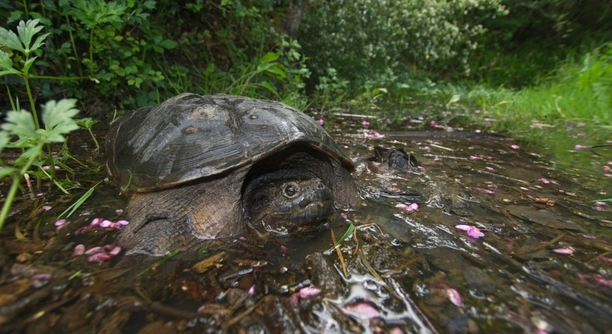
Your common snapping turtle may head-butt the glass for a variety of reasons. This behavior can be due to a mix of curiosity, stress, or the desire for attention. Understanding these factors can help you manage the situation.
Head-butting in common snapping turtles is often a result of stress, territorial behavior, or curiosity. They may be reacting to their reflection, feeling confined, or trying to interact with you. Ensuring a proper environment can help reduce this behavior.
Learning more about the causes behind this behavior can help you create a more comfortable habitat for your snapping turtle.
Why Do Snapping Turtles Head-Butt the Glass?
Head-butting the glass is often a sign of stress or curiosity for a snapping turtle. This behavior can happen when your turtle feels confined or agitated by its surroundings. Snapping turtles are naturally territorial creatures, so if they see their reflection in the glass, they may perceive it as a rival and react aggressively. They may also head-butt in an attempt to interact with you or explore their environment. Understanding why your turtle is behaving this way is essential for providing the best care and environment possible.
Changing their tank setup can help reduce this behavior. Make sure the glass is clean to avoid reflections and minimize stress. Adding more hiding spots, such as rocks or plants, can help make your turtle feel more secure. In addition, reducing the amount of direct interaction, especially if your turtle appears to be head-butting for attention, may help ease its stress.
Some turtles also head-butt when they are trying to reach something. Ensuring the tank is properly sized with enough space to swim around can give your turtle a more natural and comfortable environment. Adding a basking area with enough space can also reduce agitation. A peaceful environment promotes well-being and may lessen unwanted behaviors like head-butting.
What Else Could Be Causing the Behavior?
It’s important to keep your turtle’s environment in mind. Consider its age, temperament, and previous experiences. Some turtles may head-butt out of boredom or lack of stimulation, while others might be signaling discomfort with their tank setup.
Stress and Environmental Factors
Stress is a major factor in head-butting behavior. Snapping turtles are sensitive to their environment, and any changes, such as loud noises or sudden movements, can cause anxiety. A tank that is too small or lacks adequate filtration may also lead to stress, causing turtles to act out.
To minimize stress, ensure your turtle’s habitat is quiet, clean, and spacious. Snapping turtles need ample space to swim and bask. If the tank is too small, they may feel trapped and stressed. Providing an environment that mimics their natural habitat, including plants and hiding spots, can help them feel secure and reduce head-butting.
Environmental factors like temperature and lighting are also crucial. Snapping turtles need a proper heating system for basking and UVB lighting for health. Improper water temperature or lack of basking space can cause discomfort, prompting them to head-butt the glass in frustration or attempt to escape.
Curiosity and Interaction
Snapping turtles are naturally curious creatures, and they may head-butt the glass to get a closer look at their environment. They often do this when they sense movement outside the tank, such as when you walk by or approach their habitat. This behavior is driven by a desire to interact.
Providing enrichment can help satisfy your turtle’s curiosity. Adding objects like floating logs, rocks, or plants can create new areas for exploration, which can keep your turtle engaged. Giving them opportunities to explore and forage in the tank can reduce their tendency to head-butt and offer them mental stimulation.
Tank Size and Space
A small tank can cause your snapping turtle to feel cramped and stressed, leading to head-butting. Snapping turtles need enough space to swim freely and explore their environment. A tank that is too small limits their movement and causes frustration.
A larger tank allows your turtle to move naturally, which helps reduce stress. For an adult snapping turtle, a tank size of at least 75 gallons is recommended. More space also gives you the opportunity to add hiding spots and more elements for stimulation, helping your turtle feel more comfortable.
Reflection and Visual Stimuli
Reflections in the tank can make your turtle think there is another turtle nearby. This may trigger territorial behavior, like head-butting the glass. Clean the tank regularly to reduce reflections and avoid stressful interactions with their “rival.”
It’s also helpful to keep the tank away from mirrors or windows, where reflections are more likely to occur. If you need to cover the glass, you can use non-reflective materials to prevent this behavior. This simple adjustment can make your turtle feel safer and less likely to head-butt the glass.
FAQ
Why does my snapping turtle keep head-butting the glass?
Head-butting is often a sign of stress, territorial behavior, or curiosity. Your turtle might be reacting to its reflection in the glass, feeling confined in a small tank, or trying to interact with you. It’s essential to evaluate the environment to reduce stress and discomfort.
How can I stop my turtle from head-butting the glass?
Start by ensuring the tank is large enough for your turtle. A 75-gallon tank is typically recommended for adult snapping turtles. Providing hiding spots and plants can reduce stress. Regularly clean the glass to minimize reflections, and keep the tank away from mirrors or windows.
Do snapping turtles get bored in their tanks?
Yes, snapping turtles can get bored, especially if their environment lacks stimulation. They need space to explore, objects to interact with, and areas to hide. Enrichment like rocks, floating logs, or plants can keep them engaged and reduce repetitive behaviors like head-butting.
What causes stress in a snapping turtle?
Stress in snapping turtles can be caused by a variety of factors, including a small tank, improper water temperature, poor water quality, or loud noises. They can also become stressed if they don’t have enough space to move or bask. Regular tank maintenance and providing proper heating and lighting can help minimize stress.
Can head-butting be a sign of aggression?
Head-butting may appear aggressive, but it’s often a response to stress, territorial behavior, or frustration. If your turtle is head-butting the glass, it might be reacting to a perceived threat, such as its own reflection. It’s important to address the root cause of the behavior rather than viewing it as aggression.
How can I tell if my turtle is stressed?
Signs of stress in snapping turtles can include excessive head-butting, swimming in circles, hiding more than usual, or lack of appetite. If you notice these behaviors, it’s a good idea to check the tank conditions, such as water temperature, cleanliness, and space, to ensure they are optimal.
Do snapping turtles need to bask?
Yes, snapping turtles need to bask to regulate their body temperature and to dry off. A proper basking area with UVB light is necessary for their overall health. Lack of a suitable basking spot can lead to stress, which may contribute to head-butting or other behaviors.
Can I add more than one turtle to the tank?
While it’s possible to keep more than one snapping turtle in a tank, it’s not always recommended. They are territorial creatures and may display aggression toward each other, especially if the tank is too small. If you do decide to keep multiple turtles, ensure the tank is large enough to accommodate them.
How often should I clean my snapping turtle’s tank?
Cleaning the tank regularly is essential to maintain water quality and reduce stress. Perform partial water changes every 1-2 weeks, and clean the tank’s substrate and decorations monthly. A proper filtration system can help keep the water clean between full cleanings.
Is it normal for my snapping turtle to swim into the glass?
It is normal for snapping turtles to swim into the glass, especially if they are curious or trying to find a way out. This behavior can also be a sign that the turtle is looking for attention or reacting to something outside the tank. Keep the tank environment as comfortable as possible to reduce this behavior.
Final Thoughts
Understanding why your snapping turtle is head-butting the glass is essential for addressing the behavior and improving its quality of life. Most of the time, this action is driven by stress, frustration, or curiosity. Turtles are sensitive to their environment, and small changes can have a big impact on their behavior. Ensuring that the tank is large enough, the water is clean, and the temperature is appropriate can go a long way in making your turtle feel more comfortable and less stressed.
Providing enrichment and a suitable environment is key to reducing head-butting. Snapping turtles are curious creatures that need space to explore. A tank that allows them to swim freely and offers hiding spots, floating logs, and plants will help keep them engaged. This type of setup can minimize repetitive behaviors like head-butting and provide them with a more enjoyable living space. If your turtle is frequently interacting with the glass, it might be trying to communicate or looking for stimulation that the current setup isn’t providing.
Lastly, it’s important to remember that head-butting is not always a sign of aggression. In many cases, it’s just a way for the turtle to express frustration or curiosity. By making a few adjustments to your turtle’s habitat and regularly checking its environment, you can help minimize this behavior and ensure a healthier, happier life for your snapping turtle. A little attention to their needs can go a long way in creating a space where they feel safe and comfortable.

Hello,
If you enjoy the content that we create, please consider saying a "Thank You!" by leaving a tip.
Every little bit helps us continue crafting quality advice that supports the health, happiness, and well-being of pets around the world, for pets of all shapes, sizes, and species.
We really appreciate the kindness and support that you show us!