
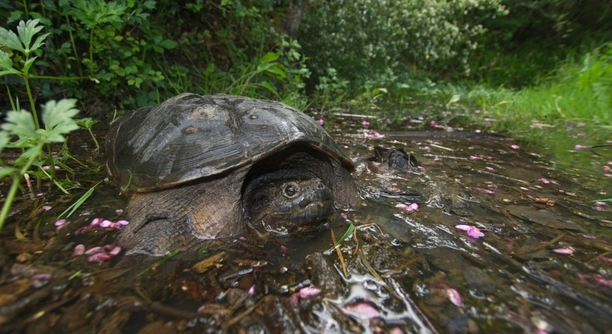
Keeping a Common Snapping Turtle healthy requires maintaining the right water temperature. Proper temperature regulation is essential for its well-being and activity levels. Ensuring a consistent environment helps the turtle thrive in captivity.
The ideal water temperature for a Common Snapping Turtle ranges from 72°F to 78°F (22°C to 26°C). Maintaining this range supports optimal digestion, activity, and overall health. A consistent temperature promotes natural behaviors and reduces stress.
Understanding the right water temperature is essential for your turtle’s long-term health and comfort.
The Importance of Water Temperature for Snapping Turtles
Water temperature plays a vital role in maintaining a Common Snapping Turtle’s health. If the water is too cold, the turtle’s metabolism slows down, and it becomes sluggish. Conversely, water that is too warm can lead to overheating, causing stress and even illness. Finding a balanced temperature range is key to supporting the turtle’s immune system, digestion, and behavior. Regularly checking the water temperature with a reliable thermometer ensures that the environment stays within the ideal range. It’s crucial to remember that sudden changes in temperature can be harmful, so gradual adjustments are recommended if needed.
For these reasons, keeping water temperature stable helps avoid stress and promotes natural behavior. Snapping turtles rely on their environment to regulate their body temperature, making it essential to create a suitable habitat for them.
By monitoring the water temperature and adjusting when necessary, you create an environment that encourages healthy growth and activity. This consistency leads to a happier and more active turtle.
Tools for Maintaining Optimal Temperature
Ensuring the right water temperature requires the right equipment. Using a submersible heater with an adjustable thermostat allows for precise control over the water temperature. Regularly checking the temperature with a thermometer ensures that it stays within the desired range. A reliable filtration system can help keep the water clean and free of debris that could affect the temperature.
The heater should be placed in a location that allows for even distribution of heat. Consider using a thermometer with a probe to check water temperature at different areas of the tank. This ensures no cold or hot spots, which can affect the turtle’s health.
Common Snapping Turtle Temperature Ranges
The temperature range of 72°F to 78°F (22°C to 26°C) is ideal for most Common Snapping Turtles. Within this range, their metabolism operates efficiently, promoting digestion and activity. Staying within this range helps the turtle remain active, healthy, and stress-free. Temperature regulation is important for their growth and well-being.
During colder months, it’s essential to monitor the temperature carefully. In colder environments, the water temperature can drop below the optimal range. This can slow the turtle’s metabolism and make it more lethargic. When water is too cold, they may become less active, eating less or becoming inactive. If temperatures are too high, this can also lead to stress and discomfort.
A stable environment helps your turtle thrive, allowing for better digestion, growth, and overall health. Consistent temperature maintenance ensures the turtle’s immune system functions properly, keeping it from becoming stressed or sick.
How Temperature Affects Snapping Turtle Behavior
Snapping turtles are cold-blooded, meaning they rely on external temperatures to regulate their body heat. When water temperatures are within their preferred range, they are more likely to stay active, hunt, and explore their environment. If the water is too cold, they may become sluggish and less interactive. This affects their overall behavior, including feeding and swimming.
When temperatures are too warm, they may become more lethargic. Overheating can cause stress, leading to a lack of appetite or an unwillingness to move around. This is why maintaining the right temperature helps support their natural behaviors. Proper water temperature is essential for a healthy, happy turtle.
Keeping the temperature within a consistent range allows for more natural movements and interactions. Your turtle is more likely to swim, explore its environment, and display natural hunting instincts when the conditions are right.
Potential Health Risks of Improper Temperature
Improper water temperature can lead to several health problems for Common Snapping Turtles. Too cold of water can cause a weakened immune system, while excessively warm water can lead to overheating and dehydration. Both extremes can stress the turtle, causing it to become vulnerable to infections or other issues.
Turtles exposed to improper temperatures often experience slowed metabolism. When the water is too cold, their digestion slows down, causing them to eat less. Prolonged exposure to extreme temperatures can also result in more severe health issues like shell deformities or respiratory problems.
Maintaining a proper and stable temperature minimizes these risks and supports your turtle’s health. Ensuring the temperature stays within a healthy range promotes stronger immunity and digestion, reducing the likelihood of long-term problems.
Temperature Variations Across Different Habitats
Different habitats offer varying temperatures depending on geographic location and time of year. In the wild, Common Snapping Turtles experience natural fluctuations in water temperature. However, in captivity, it’s essential to replicate a consistent and controlled environment to prevent unnecessary stress and health issues.
Maintaining a steady temperature helps mimic the conditions the turtle would encounter in its natural habitat, providing a comfortable and stable living environment. This consistency allows the turtle to thrive, staying active and healthy, just like it would in the wild.
Adjusting Temperature for Seasonal Changes
Seasonal changes can influence the water temperature in both natural and captive environments. During colder months, you may need to adjust the water temperature to maintain the proper range. Conversely, in warmer weather, ensuring the water doesn’t overheat becomes essential to avoid discomfort or stress.
It’s essential to monitor and adjust the temperature regularly throughout the year. Keeping the water temperature stable and within the ideal range supports your turtle’s natural behavior and health during changing seasons. Make small adjustments gradually to avoid stressing the turtle.
FAQ
What happens if the water temperature is too high for a Common Snapping Turtle?
If the water temperature is too high, a Common Snapping Turtle can become stressed and lethargic. Overheating can lead to dehydration and reduced appetite. It may also cause the turtle to become less active and show signs of discomfort. Prolonged exposure to high temperatures can lead to more severe health issues, such as shell problems or respiratory distress. To avoid this, it’s essential to maintain the proper range of 72°F to 78°F (22°C to 26°C).
What happens if the water temperature is too low for a Common Snapping Turtle?
When the water temperature drops too low, it can slow down the turtle’s metabolism. This can make it less active, causing it to spend more time resting and less time foraging or swimming. A drop in temperature can also weaken the turtle’s immune system, making it more susceptible to infections. Cold water can cause digestive issues, as the turtle may have difficulty processing food efficiently. To prevent this, keep the water temperature stable within the recommended range.
Can a Common Snapping Turtle live in cold water?
Common Snapping Turtles can survive in cold water for a while, but prolonged exposure to temperatures below their optimal range can be harmful. In the wild, they experience fluctuating temperatures, but in captivity, it’s important to maintain a controlled environment. Cold water lowers their metabolism and can lead to lethargy and poor digestion. If the water gets too cold, the turtle may stop eating or become more vulnerable to illness. It’s best to ensure that the water temperature stays within a comfortable range to support its overall health.
How can I regulate the water temperature for my Common Snapping Turtle?
Regulating the water temperature involves using the right equipment, such as a submersible heater with an adjustable thermostat. Regularly checking the temperature with an aquarium thermometer ensures it stays within the proper range. During colder months, you may need to adjust the heater settings to keep the temperature consistent. A filtration system also helps circulate the water, preventing cold or hot spots from forming. It’s important to monitor temperature changes regularly and make adjustments gradually to avoid stressing your turtle.
What is the ideal water temperature for a Common Snapping Turtle during the winter?
During the winter months, the water temperature for a Common Snapping Turtle should remain between 72°F and 78°F (22°C to 26°C). Even in colder environments, you can maintain this range by using a reliable aquarium heater. It’s crucial to prevent the temperature from dropping too low, as this could slow down the turtle’s metabolism and cause health issues. Keep the water temperature steady throughout the colder months to ensure your turtle remains active and healthy.
Can I use a heating pad instead of a water heater?
A heating pad is not the best option for regulating water temperature. While heating pads can work well for providing warmth to the air or substrate, they don’t effectively heat the water. For consistent water temperature control, a submersible water heater is the most reliable option. These heaters are designed specifically to keep the water at a stable temperature, preventing fluctuations that could harm your turtle. Always opt for equipment made for aquatic environments when regulating water temperature.
How often should I check the water temperature?
It’s essential to check the water temperature daily, especially if you’re using a heater or if you live in an area where the temperature fluctuates frequently. A thermometer placed in the tank allows you to quickly monitor the temperature at any time. If the temperature starts to drift out of the recommended range, adjust the heater gradually to bring it back to a stable level. Consistent monitoring ensures your turtle remains in a comfortable environment and prevents any sudden temperature changes that could cause stress.
Can I use a thermometer to check multiple areas in the tank?
Yes, it’s a good idea to use multiple thermometers or check different spots in the tank to ensure the temperature is consistent throughout. Tanks can have areas that are warmer or cooler than others, especially if there’s poor water circulation. By checking different areas, you can ensure that the temperature is even across the tank, preventing hot or cold spots. A reliable aquarium thermometer with a probe will allow you to monitor the temperature in different parts of the tank for optimal consistency.
Do Common Snapping Turtles need different temperatures at different life stages?
While Common Snapping Turtles have similar temperature needs at all life stages, hatchlings may require slightly warmer water to help support their growth and metabolism. The ideal range of 72°F to 78°F (22°C to 26°C) still applies, but hatchlings may benefit from temperatures closer to the higher end of the range. As they grow, their tolerance for slightly cooler water increases. Regardless of age, it’s essential to keep the water temperature stable to prevent stress and promote healthy development.
How can I tell if my turtle is too hot or too cold?
A Common Snapping Turtle showing signs of stress from temperature extremes may become lethargic, refuse to eat, or spend more time resting at the bottom of the tank. If it’s too hot, the turtle might be excessively active or even float at the surface, trying to escape the heat. On the other hand, if the water is too cold, the turtle will likely be sluggish, spending less time moving or swimming. Consistently monitoring the water temperature will help you avoid these symptoms and keep your turtle healthy.
Final Thoughts
Maintaining the correct water temperature is essential for the health and well-being of a Common Snapping Turtle. When water temperatures fall below or rise above the ideal range, the turtle may experience stress and a weakened immune system. This can lead to a variety of health issues, including digestive problems, dehydration, and respiratory distress. Consistent monitoring of water temperature ensures the turtle is living in a suitable environment that supports its natural behaviors and promotes its overall health.
For those keeping Common Snapping Turtles in captivity, it’s important to use a reliable aquarium heater and thermometer to maintain the correct temperature. Temperature fluctuations can have negative effects on the turtle’s metabolism, activity level, and feeding habits. A stable water temperature within the recommended range of 72°F to 78°F (22°C to 26°C) supports the turtle’s immune system and ensures it can properly digest food. It’s essential to adjust the temperature gradually to avoid shocking the turtle’s system, especially when transitioning between seasonal temperature changes.
In summary, paying attention to water temperature is one of the most important factors in keeping a Common Snapping Turtle healthy. By regularly checking the temperature and using appropriate equipment, owners can create an environment where their turtle can thrive. A stable, warm habitat will promote good health, prevent stress, and allow for proper growth and development. With the right care, Common Snapping Turtles can live long, healthy lives.

Hello,
If you enjoy the content that we create, please consider saying a "Thank You!" by leaving a tip.
Every little bit helps us continue crafting quality advice that supports the health, happiness, and well-being of pets around the world, for pets of all shapes, sizes, and species.
We really appreciate the kindness and support that you show us!