
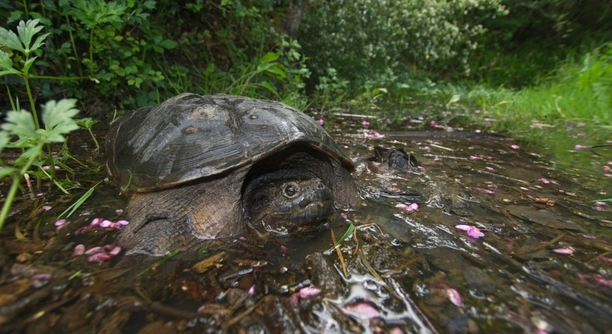
A common snapping turtle’s beak is essential for its survival, helping it to feed and defend itself. Damage to this beak can affect its ability to eat and could signal serious health issues that need attention.
The most noticeable sign of a broken beak in a common snapping turtle is visible damage, such as cracks, chips, or irregular growth. If the turtle has difficulty eating or seems to struggle when biting, these could be further indications of injury.
Addressing beak damage quickly is crucial to ensure the turtle’s recovery and overall well-being.
Identifying Symptoms of a Broken Beak
A broken beak on a snapping turtle can often be difficult to spot at first. Early signs of injury may not always be immediately visible but can be detected by observing the turtle’s behavior. If the turtle begins to eat less or avoids certain types of food, this is a clear signal that something might be wrong. Another symptom is if the turtle has trouble catching prey or struggles to bite down. These behaviors can indicate that the beak is damaged. While it is common for snapping turtles to experience some wear and tear over time, any noticeable difficulty in eating or changes in their normal feeding behavior should be addressed promptly.
If you notice these symptoms, it’s important to check the beak for any visible cracks, chips, or misalignment. Minor damage may be manageable, but any visible signs of serious injury could lead to complications that require immediate attention.
Ignoring these symptoms could lead to further harm. Damage that is left untreated can prevent the turtle from eating, eventually leading to malnutrition or infection. If the injury is severe, medical intervention is required to prevent further complications.
Causes of Beak Injury in Snapping Turtles
Snapping turtles can suffer beak damage for several reasons. They may sustain injuries while hunting, fighting, or during territorial disputes with other turtles. These injuries can result from blunt force trauma or contact with sharp objects. In the wild, snapping turtles are often involved in conflicts over food or mates, leading to damage. Additionally, collisions with predators or obstacles in their environment can contribute to beak injury.
Another common cause of beak damage is poor diet. Lack of proper nutrition can cause the beak to grow abnormally, leading to weakness and potential breaking. Snapping turtles require a balanced diet to maintain strong, healthy beaks. Without the right nutrients, the beak may become brittle and more susceptible to damage.
If a snapping turtle is in an environment with inadequate or unhealthy conditions, it may face a higher risk of injury. It is crucial to monitor their diet, habitat, and behavior to prevent these issues.
Treatment Options for a Broken Beak
If a snapping turtle’s beak is damaged, seeking immediate veterinary care is essential. A professional can assess the severity of the injury and recommend the best course of treatment. Depending on the damage, treatment may involve medication, beak reshaping, or even surgery for severe injuries.
For minor injuries, a vet might apply topical treatments to prevent infection or use a special bonding material to help stabilize the beak. If the damage is extensive, a more invasive approach may be necessary. It’s important to follow the vet’s instructions closely to ensure proper healing.
Regular follow-up appointments may be required to monitor the healing process and prevent complications. It’s important not to attempt any home treatments without consulting a professional. In some cases, a turtle may require long-term care to recover fully and regain its ability to feed properly. This might include adjusting its diet or providing softer foods to ease feeding during recovery.
Preventing Further Injury to the Beak
To prevent further damage to a snapping turtle’s beak, it is crucial to create a safe and enriched environment. Ensure the turtle’s habitat is free of sharp objects that could cause harm. Avoid overcrowding in tanks, which can increase stress and lead to aggression between turtles.
Providing a well-balanced diet is key to preventing beak issues. A diet rich in calcium and other essential nutrients will help maintain the beak’s strength and prevent it from becoming brittle. If your turtle is in an outdoor enclosure, make sure the area is free of debris that could cause injury. Regularly check the enclosure to ensure it remains safe and secure.
Additionally, avoid handling the turtle too much, as this can cause stress and lead to behavioral problems, which may increase the risk of injury. Monitoring the turtle’s behavior and health regularly is vital to catching potential issues early.
Signs of Infection from a Broken Beak
Infection can occur if the beak injury is not properly treated. If you notice swelling, discharge, or an unpleasant odor near the beak, these are clear signs of infection. The turtle may also appear lethargic or avoid eating, which indicates it’s in pain or unwell.
Other signs of infection include redness or warmth around the injured area. In some cases, the injury may become more swollen as the infection progresses. If any of these symptoms are present, it is crucial to take the turtle to a vet immediately to prevent further complications.
The Importance of Proper Diet for Healing
A proper diet is vital for healing and preventing further damage to a snapping turtle’s beak. It should include calcium-rich foods like leafy greens, shellfish, and other protein sources. These nutrients will help support the turtle’s beak and overall health during recovery.
The right diet ensures that the beak can grow back strong and properly aligned. Additionally, providing softer food may help reduce discomfort if the turtle is struggling to eat due to the injury. Regular monitoring of the turtle’s feeding habits can also indicate whether its recovery is progressing well.
When to Seek Professional Help
If the damage to the beak is severe, seeking professional help immediately is crucial. It’s better to be cautious and consult a veterinarian to prevent any complications that could arise from untreated injuries. A vet will assess the injury and determine the proper treatment.
FAQ
How can I tell if my snapping turtle has a broken beak?
If you notice that your snapping turtle is having trouble eating or seems reluctant to bite or chew, the beak may be broken. Visible cracks, chips, or changes in the beak’s shape can indicate damage. A closer inspection of the turtle’s feeding habits and behavior can offer clues as well. If the turtle avoids specific foods or takes longer to eat, it could be a sign of injury.
Can a snapping turtle recover from a broken beak?
Yes, snapping turtles can recover from a broken beak, but the recovery depends on the severity of the injury. Minor cracks or chips may heal over time with proper care and diet, while more severe injuries may require veterinary intervention. It’s essential to monitor the turtle’s eating habits and overall behavior to ensure recovery. If the turtle shows signs of infection or continues to struggle with eating, medical treatment will be necessary.
What should I do if my snapping turtle has a broken beak?
First, assess the injury and try to determine the extent of the damage. If the injury seems minor, you can monitor the turtle’s feeding and health. If you notice severe damage, infection, or behavioral changes, it’s important to consult a veterinarian immediately. Professional treatment may involve beak reshaping, antibiotics, or surgery, depending on the severity.
Can I treat my snapping turtle’s broken beak at home?
While minor injuries might be manageable with careful observation, it is not recommended to treat a snapping turtle’s broken beak at home without consulting a veterinarian. A professional can ensure the injury is properly treated and prevent further complications, such as infection. For any visible cracks, chips, or significant damage, seek immediate veterinary attention to avoid serious health issues.
What are the common causes of beak injuries in snapping turtles?
Snapping turtles can break their beaks due to various causes, including fighting with other turtles, hunting for prey, or collisions with hard surfaces or obstacles. In some cases, beak damage can result from environmental hazards or stress within their living environment. Aggressive interactions with other turtles or animals can lead to bites or impacts that cause beak injuries.
How do I prevent my snapping turtle from getting a broken beak?
To prevent beak injuries, ensure your snapping turtle’s environment is safe and free from sharp objects or hazards. Avoid overcrowding and provide enough space for the turtle to move and feed naturally. Regularly check the habitat for potential risks. Also, providing a nutritious, calcium-rich diet will help maintain the turtle’s beak health and strength.
What should I feed my snapping turtle to help it recover from a broken beak?
A diet high in calcium and other essential nutrients will help your snapping turtle recover. Offer foods like leafy greens, shrimp, fish, and shellfish, which are rich in the vitamins and minerals needed for beak health. Softer foods may also be required if the turtle is struggling to eat due to the injury. Ensure a balanced diet to promote healing.
How long does it take for a snapping turtle’s broken beak to heal?
The healing time for a broken beak varies depending on the severity of the injury. Minor injuries may take a few weeks to a month to heal, while more severe damage could take longer. It’s important to monitor the turtle’s progress and seek professional care if the beak is not healing as expected. Follow up with a veterinarian if needed to ensure recovery.
Can a snapping turtle’s beak grow back if it’s severely damaged?
A snapping turtle’s beak can grow back after minor damage, but if the injury is severe, the beak may not fully regenerate. In cases of extensive damage, veterinary intervention may be required to reshape the beak or prevent further complications. Beak health is essential for the turtle’s overall survival, so it’s important to treat any injury with care.
What are the signs that my snapping turtle’s broken beak is infected?
Signs of infection in a snapping turtle’s broken beak include swelling, redness, pus or discharge, and a foul odor. The turtle may also become more lethargic, lose its appetite, or avoid eating. If any of these symptoms are present, it’s important to seek immediate veterinary care to treat the infection and prevent further complications.
Should I keep my snapping turtle in isolation if it has a broken beak?
It may be a good idea to isolate the snapping turtle if it has a broken beak, especially if it is in pain or struggling to eat. This will reduce the risk of aggression from other turtles and ensure the injured turtle can eat and heal without interference. A quiet, comfortable space will aid in the turtle’s recovery.
Final Thoughts
A broken beak in a snapping turtle can be a concerning issue, but with proper care and attention, most turtles can recover well. It’s important to identify any signs of injury early to prevent further complications. If the turtle is struggling to eat or showing signs of discomfort, it’s essential to inspect the beak for any visible damage, such as cracks or chips. In many cases, minor injuries can heal on their own, but monitoring the turtle’s health and feeding habits is crucial to ensure there are no signs of infection or further injury.
Providing a balanced diet rich in calcium and other necessary nutrients plays a vital role in helping the turtle recover. Foods like leafy greens, fish, and shellfish can support the healing process and strengthen the beak. Additionally, offering softer foods may make it easier for the turtle to eat if it’s experiencing difficulty due to the injury. Regular feeding and proper nutrition help ensure that the turtle remains healthy and can recover quickly from minor damage. A well-maintained habitat also plays a role in the overall well-being of the turtle. Avoiding overcrowding and removing any sharp objects or potential hazards can prevent future injuries and promote a safe environment.
In more severe cases, or if the injury shows signs of infection, professional help should be sought immediately. A veterinarian can properly assess the injury and provide treatments such as antibiotics or surgery if necessary. While some beak injuries may require time to heal, it’s important to act swiftly when any complications arise. Proper care, attention to diet, and timely veterinary intervention are key to ensuring that a snapping turtle with a broken beak can recover fully and continue to live a healthy life.

Hello,
If you enjoy the content that we create, please consider saying a "Thank You!" by leaving a tip.
Every little bit helps us continue crafting quality advice that supports the health, happiness, and well-being of pets around the world, for pets of all shapes, sizes, and species.
We really appreciate the kindness and support that you show us!