
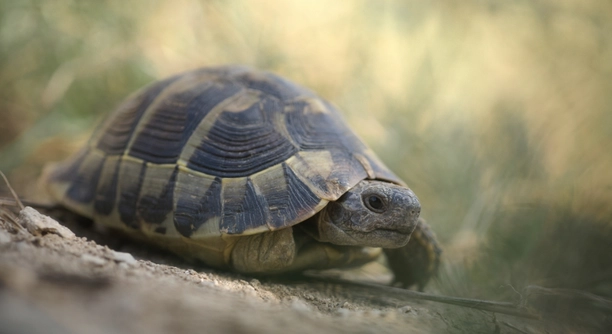
If you own a Hermann’s tortoise, you may notice some unusual behavior. One common action that may worry owners is when a tortoise scrapes its legs. Understanding the reasons behind this behavior is important for their well-being.
Scraping legs in Hermann’s tortoises is typically caused by discomfort, irritation, or stress. This can stem from environmental factors like rough surfaces, improper habitat conditions, or even health issues such as parasites or skin infections.
There are various factors to consider when addressing your tortoise’s behavior. Knowing how to create a comfortable environment and identify health concerns can help you take better care of your pet.
Possible Causes for Scraping Behavior
There are several reasons why your Hermann’s tortoise might be scraping its legs. It’s possible that the surface your tortoise is walking on is too rough. Tortoises often scrape their legs on sharp or uneven surfaces, which can cause discomfort. If your tortoise is frequently on a rough substrate like gravel or rough stones, it could be irritated by the friction. Another possibility is that your tortoise is trying to remove dirt or debris stuck to its legs. Scraping could also be linked to an issue with the environment, such as temperature or humidity being too high or low. A tortoise will sometimes display abnormal behavior if it feels uncomfortable in its surroundings.
The surface where your tortoise roams is very important. Ensure its habitat includes a soft, smooth area for walking.
Temperature and humidity are key factors in your tortoise’s comfort. If not properly balanced, these can cause unnecessary stress and lead to the scraping of legs. Proper habitat conditions are essential for a healthy tortoise.
Health Issues That Could Be Affecting Your Tortoise
In some cases, scraping could be a sign of a health issue. Tortoises can experience skin problems like infections or fungal issues that lead them to scrape or rub their legs. If your tortoise has a skin irritation, it might scrape to relieve the discomfort. Another health concern could be internal parasites, which cause itching and scratching. These parasites can make your tortoise uncomfortable, prompting it to scrape its legs or rub against surfaces. A simple change in diet or exposure to new plants can sometimes trigger these issues. If you notice other signs of illness, such as lack of appetite, lethargy, or abnormal shedding, it’s best to consult a veterinarian to rule out any health concerns.
If your tortoise is experiencing any health problems, it’s important to address them promptly. Seek help from a vet if you suspect infections or parasites.
A thorough check of your tortoise’s skin, behavior, and eating habits will give you a clearer picture. Identifying any unusual changes will allow you to act before things worsen. If health problems persist, a veterinarian’s guidance is crucial.
Environmental Factors Affecting Behavior
Improper habitat conditions are a major factor when it comes to scraping. Temperature and humidity levels must be carefully controlled to keep your tortoise comfortable. If the environment is too hot or too cold, your tortoise will feel stressed and might start scraping its legs. Overly dry or wet conditions can also contribute to discomfort.
Creating an ideal environment for your tortoise is simple but essential. The temperature should be kept between 75°F and 85°F during the day, with a slight drop at night. The humidity should be moderate, and the enclosure should have both dry and moist areas. Providing a mix of smooth surfaces like flat rocks or tiles is best for walking. Avoid rough, jagged materials that could irritate your tortoise’s legs and cause scraping.
In addition to surface materials, the space should be large enough for your tortoise to move freely. Limited space can also cause stress, leading to abnormal behavior. Make sure there are no sharp edges or materials that might cause injury. The more comfortable the environment, the less likely your tortoise will engage in scraping.
The Importance of Proper Diet
A poor diet can directly affect your tortoise’s behavior. A lack of proper nutrients can lead to skin irritation or even weakness in the legs, causing your tortoise to scrape them. Calcium, fiber, and vitamin A are especially important for maintaining healthy skin and muscles. A balanced diet helps prevent health issues like metabolic bone disease, which may result in scraping.
A diet that is rich in leafy greens, grasses, and occasional fruits is ideal for Hermann’s tortoises. Make sure to avoid feeding them too many high-oxalate foods like spinach, as this can interfere with calcium absorption. Additionally, offering tortoise-safe supplements like calcium powder will help maintain proper bone health. Don’t forget to provide fresh water daily and offer variety in their food for balance. Keep in mind that a tortoise’s diet can affect its skin health, which in turn can prevent unnecessary scraping.
If your tortoise is showing signs of scraping, take a closer look at what it’s eating. An improper or imbalanced diet might be contributing to the issue. Adjusting its food intake and adding essential nutrients could help reduce the behavior over time. Be sure to monitor any changes after making adjustments.
Stress and Anxiety in Hermann’s Tortoises
Stress can also be a significant cause of scraping. If your tortoise feels threatened or unsure in its environment, it might exhibit behaviors like leg scraping. This could be due to loud noises, sudden movements, or new animals in its habitat. It’s essential to identify any stress triggers.
Reduce stress by ensuring your tortoise has a quiet, calm space where it can retreat. Keeping a consistent routine, especially in feeding and handling, will help your tortoise feel secure. Avoid frequent changes to its enclosure and provide hiding spots where it can retreat to when feeling anxious.
When to Seek Professional Help
If scraping persists despite environmental adjustments, it’s time to consult a vet. A veterinarian can check for underlying health issues, such as infections or parasites. A professional’s guidance is crucial in making sure your tortoise remains healthy and happy.
Seeking a vet’s advice is always recommended if you notice worsening symptoms. They will perform tests and ensure your tortoise receives the proper treatment. Even if the scraping doesn’t seem serious, a professional can help rule out serious concerns and give you peace of mind.
Preventing Future Scraping Issues
To avoid future scraping problems, make sure your tortoise’s living space is always clean and comfortable. Regularly check the surface material in the enclosure and remove anything that could cause irritation. A proper diet and consistent temperature control will also help reduce unnecessary behavior.
FAQ
Why is my Hermann’s tortoise scraping its legs?
Scraping of the legs is often due to irritation or discomfort. This can happen if your tortoise is walking on rough surfaces or if the environment is not suitable. Stress from changes in habitat or other external factors could also be a reason. Skin infections, parasites, or an improper diet are other potential causes. Monitoring your tortoise’s behavior and checking its environment, diet, and health will help determine the cause.
How can I stop my tortoise from scraping its legs?
To stop scraping, start by ensuring that your tortoise’s enclosure has smooth surfaces for walking. Avoid sharp or rough materials that could cause irritation. Adjust the temperature and humidity to suitable levels. If the issue is stress-related, creating a more secure, quiet environment can help. If health concerns are suspected, take your tortoise to a vet for further evaluation.
What surfaces are safe for my tortoise to walk on?
Smooth, non-abrasive surfaces are ideal for your tortoise. Tiles, flat rocks, or sand can work well as long as they don’t have sharp edges. Avoid rough gravel, wood chips, or anything with a jagged texture. You can also offer a mix of dry and moist areas to promote comfort.
Can poor diet cause scraping?
Yes, a poor diet can contribute to scraping behavior. If your tortoise lacks key nutrients like calcium, vitamin A, or fiber, it can lead to health issues like skin irritation or weakness in the legs. Ensure your tortoise gets a balanced diet that includes leafy greens, grasses, and occasional fruits. Supplements may be needed if the diet is lacking in certain vitamins or minerals.
How do I know if my tortoise is stressed?
Stress in tortoises can manifest in behaviors such as scraping, hiding, or becoming more aggressive. Other signs include lack of appetite, excessive scratching, or trying to escape its enclosure. Environmental changes, handling, loud noises, or the presence of other animals can all cause stress. Observe your tortoise’s behavior closely to identify the stressors.
Is scraping a sign of illness?
Scraping can be a sign of illness, especially if the behavior is accompanied by other symptoms like lethargy, loss of appetite, or abnormal shedding. Skin infections, fungal issues, or internal parasites can lead to discomfort, causing the tortoise to scrape its legs. If you notice other signs of illness, it’s best to consult a veterinarian.
Can I treat my tortoise’s scraping on my own?
If scraping seems mild and you suspect environmental factors, you can make adjustments to its enclosure, diet, and habitat. However, if the scraping persists or there are other concerning symptoms, it’s best to seek professional help. A vet can provide a proper diagnosis and recommend treatment if an underlying health issue is found.
What are the signs of parasites in a tortoise?
Signs of parasites include excessive scratching, loss of appetite, weight loss, lethargy, and changes in behavior. You may also notice abnormal feces or a lack of growth. If you suspect your tortoise has parasites, it’s important to take it to a vet for proper testing and treatment.
How do I keep my tortoise’s skin healthy?
Keeping your tortoise’s skin healthy involves providing a balanced diet, maintaining proper humidity levels, and offering a clean and safe environment. Regularly clean your tortoise’s habitat and avoid rough surfaces. If you notice any signs of skin issues, such as peeling or redness, consult a vet to address it early.
When should I consult a vet for scraping?
If scraping persists despite changes to the environment, or if your tortoise shows signs of illness (e.g., lethargy, poor appetite, or abnormal behavior), it’s important to consult a vet. Early intervention is key to addressing any health problems before they worsen.
Final Thoughts
Understanding why your Hermann’s tortoise is scraping its legs is important in ensuring its well-being. Whether it’s due to environmental factors, diet, or potential health issues, addressing the root cause will help your tortoise feel more comfortable. Scraping can often be a sign of discomfort, so it’s essential to observe any other behaviors your tortoise may exhibit. Making small changes to its habitat, diet, or routine can go a long way in improving its quality of life.
A smooth, clean environment is essential for your tortoise’s health. Providing soft surfaces for your tortoise to walk on and maintaining proper temperature and humidity levels are some of the most effective ways to prevent scraping. Ensure your tortoise’s enclosure is free of sharp materials and that it has enough space to move around. By creating a stress-free environment, your tortoise will be less likely to scrape its legs out of discomfort or anxiety.
In cases where environmental adjustments don’t solve the problem, it’s always a good idea to consult a veterinarian. Health issues such as skin infections, parasites, or even nutrient deficiencies can lead to the scraping of legs. A vet can perform tests to identify any underlying health problems and provide a treatment plan. If your tortoise is scraping due to a health concern, early diagnosis and treatment are essential for a quick recovery. Keep a close eye on your tortoise, and don’t hesitate to seek professional advice if needed.

Hello,
If you enjoy the content that we create, please consider saying a "Thank You!" by leaving a tip.
Every little bit helps us continue crafting quality advice that supports the health, happiness, and well-being of pets around the world, for pets of all shapes, sizes, and species.
We really appreciate the kindness and support that you show us!