
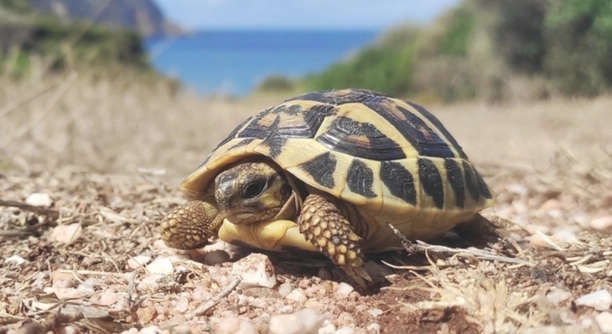
Hermann’s tortoises are wonderful pets, but just like other reptiles, they require proper care to stay healthy. One important aspect of their well-being is making sure they get the right amount of vitamins.
A vitamin deficiency in your Hermann’s tortoise can lead to a variety of health problems. Key signs include poor shell growth, lethargy, and issues with appetite. It’s crucial to monitor their diet closely to avoid these deficiencies.
Addressing these signs early on is essential for your tortoise’s health. With the right care, you can ensure they stay happy and active for years to come.
Lack of Proper Lighting
Hermann’s tortoises need access to proper lighting to maintain their health. UVB light helps them synthesize vitamin D3, which is crucial for calcium absorption. Without the right amount of UVB, your tortoise might not be able to absorb the calcium from its diet, leading to soft shells and weak bones. Exposure to natural sunlight or using a UVB lamp in their enclosure can help prevent this issue. It’s also important to ensure that the light is not too close or too far from them, as either extreme can be harmful.
Poor lighting can directly impact your tortoise’s overall health. Without adequate UVB, your pet could suffer from various deficiencies. Adjusting their environment is one of the first steps you can take to fix this problem.
When setting up their enclosure, place the UVB light at the correct distance according to the manufacturer’s instructions. This ensures they get the appropriate amount of exposure without being harmed. Consider using a timer to mimic natural day-night cycles, which is crucial for maintaining their overall well-being.
Inadequate Diet
Hermann’s tortoises thrive on a varied diet full of nutrients. If they’re not getting the right balance of vitamins, deficiencies are likely to occur. A diet rich in leafy greens, grasses, and certain fruits provides a solid foundation of vitamins. Supplementing their food with calcium or multivitamins might be necessary, especially if they’re not getting all the nutrients they need from their regular meals. Inadequate diet can lead to serious health problems, including metabolic bone disease, poor shell development, and lack of energy.
Their diet needs to be balanced and high in fiber to support their digestive health and vitamin intake. It’s essential to avoid feeding them too many sugary fruits or high-oxalate vegetables, as these can interfere with calcium absorption and cause further imbalances.
Regularly rotating their food helps provide a wide variety of vitamins and minerals. Offering foods like dandelion greens, clover, and even the occasional edible flower gives your tortoise a healthy mix. Always be sure to check the specific nutritional requirements of Hermann’s tortoises to meet their needs properly.
Overuse of Supplements
Over-supplementing can be just as harmful as under-supplementing. If you give your Hermann’s tortoise too many vitamin or calcium supplements, it can throw off their balance. Excess calcium can lead to kidney problems, while too much vitamin D can cause tissue damage.
It’s important to provide supplements only when necessary. If your tortoise is already getting adequate nutrition from its diet, adding extra supplements can cause more harm than good. Always follow the recommended dosage on supplement labels and consult your vet if you’re unsure.
If you think your tortoise might be lacking nutrients, it’s better to adjust its diet first rather than relying on supplements. Too many added nutrients might mask an underlying issue or create new problems. Consider discussing your pet’s dietary needs with a reptile vet to ensure you’re on the right track.
Hydration Issues
A lack of proper hydration can lead to vitamin deficiencies in your Hermann’s tortoise. Dehydration can cause a loss of appetite and energy, affecting their ability to process nutrients. Regular access to fresh water is essential for maintaining hydration.
Hydration also affects their digestive system, which plays a significant role in absorbing nutrients. Without proper hydration, your tortoise’s metabolism may slow down, leading to poor absorption of vitamins from food. Make sure their water is always clean and easily accessible.
Additionally, soaking your tortoise in shallow water a few times a week can help keep them hydrated, especially if they’re not drinking enough on their own. When offering water, make sure it’s not too deep or too cold, as this can cause stress.
Stress or Illness
Stress or illness can cause a tortoise to lose its appetite, making it harder for them to get the vitamins they need. A stressed tortoise may become lethargic, avoiding food or water. Identifying the cause of the stress, such as environmental changes, can help in preventing vitamin deficiencies.
If your tortoise is showing signs of stress, check their environment for possible triggers. Loud noises, changes in temperature, or even the presence of other animals can cause distress. It’s important to create a calm, safe space for your tortoise to feel secure and thrive.
If stress is prolonged or they show signs of illness, seek advice from a vet. Early intervention is crucial to prevent vitamin deficiencies and other health issues.
Poor Shell Condition
A tortoise’s shell condition can reflect their overall health. If their shell looks soft, deformed, or has visible cracks, it could indicate a calcium deficiency. This is often caused by an inadequate diet or insufficient UVB light.
Calcium is necessary for the development of a strong shell, and without it, your tortoise may develop metabolic bone disease. Providing a diet with calcium-rich foods and ensuring proper UVB exposure are key to preventing this condition. Additionally, a calcium supplement may be necessary to support your tortoise’s health.
FAQ
How can I tell if my Hermann’s tortoise has a vitamin deficiency?
Signs of a vitamin deficiency in your tortoise can vary, but common symptoms include lethargy, poor appetite, soft or deformed shells, and issues with movement. If you notice your tortoise is eating less, seems weak, or has trouble moving, it could be due to a lack of essential vitamins like Vitamin A, D, or calcium. Shell abnormalities such as soft spots or cracks are particularly concerning, indicating potential calcium or Vitamin D3 deficiencies. Keep a close eye on their behavior and shell condition as early signs can help prevent serious health issues.
Can I give my Hermann’s tortoise human vitamin supplements?
It’s not advisable to give your tortoise human vitamin supplements. The vitamins in human supplements are not designed for reptiles and may not be absorbed properly. In fact, giving your tortoise the wrong type of supplements can lead to toxicity or imbalances, causing more harm than good. Stick to reptile-specific supplements that are formulated for their needs. Always consult a vet before adding any supplements to their diet to ensure you’re providing the right balance.
How often should I provide UVB lighting for my Hermann’s tortoise?
UVB lighting should be provided for 10-12 hours a day, mimicking natural sunlight cycles. It’s best to use a timer to regulate the lighting schedule and ensure consistency. UVB is essential for synthesizing Vitamin D3, which is crucial for calcium absorption. Without enough UVB exposure, your tortoise may develop shell deformities or other bone issues. Make sure the UVB bulb is not too old, as its effectiveness decreases over time. If possible, provide them with some natural sunlight exposure as well, but never directly under the sun for long periods without proper shade.
How can I make sure my Hermann’s tortoise is getting enough calcium?
To ensure your tortoise is getting enough calcium, include calcium-rich foods in their diet, such as dark leafy greens like collard greens, dandelion leaves, and clover. You can also provide calcium supplements in the form of a powder, which can be dusted onto their food. Another option is to provide cuttlebone or calcium blocks in their enclosure, allowing them to nibble when needed. Be mindful not to over-supplement, as excess calcium can cause other issues, such as kidney problems.
What should I do if my Hermann’s tortoise is not eating?
If your tortoise refuses food, it may be a sign of stress, illness, or a vitamin deficiency. First, check for stressors in their environment, such as temperature fluctuations, loud noises, or changes in their habitat. If their environment seems stable, consider the possibility of a health issue. A loss of appetite could be a sign of dehydration or a calcium deficiency. You may need to offer food in different ways, such as soaking their food or offering a variety of greens and fruits. If the lack of appetite persists, consult a vet.
Can I give my tortoise fruit every day?
While fruit can be offered occasionally, it should not make up the bulk of your tortoise’s diet. Hermann’s tortoises are primarily herbivores and need a high-fiber, low-sugar diet. Offering fruit too frequently can lead to digestive problems, obesity, or interfere with calcium absorption. Instead, focus on leafy greens and grasses, which are more suitable for their digestive system. If you do offer fruit, limit it to small amounts and make sure it is safe for tortoises, such as strawberries, papaya, or melon.
How much should I feed my Hermann’s tortoise?
The amount you feed your tortoise depends on its size, age, and activity level. In general, adult tortoises should have food available throughout the day, while juveniles need more frequent feedings. A good guideline is to offer food until they have eaten their fill, ensuring they have a balanced mix of leafy greens, grasses, and occasional fruits. Avoid overfeeding and monitor their weight to make sure they’re not becoming overweight. If you’re unsure about the proper portions, a reptile vet can provide tailored advice.
What can I do to improve my tortoise’s hydration?
To improve hydration, make sure your tortoise has access to fresh water at all times. If they’re not drinking enough, you can soak them in shallow, lukewarm water for about 15-20 minutes a few times a week. This helps them absorb moisture through their skin and aids in digestion. Offering moist foods, such as leafy greens with high water content, can also help keep them hydrated. Be sure to monitor their hydration levels, as dehydration can lead to digestive issues and impact their overall health.
Is it necessary to supplement my tortoise’s diet with vitamins?
Supplementing your Hermann’s tortoise’s diet with vitamins may be necessary if they are not getting enough from their food. For example, a Vitamin A deficiency can result in eye problems or skin shedding issues. However, before adding supplements, ensure that your tortoise is eating a varied and balanced diet. Excessive supplementation can lead to toxicity, so it’s important to only use supplements when advised by a veterinarian. A reptile vet can help assess your tortoise’s diet and suggest appropriate supplements if needed.
What is the best temperature range for my Hermann’s tortoise?
Hermann’s tortoises thrive in a warm environment, with a basking area temperature around 90-95°F (32-35°C) and a cooler side of the enclosure between 70-75°F (21-24°C). The temperature should not drop below 60°F (15°C) as this can cause your tortoise to become sluggish or ill. Proper temperature control is essential for digestion, metabolism, and overall health. A heat lamp and a thermometer can help maintain the correct temperature range. It’s also important to provide a nighttime drop in temperature to mimic natural conditions, which helps regulate their circadian rhythm.
Final Thoughts
Taking care of a Hermann’s tortoise requires attention to detail, especially when it comes to their diet, lighting, and overall health. A vitamin deficiency can cause several problems for your tortoise, including poor shell growth, lack of energy, and more serious issues like metabolic bone disease. By ensuring they have a balanced diet, proper UVB lighting, and the right environment, you can help your tortoise stay healthy and avoid these deficiencies. Regular monitoring of your pet’s behavior and shell condition can help you identify problems early before they become more severe.
It’s important to remember that each tortoise is different, and their needs may vary depending on factors like age, size, and activity level. Some may require additional calcium or vitamins if their diet isn’t fully meeting their nutritional needs. Supplements can help, but they should always be used carefully and under the guidance of a veterinarian. Over-supplementing can cause problems, so the goal should always be to provide a balanced, natural diet that meets your tortoise’s needs without excess. Pay attention to any changes in behavior, eating habits, or physical appearance, as these can be signs that something is wrong.
Ultimately, the health of your Hermann’s tortoise relies on a well-rounded approach to care. This includes providing the right food, keeping their living space clean and appropriately lit, and being vigilant for any signs of illness or deficiency. With proper care, your tortoise can thrive and live a long, happy life. Don’t hesitate to seek professional advice if you’re unsure about your tortoise’s health or diet. Early intervention and the right care can make a significant difference in keeping your tortoise healthy and active for many years.

Hello,
If you enjoy the content that we create, please consider saying a "Thank You!" by leaving a tip.
Every little bit helps us continue crafting quality advice that supports the health, happiness, and well-being of pets around the world, for pets of all shapes, sizes, and species.
We really appreciate the kindness and support that you show us!