
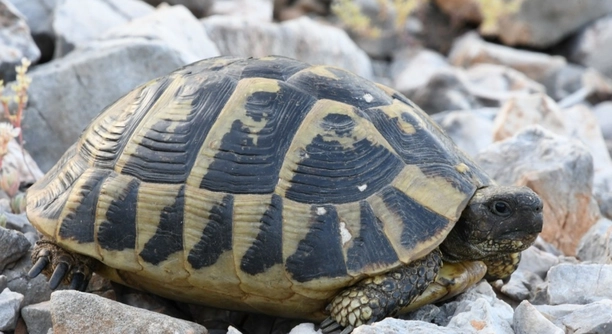
Hermann’s tortoises are known for their playful behavior, but if you’ve noticed your tortoise digging at night, you may be wondering why. Understanding this nighttime habit can help improve your tortoise’s well-being and prevent unnecessary stress.
The most common reason why your Hermann’s tortoise digs at night is due to their natural instincts. Tortoises dig for shelter, security, or to create a suitable environment for hibernation or nesting. These behaviors are deeply rooted in their survival instincts.
Recognizing these underlying causes can help you create a better environment for your pet. By addressing their needs, you can make sure your Hermann’s tortoise is comfortable and safe in their habitat.
Natural Behavior of Hermann’s Tortoises
Hermann’s tortoises, like many reptiles, are instinctively drawn to dig. This digging behavior is a natural part of their survival tactics. In the wild, they dig to find shelter, protect themselves from predators, or create a safe space for laying eggs. Your tortoise’s digging habits may be rooted in these basic instincts. Even in captivity, these needs remain strong. They often dig to mimic these behaviors when they feel insecure or are searching for a comfortable resting place. This is perfectly normal, but you may want to watch for signs of stress or discomfort. A well-kept, secure habitat can reduce excessive digging and provide your tortoise with the safety they crave.
Digging may also be a sign that your tortoise is preparing for sleep. Tortoises often dig to make their environment more suitable for rest, such as cooling down or finding a hidden spot. Understanding this can help reduce your concern and allow you to make adjustments to their habitat if needed.
Creating a proper environment with enough space, hiding spots, and temperature control can reduce the urge for your tortoise to dig excessively. Pay attention to any changes in their behavior, as that might indicate they are adjusting to new surroundings. Their digging might lessen as they become more familiar with their home and feel safe enough to rest.
Temperature and Humidity
One major reason your tortoise digs could be due to temperature or humidity issues in its environment. Hermann’s tortoises require specific conditions to thrive, including proper heat and humidity levels. If they feel too hot or cold, they may start digging to escape uncomfortable conditions. It’s important to maintain a temperature gradient within their enclosure, offering a warm area and a cooler area for them to choose from. Ensuring your tortoise has the right humidity levels will also help prevent unnecessary digging as they seek moisture. A consistent environment is key to reducing stress, which might otherwise encourage them to dig.
Temperature fluctuations can make your tortoise uneasy. These reptiles have a narrow comfort zone, and if their habitat isn’t ideal, they may dig in an attempt to find a more suitable environment. Proper heat sources like ceramic bulbs or heat mats can help provide a stable, warm area for your tortoise to feel safe. Consider investing in a thermometer and a hygrometer to accurately monitor temperature and humidity.
When adjusting the environment, try not to overheat the area, as it can be harmful. At the same time, ensure the cooler area isn’t too cold. This balance will allow your Hermann’s tortoise to feel at ease and prevent the unnecessary digging behavior that comes with discomfort.
Stress and Anxiety
Stress can also play a big role in your tortoise’s digging. Changes in their environment, such as loud noises, new pets, or unfamiliar people, can cause anxiety. When stressed, tortoises often dig as a way to cope. It’s their way of seeking comfort and security in a place that feels safe.
If your tortoise is digging more frequently, consider the factors in its environment that could be causing stress. Removing unnecessary distractions, like bright lights or loud sounds, can help create a peaceful setting. Additionally, maintaining a consistent routine can give your tortoise a sense of stability and reduce anxiety-driven behaviors.
Take note of any recent changes that might be affecting your tortoise. If they are interacting with new pets or people, it could trigger stress. Giving them quiet, undisturbed space to adjust might help alleviate the digging. A calm, predictable environment will benefit your tortoise’s well-being in the long run.
Diet and Digging
What your tortoise eats can also affect their behavior, including digging. If your tortoise is not getting the right nutrients or is feeling hungry, it may dig in search of food. Tortoises may dig in their enclosure when they’re hungry, hoping to uncover something to eat. A balanced, varied diet can prevent this.
Make sure your tortoise is eating enough, and ensure that its diet is rich in fiber. Providing a mix of fresh leafy greens, grasses, and occasional fruits will meet their nutritional needs. It’s important to avoid feeding them too much protein, as this can upset their digestive system. A full stomach often reduces the urge to dig in search of food.
Sometimes, tortoises will also dig because they have become accustomed to a certain feeding schedule or type of food. If your tortoise has been digging more than usual, it might be time to evaluate what they are being fed. A shift in their diet could stop this behavior.
Space and Habitat Size
Tortoises need enough space to roam and explore. If their enclosure is too small, they may start digging to look for more room. Overcrowding can also cause frustration, making your tortoise feel trapped. A spacious environment allows them to exhibit natural behaviors and reduces stress.
A cramped habitat can lead to excessive digging as your tortoise seeks more freedom. Providing a larger space where they can move around comfortably encourages physical activity and mental stimulation. Consider upgrading their enclosure to match their size and activity needs. The more room they have, the less they’ll dig.
Natural Instincts
Hermann’s tortoises, like many reptiles, have deep-rooted instincts that drive them to dig. In the wild, they dig to create shelters and find secure resting spots. Even in captivity, these instincts remain strong. Digging is their way of feeling safe and comfortable in their environment.
Recreating a natural habitat for your tortoise may reduce unnecessary digging. Include hiding spots and safe areas where your tortoise can retreat when it feels threatened. These additions allow your pet to exhibit its natural behaviors without the constant need to dig for protection or comfort.
Age and Life Stage
Age plays a significant role in tortoise behavior. Younger tortoises may dig more as they explore their environment, while older tortoises may dig to prepare for hibernation. The digging can also be related to reproductive behaviors in adult tortoises.
As your tortoise ages, its needs may change. Providing a suitable space for hibernation or breeding will allow your tortoise to engage in these behaviors naturally, without causing harm or stress. Keeping their life stage in mind helps in adjusting the environment and reducing unnecessary digging.
FAQ
Why is my Hermann’s tortoise digging so much at night?
Hermann’s tortoises dig at night for a few reasons. One common cause is their instinct to seek shelter and security. In the wild, they dig to find a safe place to rest or hide from predators. Even in captivity, this instinct remains strong, and your tortoise may dig when it feels insecure or unsettled. Another reason could be related to temperature or humidity issues in the enclosure, which might make your tortoise uncomfortable, causing it to dig in search of a more suitable environment. Lastly, your tortoise may be digging due to stress, anxiety, or changes in its environment.
How can I reduce my tortoise’s digging behavior?
To reduce digging, first ensure your tortoise’s environment is suitable. Check the temperature, humidity, and the size of the enclosure. A comfortable habitat with proper heating, cooling, and moisture levels will make your tortoise feel safe and secure. You can also add hiding spots or provide a deeper substrate to allow your tortoise to burrow in a natural way without feeling the need to dig excessively. Regularly monitor your tortoise’s diet and make sure it has enough space to move around. If the digging continues, it could be a sign that something in its environment is off, and further adjustments may be needed.
Is it normal for my tortoise to dig during the day?
While it’s more common for tortoises to dig at night, daytime digging can still happen, especially if your tortoise is feeling stressed or seeking attention. Tortoises may also dig during the day to create a more comfortable resting place. If your tortoise is digging during the day, consider whether there are any changes in its routine, diet, or environment that might be causing this behavior. Ensuring it has a balanced diet, plenty of space, and hiding spots can help reduce daytime digging.
How deep should the substrate be for my tortoise?
The substrate should be deep enough to allow your tortoise to engage in natural digging behaviors, but not so deep that it becomes unsafe. A depth of about 3 to 4 inches is usually sufficient for Hermann’s tortoises. If you want to encourage burrowing, you can use a mix of soil, sand, and organic matter to create a more natural environment. This will provide a surface that allows them to dig comfortably, but make sure the substrate isn’t too deep, as it could lead to burrowing that may become difficult to manage or cause potential injury.
Can my tortoise’s diet affect its digging?
Yes, diet plays a role in digging behavior. If your tortoise is not getting enough food, especially fiber, it might dig in search of more nutrients. A balanced diet rich in leafy greens, grasses, and some fruits can help prevent hunger-driven digging. Ensure your tortoise is fed regularly with the right mix of vegetables and grasses. Overfeeding, however, can also lead to other health issues, so maintaining a proper feeding schedule is key to reducing unwanted digging behavior.
Does digging mean my tortoise is sick?
Digging does not automatically mean that your tortoise is sick. However, if the digging seems excessive, it could be a sign of discomfort or an underlying health issue. For example, if your tortoise is digging to avoid light or seeking cooler temperatures, it might have a health problem related to temperature regulation or parasites. If the behavior persists or if other signs, like lethargy or changes in eating habits, appear, it’s best to consult a veterinarian to rule out health concerns.
How can I make my tortoise feel secure?
To make your tortoise feel more secure, start by ensuring its habitat is stable and consistent. Tortoises thrive in environments that mimic their natural surroundings. Provide hiding spots, safe resting areas, and make sure the temperature and humidity levels are appropriate. Avoid sudden changes in their routine, such as moving their enclosure or introducing new pets or people too quickly. A stable, predictable environment helps reduce stress and allows your tortoise to feel comfortable and safe, minimizing its need to dig excessively.
Why is my tortoise digging and not eating?
If your tortoise is digging and not eating, it may be stressed, uncomfortable, or feeling unwell. Stress from environmental changes, like a new pet or habitat adjustment, can cause loss of appetite and excessive digging. Additionally, temperature and humidity problems could make it difficult for your tortoise to regulate its body temperature, affecting its eating habits. Check for any signs of illness, such as weight loss or unusual behavior, and ensure that your tortoise’s habitat is comfortable. If the behavior continues, consult a veterinarian.
How often should I check my tortoise’s environment?
It’s a good idea to check your tortoise’s environment regularly, at least once a week. Monitor the temperature, humidity, and cleanliness of the enclosure. Make sure the lighting and heating systems are functioning properly. Regular checks ensure that the habitat remains consistent and safe, preventing any issues that might trigger digging behavior. Additionally, check your tortoise’s health and behavior regularly to make sure there are no underlying concerns that need to be addressed.
Can a tortoise be bored enough to dig?
Yes, boredom can lead to excessive digging. Tortoises are curious creatures that need plenty of stimulation. Without enough space to explore, they may start digging as a way to entertain themselves or relieve stress. To prevent boredom, ensure your tortoise has a variety of things to do in its habitat. Add objects for them to climb over, hide behind, or move around. Providing different textures or types of vegetation will also keep them engaged and help reduce excessive digging behavior.
Final Thoughts
Digging is a natural and instinctive behavior for Hermann’s tortoises. It’s important to remember that this behavior isn’t always a sign of something wrong. Tortoises dig for many reasons, including finding a comfortable resting place, escaping discomfort, or seeking a safe environment. Understanding the root causes of this behavior can help you create a more suitable environment for your pet. Ensuring that their habitat is large enough, has proper temperature and humidity, and includes areas to hide or burrow will reduce unnecessary digging.
If your tortoise’s digging becomes excessive, it could indicate that something in its environment isn’t right. Stress, anxiety, or changes in routine can lead to digging as a way to cope. It’s essential to keep track of any environmental changes, such as loud noises, new pets, or shifts in the feeding schedule, as these can trigger anxiety in your tortoise. By maintaining a consistent, calm environment, you can help your tortoise feel secure and reduce the need for digging. A well-balanced diet and proper care will also make your tortoise feel more comfortable in its space.
Ultimately, while digging is part of your tortoise’s natural behavior, it’s important to be observant and address any concerns if the behavior becomes excessive or unusual. Keeping a close eye on their habits, environment, and health will help you create a happy, stress-free habitat for your pet. With the right adjustments, your tortoise can feel safe, secure, and content, reducing its need to dig excessively and allowing it to thrive.

Hello,
If you enjoy the content that we create, please consider saying a "Thank You!" by leaving a tip.
Every little bit helps us continue crafting quality advice that supports the health, happiness, and well-being of pets around the world, for pets of all shapes, sizes, and species.
We really appreciate the kindness and support that you show us!