
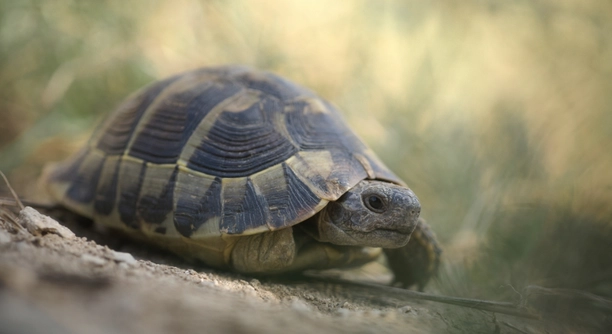
Hermann’s tortoises are known for their unique behaviors, including biting at their own shells. This action can seem puzzling, but understanding the causes can help ensure the tortoise remains healthy and happy in its environment.
The primary reason for a Hermann’s tortoise biting its own shell is often related to stress or discomfort. It could also stem from an underlying medical condition or improper care, such as inadequate humidity, temperature, or nutrition that affects the tortoise’s well-being.
Recognizing the causes behind this behavior is essential for addressing the issue and promoting your tortoise’s overall health.
Understanding Stress and Anxiety in Hermann’s Tortoise
Stress is one of the main reasons a Hermann’s tortoise might start biting its own shell. Changes in its environment, such as noise, temperature fluctuations, or even the introduction of new animals, can cause significant stress. Tortoises are creatures of habit and thrive in stable environments. When they feel threatened or uncomfortable, they might resort to unusual behaviors like shell biting as a response to their unease.
Stress can also be caused by improper enclosure size. A cramped space makes it difficult for the tortoise to move around and establish its territory, leading to anxiety. Overcrowding with other tortoises or animals in the same enclosure is another major contributor to stress. The best way to reduce stress is by ensuring the enclosure is appropriately sized, quiet, and free from sudden disturbances.
Addressing these stressors quickly can prevent further behavioral issues. Creating a peaceful environment with proper heating, lighting, and space will keep your tortoise comfortable and less likely to bite its shell. The stability of its surroundings plays a crucial role in its mental and physical health.
Temperature and Humidity Matters
Proper temperature and humidity are crucial to a Hermann’s tortoise’s health.
If the enclosure’s temperature or humidity levels are inconsistent, the tortoise might feel stressed or even develop physical discomfort. Without the right balance, the tortoise may not be able to regulate its body temperature effectively. This can lead to behaviors like shell biting. The ideal temperature range for a Hermann’s tortoise is between 75°F and 85°F, with a basking area reaching 90°F. Humidity should be kept at 40-60%. Regular monitoring of these factors will ensure a comfortable environment for your tortoise.
Improper Diet and Nutrition
A poor diet can contribute to a tortoise biting its own shell. If the food provided lacks essential nutrients, your tortoise may feel unwell or become frustrated. Shell biting can be a way of expressing discomfort.
Shell biting often indicates a deficiency in calcium or other important minerals. A tortoise requires a diet rich in leafy greens, calcium supplements, and occasional protein. Lack of calcium can affect shell growth and health, leading to discomfort. Regularly providing the right foods and supplements ensures that your tortoise’s nutritional needs are met, helping prevent behavior like shell biting.
In addition to calcium, tortoises need a variety of foods, including grasses, flowers, and vegetables. Avoid feeding them too many fruits or foods that are too high in protein, as this can cause health problems. An unbalanced diet contributes to stress, making them more likely to engage in abnormal behaviors.
Shell Health and Mites
Sometimes, the cause of shell biting is directly related to shell health.
If your tortoise has a mite infestation or a fungal infection, it may bite its shell in response to irritation. Mites can cause itching and discomfort, leading to unusual behaviors as your tortoise tries to alleviate the feeling. Regularly check your tortoise’s shell for signs of damage or parasites.
Proper cleaning and care of your tortoise’s shell can help prevent these issues. If you notice small spots, crusting, or unusual bumps on the shell, it’s crucial to act quickly. If left untreated, these conditions could worsen, leading to more severe health issues. Consulting a veterinarian ensures your tortoise receives the right treatment for shell-related problems.
Boredom and Lack of Stimulation
A lack of stimulation can lead to behavioral problems, including shell biting. Tortoises need more than just food and water; they require mental and physical activity to stay healthy. Without enough stimulation, they may start to display odd behaviors.
If a tortoise is not provided with enrichment activities, like exploring new areas or climbing over obstacles, it may resort to biting its shell as a way to cope with boredom. Enrichment, such as different textures to explore or safe, new areas to roam, can help prevent such behaviors.
Improper Handling and Stress
Improper handling can be a significant stress factor for a tortoise.
When a tortoise is handled too roughly or too often, it can feel threatened, leading to heightened stress. Stress can manifest in behaviors like shell biting. Always handle your tortoise gently and minimally to avoid causing harm.
Tortoises need to feel safe and secure in their environment. A stable routine with limited interference allows them to feel comfortable and reduces the likelihood of stress-induced behaviors. If your tortoise is constantly handled or placed in uncomfortable situations, this can increase stress and cause shell biting.
FAQ
Why is my Hermann’s tortoise biting its own shell?
Shell biting can stem from several factors, including stress, discomfort, or environmental issues. If the tortoise is feeling anxious due to changes in its habitat or an overcrowded enclosure, it might begin this behavior. Additionally, a poor diet, lack of nutrients like calcium, or even underlying health problems can lead to shell biting as a response to discomfort.
How can I reduce stress in my Hermann’s tortoise?
To reduce stress, ensure the tortoise’s environment is stable and calm. Avoid loud noises, sudden temperature changes, and overcrowding in the enclosure. Providing hiding spots, safe spaces, and plenty of room to roam can help create a more comfortable environment. Regular routines also help to minimize stress.
Could a poor diet cause my tortoise to bite its shell?
Yes, a poor diet is one of the main reasons for shell biting. If your tortoise isn’t getting the right balance of nutrients, such as calcium, it may experience discomfort or weakness. Offering a varied diet, including leafy greens and calcium-rich foods, will help maintain your tortoise’s health and prevent behaviors like shell biting.
What should I do if my tortoise has mites on its shell?
If your tortoise has mites, you must address the problem immediately. Mites can irritate the skin and cause discomfort, leading to behaviors like shell biting. Consult a veterinarian for proper treatment. You can also clean your tortoise’s shell regularly and use mite treatments that are safe for reptiles.
Can the temperature or humidity affect my tortoise’s behavior?
Yes, temperature and humidity levels directly impact your tortoise’s behavior. Hermann’s tortoises need a temperature range of 75°F to 85°F with a basking area of about 90°F. Humidity should be kept at 40-60%. Incorrect levels can cause stress or health problems, making your tortoise more likely to engage in abnormal behaviors like shell biting.
How often should I feed my Hermann’s tortoise?
Hermann’s tortoises should be fed every other day. Their diet should consist mainly of leafy greens, grasses, and vegetables. Occasionally, you can provide a small amount of fruit or protein, but these should not make up the bulk of their diet. Overfeeding can lead to health problems, including shell issues.
Is it normal for a Hermann’s tortoise to bite its shell occasionally?
Occasional biting might not always be cause for concern. However, if the behavior becomes frequent or intense, it’s a sign that something is wrong. Stress, discomfort, poor diet, or health problems could be contributing factors. Monitoring your tortoise and adjusting its environment can help address this issue.
Should I take my tortoise to a vet for shell biting?
If your tortoise’s shell biting becomes frequent or is accompanied by other signs of distress, it’s best to consult a veterinarian. A vet can examine your tortoise for any underlying health issues, including infections, nutritional deficiencies, or parasitic infestations, and offer treatment or advice.
Can handling my tortoise too much cause it to bite its shell?
Yes, excessive handling can stress a tortoise, causing it to feel unsafe and leading to behaviors like shell biting. Tortoises are sensitive animals that prefer stability. Overhandling can disturb them and cause anxiety. Handling should be minimal and gentle to avoid stressing the tortoise.
How can I keep my tortoise’s shell healthy?
A healthy shell is maintained through proper nutrition, regular bathing, and a clean, dry environment. Make sure your tortoise’s diet is rich in calcium and vitamins. Provide a warm basking area, and clean the shell regularly to prevent dirt buildup and possible infections. Regular vet checkups are also essential.
Why is my tortoise’s shell biting behavior increasing?
If the shell biting behavior increases, it could indicate deeper issues such as stress, health problems, or an imbalanced diet. It’s essential to assess environmental factors like temperature, humidity, and handling. Ensure your tortoise’s living conditions are suitable and consult a vet if the behavior continues to escalate.
Can boredom make my tortoise bite its shell?
Yes, boredom is a common cause of shell biting. Tortoises need mental stimulation and physical activity to stay healthy. Without adequate enrichment, they can become restless and engage in behaviors like shell biting. Providing safe spaces to explore, climbing structures, or hiding spots can alleviate boredom and prevent such behavior.
Final Thoughts
Addressing the behavior of shell biting in Hermann’s tortoises requires attention to several factors. If your tortoise is displaying this behavior, it’s crucial to evaluate its diet, living conditions, and overall health. A lack of essential nutrients, such as calcium, can lead to discomfort, making shell biting a way for the tortoise to express its distress. Providing a balanced diet with plenty of leafy greens and calcium-rich foods can help prevent nutritional deficiencies that may lead to this issue. It’s important to monitor what your tortoise eats and ensure its diet supports its well-being.
Additionally, stress and boredom can be significant contributors to shell biting. Tortoises need a stable environment with minimal disruptions. Excessive handling or environmental changes can cause anxiety, which may lead to unusual behaviors. By creating a secure habitat with proper temperature and humidity levels, you help reduce stress. Offering enrichment activities like climbing structures, hiding spots, and safe exploration areas can keep your tortoise engaged and reduce the likelihood of it resorting to shell biting as a way to cope with boredom. Stress reduction plays a vital role in improving your tortoise’s behavior.
Finally, regular monitoring of your tortoise’s health is essential. If shell biting persists despite improving diet and environment, it’s important to consult a veterinarian. A vet can check for any underlying health problems, such as parasitic infections or shell diseases, that could be causing discomfort. Regular checkups ensure that your tortoise remains in good health and that any potential issues are addressed promptly. By providing a balanced diet, a stable environment, and proper health care, you can help your Hermann’s tortoise live a happy and healthy life, free from behaviors like shell biting.

Hello,
If you enjoy the content that we create, please consider saying a "Thank You!" by leaving a tip.
Every little bit helps us continue crafting quality advice that supports the health, happiness, and well-being of pets around the world, for pets of all shapes, sizes, and species.
We really appreciate the kindness and support that you show us!