
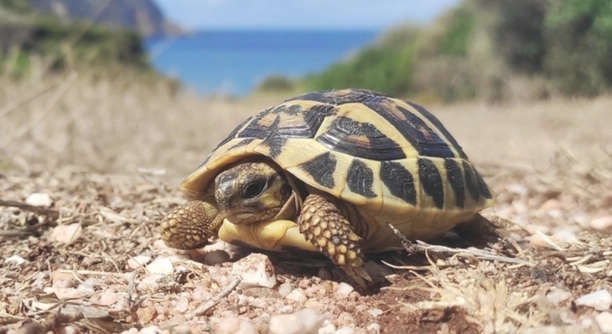
Hermann’s tortoises are known for their curiosity and unique behaviors, such as trying to climb walls. This might raise concerns for owners, as it can be puzzling to understand why this behavior occurs.
Hermann’s tortoises often attempt to climb walls due to stress, boredom, or an attempt to find a better environment. This behavior may also be triggered by a lack of space, insufficient stimulation, or improper habitat conditions.
Addressing these factors can help create a more comfortable environment for your tortoise. Understanding the root causes will improve its well-being and reduce unwanted behaviors.
Why Is My Hermann’s Tortoise Climbing the Walls?
Climbing is a natural behavior for Hermann’s tortoises, but when they start scaling walls, it can be a sign of discomfort or an unmet need. Tortoises are not usually climbers, so when they attempt to climb, it suggests there is something missing in their environment. These tortoises are often searching for more space or better conditions. If their enclosure is too small or lacks appropriate enrichment, they may resort to this behavior as a way to escape. It’s important to consider their habitat and the balance of elements like temperature, lighting, and space.
Overcrowding and lack of stimulation can lead to climbing as a means of coping with stress. Tortoises are curious creatures and need enough space to explore. A small enclosure can lead to frustration, causing them to climb the walls in search of freedom or a better environment. Ensuring your tortoise has enough room to roam and access to different environments can help prevent this behavior.
Providing more space and stimulation is key to creating a stress-free environment for your tortoise. Additionally, check the habitat conditions and make adjustments if necessary to keep them comfortable and healthy.
Habitat Conditions and Their Effect
The setup of your tortoise’s habitat plays a major role in their behavior. When their environment is inadequate, they may become restless. Hermann’s tortoises require specific conditions to feel secure, such as proper lighting and heat sources. Without these elements, they may become anxious and try to escape. A lack of a suitable hiding spot can also make them feel vulnerable, prompting them to climb.
Along with temperature and lighting, the type of substrate used in the enclosure can affect their comfort. Using the right materials can encourage natural behaviors like digging or foraging, which can prevent boredom. Additionally, having multiple areas for the tortoise to explore helps them avoid repetitive actions like wall climbing. It’s essential to regularly assess the enclosure for improvements to ensure the environment remains suitable for your tortoise’s needs. A more naturalistic setup with plants, rocks, or a varied landscape can make all the difference in reducing stress-related behaviors.
Checking these factors and making the necessary adjustments can greatly improve your tortoise’s well-being. A suitable habitat is key to preventing climbing and promoting healthy activity.
Stress and Anxiety
Stress is a common reason for a tortoise to climb walls. Any changes in their environment or routine can trigger anxiety. Loud noises, the presence of other animals, or even a change in temperature can cause a tortoise to feel unsettled. This anxiety may lead to climbing as a response to try and escape their uncomfortable situation.
Stress and anxiety can also come from improper handling. If a tortoise is frequently moved or disturbed, it may become fearful and begin climbing. Additionally, it is important to avoid overcrowding their enclosure. Too many tortoises in one space can lead to stress, prompting them to look for a way out. Providing a stable environment with minimal disruptions will help your tortoise feel more secure.
Addressing sources of anxiety and ensuring that your tortoise’s needs are met will greatly reduce climbing behavior. It’s crucial to provide a calm and consistent environment for your tortoise to thrive in.
Boredom and Lack of Stimulation
Boredom is another major factor behind climbing. Tortoises are naturally curious and need mental stimulation. If their environment lacks things to explore or interact with, they may resort to climbing to entertain themselves. Adding various items like rocks, plants, or logs to their habitat can help keep them engaged and less likely to seek escape.
A simple way to alleviate boredom is by providing activities that mimic their natural behavior. Tortoises enjoy digging, climbing, and foraging. By creating a habitat that encourages these behaviors, you can reduce the likelihood of climbing. It’s also important to vary the setup occasionally, so your tortoise always has new things to explore.
Keeping a tortoise mentally and physically stimulated is essential. With more engaging surroundings, climbing behavior can be minimized, helping your tortoise lead a happier and healthier life.
Incorrect Temperature or Lighting
Tortoises need specific temperature and lighting conditions to feel comfortable. Without these elements, they may try to climb to find a more suitable environment. If the basking spot is too cold or too hot, it can lead to discomfort and unusual behavior like wall climbing.
Having a reliable heat source and UVB lighting is crucial for your tortoise’s health. Without proper lighting, they may feel disoriented and stressed. Ensure the temperature gradient within the enclosure allows your tortoise to move between warmer and cooler areas as needed. If these conditions are not met, climbing could result.
Maintaining the right temperature and light levels ensures that your tortoise can regulate its body temperature properly and reduces the likelihood of stress-related behavior.
Space Limitations
If your tortoise’s enclosure is too small, it can feel cramped, leading to climbing. Hermann’s tortoises need space to roam freely. A small space often results in frustration, and they may begin looking for ways to escape, including climbing walls.
A larger enclosure with enough room for movement helps prevent this. Make sure there are plenty of hiding spots and areas to explore. Providing enough space encourages natural behaviors, helping your tortoise stay healthy and comfortable.
Lack of Hiding Spots
Tortoises like to have areas where they can retreat and feel safe. If their enclosure lacks hiding spots, they may feel exposed and stressed. Adding small shelters or areas to hide can provide a sense of security.
FAQ
Why is my Hermann’s tortoise climbing the walls?
Climbing is often a sign of stress, boredom, or an improper environment. Tortoises may climb to escape a cramped, uncomfortable space or due to lack of stimulation. It can also indicate incorrect temperature or lighting conditions. Addressing these factors can help reduce the climbing behavior.
How can I stop my Hermann’s tortoise from climbing?
To stop the climbing behavior, first check the size and layout of your tortoise’s enclosure. It should be large enough for them to move freely and explore. Ensure the habitat has enough enrichment, such as rocks, plants, and hiding spots. Temperature and lighting should also be optimal. Regularly changing the environment and keeping it stable will help reduce the desire to climb.
Is it normal for my tortoise to try to climb the walls?
It is not uncommon for tortoises to try to climb if their environment is not ideal. Climbing is a sign that something in their habitat is not meeting their needs. The behavior becomes more frequent when they are stressed or bored.
How much space does a Hermann’s tortoise need in its enclosure?
A Hermann’s tortoise needs plenty of space to roam and explore. A minimum of 4 square feet for one adult tortoise is recommended, but more space is better. Larger enclosures provide more opportunities for natural behavior, reducing stress and climbing. It is important to avoid overcrowding.
What temperature should I maintain for my Hermann’s tortoise?
Hermann’s tortoises require a temperature gradient in their enclosure. The basking area should be between 85°F to 90°F, while the cooler side should be around 70°F to 75°F. This allows the tortoise to regulate its body temperature as needed. The nighttime temperature should not fall below 65°F.
Why is my tortoise climbing even though I’ve provided enough space?
If your tortoise is still climbing despite having enough space, it could be due to lack of proper lighting or heating. They need UVB lighting to process calcium and maintain healthy bones. Without the correct lighting or temperature, tortoises may feel stressed and attempt to climb to find better conditions.
How do I know if my tortoise is stressed?
Signs of stress in tortoises include unusual behaviors such as climbing, pacing, or excessive hiding. Stress can also manifest in reduced appetite or lethargy. It’s important to observe their behavior closely and adjust their environment if necessary. A calm tortoise should be active, explore its habitat, and eat regularly.
Can my tortoise climb the walls to escape its enclosure?
Yes, if the enclosure does not provide sufficient stimulation, space, or appropriate environmental conditions, your tortoise might attempt to climb the walls to escape. However, they are not great climbers, and this behavior is often a sign that something in their habitat is not quite right.
What should I add to my Hermann’s tortoise’s enclosure to prevent climbing?
Adding natural elements to their habitat can help prevent climbing. Rocks, logs, plants, and hiding spots create a more stimulating environment for your tortoise. These items encourage natural behaviors like digging, foraging, and climbing, reducing the desire to scale the walls.
How often should I change the setup of my tortoise’s enclosure?
It is a good idea to change the setup of your tortoise’s enclosure periodically to provide new experiences. This can help combat boredom. However, changes should be gradual to avoid causing additional stress. Keep their environment consistent to provide security while occasionally introducing new elements to keep them engaged.
Can my tortoise’s diet affect climbing?
A poor diet can lead to health issues, which may cause stress and result in climbing behavior. Make sure your tortoise’s diet is balanced with the right amount of calcium, vitamins, and fiber. A proper diet supports their overall well-being, helping to reduce stress-related behaviors like climbing.
Should I be worried if my tortoise keeps trying to climb the walls?
If your tortoise is frequently trying to climb the walls, it’s important to address potential environmental or health issues. It can be a sign of stress, poor habitat conditions, or boredom. While not an immediate emergency, it should be addressed to improve your tortoise’s quality of life.
How can I create a more comfortable habitat for my Hermann’s tortoise?
To create a comfortable habitat, ensure your tortoise has enough space to move around freely. Provide varied terrain, hiding spots, and climbing elements. The temperature and lighting should be just right, with a heat gradient and UVB lighting. A well-balanced diet also plays an important role in creating a healthy environment.
Can changing the size of my tortoise’s enclosure help with climbing?
Yes, increasing the size of your tortoise’s enclosure can help reduce climbing behavior. More space allows them to explore, reducing stress. A cramped space can cause frustration, leading your tortoise to climb in search of more room. A larger space can improve their overall well-being and comfort.
Is it okay to let my tortoise roam outside the enclosure?
It’s okay to let your tortoise roam outside the enclosure, but only in a safe, enclosed area. Ensure that the outdoor space is secure and free from hazards, such as predators or chemicals. Always supervise your tortoise when outside, as they can easily get lost or encounter dangers.
How can I help my tortoise feel more secure?
To help your tortoise feel more secure, provide plenty of hiding spots and ensure they have a stable and consistent environment. Avoid moving their enclosure too often, and make sure they have access to the right temperature and lighting. A secure and calm space will reduce stress and climbing behavior.
Final Thoughts
Addressing the issue of wall climbing in your Hermann’s tortoise requires a comprehensive look at their environment. If your tortoise is repeatedly climbing the walls of their enclosure, it’s likely a sign that something is off in their habitat. The most common causes are incorrect temperature, inadequate lighting, insufficient space, or lack of stimulation. By ensuring these factors are adjusted to meet the needs of your tortoise, you can reduce stress and prevent climbing. Providing a comfortable, secure, and enriching environment is key to keeping your tortoise healthy and content.
When it comes to temperature, it’s essential to create a proper heat gradient in the enclosure. Hermann’s tortoises require a warm basking spot that is around 85°F to 90°F, with cooler areas of the enclosure ranging from 70°F to 75°F. UVB lighting is also crucial, as it helps them absorb calcium and maintain good bone health. Without the right lighting or temperature, your tortoise may feel stressed and begin climbing in search of more suitable conditions. Ensuring that both temperature and lighting are correct will provide your tortoise with the comfort they need to feel secure in their space.
Space and enrichment are equally important. A cramped enclosure can cause frustration and anxiety, leading your tortoise to climb the walls. Ensure that your tortoise’s enclosure is large enough for them to move around freely and explore. Add items like rocks, logs, and plants that encourage natural behaviors like climbing, digging, and foraging. These elements not only help to reduce stress but also keep your tortoise engaged. Additionally, regular changes to the enclosure’s layout can introduce new challenges that prevent boredom. By addressing these factors, you can help create an environment where your tortoise feels more at ease and less likely to climb the walls.

Hello,
If you enjoy the content that we create, please consider saying a "Thank You!" by leaving a tip.
Every little bit helps us continue crafting quality advice that supports the health, happiness, and well-being of pets around the world, for pets of all shapes, sizes, and species.
We really appreciate the kindness and support that you show us!