
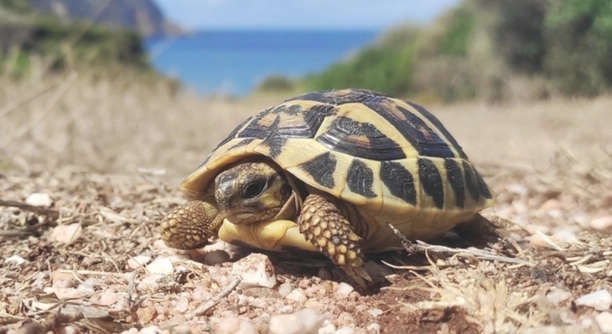
It’s important to monitor your Hermann’s tortoise, as temperature changes can affect its well-being. Keeping an eye on its behavior and environment will ensure it stays comfortable and healthy. Cold temperatures can cause stress or illness.
To determine if your Hermann’s tortoise is too cold, check for signs like lethargy, reduced appetite, and decreased activity. Additionally, make sure its habitat maintains a stable temperature within the recommended range to prevent health issues caused by cold exposure.
Proper temperature management is key to your tortoise’s well-being. Understanding these signs helps you provide the best care for your pet.
Signs of Cold Stress in Hermann’s Tortoise
A cold tortoise may show several signs that indicate its discomfort. One of the most common signs is lethargy. If your tortoise seems unusually inactive or withdrawn, it might be because it’s struggling to maintain its body temperature. Another sign is reduced appetite. Cold temperatures affect digestion, causing your tortoise to eat less. Additionally, if you notice your tortoise’s movements are slower than usual or its shell feels unusually cool to the touch, these are red flags that it may not be warm enough.
Cold stress can also lead to respiratory problems. If your tortoise begins to wheeze or shows signs of labored breathing, the cold could be compromising its immune system. It’s important to address these signs immediately to avoid more serious health issues.
Pay close attention to your tortoise’s behavior. A change in its usual activity or appetite can help you spot early signs of cold stress, giving you a chance to adjust its environment accordingly.
Temperature and Habitat Considerations
A proper habitat temperature is crucial for your tortoise’s health. Hermann’s tortoises thrive in temperatures ranging between 75-85°F during the day, with a basking spot that can reach 90°F. If the temperature drops too low, they may not be able to regulate their body temperature effectively, which can result in stress and health problems.
Maintaining the right temperature in your tortoise’s enclosure can be done with the help of a reliable heat source, such as a heat lamp or a ceramic heat emitter. It’s also essential to have a thermometer placed at different points within the habitat to ensure the temperature stays within the ideal range.
If the environment becomes too cold, your tortoise might try to bury itself or find warmer areas, which are signs that it’s seeking warmth. It’s essential to monitor these behaviors and adjust its enclosure to keep your tortoise comfortable.
Importance of a Heat Source
Having a proper heat source is essential for your Hermann’s tortoise. If the temperature in its enclosure drops below the recommended range, your tortoise will struggle to maintain a healthy body temperature. A heat lamp or ceramic heat emitter can provide the warmth needed to support its natural behaviors and digestion.
It’s crucial to set up your heat source so that there is a designated basking area with higher temperatures. This allows your tortoise to regulate its body temperature by moving between warmer and cooler areas. Be sure to adjust the heat source as needed to maintain a stable temperature.
Investing in a good heat source is not just a luxury for your tortoise. It ensures that it has the necessary warmth to stay active, digest food properly, and maintain overall health. Keep the temperature consistent to avoid unnecessary stress.
Checking Temperature with a Thermometer
A thermometer is an essential tool for monitoring your tortoise’s environment. Without one, you can’t accurately determine if the temperature is within the proper range. Place thermometers in multiple areas of the enclosure to track the temperature variation across the space. This allows you to see if your tortoise is exposed to temperature fluctuations that may cause stress.
Ensure that the thermometer you use is reliable and easy to read. Digital thermometers with probes are often more accurate than traditional dial thermometers. Check the temperature regularly, especially during changes in weather or season, to ensure the tortoise’s environment remains stable.
Once you know the temperature readings, you can make adjustments to the heat source as needed. Consistency is key for maintaining your tortoise’s comfort and health, so take the time to regularly check and adjust the temperature as needed.
Cold Symptoms to Watch For
If your tortoise is too cold, it may become lethargic. You might notice it moving slower than usual or hiding more often. Cold temperatures can also cause your tortoise to become less responsive when handled, as its energy levels drop.
Reduced appetite is another sign of cold stress. If your tortoise isn’t eating as much, this may indicate that it isn’t able to digest food properly due to the cooler temperature. Pay attention to these behavioral changes to prevent further issues.
Adjusting the Enclosure
Adjusting the size and setup of your tortoise’s enclosure is important to prevent it from getting too cold. Make sure the enclosure has a sufficient heating source, as well as a place for the tortoise to move to cooler areas if needed. The space should allow for temperature gradients.
If your tortoise is in a larger enclosure, it’s easier to create temperature variations, such as a cooler hide and a basking area. Providing both warm and cooler zones gives your tortoise control over its environment, making it easier for it to regulate its body temperature naturally.
Creating Proper Lighting
Lighting is another factor to consider when maintaining a suitable habitat. Your tortoise needs UVB lighting to synthesize vitamin D3 and absorb calcium properly. UVB lights also help regulate its circadian rhythm, promoting a healthy sleep cycle. Make sure the light is placed correctly to provide the right amount of exposure.
FAQ
How do I know if my Hermann’s tortoise is too cold?
If your tortoise is too cold, it may exhibit signs such as sluggishness, decreased appetite, and less activity. It could also retreat into its shell more often, attempting to stay warm. You might also notice that it is moving slower than usual or not basking at all. A cold tortoise will often try to find a warmer area or dig into the substrate to regulate its body temperature. If these behaviors are observed, it’s important to check the temperature in its enclosure and adjust accordingly.
What is the best temperature for a Hermann’s tortoise?
Hermann’s tortoises require a temperature range between 75-85°F during the day, with a basking area that reaches around 90°F. At night, the temperature should be slightly cooler but not drop below 60°F. This temperature range helps regulate their metabolism and overall health. If the enclosure is too cold, the tortoise will struggle to digest food and could become stressed. Ensure the heat source is consistent to maintain a stable environment.
Can I use a regular heat lamp for my Hermann’s tortoise?
A regular heat lamp can be used, but it’s best to choose a heat lamp specifically designed for reptiles. These lamps provide the right amount of heat without overheating the enclosure. Some heat lamps also offer UVB radiation, which is essential for your tortoise’s health. UVB lights help your tortoise synthesize vitamin D3, which aids in calcium absorption. Make sure the lamp is positioned in a way that the basking area remains at an appropriate temperature, and the light should not be too intense to avoid burns.
Should I provide a nighttime heat source for my tortoise?
Yes, Hermann’s tortoises benefit from a gentle nighttime heat source. While the temperature can drop slightly at night, it should not fall below 60°F. If you live in a colder climate or the room temperature tends to drop at night, you may want to consider a ceramic heat emitter. These emit heat without light, providing warmth without disrupting your tortoise’s natural sleep cycle.
What are the signs that my tortoise’s habitat is too cold?
If your tortoise is in an environment that is too cold, it will become lethargic, moving slower than usual, or hiding more often. You might also notice a lack of interest in food, as cold temperatures slow down digestion. Additionally, if you see your tortoise spending a lot of time in one spot or burrowing into the substrate, it could be trying to escape the cold. Make sure to monitor the enclosure’s temperature regularly and adjust as necessary.
How often should I check the temperature in my tortoise’s enclosure?
Temperature checks should be done regularly, ideally once or twice a day, to ensure the environment stays within the appropriate range. A thermometer placed in different areas of the enclosure will help you keep track of temperature variations. It’s particularly important to check the basking area and the cooler side of the enclosure to make sure there is a good temperature gradient. During seasonal changes, pay closer attention to temperature adjustments.
Can my tortoise stay outside during the winter?
It’s not recommended to keep your Hermann’s tortoise outside during the winter unless you live in a climate that stays warm year-round. If the temperatures drop below 50°F, your tortoise should be brought inside. Prolonged exposure to cold weather can cause severe health issues, including hypothermia. In colder months, it’s best to provide a stable indoor environment with proper heating and lighting to keep your tortoise comfortable and safe.
How can I maintain a stable temperature in my tortoise’s enclosure?
To maintain a stable temperature, use a combination of heat sources, such as heat lamps, ceramic heaters, or heat mats. A thermostat can help regulate the temperature, turning the heater on and off to keep it within the desired range. Place thermometers in different parts of the enclosure to monitor the temperature throughout the day and night. It’s important to avoid sudden temperature fluctuations, as they can stress your tortoise. Insulating the enclosure or placing it in a stable room temperature area can also help maintain warmth.
Can my Hermann’s tortoise get too hot?
Yes, it’s possible for your tortoise to overheat. If the basking area is too hot, your tortoise might become stressed or even suffer from heat exhaustion. Ensure that the basking spot is within the 90°F range and not higher. If you notice your tortoise avoiding the basking spot or becoming overly lethargic, it could be a sign that it’s too hot. Provide a cooler area in the enclosure so your tortoise can regulate its body temperature. Always monitor the temperature to ensure a proper balance.
Is it necessary to have a basking area in the enclosure?
Yes, a basking area is necessary for your Hermann’s tortoise. Tortoises are ectothermic, meaning they rely on external heat sources to regulate their body temperature. A basking area allows your tortoise to warm up during the day and help with digestion. It also promotes healthy metabolic function. The basking spot should be the warmest part of the enclosure, usually positioned under a heat lamp, and the temperature there should be around 90°F to encourage natural behaviors.
What do I do if my tortoise refuses to eat due to the cold?
If your tortoise is not eating due to the cold, it’s likely because it’s not warm enough to digest food properly. The first step is to check the temperature in the enclosure and ensure it falls within the correct range. If the temperature is too low, adjust the heat source immediately. Once the enclosure reaches a suitable temperature, your tortoise’s appetite should return. If the tortoise still refuses food, monitor for other signs of illness and consult a veterinarian if necessary.
How can I keep my tortoise warm during the winter months?
During the winter months, it’s important to ensure your tortoise remains warm indoors. Keep the enclosure in a room where the temperature remains consistent and within the recommended range. If necessary, use a ceramic heat emitter or heat lamps to maintain warmth. Additionally, providing a warm, insulated hide can help your tortoise stay comfortable. Avoid placing the enclosure near windows, drafts, or air conditioning units to prevent sudden drops in temperature. Regularly check the temperature to ensure the environment is suitable.
Final Thoughts
Maintaining the right temperature for your Hermann’s tortoise is crucial for its health and well-being. A cold environment can cause your tortoise to become lethargic, lose appetite, and experience difficulty in digestion. By ensuring the enclosure stays within the appropriate temperature range, you help your tortoise stay active, healthy, and comfortable. A consistent temperature allows your tortoise to regulate its metabolism and supports essential bodily functions, such as proper digestion and immune system health. Regularly monitor the temperature and adjust as needed to keep it within the optimal range.
If your tortoise is too cold, it’s important to make changes immediately. A warm, safe environment will reduce stress and help your tortoise avoid potential health issues. You can achieve this by using heat lamps, ceramic heat emitters, or heat mats to maintain warmth. Additionally, using a thermostat can help keep the temperature consistent, preventing sudden drops that could stress your tortoise. Consider the placement of your tortoise’s enclosure in your home, ensuring it’s away from drafts or cold spots that might negatively affect the temperature. Always have a thermometer in the enclosure to measure the different temperature zones, so your tortoise has access to both a basking area and a cooler area for balance.
In colder months, it’s especially important to ensure that your Hermann’s tortoise is protected from the cold. If your tortoise is kept outdoors, bringing it indoors during the winter is essential to avoid exposure to freezing temperatures. For indoor care, providing a stable, warm environment with proper heat sources will help maintain its health and prevent issues that arise from being too cold. Regular checks on its behavior, eating habits, and activity levels can alert you to any changes that might indicate it is too cold. By keeping the right temperature, you ensure that your tortoise thrives in its habitat.

Hello,
If you enjoy the content that we create, please consider saying a "Thank You!" by leaving a tip.
Every little bit helps us continue crafting quality advice that supports the health, happiness, and well-being of pets around the world, for pets of all shapes, sizes, and species.
We really appreciate the kindness and support that you show us!