
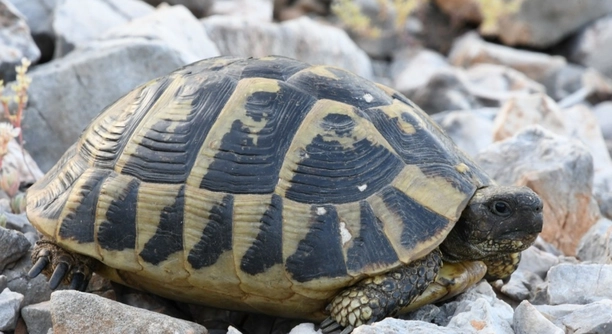
Is your Hermann’s tortoise’s shell feeling softer than usual, making you worry about its health? A healthy shell is essential for their well-being, and changes in texture can indicate underlying issues that need attention.
A soft shell in a Hermann’s tortoise is most commonly caused by a lack of calcium, inadequate UVB exposure, or improper diet. These factors affect shell development, leading to metabolic bone disease, which weakens the structure and overall health of your tortoise.
Proper nutrition, UVB lighting, and calcium intake all play a crucial role in keeping your tortoise’s shell strong. Learning how to provide the best care will help prevent future problems and ensure a happy, healthy pet.
Common Causes of a Soft Shell
A soft shell in Hermann’s tortoises is often caused by a lack of calcium, insufficient UVB exposure, or an imbalanced diet. Calcium is essential for shell strength, and without enough of it, the shell may become weak and flexible. UVB lighting helps the tortoise absorb calcium properly, preventing metabolic bone disease. A diet lacking in essential nutrients can also contribute to shell problems. If their environment does not support proper growth, their shell may not harden as it should. Identifying the cause early can help prevent long-term health issues and improve your tortoise’s well-being.
If your tortoise’s shell feels soft, assess its diet and lighting. Providing the right care as soon as possible can prevent further damage and discomfort. A well-balanced diet, proper UVB exposure, and calcium supplementation will support shell health and overall wellness.
Calcium-rich foods like dark leafy greens and supplements should be part of your tortoise’s diet. Without UVB lighting, they cannot process calcium effectively, leading to shell deformities. Hatchlings and young tortoises are especially vulnerable, as their shells are still developing. Keep an eye on their growth, and ensure they receive enough natural or artificial UVB light daily. Proper husbandry will help keep their shell strong.
How to Strengthen Your Tortoise’s Shell
A weak shell can be improved with proper diet and lighting. Ensuring your tortoise gets enough calcium and UVB exposure is the most effective way to strengthen their shell. Regular monitoring and adjustments to their care routine will support their overall health.
A diet rich in calcium is essential for a strong shell. Leafy greens like dandelion and kale, along with calcium supplements, help maintain healthy bone structure. Without enough calcium, their shell may remain soft, putting them at risk for fractures or deformities. Dusting food with calcium powder a few times a week is a simple way to prevent deficiencies. A varied diet with occasional protein sources, like cuttlebone, can also help maintain balance.
Proper lighting is just as important as diet. UVB exposure allows tortoises to process calcium efficiently. Without it, they may develop metabolic bone disease, leading to further health issues. A high-quality UVB bulb should be used in their enclosure, mimicking natural sunlight. Ensure the bulb is replaced regularly, as its effectiveness decreases over time. Letting them bask outdoors when possible can also provide natural UVB benefits.
Signs That Your Tortoise’s Shell Is Too Soft
A soft shell may feel flexible when gently pressed, especially around the edges. In severe cases, the shell may appear misshapen or sunken. If the condition worsens, your tortoise might become less active and show signs of discomfort when moving or eating.
A healthy shell should feel firm and solid. If you notice any softness, check for other symptoms like difficulty walking or an arched spine, which could indicate metabolic bone disease. Some tortoises with a weak shell may struggle to lift themselves properly. If the shell has visible indentations or appears unusually thin, it’s important to act quickly. Soft areas on an older tortoise’s shell could mean long-term deficiencies, making immediate care adjustments essential. Addressing the issue early can help prevent serious health problems and allow the shell to harden over time.
Monitor any changes in shell texture and overall behavior. If your tortoise is lethargic or eating less, a deficiency may be affecting its health. Regularly inspect the shell for any soft spots, discoloration, or uneven growth. If the shell remains soft despite proper diet and UVB exposure, consult a veterinarian. A professional can determine if additional supplementation or medical intervention is necessary to improve shell strength.
Adjusting Diet and Habitat for Shell Health
A balanced diet with calcium-rich foods and proper supplements is key to preventing a soft shell. Dark leafy greens like collard greens, mustard greens, and dandelion leaves provide essential nutrients. Offering a cuttlebone in the enclosure allows your tortoise to naturally regulate its calcium intake as needed.
UVB lighting should be kept on for 10-12 hours daily to mimic natural sunlight. Without UVB exposure, tortoises cannot metabolize calcium properly, leading to a weak shell. Use a high-quality UVB bulb and replace it every six months. Allowing your tortoise to bask in natural sunlight whenever possible can also improve calcium absorption. Make sure their habitat has a proper temperature gradient, as a cold environment can slow digestion and affect nutrient absorption.
Substrate choice matters as well. Avoid overly damp or humid conditions, as constant moisture can soften the shell further. Provide a dry basking area with a temperature of 95°F to encourage normal activity. Regularly cleaning the enclosure prevents infections that could weaken the shell. Keeping their environment stable and nutrient-rich will support shell strength and overall health.
When to Seek Veterinary Help
If your tortoise’s shell remains soft despite proper diet and lighting, a vet visit is necessary. Persistent softness, lethargy, or loss of appetite may indicate metabolic bone disease or other health issues that require medical intervention. Early treatment can prevent serious complications and improve overall well-being.
A vet may recommend calcium injections, dietary changes, or specialized UVB exposure to help strengthen the shell. In some cases, blood tests or X-rays may be needed to assess bone density and rule out underlying illnesses. Seeking professional care ensures your tortoise receives the right treatment before the condition worsens.
Preventing Shell Softness in the Future
Providing a well-balanced diet, proper UVB exposure, and a stable environment prevents shell softness. Regularly checking your tortoise’s shell and behavior helps detect issues early. Consistency in care will support long-term health and ensure a strong, well-developed shell.
Final Thoughts
Caring for a Hermann’s tortoise requires attention to diet, lighting, and habitat conditions. Proper care from an early age will help prevent shell problems and promote a long, healthy life. Making small adjustments to their routine can have a lasting impact on their well-being.
FAQ
Why is my Hermann’s tortoise’s shell soft even with a proper diet?
A soft shell can still develop if your tortoise is not getting enough UVB exposure. Without UVB, they cannot properly absorb calcium, leading to weak bones and shell deformities. Make sure their UVB bulb is high-quality and replaced every six months. If they spend time outdoors, ensure they get natural sunlight regularly.
How long does it take for a soft shell to harden?
The time it takes for a soft shell to harden depends on the severity of the issue and the tortoise’s age. Hatchlings may take weeks to months to show improvement, while older tortoises could take longer. Providing consistent care with proper calcium intake, UVB exposure, and a balanced diet will help strengthen the shell over time.
Can a tortoise recover from metabolic bone disease?
If caught early, metabolic bone disease can be managed with dietary adjustments and increased UVB exposure. In severe cases, veterinary treatment may be necessary to prevent permanent damage. Regular monitoring of shell firmness and overall behavior can help ensure early detection and proper care. Recovery is possible with patience and consistent attention to their needs.
What foods help strengthen a tortoise’s shell?
Calcium-rich foods like dandelion greens, collard greens, mustard greens, and turnip greens help maintain a strong shell. Providing cuttlebone or calcium powder supplements also supports healthy shell growth. Avoid feeding high-oxalate foods like spinach, as they can interfere with calcium absorption and lead to deficiencies.
Does humidity affect shell health?
High humidity can contribute to shell softness if the environment is too damp. While young tortoises need some humidity to aid growth, excessive moisture can weaken the shell over time. Maintain a proper balance by providing a dry basking area and ensuring the enclosure is not constantly wet.
Can too much calcium be harmful?
Excessive calcium intake can cause health issues like kidney problems or shell deformities. It’s important to balance calcium with other nutrients and ensure proper UVB exposure for effective absorption. Stick to a recommended supplementation schedule and avoid over-supplementing without veterinary guidance.
How do I know if my tortoise is getting enough UVB?
Signs of inadequate UVB include a soft shell, lethargy, and slow growth. A properly placed UVB bulb should cover the basking area and be replaced every six months. If your tortoise spends time outside, ensure they get at least a few hours of natural sunlight on warm days.
What temperature should my tortoise’s basking area be?
The basking spot should be around 95°F, with a cooler side of 75-85°F. A proper temperature gradient allows your tortoise to regulate its body temperature and aids in digestion and calcium absorption. Keeping the basking area warm and dry helps promote overall health and shell strength.
Can a soft shell be a sign of another illness?
A soft shell is usually caused by calcium deficiency or poor lighting, but it can also indicate other health issues like infections or organ problems. If your tortoise is also losing weight, acting sluggish, or refusing food, a vet check-up is recommended to rule out serious conditions.
Should I handle my tortoise if its shell is soft?
Gentle handling is fine, but avoid excessive pressure on the shell, as it may be more fragile. If the shell is extremely soft or deformed, limit handling to prevent further stress. Focus on improving their care routine to encourage shell hardening before handling them more frequently.
Will a soft shell impact my tortoise’s lifespan?
If untreated, a soft shell can lead to serious health issues, affecting lifespan and quality of life. However, with proper diet, UVB exposure, and care, a tortoise with a previously soft shell can still live a long, healthy life. Early intervention is key to preventing long-term complications.
Final Thoughts
Caring for a Hermann’s tortoise requires attention to diet, lighting, and overall habitat conditions. A soft shell is often a sign that something is missing in their care routine. Calcium, UVB exposure, and a proper temperature gradient all play a major role in maintaining a strong, healthy shell. Regularly checking their shell for any changes and making necessary adjustments can prevent long-term health problems. A balanced diet with leafy greens and calcium supplements will ensure they get the nutrients needed for proper shell development. Keeping their enclosure clean and at the right humidity levels also helps maintain their overall well-being.
A soft shell can be reversed with the right care. If caught early, changes to their diet and lighting can strengthen the shell and prevent further complications. However, if the condition is severe or does not improve, a veterinary check-up is essential. Metabolic bone disease and other health issues can develop if deficiencies go untreated. Providing the best care possible from the beginning is the best way to prevent problems. If your tortoise is active, eating well, and has a firm shell, these are good signs that their environment is meeting their needs. Consistency in care is key to ensuring their long-term health and happiness.
A Hermann’s tortoise can live for decades with proper care. Creating a stable and supportive environment will help them thrive for many years. Simple adjustments like improving their diet, upgrading their UVB lighting, or ensuring proper temperatures can make a significant difference. Observing their behavior and shell condition regularly will help detect any issues before they become serious. While caring for a tortoise takes dedication, the rewards of watching them grow and stay healthy are well worth it. Taking the time to understand their needs will ensure they remain strong, active, and well-cared for throughout their life.

Hello,
If you enjoy the content that we create, please consider saying a "Thank You!" by leaving a tip.
Every little bit helps us continue crafting quality advice that supports the health, happiness, and well-being of pets around the world, for pets of all shapes, sizes, and species.
We really appreciate the kindness and support that you show us!