
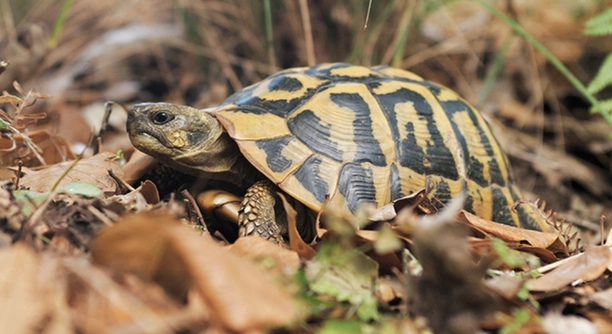
Hermann’s tortoises are generally quiet creatures, but sometimes they can make squeaking noises. These sounds can be surprising if you’re not familiar with the reasons behind them. Understanding these noises can help improve your tortoise’s care.
The squeaking sounds from your Hermann’s tortoise are usually caused by respiratory issues, stress, or even normal behavior like stretching or moving around. It’s important to observe your tortoise’s behavior to understand if these sounds indicate a problem.
Recognizing the underlying causes can help you address any issues quickly. This article will guide you through different possibilities and how to respond appropriately.
Respiratory Issues: A Possible Cause of Squeaking Noises
If your Hermann’s tortoise is making squeaking noises, one common reason could be respiratory issues. These reptiles are susceptible to respiratory infections, especially when they’re exposed to damp environments, incorrect temperatures, or poor ventilation. A tortoise with a respiratory infection may make wheezing or squeaking sounds while breathing, and it might also show other symptoms like lethargy, discharge from the nose or eyes, and difficulty eating.
Respiratory issues can be serious if left untreated. If you notice these symptoms, it’s important to take your tortoise to a vet for a proper diagnosis. Infections can progress quickly, so prompt care is essential for a positive outcome.
Proper habitat conditions are key in preventing respiratory problems. Make sure your tortoise’s enclosure is dry, well-ventilated, and maintains the right temperature. If you’re unsure about the setup, it’s a good idea to check with a vet to ensure everything is ideal for your pet’s health. Regularly monitor your tortoise’s behavior for any signs of distress.
Stress and Anxiety
Stress can also lead to squeaking noises. Hermann’s tortoises are sensitive animals, and when they feel threatened, they might vocalize. Changes in their environment, such as moving to a new habitat or introducing other pets, can be unsettling.
Stress is often tied to changes in the tortoise’s surroundings, so it’s crucial to give them time to adjust. Providing a stable, familiar environment can help reduce anxiety and prevent stress-related squeaking.
Normal Behavior: No Need for Worry
Squeaking sounds can also simply be a part of your Hermann’s tortoise’s normal behavior. Tortoises occasionally make noises when they’re stretching, moving around, or even when they’re actively exploring their environment. These sounds are often brief and shouldn’t be a cause for concern.
Tortoises make a variety of sounds during their daily activities. When they are stretching their limbs or making a sudden movement, air can get trapped in their respiratory system, causing short squeaks. This is normal, especially if the sounds are not accompanied by other signs of distress, such as a lack of appetite or abnormal behavior.
It’s important to observe the context in which the squeaking occurs. If your tortoise seems otherwise healthy, eating well, and moving without difficulty, the noises may just be part of their natural movements. Always keep an eye on their overall health to ensure there’s no underlying issue.
Physical Injury or Discomfort
Squeaking can sometimes result from physical discomfort, such as an injury. If your tortoise has been handled roughly or bumped into objects in its enclosure, it may vocalize due to pain.
If the squeaking persists, check for signs of injury like swollen limbs, cuts, or difficulty moving. Tortoises may also make sounds if they’re in an uncomfortable position or if there’s a problem with their shell. In such cases, it’s important to handle them carefully to avoid aggravating the injury.
A vet checkup is advisable if you suspect any physical injury. Your tortoise may also become more stressed or withdrawn if in pain, which can worsen the situation. Proper care in their enclosure, including soft surfaces and safety from hard impacts, can help minimize these risks.
Environmental Factors: Habitat Conditions
Changes in your tortoise’s habitat can also cause squeaking noises. Poor temperature, humidity levels, or an overcrowded space can stress out your tortoise, leading to vocalizations. It’s essential to ensure your tortoise’s environment is comfortable and stable.
A well-maintained habitat includes proper temperature gradients, enough space to move around, and clean, dry bedding. Regularly check the humidity and temperature levels to prevent issues like respiratory distress. If your tortoise feels stressed due to its environment, it might vocalize more often.
Diet and Hydration
Improper diet or dehydration can affect your tortoise’s health, sometimes causing squeaking sounds. Tortoises may make noises if they’re feeling discomfort from improper nutrition or lack of water.
Make sure to offer a balanced diet rich in fiber, leafy greens, and appropriate calcium sources. Keep fresh water available at all times to prevent dehydration. If your tortoise seems to have trouble eating or drinking, a visit to the vet may be necessary.
FAQ
Why is my Hermann’s tortoise making squeaking noises?
Squeaking noises from your Hermann’s tortoise can be due to several factors. It could be a sign of respiratory issues, stress, discomfort, or simply a part of its normal behavior. If the sounds are occasional and not accompanied by other symptoms like discharge or lethargy, it’s likely harmless. However, if the squeaks are persistent, it’s best to monitor your tortoise closely for any signs of illness or distress.
How can I tell if my tortoise is sick?
Signs that your Hermann’s tortoise may be unwell include lethargy, lack of appetite, discharge from the nose or eyes, labored breathing, and abnormal movement. If you notice any of these symptoms, it’s important to consult a vet as soon as possible. A proper diagnosis is crucial for effective treatment.
What should I do if my tortoise is making a wheezing noise?
A wheezing sound may indicate a respiratory infection, which can occur if your tortoise is exposed to cold or damp environments. If your tortoise is wheezing, check for other symptoms like mucus around the nose, difficulty breathing, or a loss of appetite. A vet visit is recommended to rule out or treat any infection.
Can stress cause my tortoise to make noises?
Yes, stress can definitely cause your tortoise to make noises. If there has been a change in its environment, like moving to a new enclosure, new pets in the house, or unfamiliar people, your tortoise may vocalize due to anxiety. It’s important to provide a stable, calm environment for your tortoise to help reduce stress.
What are the common causes of squeaking noises in Hermann’s tortoises?
Squeaking noises can stem from various causes, including respiratory issues, stress, physical injury, or normal behavior. The key is to observe the context in which the squeaks happen. If your tortoise is otherwise healthy, the squeaks may just be a part of its natural movements.
How can I prevent respiratory problems in my tortoise?
To prevent respiratory issues, make sure your Hermann’s tortoise is housed in a dry, well-ventilated area with appropriate temperature and humidity levels. Avoid placing your tortoise in drafty or damp areas, as these can contribute to respiratory problems. Regularly clean the enclosure and provide a safe, comfortable space for your pet.
Can a tortoise’s diet affect its health and behavior?
Yes, a tortoise’s diet plays a significant role in its overall health and behavior. A poor diet, particularly one lacking in essential nutrients like fiber and calcium, can lead to digestive issues, weakened immune systems, and even behavioral changes. Offering a balanced, varied diet and ensuring access to clean water will support your tortoise’s health.
Is it normal for my tortoise to make noise when stretching?
Yes, it’s normal for tortoises to make brief squeaking sounds when stretching or moving around. These noises often occur when air is trapped in the respiratory system or when the tortoise shifts its body. If the sounds are occasional and not accompanied by signs of distress, there is usually no need to worry.
How do I know if my tortoise is in pain?
Tortoises may not always show obvious signs of pain, but you can look for changes in behavior. If your tortoise is unusually withdrawn, reluctant to move, or has difficulty eating or drinking, it might be in pain. Physical injuries, like cracked shells or swelling, are also clear indicators of discomfort. If you suspect pain, seek veterinary advice immediately.
What are the best habitat conditions for my Hermann’s tortoise?
Hermann’s tortoises thrive in warm, dry environments with proper humidity and ventilation. The temperature should range between 75°F and 85°F during the day, with a cooler nighttime temperature. Use appropriate substrate like hay or grass and ensure your tortoise has a space to bask. Regularly check the enclosure for cleanliness and comfort.
Can a tortoise make noise when scared?
Yes, tortoises can make noise when they feel threatened or scared. Squeaking or other vocalizations may occur if they feel cornered or are handled roughly. Providing your tortoise with a safe space and avoiding sudden, stressful actions can help minimize these reactions.
What should I do if my tortoise’s shell is damaged?
If your tortoise’s shell is damaged, it’s essential to get immediate veterinary care. Shell injuries can lead to infections, and untreated damage can cause long-term health issues. Make sure to keep the affected area clean and dry, and avoid any further stress or movement until a vet has evaluated the injury.
How often should I check my tortoise’s health?
It’s a good idea to monitor your tortoise’s health regularly, looking for any changes in behavior, eating habits, or physical condition. You should also check the enclosure conditions frequently. Annual check-ups with a reptile vet can ensure that your tortoise remains healthy, but regular home observations are also important.
Why is my tortoise acting lethargic?
Lethargy in tortoises can be caused by many factors, such as illness, improper habitat conditions, or inadequate nutrition. If your tortoise is not as active as usual, check its environment for temperature or humidity imbalances. Also, consider its diet and hydration. If the lethargy continues, consult a vet.
Final Thoughts
Squeaking noises from your Hermann’s tortoise are often normal and not a cause for concern, but they can sometimes indicate an underlying issue. Understanding the reasons behind the sounds is essential for ensuring your tortoise’s health and well-being. Whether the squeaks come from respiratory problems, stress, or simply normal movements, it’s important to observe the behavior and any other symptoms to determine if further action is needed. If the squeaks are occasional and the tortoise seems otherwise healthy, it is likely just a natural sound. However, if the sounds persist or are accompanied by other signs of illness, seeking veterinary advice is always a good idea.
It’s also important to consider the environment in which your tortoise lives. Stress from changes in the habitat or discomfort from improper temperature, humidity, or space can lead to squeaking noises. Keeping your tortoise’s enclosure clean, dry, and at the right temperature can help prevent these issues. A stable, quiet environment will reduce stress, leading to fewer vocalizations and a happier tortoise. Regularly check for any changes in its behavior, as tortoises are creatures of habit and might become vocal if they feel threatened or unsafe.
In the end, monitoring your Hermann’s tortoise’s behavior and paying attention to the environment will give you a better understanding of why it might be squeaking. If the tortoise seems to be in pain, stressed, or struggling with health issues, it’s crucial to act quickly and seek professional care. Regular check-ups with a vet, proper habitat conditions, and a balanced diet are all key factors in keeping your tortoise healthy and content. By staying attentive to these details, you can ensure that your tortoise leads a long, happy, and healthy life.

Hello,
If you enjoy the content that we create, please consider saying a "Thank You!" by leaving a tip.
Every little bit helps us continue crafting quality advice that supports the health, happiness, and well-being of pets around the world, for pets of all shapes, sizes, and species.
We really appreciate the kindness and support that you show us!