
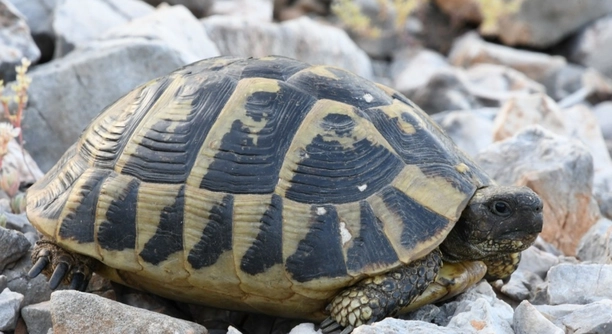
Maintaining a proper diet for your Hermann’s tortoise is essential for their health and happiness. A balanced diet can help your pet thrive, ensuring they live a long, active life.
Improving your Hermann’s tortoise’s diet is key to their overall well-being. You can enhance their nutrition by offering a variety of fresh, leafy greens, fiber-rich plants, and avoiding processed foods. A diverse, well-balanced diet promotes optimal growth.
A few simple changes can make a big difference in your tortoise’s nutrition. Understanding these improvements will help your pet live a healthier life. Let’s look at easy ways to support their diet and boost their health.
Offer a Variety of Fresh, Leafy Greens
Fresh leafy greens are the cornerstone of a healthy tortoise diet. A mix of dandelion greens, kale, and collard greens will provide a balance of vitamins and minerals. These greens offer essential nutrients that help boost their immune system, support digestion, and maintain a healthy weight. Avoid iceberg lettuce, as it lacks nutritional value and can cause digestive issues.
Adding herbs like basil, parsley, and cilantro can be a tasty supplement, but they should not make up the bulk of the diet. It’s important to rotate the types of greens offered to your tortoise to prevent them from becoming picky eaters. Fresh vegetables are an excellent source of fiber, which aids in their digestive health.
Make sure the greens are washed thoroughly before feeding them to your tortoise. This ensures they’re free from harmful pesticides or chemicals. A mix of dark leafy greens, flowers, and edible plants will mimic their natural diet and keep your tortoise healthy and happy. It’s easy to find a variety of greens that your tortoise will enjoy, so try to switch things up regularly to keep things interesting for them.
Avoid High-Fat Foods
High-fat foods can negatively affect your tortoise’s health.
Processed foods, like fruit-based treats or seeds, should be kept to a minimum. These are often too rich in fat and sugar. Instead, opt for plant-based foods that resemble what they would eat in the wild. Too much fat can lead to obesity, which is a significant health concern. Additionally, some fruits like bananas or avocados should be offered only occasionally due to their high-fat content.
By focusing on fresh, fibrous plants and greens, you can ensure your tortoise receives the right nutrients. Low-fat options help in maintaining a healthy weight, which is essential for their mobility and overall wellness.
Provide Calcium-Rich Foods
Calcium is crucial for your tortoise’s bone health and shell development. Offering calcium-rich foods, like clover, kale, and collard greens, can help meet their needs. A calcium supplement is also beneficial, especially for younger tortoises.
Calcium supports healthy shell growth, prevents deformities, and helps in the overall strengthening of bones. Without it, your tortoise could develop metabolic bone disease, a common condition in reptiles. If you’re unsure about the amount of calcium your tortoise needs, consult with a vet to ensure proper supplementation.
Calcium can be supplemented through dusting food with a reptile calcium powder. However, make sure the supplement contains vitamin D3, as it helps with calcium absorption. You can also provide cuttlebone for your tortoise to nibble on. It’s easy to find and inexpensive, ensuring your pet gets enough calcium without hassle. Regular access to calcium-rich foods is essential for a long, healthy life.
Limit Fruit Intake
Fruit should be a small part of your tortoise’s diet. While fruit is tasty, it is also high in sugar, which can lead to health problems like obesity or kidney disease. Limit fruit to a small treat once or twice a week.
Offering small amounts of fruit, such as strawberries, apples, or melon, provides variety without overloading your tortoise with sugar. These treats can also help hydrate them, especially in warmer weather. However, fruits should not replace their main diet of greens and grasses, as they lack the necessary nutrients for optimal health.
You should focus on offering vegetables and leafy greens as the primary food source. This ensures your tortoise gets the fiber and minerals it needs for good digestion. A limited amount of fruit will prevent excessive sugar intake and allow you to offer a balanced, well-rounded diet.
Provide Fresh Water Daily
Water is vital for your tortoise’s health. Always provide fresh, clean water in a shallow dish. Change it daily to prevent bacterial growth. Make sure the dish is easily accessible for your tortoise to drink from, especially if it’s small.
Tortoises can be reluctant to drink water, so providing a shallow bowl that they can easily access is important. Occasionally, soaking them in warm water can help with hydration, especially if they seem sluggish or dry. Hydration is key to their digestion and skin health, so make water a consistent part of their environment.
Make sure to place the water dish in an area that is easy for your tortoise to find and use. Keeping it clean and filled with fresh water daily will encourage hydration and prevent any health issues caused by dehydration.
Offer a Varied Diet of Plants and Weeds
A varied diet helps prevent nutrient imbalances. Offer weeds like dandelions, clover, and plantain for additional variety. These are high in fiber and low in fat, ideal for a tortoise’s digestive health.
Feeding a range of plants ensures your tortoise gets all the nutrients it needs. Wild plants are closer to what they would eat in the wild and provide an array of vitamins, minerals, and fiber. Be sure to avoid weeds treated with pesticides, as they could harm your pet.
Plant-based foods are the most natural and healthy option for your tortoise. Include a mix of weeds, grasses, and edible flowers in their diet to support their digestion and overall health.
FAQ
How often should I feed my Hermann’s tortoise?
A Hermann’s tortoise should be fed daily, with the focus on providing fresh greens, grasses, and weeds. Depending on age, the frequency might vary slightly. Young tortoises may need more frequent feeding, while adults can be fed once a day. Avoid overfeeding, as it can lead to obesity and digestive problems.
Can Hermann’s tortoises eat fruit every day?
It’s best to limit fruit intake to once or twice a week. Fruit is high in sugar, and too much can lead to health issues, such as obesity or kidney problems. Stick to offering small amounts of safe fruits like strawberries, apples, and melons. Always focus on greens and vegetables for the majority of their diet.
Is it okay to give Hermann’s tortoises commercial pellets?
While some commercial pellets can be a supplemental part of their diet, they should not be the main food source. Pellets often lack the variety and nutrition found in fresh plants. Offer pellets occasionally if you want to add extra vitamins or nutrients, but make sure your tortoise gets fresh, natural food daily.
What should I do if my tortoise isn’t eating?
If your tortoise is not eating, there could be a few reasons: stress, temperature changes, or an illness. Check the habitat conditions first, ensuring the temperature, humidity, and lighting are appropriate. If everything seems fine and the issue persists, consult a vet to rule out any underlying health issues.
How much calcium does my Hermann’s tortoise need?
Hermann’s tortoises need a consistent supply of calcium for healthy bone growth and shell development. Adult tortoises generally need calcium every other day, while younger tortoises may need it daily. Offer calcium-rich foods like dark leafy greens or use a calcium supplement, ensuring it includes vitamin D3 for proper absorption.
Can I feed my tortoise wild plants?
Yes, wild plants can be a great addition to your tortoise’s diet, as long as they haven’t been treated with pesticides or chemicals. Offer plants like dandelions, clover, and plantain. Avoid toxic plants like those in the nightshade family (tomatoes, potatoes, eggplants), as they can be harmful to your tortoise’s health.
Should I feed my tortoise vegetables like carrots or squash?
Carrots and squash can be included in your tortoise’s diet, but in moderation. Carrots are high in sugar, and while squash is nutritious, it can be more watery, which isn’t always ideal for digestive health. Offer these as occasional treats, not staples. Focus on high-fiber greens as their main food.
What do I do if my tortoise is overweight?
If your tortoise is overweight, reduce the amount of high-fat foods, including fruits and certain vegetables. Ensure the diet is rich in high-fiber plants and grasses while lowering the frequency of high-calorie treats. Encourage more activity by providing a larger enclosure with room to roam. In severe cases, consult a vet for guidance.
Can Hermann’s tortoises eat lettuce?
Lettuce can be fed occasionally, but avoid iceberg lettuce. It’s mostly water and lacks nutritional value. Romaine or other dark-leaf lettuces are better choices but should still only be a small part of the diet. Always prioritize nutrient-dense greens like dandelion leaves and collard greens.
How can I tell if my tortoise is hydrated?
You can tell if your tortoise is hydrated by checking the texture of its skin and the condition of its eyes. Dry, flaky skin or sunken eyes may indicate dehydration. If you suspect dehydration, offer fresh water and soak your tortoise in shallow warm water for 20 minutes to help with hydration.
Can I feed my tortoise seeds or nuts?
Seeds and nuts should be avoided in a tortoise’s diet. They are often too high in fat and can be difficult for them to digest. Stick to fresh, fiber-rich plants, greens, and weeds, which are much more appropriate for their digestive system and overall health.
How long can my tortoise go without food?
Adult tortoises can survive for several weeks without food, but it’s not ideal. Young tortoises, on the other hand, may become weak and malnourished more quickly. If your tortoise refuses food for more than a few days, it’s best to investigate their living conditions and consult a vet to make sure they are healthy.
Is it necessary to provide my tortoise with supplements?
Supplements are helpful in certain situations but should not replace a balanced, natural diet. Calcium and vitamin D3 are essential, especially for young tortoises, but they should be provided in conjunction with a varied diet of fresh greens and plants. Always check with a vet to determine if supplements are needed.
Can Hermann’s tortoises eat flowers?
Yes, Hermann’s tortoises can eat many types of flowers, but be cautious to choose non-toxic, pesticide-free options. Flowers like hibiscus, geraniums, and dandelions are safe and nutritious for them. They provide variety and can be a fun addition to their diet, as long as they’re free from harmful chemicals.
What is the best habitat temperature for my Hermann’s tortoise?
A Hermann’s tortoise requires a warm habitat with a temperature gradient, allowing them to regulate their body heat. The basking spot should be around 85-90°F (29-32°C), while the cooler side of the habitat should be around 70-75°F (21-24°C). Proper temperatures help with digestion and overall health.
Can I feed my tortoise cooked vegetables?
It’s best to feed your tortoise raw vegetables. Cooking can reduce the nutritional value and make the food harder to digest. Stick to fresh, raw plants and vegetables to maintain the best nutritional balance for your tortoise’s diet. Avoid adding oils or seasoning, as this can be harmful.
What if my tortoise refuses water?
If your tortoise is refusing water, try offering it in a different type of bowl or soaking them gently in warm water. Some tortoises are reluctant to drink, but soaking them can help hydrate them through their skin. If the issue persists, it’s a good idea to consult a vet for advice.
Final Thoughts
Caring for your Hermann’s tortoise requires a little effort, but the rewards are worth it. By focusing on providing a varied and balanced diet, you can ensure that your tortoise remains healthy and happy. Fresh leafy greens, fiber-rich plants, and the right amount of calcium are essential for their well-being. Avoid high-fat foods like fruit and processed pellets, as these can lead to health problems over time. By keeping things simple and offering the best natural foods, you can support your tortoise’s overall health and longevity.
Maintaining the right feeding habits for your tortoise is not only about what they eat but also about how often and how much. Young tortoises need more frequent feedings, while adults can be fed once a day. It’s important to keep an eye on portion sizes to prevent overfeeding, which can lead to obesity. At the same time, avoid offering too many treats or fruits, as they contain sugar that can harm their digestive system in the long run. A balanced diet of fresh, nutritious plants and proper hydration will help them grow strong and stay active.
Remember that a tortoise’s diet is just one part of the puzzle. A proper habitat, correct temperatures, and regular care are equally important. Ensuring your tortoise has access to fresh water every day and providing them with a warm, comfortable environment will help them thrive. If you are ever unsure about their health or diet, don’t hesitate to consult a veterinarian who specializes in reptiles. With proper care, your Hermann’s tortoise will enjoy a long and healthy life.

Hello,
If you enjoy the content that we create, please consider saying a "Thank You!" by leaving a tip.
Every little bit helps us continue crafting quality advice that supports the health, happiness, and well-being of pets around the world, for pets of all shapes, sizes, and species.
We really appreciate the kindness and support that you show us!