
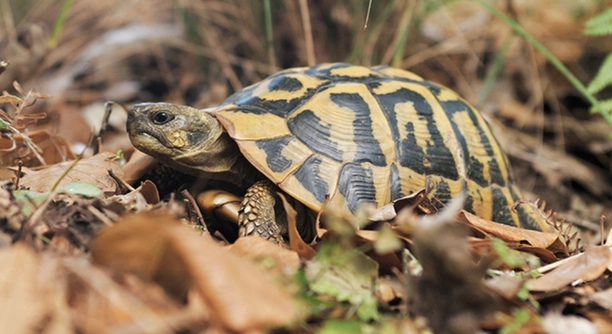
Sometimes, it’s concerning when you see your Hermann’s tortoise trying to flip over. It can be worrying, especially if you’re unsure of the reason behind this behavior. Understanding why this happens will help you care for your pet better.
Your Hermann’s tortoise may be trying to flip over due to several factors, including discomfort, stress, or a natural instinct to right itself when flipped. Tortoises can be curious creatures, exploring their surroundings in various ways, sometimes resulting in them attempting to overturn themselves.
Identifying the cause of your tortoise’s actions will help you ensure its safety and well-being. We’ll explore the potential reasons and solutions for this behavior.
Understanding Stress and Discomfort
Tortoises are sensitive creatures, and stress can trigger odd behaviors. If your Hermann’s tortoise is trying to flip over, stress could be one of the reasons. Changes in their environment, like loud noises, too much handling, or even unfamiliar surroundings, can make them feel unsettled. This stress may cause them to act out, including trying to flip over.
A stressed tortoise often shows other signs such as hiding or being unusually active. It’s important to pay attention to any changes in its environment to help reduce these triggers. Keeping your tortoise’s habitat stable is key to its well-being.
If your tortoise is in a new home or its environment has changed recently, this might be a factor. Adjusting to these changes can take time, and offering a calm, safe space will help ease its anxiety. Try not to disturb it too often and give it a chance to settle in.
Natural Behavior
Sometimes, flipping is part of your tortoise’s instinctive behavior. They are naturally curious creatures and explore their surroundings with their bodies. Tortoises often attempt to flip back over when they end up on their backs. This behavior isn’t always a sign of distress but rather their natural way of interacting with their environment.
You might notice that your tortoise tries to flip over even when there are no apparent signs of stress. This can happen if they encounter objects or structures that challenge them physically. If they can’t right themselves quickly, they may need help to avoid injury. Be aware of the area they roam in and remove any obstacles that could cause them to flip accidentally.
Tortoises rely on instinct to navigate their habitats. Sometimes, flipping over can be an unintended result of their curiosity or exploration. However, if your tortoise is consistently getting stuck, it’s important to ensure they have a safe space to roam, free from any dangerous obstacles. Keep the area around their enclosure clear to prevent accidents.
Unstable Environment
Your tortoise may try to flip over due to an unstable environment. Uneven surfaces or too much clutter can confuse or frustrate them. If their habitat isn’t secure or if it’s overcrowded with objects, they may struggle to move around comfortably.
A flat, open space is important for your tortoise’s movement. Rocks, branches, or other obstacles might be in their way, making it difficult for them to explore freely. This could lead to accidental flips when they try to turn or adjust themselves. Ensure their habitat is spacious and clutter-free to reduce these risks.
If your tortoise is kept in a small or cramped enclosure, it’s more likely to bump into objects or try to flip itself. A larger, secure environment with clear space for walking and turning will prevent these situations. Creating a calm, open area allows your tortoise to move around naturally, minimizing the chances of them flipping over.
Health Issues
Sometimes, health problems can cause a tortoise to act unusually. A weakened or injured tortoise might try to flip itself in an attempt to get back on its feet. If your pet is dealing with an injury or illness, this behavior might be more frequent.
Check for signs of injury or illness, such as changes in movement, eating habits, or behavior. A tortoise with a leg injury or discomfort may not be able to right itself properly and might need assistance. It’s crucial to observe their actions closely for any signs of distress.
If your tortoise seems to struggle more with movement or frequently attempts to flip over, it could be experiencing health issues. Consult a vet if you notice any other signs of injury or illness. Catching these problems early will help ensure your pet remains healthy and safe.
Overfeeding
Overfeeding can cause your tortoise to become too heavy, making it harder for them to move around. If they are unable to properly navigate their environment, they might attempt to flip themselves in a futile effort to adjust.
Overfeeding can also lead to discomfort and lethargy, making your tortoise more prone to getting stuck. It’s important to regulate their diet, ensuring they get enough nutrition without overindulging. Pay attention to portion sizes and avoid excessive feeding.
Overfed tortoises are less active and may struggle to move properly, especially in smaller spaces. This can result in accidental flips, so controlling their diet is important for their overall health.
Temperature Problems
Temperature imbalances can also play a role in why your tortoise might try to flip over. Hermann’s tortoises need a warm environment to stay active. If the temperature is too low, they might become sluggish, disoriented, and even try to flip in an effort to reposition.
Make sure your tortoise’s habitat has a proper temperature gradient, with warm areas and cooler spots where they can retreat. If the enclosure is too cold, your tortoise may not be able to move properly, causing it to try to right itself in awkward ways. Always monitor their habitat temperature.
Lack of Hiding Spots
Your tortoise needs a place to retreat when it feels overwhelmed. Without hiding spots, it may feel exposed and vulnerable. This discomfort can lead to erratic behavior like attempting to flip over in search of safety.
A hiding spot will give your tortoise a safe place to rest and escape when needed. This can significantly reduce stress and stop them from acting out by flipping over. Consider adding shelters, like caves or leafy areas, where your tortoise can feel more secure.
FAQ
Why does my Hermann’s tortoise keep trying to flip over?
Your tortoise may be trying to flip over for several reasons, such as stress, an unstable environment, or even curiosity. It can also be a natural instinct when they end up on their back and need to right themselves. If the behavior is frequent, you should examine their habitat and health to rule out any underlying issues.
Is it normal for a Hermann’s tortoise to flip over?
Occasionally, it is normal for a tortoise to flip over, especially if they accidentally roll onto their back. Tortoises generally try to right themselves when this happens. However, if your tortoise is regularly flipping or seems to struggle to get up, it could indicate environmental or health-related concerns that should be addressed.
How can I stop my tortoise from flipping over?
To prevent your tortoise from flipping over, ensure that their environment is safe and spacious, with no obstacles that could cause them to tip over. Remove any objects or structures that could lead to accidental flips, and create an open space for your tortoise to explore. Regularly check their health for any mobility issues that might contribute to this behavior.
Can stress cause my tortoise to flip over?
Yes, stress is a significant factor. Hermann’s tortoises are sensitive to changes in their environment, such as loud noises, overcrowding, or unfamiliar surroundings. When stressed, they may act out, which could include trying to flip over. Try to maintain a stable environment to reduce stress levels for your tortoise.
Should I be concerned if my tortoise keeps flipping?
If your tortoise is frequently trying to flip over, it’s important to assess the cause. While it can be normal in certain situations, like after an accidental flip, frequent flipping may indicate stress, health problems, or an unsuitable habitat. Addressing these issues will ensure your tortoise’s well-being.
Could my tortoise’s habitat be causing the flipping?
Yes, an unstable or cramped habitat can contribute to your tortoise trying to flip over. If there are too many obstacles, uneven surfaces, or not enough space to move freely, your tortoise may struggle to right itself and could inadvertently flip over. Ensuring their habitat is safe, spacious, and clear of unnecessary objects is crucial.
What should I do if my tortoise is struggling to flip back over?
If your tortoise is struggling to flip back over, gently assist them by turning them onto their feet. Make sure the environment is safe, and clear any objects that might contribute to their difficulty. Check for any signs of injury or illness that could be hindering their movement.
Can my tortoise’s diet affect its ability to move and flip over?
Yes, an improper diet can affect your tortoise’s health and mobility. Overfeeding can lead to obesity, making it difficult for them to move and increasing the likelihood of flipping over. A balanced diet with the right amount of nutrients is important for maintaining their energy levels and overall health.
How can I make my tortoise’s habitat more secure?
To secure your tortoise’s habitat, ensure it’s spacious and free of sharp edges or objects that could cause them to get stuck. A flat surface is ideal for movement. Adding hiding spots will help your tortoise feel safe and reduce stress. Keep the area clean and ensure temperature and humidity levels are within the recommended range.
What are some signs that my tortoise is stressed?
Signs of stress in a tortoise include erratic behavior, such as frequent hiding, restlessness, or excessive activity. If they seem to be flipping over more than usual or acting aggressively, this could also indicate stress. Providing a calm environment, reducing handling, and ensuring they have enough space can help reduce stress.
Could my tortoise be sick?
If your tortoise is consistently trying to flip over and shows other signs such as lethargy, loss of appetite, or abnormal behavior, it could be sick. Health issues like respiratory infections, injuries, or digestive problems can affect their mobility and cause them to flip. Consulting a vet will help diagnose and treat any underlying health conditions.
How can I help my tortoise if it is injured from flipping over?
If your tortoise gets injured from flipping over, take them to the vet immediately for an evaluation. In the meantime, keep them in a quiet, comfortable environment, free of stress. Avoid handling them too much and make sure their habitat is adjusted to prevent further flipping.
Can flipping over cause long-term harm to my tortoise?
Flipping over can cause harm if it happens repeatedly or if your tortoise is unable to right itself. Over time, it could lead to stress, muscle strain, or even injury, especially if they struggle for a prolonged period. Regularly check your tortoise’s habitat and health to prevent accidents.
What can I do to make my tortoise feel safer?
To help your tortoise feel safe, ensure it has hiding spots and a stable environment. Avoid sudden changes in their habitat and reduce handling. A tortoise feels secure when it has a predictable routine and enough space to roam without feeling trapped or threatened.
How often should I check my tortoise’s health?
You should regularly check your tortoise for any signs of illness or injury. Look for changes in behavior, appetite, and mobility. If your tortoise is frequently trying to flip over or has difficulty moving, it’s important to take them to the vet for a thorough check-up. Regular health checks will help catch issues early and keep your tortoise happy and healthy.
Final Thoughts
Seeing your Hermann’s tortoise trying to flip over can be worrying, but understanding the reasons behind this behavior can help you address the issue. Tortoises are naturally curious creatures, and sometimes they attempt to flip over due to instinct or when they find themselves in an uncomfortable situation. However, it’s important to consider other factors such as stress, an unstable habitat, or even health problems that could be causing this behavior. Identifying the root cause will allow you to take the right steps in ensuring your tortoise’s well-being.
It’s crucial to maintain a safe and stable environment for your tortoise. This includes having a spacious enclosure with no obstacles that could cause them to tip over or become stuck. Make sure your tortoise has access to areas where they can hide and feel secure. A calm and predictable environment is key to reducing stress, which can lead to unwanted behavior, including trying to flip over. Ensuring proper temperature and humidity levels is another important aspect of creating a suitable habitat. A healthy tortoise is more likely to explore and move without struggling, reducing the chances of flipping over.
If your tortoise continues to flip over or seems to be struggling more than usual, it’s important to observe them closely for any signs of injury or illness. Consulting with a vet is a good idea to rule out any health issues that could be affecting their movement. Regular check-ups and careful monitoring of their diet and behavior can help you catch problems early. With the right environment, care, and attention to their health, your Hermann’s tortoise should feel more comfortable and secure, minimizing the risk of flipping over and allowing it to live a happy and healthy life.

Hello,
If you enjoy the content that we create, please consider saying a "Thank You!" by leaving a tip.
Every little bit helps us continue crafting quality advice that supports the health, happiness, and well-being of pets around the world, for pets of all shapes, sizes, and species.
We really appreciate the kindness and support that you show us!