
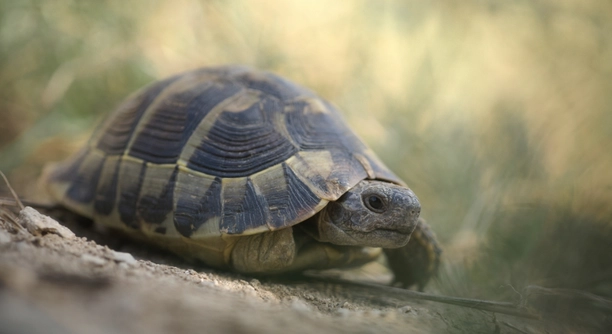
Hermann’s tortoises are charming and unique pets. Their growth and health depend significantly on their diet. Knowing which foods support their development is key to ensuring they thrive. Here are the best foods for boosting their growth.
To promote your Hermann’s tortoise’s growth, it’s important to provide nutrient-rich foods such as leafy greens, high-fiber grasses, and specific vegetables. These foods ensure that your tortoise receives the proper vitamins and minerals needed for optimal growth.
Incorporating these foods into their regular diet will make a noticeable difference in their health and growth rate. You’ll soon see how a balanced diet helps them flourish in both size and energy.
Leafy Greens: A Key Part of Their Diet
Leafy greens are among the most important foods for your Hermann’s tortoise. They provide essential vitamins, minerals, and fiber that support strong bones, healthy digestion, and overall well-being. Greens such as dandelion leaves, collard greens, and mustard greens are especially beneficial. These greens help maintain a balance of calcium, phosphorus, and other key nutrients required for proper growth.
A daily serving of leafy greens ensures that your tortoise receives the necessary nutrients for development. Avoid iceberg lettuce, as it lacks nutrients and can cause digestive issues. It’s important to vary the types of greens you offer to prevent nutritional imbalances.
Incorporating a variety of leafy greens in your tortoise’s diet will help stimulate its appetite while ensuring it gets the right mix of vitamins and minerals. The fiber content also promotes healthy digestion and helps with proper gut movement. Consistent access to these foods will contribute to steady growth and a more active tortoise.
High-Fiber Grasses for Digestive Health
High-fiber grasses like timothy hay are excellent additions to your Hermann’s tortoise’s diet. These grasses aid digestion and provide the bulk necessary for healthy stool formation.
Grasses are also natural sources of hydration, so they help keep your tortoise well-hydrated. Mixing grasses with leafy greens creates a diverse, balanced diet that supports your pet’s overall growth.
Vegetables: Boosting Nutrition for Growth
Vegetables like bell peppers, squash, and carrots are great for your tortoise. They provide important vitamins and minerals that contribute to its growth and overall health. Offering a variety of vegetables ensures that your tortoise gets a broad range of nutrients, preventing deficiencies.
Carrots are rich in beta-carotene, which is vital for healthy eyesight. Squash contains calcium and magnesium, which help in the development of strong bones and shell. Bell peppers are packed with vitamin C, supporting the immune system and growth. These vegetables can be offered alongside leafy greens to create a balanced diet.
When feeding vegetables to your Hermann’s tortoise, make sure to chop them into small, manageable pieces. This encourages your tortoise to eat more easily and reduces the risk of choking. Always wash the vegetables thoroughly to remove any pesticides, and avoid feeding them too much fruit, as it can cause an upset stomach.
Fruit: A Sweet Treat for Balanced Diet
Fruit can be a sweet addition to your Hermann’s tortoise’s diet, but it should be offered in moderation. Fruits like strawberries, melon, and figs are rich in vitamins and antioxidants. However, too much sugar can lead to obesity and digestive problems.
Offering fruit once or twice a week provides a burst of hydration and essential nutrients, but it’s best to limit its portion size. For instance, small pieces of strawberry or melon can be given as a treat, but should not make up the bulk of the diet. Fruits also support hydration, which is essential for healthy skin and shell growth.
By keeping fruit consumption moderate, you can ensure that your tortoise gets the sweet taste it enjoys without compromising its health. Stick to low-sugar fruits and pair them with the other foods in its diet to maintain a balanced intake.
Flowers and Weeds: Natural and Nutritious
Flowers like hibiscus, dandelions, and clover are safe and nutritious for your tortoise. These flowers add variety and encourage natural foraging behavior. They’re rich in nutrients and provide vitamins, minerals, and fiber.
Dandelions, for example, are high in calcium, which supports shell and bone health. Clovers and hibiscus contain antioxidants that help maintain overall health and vitality. These flowers can be offered fresh or dried, providing your Hermann’s tortoise with a natural, enjoyable treat.
Protein Sources: Supporting Growth and Repair
Protein is crucial for growth and tissue repair in Hermann’s tortoises. While tortoises are primarily herbivores, they do require small amounts of animal protein, which can be found in sources like insects and worms. Offering these in moderation supports muscle development and overall health.
Protein-rich insects such as mealworms and crickets can be given once or twice a week. These insects also provide essential fats that contribute to energy levels. It’s important not to overdo protein, as excessive amounts can disrupt digestion and cause health issues in tortoises.
Commercial Tortoise Food
High-quality commercial tortoise food can be a good supplement to your tortoise’s diet. Look for options that are high in fiber and low in fat to ensure they support healthy growth. These foods are designed to meet the specific nutritional needs of Hermann’s tortoises.
Commercial food can be used occasionally or when other fresh food options are unavailable. It’s important to read the ingredient list to ensure there are no artificial additives or preservatives. Ideally, use it in conjunction with fresh greens and vegetables to maintain a balanced, natural diet.
FAQ
What should I feed my Hermann’s tortoise daily?
Your Hermann’s tortoise should have a variety of leafy greens, grasses, and vegetables each day. Good options include dandelion leaves, collard greens, timothy hay, and squash. These provide essential vitamins, minerals, and fiber to keep them healthy and help them grow at a steady rate. Always wash the food thoroughly to remove pesticides or chemicals, and avoid giving them too much fruit, as it can upset their digestion.
How often should I feed my Hermann’s tortoise vegetables and fruits?
Vegetables should be given daily, but fruit should be offered only a couple of times a week. Too much fruit can lead to obesity and digestive issues because of its high sugar content. Vegetables like bell peppers, carrots, and squash are a good daily option. Fruits like melon or strawberries can be given in small portions as an occasional treat.
Can I feed my tortoise flowers?
Yes, flowers can be a great addition to your Hermann’s tortoise’s diet. Safe flowers include hibiscus, dandelions, and clover. They offer a variety of nutrients, fiber, and antioxidants that support healthy growth. Always ensure that the flowers you provide are pesticide-free and safe for tortoises.
How do I know if I’m feeding my tortoise the right amount?
The amount of food to give your tortoise depends on its size and age. Younger tortoises tend to need more food because they are growing quickly, while older tortoises may need smaller portions. It’s important to keep an eye on their weight and adjust portions accordingly. If your tortoise is eating most of its food but not gaining weight, it may need more. If food is left uneaten, reduce the portions. Your tortoise should have a healthy weight without being overweight or underweight.
Can Hermann’s tortoises eat commercial tortoise food?
Yes, commercial tortoise food can be part of their diet but should not be the sole food source. High-quality pellets or mixes are designed to provide essential nutrients. However, they should be used in combination with fresh vegetables, leafy greens, and other natural foods to ensure a balanced diet. Always read the ingredients list and choose one that is high in fiber and free of artificial additives.
Is it safe to feed my Hermann’s tortoise lettuce?
Lettuce can be fed to your Hermann’s tortoise in moderation, but avoid iceberg lettuce. Iceberg lettuce has little nutritional value and can cause digestive issues. Romaine and leaf lettuces are better choices, as they offer more nutrients. However, lettuce should not be the primary food, as leafy greens like collard greens and dandelions are much more beneficial.
How much water should my Hermann’s tortoise drink?
Hermann’s tortoises get most of their water intake from their food, but it’s important to provide fresh water daily. Place a shallow water dish in their enclosure, and make sure it’s easy for them to drink from. Tortoises may not drink frequently but will soak in water when they need hydration, especially if they’re given the chance. Always ensure the water is clean and changed regularly.
Are there any foods I should avoid feeding my Hermann’s tortoise?
Yes, there are several foods that should be avoided, including high-protein foods like meat or dairy, as well as foods high in oxalates like spinach, which can interfere with calcium absorption. Avoid feeding your tortoise avocados, as they contain a toxic compound. Also, refrain from giving them sugary fruits or processed foods that could cause digestive issues and long-term health problems.
How can I ensure my Hermann’s tortoise is getting enough calcium?
Calcium is essential for bone and shell health. To ensure they get enough, offer calcium-rich foods like dandelion greens, collard greens, and clover. You can also provide a calcium supplement, but it should be in moderation. A cuttlebone placed in their enclosure can also serve as a source of calcium for them to nibble on as needed.
Can my Hermann’s tortoise eat protein?
Yes, Hermann’s tortoises can eat small amounts of protein, especially in their younger years. You can offer protein from insects like mealworms, crickets, or earthworms. However, the majority of their diet should be plant-based, and protein should only be fed occasionally. Too much animal protein can lead to health issues, so moderation is key.
How do I know if my Hermann’s tortoise is growing properly?
You can track your tortoise’s growth by monitoring its weight and shell size. If your Hermann’s tortoise is steadily growing and eating well, it is likely growing properly. A slow or stunted growth rate could indicate nutritional deficiencies or health issues. Make sure to regularly weigh your tortoise and take note of any changes in its behavior or appetite. If you notice any significant changes, it’s important to consult a vet for advice.
Final Thoughts
Feeding your Hermann’s tortoise a balanced diet is crucial for its overall health and growth. Providing a variety of fresh vegetables, leafy greens, grasses, and occasional fruits will ensure your tortoise gets the right nutrients. These foods support strong bones, a healthy shell, and good digestion, all of which contribute to your tortoise’s well-being. It’s important to keep their diet varied and include high-fiber options to prevent any nutritional deficiencies or imbalances. Proper care, including the right food choices, will help your tortoise grow steadily and remain active.
It’s essential to be mindful of how much food you offer, as well. Overfeeding or underfeeding can lead to health issues, so make sure to monitor your tortoise’s weight and adjust its food intake as needed. While they don’t need a lot of protein, occasional insects can be a beneficial addition to their diet. However, be careful not to overdo it, as too much protein can cause digestive problems. Ensuring your Hermann’s tortoise gets enough calcium through its food, along with fresh water daily, is also vital for its growth and development.
Incorporating these foods into your Hermann’s tortoise’s diet not only supports its growth but also promotes overall health. Just like any pet, consistency is key when it comes to their care. Stick to a regular feeding routine with fresh, nutritious options, and watch your tortoise thrive. Keep an eye on any changes in their behavior, eating habits, or weight, and make adjustments when necessary. With the right care and attention, your Hermann’s tortoise will enjoy a healthy, happy life.

Hello,
If you enjoy the content that we create, please consider saying a "Thank You!" by leaving a tip.
Every little bit helps us continue crafting quality advice that supports the health, happiness, and well-being of pets around the world, for pets of all shapes, sizes, and species.
We really appreciate the kindness and support that you show us!