
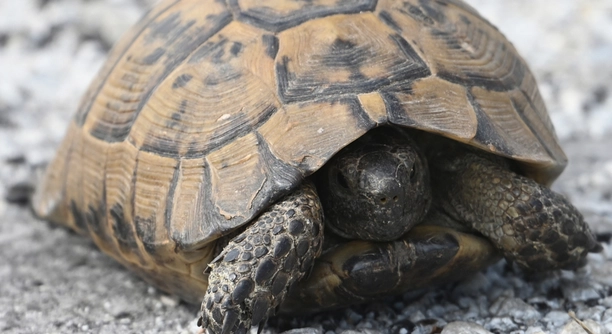
Greek tortoises are known for their unique behaviors, but when they scratch at night, it can be puzzling. Understanding the causes behind this activity can help ensure their well-being. Several factors contribute to this nighttime behavior.
Nighttime scratching in Greek tortoises can stem from various factors such as environmental stress, discomfort, or natural behavior. Issues like temperature fluctuations, dryness, or the need for nesting may trigger this scratching at night.
Understanding the reasons behind the scratching can guide you in creating a more comfortable and suitable environment for your tortoise.
1. Temperature Fluctuations
Temperature plays a vital role in a Greek tortoise’s comfort. If the temperature in the enclosure fluctuates too much, your tortoise may feel the need to scratch. This behavior often occurs if the basking spot is too hot or too cold. Tortoises rely on temperature gradients to regulate their body heat. If the warm spot becomes too warm or the cooler areas are not cool enough, your tortoise will try to adjust its position, which can result in scratching. Monitoring and adjusting the enclosure’s temperature is important for keeping your tortoise comfortable and avoiding unnecessary stress.
Maintaining a steady temperature range between 75-85°F (24-29°C) during the day can help ensure your tortoise stays content.
If the temperature remains consistent, your tortoise will be able to rest comfortably at night without scratching excessively. This consistency reduces stress, which can be a major cause of night-time movement. Additionally, providing a proper temperature gradient within the enclosure allows your tortoise to move to different areas depending on its needs.
2. Dryness and Humidity Levels
Humidity levels in the enclosure can also cause your tortoise to scratch at night.
Greek tortoises need proper humidity to maintain hydration and overall health. If the humidity level in the enclosure is too low, your tortoise may feel the need to scratch in search of a better spot. This can also result in skin irritation or dehydration, leading to further distress. The ideal humidity range for Greek tortoises is between 40-60%. Adjusting the humidity can be done by spraying water in the enclosure or using a humidifier to maintain proper moisture levels.
A stable and balanced environment helps your tortoise avoid scratching due to discomfort. Too much dryness can lead to both physical and behavioral issues. Your tortoise may be more inclined to scratch to relieve irritation or try to find a more comfortable area. Keeping a consistent level of moisture in its habitat is key to preventing this behavior.
3. Inadequate Space
A cramped enclosure can lead to your tortoise feeling stressed. When there isn’t enough space to move around freely, your tortoise might start scratching or digging, hoping to find a more comfortable spot. This behavior can also be a sign of frustration. Providing a larger habitat gives your tortoise the freedom it needs to explore and settle without anxiety.
A larger space allows your tortoise to engage in natural behaviors, such as foraging and moving between warmer and cooler areas. These activities help reduce stress and avoid repetitive behaviors like scratching. It’s important to size the enclosure according to your tortoise’s age and species to ensure it has plenty of room to roam.
Ensuring the enclosure is spacious also supports better overall health. A tortoise that feels confined may not eat or behave normally, making it more susceptible to stress-related health issues. Scratching at night may simply be a result of seeking out more space or trying to escape confinement.
4. Stress from Other Pets
Other pets in the household could be causing stress. A Greek tortoise is naturally shy and may feel threatened by the presence of other animals, such as dogs or cats. This anxiety could lead to scratching, especially if it feels cornered or unable to retreat to a safe space.
When other pets are around, it’s essential to ensure that the tortoise’s enclosure is secure and out of their reach. Placing the enclosure in a quiet area of the house can also help reduce stress from constant noise or activity. Your tortoise needs peace to feel comfortable and safe.
Tortoises are sensitive creatures, and interactions with other pets can create unwanted stress, especially if the animals are not introduced properly. This stress can manifest as repetitive behaviors like scratching, which can be avoided by managing the tortoise’s environment carefully. Creating a calm space will help reduce scratching and other signs of stress.
5. Natural Behavior
Scratching at night could simply be a part of your tortoise’s natural behavior. Tortoises often dig and scratch as a way to make their environment more comfortable. It’s not uncommon for them to scratch at the ground, especially when trying to find a suitable resting place.
If your tortoise is scratching at night, it may just be preparing its space for sleep. This type of behavior is instinctual and related to nesting. While it might seem excessive, it’s not usually a sign of distress unless it’s paired with other troubling behaviors.
6. Health Issues
Health problems might also lead to scratching. Skin irritation, parasites, or even shell issues can cause discomfort, prompting your tortoise to scratch. Regular check-ups from a vet are essential to catch any underlying health problems early.
If your tortoise continues to scratch excessively, it’s important to assess its health. An unhealthy tortoise may scratch to relieve pain, irritation, or discomfort caused by injuries or infections. Ensure that your tortoise’s shell and skin are in good condition to rule out any medical concerns.
7. Substrate Choice
The type of substrate in your tortoise’s enclosure can affect its behavior. A substrate that is too rough or uncomfortable might irritate your tortoise’s feet or skin, leading to scratching. Choosing a soft, safe bedding will improve comfort and reduce unwanted behaviors.
FAQ
Why is my Greek tortoise scratching at night?
Scratching at night can be caused by several factors, including environmental stress, temperature fluctuations, or natural behavior. Tortoises scratch to find a more comfortable spot or to adjust their surroundings. It may also be a result of discomfort from dryness, inadequate space, or health issues.
How can I prevent my tortoise from scratching?
To prevent scratching, ensure your tortoise’s environment is stable. Maintain consistent temperature and humidity levels, provide enough space to roam, and choose a soft, comfortable substrate. Regular health checks are also important to ensure there are no underlying health issues causing discomfort.
Is scratching a sign of stress in Greek tortoises?
Yes, excessive scratching can be a sign of stress. Factors like being confined in a small space, having other pets nearby, or sudden changes in the environment can cause your tortoise to scratch in an attempt to relieve stress. A quiet, stable habitat is key to minimizing stress.
Can scratching be a sign of illness in a Greek tortoise?
Scratching could indicate health issues, such as skin irritation, parasites, or injuries. If your tortoise scratches excessively, check its skin and shell for any signs of infection, injury, or abnormal growth. If you notice any abnormalities, consult a vet.
How can I ensure my tortoise’s enclosure is comfortable?
Make sure the enclosure provides a temperature gradient, humidity control, and enough space to move around. Regularly clean the habitat to prevent the build-up of waste and bacteria. Provide hiding spots, water, and a suitable substrate for digging to mimic their natural environment.
What is the ideal temperature for a Greek tortoise’s enclosure?
The ideal temperature range for a Greek tortoise is between 75-85°F (24-29°C) during the day. A basking spot should be around 90°F (32°C), while cooler areas should not drop below 70°F (21°C) at night. Maintaining a consistent temperature prevents stress.
How often should I check my tortoise’s health?
It’s important to perform regular health checks to monitor your tortoise’s well-being. A yearly visit to the vet is recommended, along with checking its shell, skin, and eyes regularly for any signs of infection, mites, or other health concerns.
Can my tortoise scratch due to the type of substrate?
Yes, the substrate can affect your tortoise’s behavior. Rough or uncomfortable bedding may irritate its skin and cause scratching. Choosing a soft, non-abrasive substrate such as coconut coir, hay, or leaf litter can prevent discomfort and excessive scratching.
Should I change my tortoise’s enclosure if it’s scratching at night?
If your tortoise is scratching due to environmental factors like temperature or humidity imbalances, you may need to adjust the enclosure. Ensure that the space is large enough, the temperature is stable, and the substrate is appropriate. A more comfortable environment may reduce scratching.
Why does my tortoise scratch during the day as well?
Daytime scratching is usually a result of the same factors as nighttime scratching. It could be related to temperature discomfort, a lack of space, or natural digging behavior. Check if the daytime temperature and humidity are balanced and make adjustments as needed.
Can my tortoise be scratching to find a mate?
While it’s possible for a tortoise to scratch in an attempt to attract a mate, this behavior is more common in males during mating season. However, if your tortoise is scratching year-round, the cause is more likely related to environmental or health factors.
What should I do if my tortoise’s scratching doesn’t stop?
If the scratching persists despite providing a proper environment, it’s time to consult a vet. Prolonged scratching could indicate a health problem, such as parasites or skin conditions, that needs medical attention. Keep an eye out for other symptoms, like lethargy or loss of appetite.
How can I reduce stress in my tortoise’s enclosure?
Minimize stress by ensuring your tortoise has enough space, proper temperature and humidity levels, and a peaceful environment. Avoid placing the enclosure in high-traffic areas or near loud, active pets. Providing hiding spots will help your tortoise feel secure.
Is it normal for a tortoise to scratch the walls of its enclosure?
Occasionally, a tortoise may scratch the walls of its enclosure as a sign of exploration or frustration. However, if it’s scratching excessively, it could be trying to escape due to inadequate space or environmental discomfort. Make sure the enclosure is spacious and well-maintained.
Can I stop my tortoise from scratching by changing its diet?
While diet plays a crucial role in a tortoise’s overall health, changing its diet may not directly stop scratching. However, providing a balanced diet with proper nutrients can help improve its health and reduce discomfort that may lead to scratching.
Final Thoughts
Scratching in Greek tortoises at night can be a common behavior, but it is important to understand why it happens. This behavior could be linked to several factors, including natural instincts, health issues, or environmental discomfort. Tortoises may scratch as part of their routine to find a comfortable resting place or to adjust their surroundings. However, if the scratching seems excessive or if it is accompanied by signs of stress or health issues, it’s important to take action.
One of the main things to consider is the environment your tortoise is living in. Factors such as temperature, humidity, and substrate quality can all impact your tortoise’s behavior. A stable and comfortable habitat is essential for their well-being. By making sure that the enclosure has proper heating, humidity control, and a suitable substrate, you can reduce unnecessary stress or discomfort that might lead to excessive scratching. Additionally, ensuring that your tortoise has enough space to roam and explore can also make a big difference.
If the scratching continues despite having the right environmental conditions, it’s important to assess your tortoise’s health. Skin irritations, parasites, or injuries can all cause discomfort, prompting your tortoise to scratch. Regular vet checkups and paying attention to any changes in your tortoise’s behavior are key to catching health issues early. Overall, understanding the root cause of the scratching can help you provide the right care and ensure that your tortoise remains healthy and comfortable.

Hello,
If you enjoy the content that we create, please consider saying a "Thank You!" by leaving a tip.
Every little bit helps us continue crafting quality advice that supports the health, happiness, and well-being of pets around the world, for pets of all shapes, sizes, and species.
We really appreciate the kindness and support that you show us!