
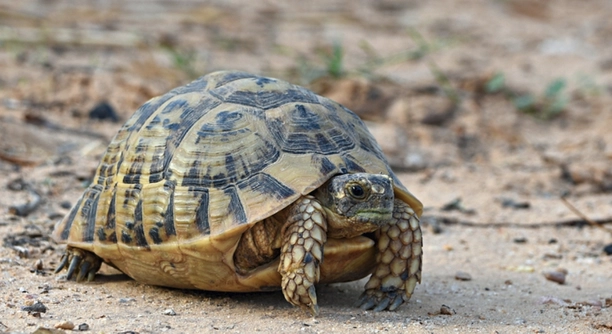
Greek tortoises rely on a balanced diet for proper digestion. Their nutritional needs are essential for maintaining their overall health. Providing the right foods can support their digestive system and ensure a happy, healthy tortoise.
Several foods can improve a Greek tortoise’s digestion, including high-fiber plants such as dandelion greens and collard greens. Additionally, introducing small amounts of pumpkin, carrots, and fiber-rich fruits can promote regular digestion and enhance their overall gut health.
Offering the right foods to support your tortoise’s digestive system can make a significant difference in their health and happiness.
Dandelion Greens: A Digestive Boost for Greek Tortoises
Dandelion greens are an excellent addition to a Greek tortoise’s diet. These leafy greens are packed with fiber, which helps regulate the digestive process. They also contain essential vitamins and minerals, like calcium and vitamin A, which promote overall health. The high fiber content encourages smooth digestion, preventing common issues like constipation. These greens are also easy to find and offer a natural food source that tortoises instinctively enjoy. When fed in moderation, dandelion greens can keep their digestive system functioning properly while providing a tasty treat.
They are a great choice for daily feeding, but be mindful of how much you offer at once. Too much dandelion greens can cause digestive upset.
Incorporating dandelion greens into your tortoise’s meals can enhance their digestion significantly. This plant-based food supports gut health, boosts immunity, and is rich in antioxidants. When combined with other fiber-rich foods, dandelion greens can help maintain a balanced diet. Their easy availability makes them a convenient choice for regular feeding.
Pumpkin: A Gentle and Effective Choice
Pumpkin is another excellent food for improving digestion. This fruit is high in fiber and water content, making it a great option for easing digestive issues. It is gentle on the stomach and helps maintain regular bowel movements.
The soft texture and mild flavor make it easy for Greek tortoises to consume. The added moisture from the pumpkin helps in preventing dehydration, which can also affect digestion. Additionally, pumpkin contains essential vitamins like vitamin A, which supports overall health. Be sure to feed it in small amounts to avoid overfeeding, as too much pumpkin may lead to loose stools.
The best way to serve pumpkin is by offering it in small chunks or thin slices. This makes it easy for your tortoise to eat while still benefiting from its digestive properties. Whether raw or lightly cooked, pumpkin is a nutritious option that supports your tortoise’s digestive system. By including it in their diet, you are helping them maintain digestive health naturally.
Collard Greens: A Fiber-Rich Option
Collard greens are another fiber-packed food that supports digestion in Greek tortoises. These leafy vegetables provide a healthy dose of fiber, helping to keep the digestive tract moving. Collard greens are also rich in vitamins and minerals that contribute to overall well-being.
This vegetable helps regulate the digestive system while offering calcium and vitamin K, which support bone health. Collard greens are easy to find and provide a consistent food source. Offering them regularly helps maintain smooth digestion and provides variety to your tortoise’s diet. Ensure they are washed well before feeding to avoid any pesticides.
To include collard greens in your tortoise’s diet, offer them chopped into manageable pieces. This allows them to consume the greens more easily and efficiently. Avoid overfeeding, as too many greens can cause imbalance in their diet. By pairing them with other digestive-friendly foods, you can create a nutrient-dense meal that promotes healthy digestion and overall vitality.
Carrots: Nutrient-Dense and Digestive-Friendly
Carrots are a good source of fiber and nutrients, making them a beneficial addition to a Greek tortoise’s diet. The fiber content in carrots helps support digestion and promotes healthy gut movement. They are also rich in beta-carotene, which contributes to improved vision and immune function.
When feeding carrots, cut them into small pieces or slices to prevent choking. While carrots provide digestive support, they should be offered in moderation due to their higher sugar content. Excess sugar can lead to digestive issues, so small amounts are sufficient for optimal health. Pairing carrots with leafy greens like dandelion or collard greens ensures a balanced diet.
Carrots can be served raw, grated, or chopped into pieces, depending on your tortoise’s preference. The mild taste is often favored, and they provide a tasty way to encourage your tortoise to eat. When paired with other fiber-rich foods, carrots can help regulate digestion and promote better overall health.
Figs: A Natural Digestive Aid
Figs are another great food for improving digestion. High in fiber and natural sugars, they promote gut health and regular bowel movements. The soft, chewy texture makes figs an enjoyable treat for your tortoise.
Feeding figs occasionally can help improve digestion without overwhelming the system. They’re easy to digest and provide essential nutrients, including calcium and potassium. Figs also contain antioxidants that can support overall health.
Cucumber: Refreshing and Hydrating
Cucumber is a great hydrating option for Greek tortoises. Its high water content helps keep your tortoise hydrated, supporting digestion and overall health. The mild flavor and crunchy texture make it easy to incorporate into their diet.
Cucumbers are rich in vitamins like vitamin K and minerals such as magnesium. They provide a refreshing snack that supports hydration, essential for proper digestion. However, cucumbers should be offered in moderation, as they are low in fiber compared to other vegetables. When given alongside fiber-rich options, cucumbers help balance your tortoise’s diet.
What foods should be avoided for Greek tortoises’ digestion?
Some foods can disrupt a Greek tortoise’s digestion and should be avoided. These include high-protein foods like meat, dairy, or processed foods. Such items can cause an imbalance in their digestive system, leading to health issues. Additionally, certain fruits like grapes and citrus fruits should be avoided due to their high sugar content. These can lead to gastrointestinal upset, including diarrhea or bloating. Stick to high-fiber, low-sugar vegetables and fruits for the best results.
Can Greek tortoises eat fruits regularly?
Fruits should only be offered in moderation. While some fruits provide essential vitamins and minerals, they are often high in sugar. Excess sugar can cause digestive problems and imbalance in the tortoise’s gut flora. Fruit like apples, pears, and berries can be given occasionally, but they should not be a staple in their diet. Prioritize vegetables and leafy greens as the primary food source for better digestive health.
How often should I feed my Greek tortoise?
Feeding frequency depends on the age of your tortoise. For young tortoises, offer food daily, while adult tortoises typically require food every other day. Adult tortoises are less active and have a slower metabolism. Always monitor the tortoise’s appetite and adjust accordingly. Overfeeding can lead to obesity, so it’s important to offer balanced portions. Providing fresh food each time also helps maintain healthy digestion.
What are the signs of digestive problems in Greek tortoises?
Signs of digestive issues include lack of appetite, lethargy, diarrhea, or difficulty passing stool. A bloated or swollen stomach may indicate that the tortoise is having trouble digesting food. If you notice any of these symptoms, consult a veterinarian who specializes in reptiles. Regularly monitoring your tortoise’s eating habits and stool can help identify potential issues early on. Keeping track of their diet can assist in avoiding digestive problems.
Is it okay to feed Greek tortoises commercially prepared foods?
Commercially prepared foods should be used sparingly and as a supplement to a fresh vegetable-based diet. While these foods can be convenient, they often lack the natural nutrients found in fresh, whole foods. Many commercial foods may also contain preservatives and additives that aren’t ideal for your tortoise’s digestive system. Always read labels and ensure that any prepared food is specifically designed for tortoises. Fresh greens and vegetables should always be prioritized.
Can Greek tortoises eat leafy greens daily?
Leafy greens are an essential part of a Greek tortoise’s daily diet. They provide important fiber, vitamins, and minerals. Safe options include dandelion greens, collard greens, mustard greens, and turnip greens. These greens help maintain healthy digestion and support bone health. However, not all leafy greens are safe, so avoid those with high oxalate content, such as spinach, which can interfere with calcium absorption. Offering a variety of greens ensures a balanced diet for your tortoise.
How do I prepare food for my Greek tortoise?
When preparing food for your Greek tortoise, wash all vegetables thoroughly to remove any pesticides or chemicals. Cut food into small, manageable pieces to prevent choking. You can offer food in a shallow dish or scatter it around their enclosure to mimic foraging behavior. Always remove any uneaten food after a few hours to avoid contamination. Keep the food fresh and ensure that it is the right size for your tortoise’s mouth and digestive capacity.
Can Greek tortoises eat flowers?
Certain flowers are safe for Greek tortoises and can add variety to their diet. Flowers like hibiscus, dandelions, and nasturtiums are not only safe but also nutritious. They contain vitamins and minerals that support digestion. However, avoid flowers that may have been treated with pesticides or chemicals. Stick to flowers that you can safely harvest from your garden or a trusted source. Flowers should be offered as an occasional treat rather than a daily food source.
What should I do if my Greek tortoise is constipated?
If your tortoise is constipated, ensure it has access to fresh water and high-fiber foods. Dehydration and lack of fiber are the most common causes of constipation in tortoises. Increase the amount of leafy greens and offer foods like pumpkin or dandelion greens to help stimulate bowel movements. You can also soak your tortoise in warm water for about 15-20 minutes, which can help relieve constipation. If the problem persists, a visit to a reptile vet is advised to rule out other health issues.
How can I ensure my Greek tortoise has a balanced diet?
To ensure a balanced diet for your Greek tortoise, focus on a variety of high-fiber vegetables, leafy greens, and occasional fruits. Aim for foods that are low in sugar and high in calcium to promote bone health. Avoid feeding too many high-protein foods, as this can disrupt digestion. Offer fresh, safe food sources regularly, and vary the options to keep the diet interesting and nutritionally complete. Ensure that your tortoise has access to clean water at all times and avoid overfeeding. Monitoring their health and behavior will help adjust their diet as needed.
Feeding your Greek tortoise the right foods is essential for its health and well-being. A balanced diet that includes fiber-rich vegetables, occasional fruits, and safe greens will keep their digestive system working properly. Foods like dandelion greens, figs, and cucumbers help maintain a healthy gut. Providing these nutrients in the right proportions ensures that your tortoise gets the vitamins and minerals it needs without upsetting its digestion. Avoiding high-protein foods and those high in sugar can help prevent digestive issues. With proper care, a varied and balanced diet will keep your tortoise in great shape.
It’s also important to remember that every tortoise is different, and their dietary needs may vary depending on their age, size, and activity level. Young tortoises typically require daily meals, while adults may need food every other day. Adjusting your tortoise’s feeding schedule based on its individual needs ensures that it gets the right amount of food without overeating. Keep an eye on your tortoise’s weight, appetite, and overall condition to determine if their diet is working well. If any digestive problems arise, such as constipation or diarrhea, consider reviewing the food choices and making necessary adjustments.
Lastly, a consistent feeding routine and proper food preparation are key to supporting a Greek tortoise’s digestion. Washing vegetables thoroughly and cutting them into appropriate sizes helps ensure that your tortoise eats safely. Fresh, clean water should always be available to aid digestion and prevent dehydration. By keeping their diet diverse and natural, you help your tortoise live a long and healthy life. If you’re ever unsure about the right foods or if digestive issues persist, consulting with a reptile vet can provide further guidance.

Hello,
If you enjoy the content that we create, please consider saying a "Thank You!" by leaving a tip.
Every little bit helps us continue crafting quality advice that supports the health, happiness, and well-being of pets around the world, for pets of all shapes, sizes, and species.
We really appreciate the kindness and support that you show us!