
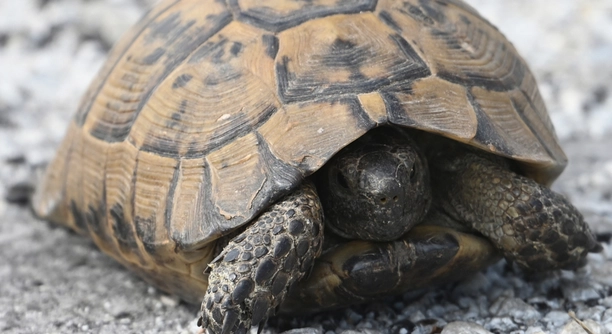
Greek tortoises may occasionally eat rocks, but this behavior often raises concerns for their health. Understanding the causes behind this peculiar habit can help ensure their well-being and prevent potential risks.
Tortoises may eat rocks due to stress, a lack of essential nutrients, or boredom. In some cases, they may be mimicking natural behaviors or engaging in compulsive habits. Understanding these causes can help prevent harm to their health.
Identifying these factors can help address the issue and protect your tortoise’s health in the long run.
Causes of Rock-Eating in Greek Tortoises
Stress is one of the most common reasons why Greek tortoises might start eating rocks. A change in their environment, such as a new enclosure or too much noise, can trigger stress. Tortoises are sensitive creatures, and any shift in their routine or surroundings can cause anxiety. In addition, if they are housed with other animals or if their space is too small, it may make them feel threatened or uncomfortable. As a result, some tortoises may resort to strange behaviors, including chewing on rocks, as a coping mechanism.
Another potential cause of this behavior is a nutritional imbalance. If a tortoise isn’t getting the proper balance of calcium and other essential minerals, it might turn to rocks to try to make up for the deficiency. This is especially common in young tortoises who require high calcium levels for healthy shell growth.
If a tortoise is eating rocks due to stress or a nutritional issue, it’s essential to address both factors immediately. Providing a safe, quiet space and offering a more balanced diet can greatly reduce this behavior.
Risks of Rock-Eating
Rock-eating can be dangerous for Greek tortoises. The ingestion of rocks can lead to digestive issues such as blockages or even tears in the stomach or intestines. These types of injuries can cause serious health problems, including infections or internal damage.
Regularly eating rocks also wears down a tortoise’s teeth and mouth, making it difficult for them to eat other foods properly. In some cases, it can lead to long-term health complications. If left unchecked, the habit of eating rocks can have a lasting impact on their overall well-being.
Understanding the potential dangers is crucial. Taking steps to eliminate the cause of the behavior can prevent long-term damage and keep your tortoise healthy.
Solutions to Prevent Rock-Eating
To stop your tortoise from eating rocks, start by adjusting its environment. Make sure the enclosure is large enough for them to feel comfortable and avoid overcrowding. Consider adding hiding spots and natural objects to mimic a more familiar, outdoor environment.
Another step is to address any dietary deficiencies. Offer a balanced diet that includes calcium-rich foods such as dark leafy greens, and make sure they have access to cuttlebone or other calcium supplements. Additionally, providing a UVB light can help them absorb the nutrients they need.
If the behavior persists despite changes in environment and diet, it may be worth consulting a veterinarian for further advice. They can rule out any underlying health problems that may be contributing to this issue.
Environmental Factors Contributing to Rock-Eating
Environmental changes often cause Greek tortoises to eat rocks. They may feel stressed in an unfamiliar or too-small space. Even excessive noise or frequent handling can disrupt their comfort. To avoid this behavior, provide a quiet, spacious environment that mimics their natural habitat. Make sure the temperature and humidity levels are consistent, as these factors can affect their behavior and overall health.
The presence of other animals can also play a role. If your tortoise feels threatened by other pets, such as other reptiles or even household pets like dogs or cats, it may begin engaging in odd habits like eating rocks. To prevent this, keep their enclosure separate and calm, allowing them to feel secure in their space.
Nutritional Imbalances and Rock-Eating
Nutritional deficiencies are another major reason behind rock-eating. A lack of calcium is particularly common in Greek tortoises. This essential mineral is needed for healthy bone and shell development, and without it, tortoises may begin seeking alternative sources like rocks. To prevent this, make sure your tortoise’s diet includes high-calcium foods like dark leafy greens. Additionally, providing a cuttlebone or calcium supplement will help maintain their health.
Inadequate hydration can also contribute to this behavior. Tortoises need to be properly hydrated to maintain their digestive health and avoid seeking unusual substances like rocks. Ensure your tortoise has access to fresh water at all times, and consider soaking them in shallow water a few times a week to encourage hydration.
Boredom and Rock-Eating Behavior
Boredom can trigger rock-eating in Greek tortoises. If they don’t have enough stimulation, they may resort to chewing on anything they can find, including rocks. Providing a variety of enrichment options like safe plants, hiding spots, and objects to climb on can help keep them mentally and physically active.
In the wild, tortoises have ample space to explore and engage with their environment. Without the proper stimulation in captivity, they may engage in undesirable behaviors like eating rocks. Offering diverse activities and changes in their routine can reduce this behavior and improve their overall well-being.
Preventing Rock-Eating with Proper Diet
To prevent rock-eating, ensure your Greek tortoise’s diet is well-rounded. Besides calcium-rich vegetables, offer other nutritious foods like grasses, flowers, and occasional fruits. Avoid feeding them too much protein or fatty foods, which can disrupt their digestive system. A balanced diet plays a key role in maintaining their health.
In addition to food, provide access to supplements like cuttlebone, which is an excellent source of calcium. This will help prevent deficiencies and discourage the tortoise from seeking out rocks as an alternative source of nutrition. Consistency in diet and supplements will keep your tortoise in optimal health.
The Role of Routine in Preventing Rock-Eating
A consistent routine is crucial in preventing rock-eating behavior. Greek tortoises thrive on predictability. Establish a regular feeding schedule, provide a stable environment, and limit disruptions in their habitat. Tortoises are more likely to engage in problematic behaviors when their routine is altered unexpectedly.
FAQ
Why does my Greek tortoise keep eating rocks?
Greek tortoises may eat rocks for several reasons, including stress, boredom, or nutritional deficiencies. Stress can arise from changes in their environment, overcrowding, or noisy surroundings. Boredom is common if they lack stimulation or space to explore. Nutritional imbalances, especially calcium deficiencies, also contribute to this behavior, as tortoises may instinctively seek out rocks to fulfill their needs.
How can I stop my tortoise from eating rocks?
To stop your tortoise from eating rocks, first assess its environment. Ensure the enclosure is spacious, quiet, and free of potential stressors. Provide plenty of hiding spots and climbing objects to keep them mentally engaged. Adjust the diet to include calcium-rich foods, like dark leafy greens, and consider adding calcium supplements such as cuttlebone. Proper hydration is also essential, so ensure they have access to fresh water.
Can eating rocks harm my tortoise?
Yes, eating rocks can be harmful to your tortoise. It can lead to digestive blockages, which may cause pain or serious health complications. The rocks can also damage their mouth, teeth, and digestive tract. Long-term ingestion of non-food items can result in more severe health problems that may require veterinary attention.
Is it normal for my tortoise to eat rocks occasionally?
Occasionally, a tortoise may nibble on rocks without major health risks, but frequent or repeated behavior can be a sign of an underlying issue. If your tortoise eats rocks regularly, it’s essential to address potential causes such as stress, boredom, or nutritional deficiencies to prevent further complications.
Should I be concerned if my tortoise eats rocks when stressed?
Yes, stress-related rock-eating should be addressed. Stress can lead to long-term health issues if not managed. Tortoises are sensitive to changes in their environment. Therefore, it’s crucial to create a stable and comfortable habitat for your tortoise. Reducing stressors, like loud noises or overcrowded living spaces, can help minimize this behavior.
What can I do if my tortoise is eating rocks because of a calcium deficiency?
If your tortoise is eating rocks due to a calcium deficiency, the first step is to improve its diet. Ensure it gets enough calcium from foods like kale, collard greens, or dandelion greens. Offering a cuttlebone or other calcium supplements is also a good way to prevent deficiencies. UVB lighting can also help them absorb calcium more efficiently.
Can I prevent rock-eating by changing my tortoise’s habitat?
Yes, changes to the tortoise’s habitat can help prevent rock-eating. A spacious, clean, and quiet enclosure will reduce stress and provide a safer environment. You can also add elements like plants, hides, and climbing objects for enrichment. Providing a habitat similar to their natural surroundings will help keep them content and prevent boredom-induced behavior like rock-eating.
How much calcium should my Greek tortoise get?
Greek tortoises need a proper balance of calcium for healthy bones and shell development. Generally, their diet should consist of 80-90% high-fiber, low-protein foods, and 10-20% calcium-rich vegetables. Calcium should be provided daily, either through diet or supplements. A cuttlebone is a great supplement, as well as leafy greens such as collard greens, turnip greens, and dandelion greens.
Are there any natural behaviors that could be mistaken for rock-eating?
Yes, some behaviors, like chewing on rocks, may stem from natural instincts, such as exploring their environment. However, if the behavior becomes frequent or obsessive, it’s important to investigate underlying causes like stress, boredom, or nutritional issues. Tortoises also sometimes chew on objects to help with wear on their beaks, but continuous rock eating should not be overlooked.
Should I consult a vet if my tortoise keeps eating rocks?
If the behavior persists despite your efforts to address the potential causes, consulting a veterinarian is recommended. A vet can rule out any medical issues, like digestive problems or parasites, and provide additional guidance on improving your tortoise’s diet or environment. They can also offer advice on managing stress and ensuring your tortoise’s overall health.
Final Thoughts
Rock-eating in Greek tortoises is not uncommon, but it should not be ignored. When your tortoise begins eating rocks, it’s important to assess the reasons behind the behavior. Whether it’s caused by boredom, stress, or a lack of necessary nutrients, addressing the root cause can help prevent future health problems. A well-balanced diet, a comfortable environment, and appropriate enrichment activities are essential for keeping your tortoise healthy and happy.
A key factor in managing this behavior is providing a proper habitat. Greek tortoises need space to roam and explore, as well as items like hides, plants, and climbing structures to keep them entertained. A lack of stimulation often leads to unwanted behaviors like rock-eating. If the tortoise’s living environment is not properly maintained or lacks enrichment, it may turn to rocks or other non-food objects to fulfill its need for stimulation. Creating a suitable and engaging habitat is one of the most effective ways to reduce the likelihood of rock-eating.
Additionally, ensuring your tortoise’s diet meets its nutritional needs plays a major role. A calcium deficiency is a common reason for this behavior. If your tortoise is not receiving the proper nutrients, it may attempt to consume rocks as a way to satisfy its cravings. Offering a variety of leafy greens and adding calcium supplements like cuttlebone can help address this issue. Providing the right foods in the right amounts, along with adequate hydration, ensures your tortoise’s health is well-maintained and reduces the chances of rock-eating becoming a persistent problem.

Hello,
If you enjoy the content that we create, please consider saying a "Thank You!" by leaving a tip.
Every little bit helps us continue crafting quality advice that supports the health, happiness, and well-being of pets around the world, for pets of all shapes, sizes, and species.
We really appreciate the kindness and support that you show us!