
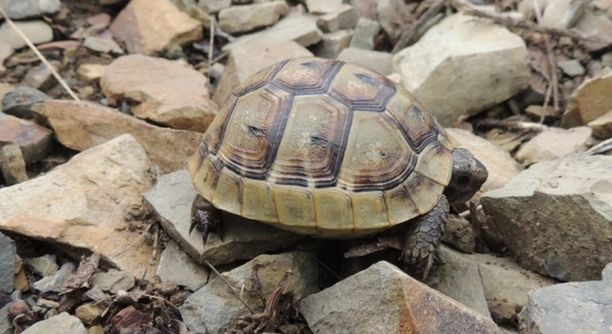
Moving to a new home can be a stressful experience for any pet, including your Greek tortoise. If your tortoise isn’t eating after the move, it may be due to several factors that are easy to address.
Your Greek tortoise may not be eating due to stress, environmental changes, or a disrupted routine following the move. It is important to ensure the new habitat is comfortable, and familiar conditions are restored as much as possible to promote eating.
With a few adjustments, you can help your tortoise feel more comfortable and get back to its regular eating habits.
Stress from the Move
Your Greek tortoise might not be eating simply because it is feeling stressed after moving. Changes in its environment, like new surroundings and noises, can cause anxiety. Tortoises are creatures of habit, so any sudden shift in their environment can disrupt their normal behavior. It may take some time for your pet to adjust to its new home, especially if it’s not familiar with the new space. Be patient, as stress can lower its appetite.
It’s important to monitor your tortoise’s overall behavior to gauge how stressed it might be. Look for signs like hiding or staying in one spot for too long.
To help reduce stress, provide a calm and quiet environment. Avoid handling your tortoise too much at first, as this can add to its anxiety. Ensure the habitat is set up with familiar elements from the old space, such as lighting, humidity levels, and substrate. A comfortable, stable environment will help your tortoise settle in.
Temperature and Humidity Issues
Temperature and humidity are key factors in your tortoise’s eating habits. If these are not properly regulated, it can lead to a lack of appetite.
Greek tortoises need a warm, dry environment to feel comfortable. If the temperature in the new home is too low, your tortoise may become sluggish and refuse food. Make sure the basking area stays around 90-95°F and the cooler side is between 75-85°F.
Humidity is just as important. Too much moisture can cause stress, while too little can lead to dehydration. A proper balance is essential. Keep the humidity around 40-60%. Both temperature and humidity should be monitored with a thermometer and hygrometer to ensure your tortoise is not too hot or cold. By adjusting these factors, your tortoise will feel more at ease and begin eating regularly again.
Diet Changes
If the food you’re offering is different from what your tortoise is used to, it could be the reason it’s not eating. Tortoises can be picky about food and might reject unfamiliar items.
If you’ve switched the type of food or introduced new vegetables, your tortoise may refuse to eat. Stick to the same foods it was accustomed to before the move. Gradually introduce new items to avoid upsetting its digestive system. If it’s not eating the offered foods, try offering its favorite leafy greens or vegetables. Keeping its diet consistent can encourage it to start eating again.
Remember that Greek tortoises prefer fresh, leafy vegetables like dandelion greens, kale, and collard greens. They don’t usually enjoy fruits or high-protein foods. Always make sure the food is fresh and clean. Be patient, and avoid offering treats or excessive amounts of new foods until it starts eating regularly again.
Health Issues
If your tortoise is still not eating, it could be dealing with health issues. Stress and change can lower its immune system, making it vulnerable to illness.
If your tortoise appears lethargic, has swollen eyes, or shows signs of nasal discharge, these could be symptoms of a respiratory infection or another health problem. If you notice any of these, it’s best to consult a vet specializing in reptiles. Health problems may require medical treatment to help your tortoise recover and regain its appetite.
Infections or parasites can affect digestion and reduce hunger. Your tortoise may also be avoiding food due to discomfort caused by these health issues. A thorough check-up by a vet can rule out any medical conditions and give you peace of mind. If your tortoise’s appetite is low for more than a few days, seeking professional help will ensure it gets the care it needs.
Overcrowded or Inadequate Enclosure
Your tortoise may refuse to eat if its enclosure is too small, overcrowded, or doesn’t meet its needs. A cramped space can stress your pet and make it feel unsafe.
Make sure your tortoise has enough room to roam and explore. A cramped enclosure can prevent your tortoise from feeling comfortable, which can lead to it refusing food. It’s important to provide enough space for your pet to move around and bask. If you haven’t already, consider upgrading to a larger habitat.
A spacious enclosure allows your tortoise to have separate areas for basking, eating, and hiding, which will help it feel secure. If you’ve recently moved your tortoise into a smaller or more confined space, try giving it more room to roam and see if that helps improve its eating habits.
Lighting Issues
If your tortoise isn’t eating, it might be due to improper lighting. Greek tortoises need access to UVB light for proper digestion and vitamin D production. Without the right light, your tortoise’s appetite can suffer.
Ensure your tortoise has access to both a basking light for warmth and a UVB light source. The UVB light should cover the area where it spends most of its time, and it should be replaced regularly, as it loses effectiveness over time. Without proper lighting, your tortoise can become lethargic and lose its appetite.
Lack of UVB light can lead to metabolic bone disease, causing discomfort that can prevent eating. For best results, place the UVB light on a timer to ensure it gets the proper amount of exposure during the day. A well-lit environment helps your tortoise feel more at ease and encourages it to eat.
Overfeeding
Overfeeding can also cause your tortoise to lose interest in food. It may simply be too full to eat when offered food.
Offer smaller meals more frequently, and avoid providing large amounts of food at once. When tortoises have constant access to food, they may eat only what they need and avoid excess. By controlling portion sizes, your tortoise will be more likely to consume appropriate amounts without feeling overwhelmed.
FAQ
Why is my Greek tortoise hiding after moving?
Hiding can be a sign of stress or adjustment to the new environment. Greek tortoises are shy animals, and they often retreat to a safe spot when they feel uneasy. After moving, it may take some time for your tortoise to feel secure in its new home. Make sure the habitat provides enough hiding places, such as a small cave or a sheltered area, so your tortoise can retreat when it feels stressed. As it becomes more accustomed to the surroundings, it should start to explore more and feel comfortable eating again.
How long will it take for my tortoise to start eating after moving?
It can vary from tortoise to tortoise, but generally, it might take a few days to a week for your pet to adjust. Stress from the move, along with other environmental factors, can cause your tortoise to refuse food temporarily. If there are no underlying health issues, your tortoise should regain its appetite once it feels settled in. Keep monitoring its behavior and ensure the habitat is well-maintained. You can also try offering familiar food items to encourage eating. If it still refuses to eat after a week, it’s best to check for any health concerns.
Can I feed my tortoise new food after the move?
Introducing new foods can be tricky for a tortoise in a new environment. It’s best to stick to the same diet your tortoise was eating before the move. Greek tortoises are creatures of habit, and sudden changes to their diet may cause them to reject food. Once your tortoise has settled in and is eating regularly, you can gradually introduce new vegetables or plants. Start with small portions of new foods and see how your tortoise reacts before making them a regular part of its diet.
How do I know if my tortoise is sick?
Look for signs such as lethargy, swollen eyes, nasal discharge, or abnormal droppings. If your tortoise is avoiding food, especially for an extended period, it could be a sign of illness. A loss of appetite, along with other symptoms, may indicate respiratory infections or digestive issues. If your tortoise shows any of these signs, it’s best to consult a vet who specializes in reptiles. They can diagnose any underlying health issues and recommend treatment to help your tortoise feel better.
What temperature should my Greek tortoise’s enclosure be?
Greek tortoises need a temperature gradient in their enclosure. The basking area should be around 90-95°F, while the cooler side should be between 75-85°F. This range allows your tortoise to regulate its body temperature and feel comfortable. If the temperature is too low, your tortoise may become lethargic and lose its appetite. On the other hand, if the temperature is too high, it could cause stress or dehydration. Use a thermometer to monitor the temperature and adjust it as needed.
Can I let my tortoise outside after moving?
It’s generally safe to let your Greek tortoise outside if the weather is warm and sunny, as long as it has been properly acclimated to its new environment. However, avoid letting it outside too soon after the move. Stress from the change and being in an unfamiliar outdoor setting can cause it to hide and refuse food. Once your tortoise has settled in and is eating well, you can start taking it outside in a secure, enclosed area. Make sure it has access to shade, food, and water while outside.
What type of light should I use for my Greek tortoise?
Greek tortoises need both heat and UVB light to stay healthy. The basking light should keep the temperature at 90-95°F, while the UVB light helps your tortoise absorb calcium and prevent metabolic bone disease. The UVB light should cover the area where your tortoise spends most of its time. Make sure to replace the UVB light every six months, as it loses its effectiveness over time. Both lights should be on a timer to mimic the natural day-night cycle. Without the proper lighting, your tortoise may become lethargic and lose its appetite.
Is it okay to handle my tortoise too much after moving?
Excessive handling can add to your tortoise’s stress, especially right after a move. It’s best to give your tortoise some time to adjust to its new environment before handling it frequently. Once it starts eating and exploring more, you can gradually introduce handling, but always be gentle and calm. Too much interaction during the adjustment period can make your tortoise feel threatened, which could lead to a lack of appetite or more hiding behavior. Patience is key in helping your tortoise settle in comfortably.
Can I use a heat mat for my Greek tortoise?
Heat mats can be used, but they should be part of the overall heating system and not the primary heat source. Greek tortoises need access to both a basking spot and a cooler area to regulate their temperature. A heat mat can be placed under the cooler side of the enclosure to provide additional warmth, but it shouldn’t be the main heat source. Use a basking light for the primary warmth source and monitor the temperature with a thermometer to ensure it remains within the recommended range. Heat mats alone may not provide enough heat for your tortoise.
How can I help my tortoise adjust faster to its new home?
To help your tortoise adjust faster, make sure its habitat is set up similarly to its previous one. Keep the temperature, humidity, and lighting consistent, and try to replicate any familiar features. Offer familiar food items to encourage eating. Provide plenty of hiding spots to reduce stress and allow your tortoise to feel secure. Avoid excessive handling or changes to its diet until it has settled in. With patience and consistency, your tortoise will adjust and begin to eat again.
Moving to a new home can be a stressful experience for your Greek tortoise, and it’s normal for it to take some time to adjust. Changes in environment, temperature, lighting, and even diet can all play a role in why your tortoise might stop eating. It’s important to be patient and give your pet time to settle into its new surroundings. The stress from the move may make it hesitant to eat, but once it feels comfortable, its appetite should return to normal.
One of the most important things to focus on is recreating a familiar environment. Try to replicate the temperature, lighting, and humidity levels from your tortoise’s previous home to make it feel safe and secure. This can help reduce stress and encourage normal behavior. If your tortoise still refuses to eat after a few days, double-check that the habitat is set up correctly, and ensure that everything, from the food to the enclosure, is in line with its needs. If things don’t improve, it’s worth consulting a veterinarian to rule out any underlying health issues.
Remember, every tortoise is different, and some may take longer than others to adjust. It’s essential to stay calm and monitor your tortoise closely to spot any signs of stress or illness. Don’t be afraid to make changes, such as adjusting the temperature or offering familiar food, to see if it helps. With a little time and care, your Greek tortoise will likely return to its normal eating habits. Keep the environment stress-free and supportive, and your tortoise should be back to its healthy, happy self soon.

Hello,
If you enjoy the content that we create, please consider saying a "Thank You!" by leaving a tip.
Every little bit helps us continue crafting quality advice that supports the health, happiness, and well-being of pets around the world, for pets of all shapes, sizes, and species.
We really appreciate the kindness and support that you show us!