
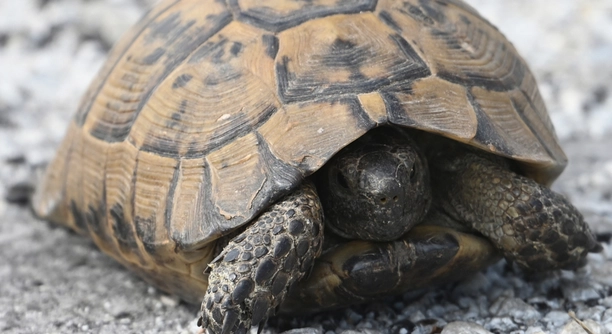
Is your Greek tortoise frequently kicking its substrate? This behavior can be puzzling, especially for those unfamiliar with their natural instincts. Several factors can contribute to this, from environmental conditions to behavioral habits.
Kicking substrate is a common behavior for Greek tortoises. It can stem from natural instincts, such as digging to create a more comfortable environment or attempting to find food. Other reasons may include stress or a need to establish territory.
Understanding these factors will help in managing this behavior effectively and ensuring the well-being of your tortoise.
1. Natural Digging Instincts
Greek tortoises have a strong instinct to dig, which is one of the main reasons they may kick their substrate. In the wild, tortoises dig to create burrows for shelter, to regulate temperature, or to find food. This instinct often persists in captivity, causing them to move the substrate around their enclosures. If your tortoise is constantly kicking, it may be trying to replicate the behavior it would naturally do in the wild. This behavior helps the tortoise feel secure and comfortable in its habitat. Providing a deeper substrate can encourage natural digging activities and prevent frustration.
This behavior is entirely normal. It’s a way for tortoises to establish their environment.
When setting up their enclosure, consider providing a substrate that’s deep enough for digging. Aim for a variety of textures to simulate their natural environment. This can reduce unnecessary kicking and help your tortoise feel more at ease. Also, make sure that the substrate is easy to clean, as constant movement can cause dirt to scatter.
2. Stress and Anxiety
Stress can cause Greek tortoises to display unusual behaviors, including kicking at their substrate. If they feel threatened by loud noises, sudden changes in their environment, or the presence of other animals, they may react by moving their substrate. This is a coping mechanism, much like how other animals might pace or dig when stressed. Identifying the source of stress and eliminating it can help reduce this behavior.
Stress is commonly caused by improper lighting, too much handling, or small enclosures.
Ensuring a calm environment is essential for a tortoise’s mental well-being. If your tortoise is constantly kicking its substrate, examine the lighting and temperature in its habitat. A stable and comfortable environment helps reduce stress. Too little space can also contribute to this anxious behavior, so consider upgrading the enclosure if necessary. It’s crucial to avoid loud sounds around the enclosure and limit unnecessary interactions to help your tortoise feel more secure.
3. Searching for Food
Kicking substrate is also linked to foraging behaviors. Greek tortoises are natural scavengers, often moving debris to uncover food. In captivity, if food is hidden under the substrate or not easily visible, they may resort to kicking and digging in an attempt to find it. This behavior can be a sign that the tortoise is searching for something to eat, especially if they are hungry or their environment lacks sufficient food variety.
Ensure the tortoise’s enclosure is well-stocked with appropriate food sources that are easy to access. You can hide food in safe, accessible places to satisfy its natural foraging instincts. This method reduces frustration and helps avoid excessive digging.
Regularly monitor the food supply and adjust it to meet your tortoise’s needs. Offer a variety of safe plants and vegetables to encourage healthy foraging without the need for kicking. If the substrate contains any uneaten food, remove it promptly to prevent contamination and odor buildup. This keeps the tortoise’s environment clean and the food fresh.
4. Temperature and Humidity Concerns
Temperature and humidity levels directly impact the behavior of Greek tortoises. If the enclosure is too hot or too cold, or if humidity is not regulated correctly, tortoises may exhibit signs of stress, such as kicking at the substrate. When their environment is uncomfortable, they may try to adjust their surroundings in an attempt to find a more favorable temperature. Ensure that your tortoise’s habitat has a proper temperature gradient, with a warm side and a cooler side, to allow for temperature regulation.
Maintaining stable humidity is also essential. Tortoises require a moderate level of humidity to stay healthy, and dry conditions can cause them to behave erratically, including kicking. Using a humidity gauge can help you monitor the levels and adjust the environment as needed.
To achieve the best results, place a heat source on one side of the enclosure and provide a cool area on the opposite side. Regularly check the humidity levels and mist the enclosure if needed to keep the air moist. This balance allows your tortoise to feel comfortable and reduces behaviors like kicking substrate.
5. Nesting Behavior
Female Greek tortoises may kick substrate when they are preparing to lay eggs. This is a natural nesting behavior that helps them create a suitable place for laying. If your tortoise is of reproductive age and is kicking, it could be attempting to find a place to dig a nest.
Ensure that your tortoise has a proper nesting area with soft, deep substrate. This will allow her to dig comfortably and lay her eggs if necessary. A suitable environment helps reduce stress and the urge to kick excessive substrate around.
6. Boredom
Tortoises can become bored if they are not provided with enough stimulation or variety in their environment. Kicking substrate can be a way for them to relieve this boredom, as it mimics natural behaviors like digging or moving objects around. A lack of enrichment often leads to repetitive actions like kicking.
Offer your tortoise toys, new areas to explore, or safe objects to interact with. By providing variety in its enclosure, you can help prevent behaviors linked to boredom. Regularly changing the environment can keep your tortoise engaged and prevent excess kicking.
7. Health Issues
Sometimes, excessive kicking can indicate underlying health problems. If your tortoise is in discomfort, it might attempt to change its environment in a way that could ease the pain or distress. This behavior can stem from physical issues like shell problems, parasites, or other health concerns.
If the kicking behavior is sudden or seems excessive, it’s important to have your tortoise examined by a vet. Early detection of health problems can help resolve issues before they become more serious, ensuring that your tortoise remains healthy and comfortable.
FAQ
Why does my Greek tortoise kick its substrate?
Greek tortoises kick their substrate for several reasons, including natural digging instincts, searching for food, or trying to create a comfortable space. They may also do this due to stress, boredom, or even nesting behavior. It’s important to observe the specific circumstances and environment to determine the cause of the kicking.
How can I stop my tortoise from kicking substrate?
To reduce excessive substrate kicking, make sure your tortoise’s environment is comfortable. Provide a deeper substrate for natural digging, regulate temperature and humidity, and ensure the enclosure is large enough. Also, remove any uneaten food promptly, as it can encourage substrate kicking.
Is it normal for my tortoise to kick at the substrate?
Yes, it’s normal. Kicking substrate is a natural behavior for Greek tortoises. It’s often linked to instincts like digging for shelter, finding food, or preparing a nesting site. However, if the kicking seems excessive or is accompanied by other unusual behaviors, it may require closer inspection of the tortoise’s environment or health.
How do I provide a suitable nesting area for my tortoise?
A proper nesting area should have soft, deep substrate that allows your tortoise to dig comfortably. This should be placed in a quiet, undisturbed corner of the enclosure. You can use materials like soil or sand to mimic natural nesting sites. This helps reduce the kicking behavior associated with nesting.
Can kicking substrate be a sign of stress?
Yes, kicking can be a sign of stress. Tortoises that are uncomfortable due to factors like loud noises, improper temperatures, or small enclosures may kick the substrate as a way to relieve tension. Identifying and eliminating the stressor in the tortoise’s environment will help reduce the behavior.
What should I do if my tortoise keeps kicking the substrate?
First, observe if the kicking is due to natural behaviors like foraging or nesting. Then, check the temperature, humidity, and size of the enclosure. Make sure the substrate is deep enough for digging. If the behavior is persistent or excessive, consider adjusting the environment or consulting a vet.
How deep should the substrate be for my Greek tortoise?
The substrate should be deep enough for your tortoise to dig and burrow naturally, typically around 4-6 inches. This allows the tortoise to engage in its instinctual digging behaviors without frustration. Providing adequate depth helps prevent excessive substrate kicking.
Can Greek tortoises kick their substrate out of boredom?
Yes, Greek tortoises can kick substrate if they are bored. If they don’t have enough stimulation, they may resort to digging or kicking to relieve their boredom. Offering new objects, variety in their environment, or safe places to explore can reduce this behavior.
What type of substrate is best for a Greek tortoise?
A mix of organic soil, coconut coir, and sand is ideal for Greek tortoises. This combination mimics their natural environment, allowing for comfortable digging. Make sure the substrate is free from harmful chemicals and safe for your tortoise to interact with.
Can kicking be a sign of health problems?
Yes, sometimes excessive kicking may indicate health issues. If your tortoise suddenly starts kicking its substrate or does so in a way that seems unusual, it’s important to monitor for other symptoms like changes in appetite or activity. A visit to the vet may be necessary to rule out health concerns.
How can I tell if my tortoise is kicking because it’s stressed?
If your tortoise’s kicking behavior is accompanied by other signs of stress—such as hiding, excessive scratching, or not eating—stress may be the cause. Check the enclosure’s conditions (temperature, humidity, size) and make sure there are no disturbances. Reducing stress factors can help minimize this behavior.
Does temperature affect my tortoise’s kicking behavior?
Yes, temperature plays a role in tortoise behavior. If the enclosure is too hot or too cold, your tortoise may kick its substrate as a way of seeking a more comfortable area. Make sure your tortoise has access to both a warm side and a cooler side in its habitat.
How often should I clean the substrate?
The substrate should be cleaned regularly to prevent waste buildup and maintain a healthy environment. Remove uneaten food and waste daily. Depending on the type of substrate, a full change may be necessary every 2-3 weeks. Keeping the habitat clean helps avoid unnecessary kicking.
What are some signs that my tortoise may be digging excessively?
If your tortoise is digging or kicking excessively, it may be a sign of stress, discomfort, or the need for nesting. Monitor its behavior closely to ensure it isn’t being caused by environmental factors such as incorrect temperature or humidity levels. A lack of food variety or boredom can also lead to excessive digging.
Can I reduce my tortoise’s kicking by increasing enclosure space?
Yes, providing a larger enclosure can reduce kicking behavior caused by a cramped environment. A larger space allows your tortoise to roam, dig, and explore, which helps fulfill its natural instincts and reduces stress. Consider expanding your tortoise’s living space if it seems to be constantly kicking or pacing.
Is it okay for my tortoise to kick at the substrate if there’s no food hidden?
Yes, it’s still normal. Tortoises may kick at their substrate even if there’s no food hidden. It could be a natural part of their behavior as they attempt to dig or search for a more comfortable space. However, ensure the environment is enriching enough to keep them engaged.
Can adding more hiding spots help reduce substrate kicking?
Yes, adding hiding spots or shelters can provide a sense of security for your tortoise. By giving them areas where they feel safe, it may help alleviate stress or anxiety, thus reducing the desire to kick at the substrate. Make sure there are enough spaces to hide and rest.
How can I keep my tortoise from kicking substrate at night?
If your tortoise is kicking at night, consider adjusting the lighting and temperature. Tortoises are diurnal and may become more active if they are too warm or restless. Ensuring they have a dark, quiet space at night may help reduce the kicking behavior during these hours.
Final Thoughts
Understanding why your Greek tortoise kicks its substrate is essential for ensuring its well-being. This behavior is often rooted in natural instincts like digging, seeking food, or creating a comfortable environment. However, excessive kicking can sometimes be a sign of stress, boredom, or an improper habitat. Monitoring your tortoise’s behavior and surroundings will help you determine whether this behavior is normal or requires adjustments to its living conditions. Paying attention to small details in the environment, such as temperature, humidity, and enclosure size, can go a long way in minimizing unnecessary substrate kicking.
To reduce the frequency of substrate kicking, it is important to create an environment that caters to your tortoise’s needs. A deep substrate, like a mix of soil and sand, allows for natural digging. Providing hiding spots, a variety of food, and opportunities for exploration can help prevent boredom and stress. Regularly checking the enclosure’s temperature and humidity levels ensures that your tortoise is comfortable and less likely to exhibit unwanted behaviors. By maintaining a clean environment and offering enrichment, you can help your tortoise feel secure and content, reducing the urge to kick substrate.
In some cases, persistent kicking may point to health issues, such as discomfort or an injury. If your tortoise’s behavior changes suddenly or seems excessive, a visit to the vet may be necessary to rule out any underlying problems. Understanding your tortoise’s natural behaviors and being proactive in creating a healthy, stimulating habitat will help ensure that it thrives. With proper care and attention to detail, you can address the causes of substrate kicking and provide your tortoise with a safe, enriching environment.

Hello,
If you enjoy the content that we create, please consider saying a "Thank You!" by leaving a tip.
Every little bit helps us continue crafting quality advice that supports the health, happiness, and well-being of pets around the world, for pets of all shapes, sizes, and species.
We really appreciate the kindness and support that you show us!