
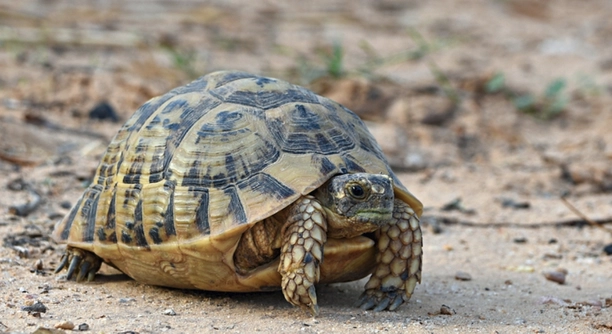
Buying a Greek tortoise is an exciting decision, but there are several important factors to consider before bringing one home. These tortoises require specific care and attention to ensure they thrive in a healthy environment. Understanding these needs is essential.
Before buying a Greek tortoise, assess its diet, habitat, health, and size. Ensure you have the time, resources, and commitment to meet its needs. A well-prepared environment and understanding of its care will help ensure a long, healthy life.
Being aware of these factors will guide you in making the right choice for both you and your new tortoise.
1. What Is Your Tortoise’s Diet Like?
Greek tortoises are herbivores, so their diet consists mostly of grasses, leaves, and some fruits. When feeding them, it’s essential to provide a variety of vegetables and leafy greens to keep them healthy. High-fiber food like dandelion greens, clover, and plantain are excellent options. You should also avoid high-calcium foods, like spinach, as it can affect their absorption of other nutrients. Always ensure fresh water is available for hydration, especially during warm weather when they may be more active.
A proper diet is key to maintaining their health and longevity. Stick to feeding them foods that mimic their natural environment.
Maintaining a balanced diet prevents issues like obesity and shell deformities. Avoiding too many sugary fruits and opting for leafy greens ensures your tortoise gets the right nutrients.
2. How Much Space Does Your Greek Tortoise Need?
Greek tortoises need ample space to roam around and explore.
In captivity, they require a large enclosure, ideally at least 4 feet by 2 feet for one tortoise. The more space, the better. Make sure the enclosure has areas for burrowing, climbing, and basking, as these are activities they naturally engage in. For outdoor enclosures, ensure the area is secure with a solid fence to prevent escapes. Indoor enclosures should be equipped with proper lighting and heating, as Greek tortoises require warmth for digestion.
It’s also important to maintain a safe, comfortable environment. Avoid overcrowding in a space, as it can lead to stress and health issues. Giving them room to explore and exercise will help your tortoise live a more natural, fulfilling life.
3. What Is the Right Temperature for Your Greek Tortoise?
Greek tortoises need a warm environment to stay healthy.
Their habitat should be between 75°F and 85°F during the day. At night, the temperature can drop to 65°F but should not go lower than that. Use a heat lamp or ceramic heater to maintain warmth during the day. For basking, a temperature of about 90°F is ideal. Providing a temperature gradient in their enclosure allows the tortoise to regulate its body temperature. This helps with digestion and overall well-being.
You also need to ensure they have access to a cooler area for resting if they get too warm. Heating should be consistent, especially during colder months.
4. How to Ensure Your Greek Tortoise Is Healthy
Regular checkups are essential to maintaining your tortoise’s health.
Look for signs of good health, such as clear eyes, a clean shell, and active movement. If your tortoise becomes lethargic, loses appetite, or exhibits abnormal behavior, it’s crucial to visit a vet who specializes in reptiles. Healthy Greek tortoises have a smooth, hard shell that is free from cracks or sores. A proper diet, exercise, and an appropriate habitat can prevent most health issues.
Monitoring their behavior and diet helps catch any potential problems early. Always be proactive and ensure their habitat is clean and safe.
Keeping their habitat clean and their environment stable will prevent infections or shell problems. Pay attention to any signs of respiratory distress, like wheezing or labored breathing.
5. What Are the Signs of Stress in Greek Tortoises?
Greek tortoises show signs of stress through behavior changes.
They may become lethargic, stop eating, or hide more often. If the environment is too noisy or crowded, it can cause stress. Other signs include excessive pacing or attempts to escape. Stress can lead to health problems if not addressed promptly.
It’s essential to monitor their behavior and ensure their habitat is quiet and calm. Avoid moving them too often or placing them in stressful environments. A peaceful environment supports their overall well-being and helps them thrive.
6. How Do You Handle a Greek Tortoise?
Handling a Greek tortoise requires care.
Always support its body with both hands, especially its legs and shell. Avoid picking them up by the tail or limbs, as this can cause injury. While they are generally gentle, frequent handling can cause stress. Make sure to keep them close to the ground to prevent falls.
Being cautious and mindful of their comfort while handling them ensures a safer experience for both you and the tortoise. Allow them to explore naturally and only handle them when necessary to avoid disrupting their routine.
7. Can Greek Tortoises Live Together?
Greek tortoises can live together, but with caution.
Male tortoises can become territorial and aggressive toward other males, so it’s better to house them separately. Females can live together peacefully if the space is large enough. Always monitor them for signs of aggression, such as biting or chasing.
FAQ
How long do Greek tortoises live?
Greek tortoises can live for quite a long time, often reaching 50 years or more with proper care. Their lifespan depends on factors like diet, environment, and overall health. Ensuring they have a well-maintained habitat, balanced diet, and regular vet check-ups can contribute to a long, healthy life. They are known for being relatively low-maintenance pets, but their longevity requires commitment.
What size enclosure does a Greek tortoise need?
A Greek tortoise needs a spacious enclosure to feel comfortable. For one tortoise, a minimum of 4 feet by 2 feet is necessary, but larger is always better. If keeping them outdoors, ensure the area is secure with a fence that prevents escape. The enclosure should have enough space for them to move, bask, and hide. Providing room to roam encourages physical activity, which is important for their overall health.
Can Greek tortoises be kept indoors?
Yes, Greek tortoises can be kept indoors, but they need a proper environment to thrive. Their enclosure should include a basking spot with a heat lamp, UVB lighting for their shell and bones, and enough room to move around. Make sure to keep their enclosure warm, but not too hot. If you’re unable to provide outdoor time, a well-maintained indoor setup with proper lighting and temperature control will be essential for their well-being.
What do Greek tortoises eat?
Greek tortoises are herbivores, meaning they eat plant-based food. A healthy diet includes a variety of leafy greens like dandelion, collard greens, and mustard greens. You can also offer grasses, clover, and flowers. A small amount of fruit is fine occasionally, but it should not make up the bulk of their diet. Avoid feeding them high-calcium foods like spinach and stick to foods that are fibrous and rich in nutrients. Always provide fresh water and ensure their food is free of pesticides.
How often should you feed a Greek tortoise?
Greek tortoises typically need to be fed daily, though younger tortoises may need more frequent meals. Adults can be fed every other day, depending on their size and activity level. Make sure to provide fresh food each time and remove any uneaten food to prevent spoilage. Keeping their diet consistent and healthy will help them stay active and grow strong.
How do you handle a Greek tortoise?
Handling a Greek tortoise should be done carefully. Always lift them by supporting their body, ensuring both legs and their shell are supported. Never pick them up by the tail or legs, as this can cause stress or injury. If you want to allow them to explore outside of their enclosure, make sure the area is safe and secure. Avoid handling them too often, as it can lead to stress, and try to keep them close to the ground to prevent any falls.
What is the best temperature for a Greek tortoise?
Greek tortoises need a warm environment to stay healthy. During the day, temperatures should range between 75°F and 85°F, with a basking area around 90°F. At night, the temperature can drop to 65°F but should never go lower. Providing a gradient in their enclosure with both warm and cooler areas will help them regulate their body temperature. A consistent heat source, such as a heat lamp, is crucial, especially during the colder months.
Do Greek tortoises need UV light?
Yes, Greek tortoises require UVB light to help them metabolize calcium and maintain a healthy shell and bones. UVB light mimics natural sunlight and is essential for their health. If they are kept indoors, a UVB light should be provided in their enclosure, as it helps prevent issues like metabolic bone disease. Make sure the light is not too far from them, as it loses intensity over distance. UVB lights should be replaced every six months to ensure effectiveness.
Can Greek tortoises swim?
Greek tortoises are not strong swimmers and should not be placed in deep water. They can, however, enjoy shallow water for soaking, which helps with hydration and helps them maintain healthy skin. It’s important to always supervise them around water to prevent them from becoming overwhelmed. Shallow pans of water in their enclosure are ideal for soaking, as long as they are not deep enough for the tortoise to get stuck or drown.
Are Greek tortoises friendly?
Greek tortoises are generally gentle and not aggressive, making them great pets for those who want a low-maintenance companion. While they may not interact with you as much as other pets, they can recognize their owners and get used to a daily routine. They do not require as much attention as more social pets like dogs or cats, but they do enjoy roaming and exploring their environment. With consistent care, they can become familiar and comfortable in their environment.
Final Thoughts
Greek tortoises are fascinating creatures that can make great pets when given the right care. They are known for their calm demeanor and long lifespan, which can extend over several decades if they are properly cared for. It’s essential to provide them with the correct environment, including proper heating, lighting, and enough space to roam. Greek tortoises are herbivores, so offering a diet rich in leafy greens and other plant-based foods is crucial for their health. Regular monitoring of their well-being, including checking for signs of stress or illness, helps ensure they stay happy and healthy for years to come.
While Greek tortoises are generally low-maintenance, they do require a certain level of commitment. Their habitat needs to be regularly cleaned, and their diet must be varied and nutritious. You also need to be aware of the temperature and humidity requirements to maintain a comfortable living space for them. If you choose to keep them indoors, it’s important to provide UVB light and a heat source to replicate their natural environment. If kept outside, the enclosure needs to be secure to prevent escapes, and you should also be cautious of any potential predators.
Overall, Greek tortoises can be a rewarding pet for the right person. They are not demanding in terms of daily interaction, but they do thrive in an environment that mimics their natural habitat. With the right care, they can become a long-term companion, offering you years of enjoyment as they live out their lengthy lives. Whether you choose to keep them indoors or outdoors, always ensure they have the proper care, diet, and space to lead a healthy and fulfilling life.

Hello,
If you enjoy the content that we create, please consider saying a "Thank You!" by leaving a tip.
Every little bit helps us continue crafting quality advice that supports the health, happiness, and well-being of pets around the world, for pets of all shapes, sizes, and species.
We really appreciate the kindness and support that you show us!