
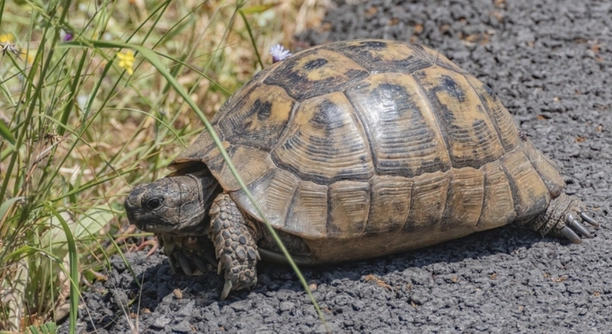
Greek tortoises are fascinating creatures, and observing their behavior can often leave us with questions. One of the common things pet owners notice is their tortoise shaking its legs while basking. This behavior can be intriguing.
The leg shaking seen in Greek tortoises while basking is typically a natural response to various factors such as temperature regulation, muscle relaxation, or even simple stretching. It can also be linked to environmental stimuli or health-related concerns that warrant attention.
Understanding the reasons behind this leg shaking can help you ensure your tortoise’s well-being and create a more comfortable environment for them.
1. Temperature Regulation: A Key Factor in Leg Shaking
When basking, your Greek tortoise may shake its legs to help regulate its body temperature. Tortoises rely on external heat sources to keep their body temperature steady, and they might shake their legs to cool down or warm up specific areas of their body. This behavior can also assist in promoting blood flow throughout the body, ensuring their legs stay functional and healthy.
Maintaining a proper basking spot with the right temperature is crucial for your tortoise’s overall health. If they feel too hot or too cold, they may instinctively shake their legs to adjust their body heat.
Consider investing in a reliable thermometer and monitoring the temperature within their enclosure. An ideal basking spot temperature for Greek tortoises should be around 95-100°F (35-38°C). If the temperature is not consistent, this could be a factor in their leg-shaking behavior. Ensuring a balanced heat source can minimize unnecessary movements, making your tortoise more comfortable.
2. Stretching and Exercise: Keeping Muscles Flexible
Sometimes leg shaking is a simple result of stretching. Tortoises may shake their legs after lying still for a while, which helps keep their muscles flexible and ready for movement.
If your Greek tortoise has access to a spacious habitat, they may naturally engage in mild stretching, which could include leg shaking. While basking, they may move their legs in a rhythmic motion as they stretch out their muscles after a period of inactivity. This is generally a healthy response and not a cause for concern. However, if the shaking becomes more frequent or intense, you may want to assess their habitat to ensure it allows for regular movement and stretching.
A good-sized enclosure that encourages walking and exploration can help prevent stiffness. As they move around, the leg shaking during basking will likely decrease over time. However, always monitor their behavior and seek advice from a vet if you notice any signs of discomfort.
3. Health Issues: What You Should Watch For
If your Greek tortoise is shaking its legs excessively, it could be a sign of a health issue. Conditions like arthritis, muscle stiffness, or even an injury can cause discomfort and lead to this behavior. Tortoises may also shake their legs in an attempt to relieve pain or discomfort in certain areas.
If the leg shaking is persistent and accompanied by other signs like lethargy, difficulty walking, or reduced appetite, it’s important to take action. Make sure to monitor their behavior and check for any visible injuries or swelling on their legs. If you suspect an issue, it’s always a good idea to consult with a veterinarian for proper diagnosis and care.
A vet will be able to determine if there is an underlying medical issue causing the leg shaking. Prompt attention to your tortoise’s health will ensure they remain comfortable and avoid any long-term complications. Keep their habitat clean and offer them proper nutrition to prevent any other potential health concerns from arising.
4. Inadequate Lighting: Poor UVB Exposure
Your Greek tortoise might shake its legs due to insufficient lighting or UVB exposure. UVB light plays a vital role in helping them absorb calcium and maintain healthy bones. Without proper UVB lighting, tortoises can develop metabolic bone disease, leading to muscle spasms or leg shaking.
Ensure your tortoise’s enclosure includes a high-quality UVB bulb, which should be replaced regularly, as UVB light diminishes over time. The light should be positioned at the right distance to provide an adequate dose of UVB. If your tortoise spends too much time in areas without proper lighting, leg shaking could be a sign of calcium imbalance.
Make sure to also provide a day-night cycle for your tortoise, as the absence of natural light could stress them out. By adjusting the lighting and ensuring proper UVB exposure, you’ll be helping your tortoise stay healthy and reduce any unnecessary leg shaking.
5. Stress or Anxiety: A Possible Cause
Stress or anxiety can also lead to leg shaking in Greek tortoises. Changes in their environment, such as new pets, loud noises, or overcrowding, may cause your tortoise to feel uneasy. This nervous energy can manifest in shaking movements.
Observe your tortoise for other signs of stress, such as hiding more often, decreased activity, or refusal to eat. Creating a calm, quiet environment with minimal disturbances can help alleviate these stressors. Regularly check that their habitat is safe and free from potential stress factors to ensure their well-being.
6. Age-Related Behavior
Older Greek tortoises may shake their legs more frequently due to age-related changes. As tortoises age, they can experience muscle weakness, joint stiffness, and reduced flexibility, leading to occasional shaking during basking.
Older tortoises may also shake their legs as they try to reposition themselves for comfort. Providing a softer substrate and ensuring they have easy access to food and water can help reduce strain. Keeping their living space cozy and free from obstacles can prevent discomfort and support their movement as they age.
7. Overheating: A Response to Too Much Heat
Overheating can cause your tortoise to shake its legs while basking. If the temperature in the basking area is too high, your tortoise may struggle to cool down, which could result in shaking or other signs of distress.
Ensure the temperature in their basking spot stays within a safe range. If the area is too hot, your tortoise may instinctively try to regulate their body temperature, causing shaking as a response. Adding cool hiding spots or a shaded area can provide them with a way to escape the heat when necessary.
FAQ
Why does my Greek tortoise shake its legs when it’s basking?
Leg shaking during basking is usually a natural response for your Greek tortoise. It may occur as they regulate their body temperature, stretch their muscles, or simply readjust their position. In some cases, shaking could also indicate mild discomfort or stress, but it’s often harmless. Make sure your tortoise’s basking area is at the right temperature, as extremes can lead to leg shaking.
Is it normal for my tortoise to shake its legs often?
Occasional leg shaking is quite normal, but if it happens too frequently, it could be a sign that something’s wrong. Keep an eye on your tortoise’s behavior. If the shaking seems excessive or is accompanied by other symptoms like lethargy or lack of appetite, it’s best to check their environment and health. Sometimes it’s simply a sign that they need a bit more rest or a temperature adjustment.
What should I do if my Greek tortoise is shaking its legs frequently?
First, assess your tortoise’s environment. Make sure the basking area is at the proper temperature (around 95-100°F). If the temperature is too high or too low, they might shake their legs to adjust. Also, check for any signs of stress, pain, or discomfort. If the behavior persists, visit a vet to rule out any underlying health issues.
Can stress cause leg shaking in tortoises?
Yes, stress is one of the potential causes of leg shaking in tortoises. Changes in their environment, such as new pets, loud noises, or a move to a new space, can make your tortoise feel anxious. This stress can cause them to display unusual behaviors, including shaking their legs. Ensure their habitat is calm and secure to reduce stress.
How can I tell if my tortoise is shaking its legs because of a health issue?
If your tortoise shakes its legs often and the shaking seems out of the ordinary, it could be due to health issues like arthritis, muscle stiffness, or metabolic bone disease. Keep an eye out for other signs like difficulty moving, lack of appetite, or abnormal posture. If you notice these symptoms, it’s best to consult a veterinarian.
Can temperature affect leg shaking in Greek tortoises?
Yes, improper temperature can cause your tortoise to shake its legs. If the basking area is too hot or too cold, your tortoise may try to adjust their body temperature by shaking their legs. Be sure to provide a proper temperature gradient within their enclosure, with a warm basking spot and cooler areas for them to retreat to as needed.
What other factors can cause leg shaking in my tortoise?
Leg shaking can also be caused by factors like poor lighting (insufficient UVB exposure), dehydration, or muscle weakness. Make sure your tortoise has access to proper UVB lighting, fresh water, and a balanced diet. If you suspect dehydration or other health concerns, it’s important to address them right away by improving their care or seeking veterinary advice.
How can I help my tortoise feel more comfortable if it’s shaking its legs?
Start by making sure their habitat is at an appropriate temperature. Provide them with a soft, comfortable substrate to rest on and ensure they have access to plenty of food and water. Regularly check the humidity levels in the enclosure to ensure they are comfortable. If the shaking doesn’t stop, it may be time to take them to a vet for further evaluation.
Does leg shaking always mean something is wrong with my tortoise?
Not always. Leg shaking is often a natural behavior, especially if your tortoise is just stretching or adjusting its position while basking. However, if the shaking becomes excessive or is accompanied by other symptoms such as a decrease in activity or eating habits, it’s important to consider possible health issues and monitor them closely.
How can I prevent leg shaking in my tortoise?
To reduce leg shaking, ensure your tortoise’s habitat is well-maintained. Keep their basking area at the right temperature, provide proper UVB lighting, and maintain a calm environment. Also, encourage movement and stretching by offering a spacious enclosure. If shaking persists, consult a veterinarian to rule out health concerns.
Final Thoughts
Leg shaking in Greek tortoises while basking is a behavior that can occur for a variety of reasons. It’s most commonly related to temperature regulation, stretching, or just repositioning. As they bask, tortoises might shake their legs to adjust their muscles or settle into a more comfortable position. This kind of behavior is generally harmless, and many tortoises naturally do this while resting in the warmth. However, it’s important to observe whether this shaking becomes more frequent or intense, as it could signal something more serious, like stress or a health issue.
Maintaining an ideal habitat for your Greek tortoise is key to reducing unnecessary leg shaking. Ensuring that the basking area is the correct temperature, around 95-100°F, helps your tortoise maintain a comfortable body temperature. Too much heat or too little heat can cause them to shake their legs as a natural response. Providing a balanced environment with proper UVB lighting, hydration, and space for movement can also prevent discomfort that might lead to shaking. Pay attention to changes in their behavior and adjust their care routine if needed.
If leg shaking continues or is accompanied by other signs of illness, such as loss of appetite, lethargy, or difficulty moving, it’s important to consult with a veterinarian. Health issues like metabolic bone disease, arthritis, or dehydration can also cause leg shaking. Keeping a close eye on their overall well-being and taking action if something seems off is essential. By providing a stable and comfortable environment, you can help reduce stress and support the health of your tortoise.

Hello,
If you enjoy the content that we create, please consider saying a "Thank You!" by leaving a tip.
Every little bit helps us continue crafting quality advice that supports the health, happiness, and well-being of pets around the world, for pets of all shapes, sizes, and species.
We really appreciate the kindness and support that you show us!