
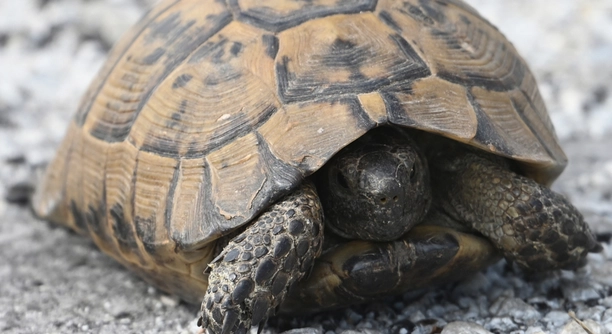
Greek tortoises are fascinating creatures, and their diet plays a big role in their overall health. As pet owners, we often wonder what fruits or vegetables we can safely add to their meals.
Greek tortoises can eat strawberries in moderation. While they are not toxic, the high sugar content can cause digestive issues if overfed. It is best to offer strawberries occasionally and as part of a varied, balanced diet.
Strawberries can be a tasty treat, but it’s essential to be aware of the potential risks. Understanding what’s safe for your tortoise is key to keeping them healthy.
Can Greek Tortoises Have Strawberries Regularly?
Feeding your Greek tortoise strawberries on a regular basis isn’t recommended. While they may enjoy the sweet taste, strawberries contain high amounts of sugar. Too much sugar can upset their digestive system and lead to health issues such as diarrhea or an imbalanced gut. A tortoise’s natural diet consists mainly of high-fiber, low-sugar foods like grasses, leaves, and flowers. Fruits, including strawberries, should only be offered as an occasional treat. Offering a varied diet with a mix of safe greens and vegetables is much better for maintaining their overall well-being.
Strawberries are fine in moderation, but balance is key. When offering strawberries, remember that less is more.
Greek tortoises are naturally herbivores, so their digestive system is designed to process fibrous plants. Too much fruit, especially sweet fruit like strawberries, may lead to obesity, diarrhea, or kidney stress. You want to maintain the balance between healthy greens and the occasional sweet treat. Make sure to wash strawberries thoroughly before offering them, as pesticides can be harmful. A small piece or two every now and then is all they need, and it’s best to pair it with fiber-rich foods to help with digestion. If you’re unsure, it’s always safer to stick to their regular diet.
Health Risks of Overfeeding Strawberries
Offering strawberries too often can lead to health complications for your Greek tortoise. Overconsumption of fruit sugars can cause weight gain, which puts stress on their body.
Excessive fruit can lead to unhealthy weight gain and digestive distress. Moderation is essential.
While strawberries aren’t toxic, the sugar content in them can cause long-term problems if fed too frequently. For example, an unhealthy increase in weight may lead to joint issues, particularly since tortoises rely on their legs for mobility. Additionally, a high-sugar diet can affect the tortoise’s overall energy levels and could even lead to conditions like metabolic bone disease (MBD) if calcium absorption becomes impaired. To keep your tortoise in the best health, stick to small portions and always offer them as part of a more diverse, nutrient-packed diet.
How to Safely Feed Strawberries to Your Greek Tortoise
When feeding your Greek tortoise strawberries, always wash them well to remove pesticides. Offering small portions ensures you don’t overdo it.
A small, bite-sized piece of strawberry is all your tortoise needs. Avoid giving them large chunks, as it can upset their digestion. Stick to this small serving, and never make strawberries a regular part of their diet. Too much fruit can cause health problems, so moderation is important. Always pair the treat with their usual diet of fibrous, leafy greens.
When offering strawberries, be sure to cut off any green stems, as they may be difficult for your tortoise to digest. After removing the stem, cut the fruit into small pieces. This makes it easier for your tortoise to enjoy without risking choking or other digestive issues. It’s important to remember that fruits like strawberries should be a small, infrequent treat rather than a regular snack. Over time, if you notice any changes in your tortoise’s health, it may be time to reduce or stop offering fruits like strawberries altogether.
Alternative Fruits for Greek Tortoises
There are other fruits you can offer, but they should be just as rare and in small portions.
Fruits like melon or apple can be a good option, but keep in mind that the sugar content is still high. Greek tortoises benefit most from high-fiber vegetables like collard greens, dandelion greens, or cactus pads. These offer essential nutrients without the risk of weight gain or digestive issues. Always wash the fruits thoroughly, and remove any seeds that could be harmful.
Though fruits are enjoyable, they should never be the main source of food. A varied diet with safe vegetables, leaves, and grasses is the best way to ensure your tortoise’s health. Over time, you’ll find that these healthy greens will benefit your tortoise far more than any fruit. Consider experimenting with new greens and adding variety to their meals to keep them happy and well-fed.
Signs Your Greek Tortoise Ate Too Many Strawberries
If your Greek tortoise eats too many strawberries, you may notice digestive issues like diarrhea or lack of appetite. This can be a sign that their system is overloaded with sugar.
Excess sugar can also cause your tortoise to become lethargic, or you may notice them being less active than usual. If these symptoms persist, it’s essential to cut back on fruits and provide more fiber-rich greens. Ensure that your tortoise is getting enough calcium, too, as imbalances can affect their shell growth and overall health.
What to Do If Your Tortoise Shows Symptoms
If your tortoise starts showing signs of illness, remove the strawberries from their diet immediately. Offer fresh, high-fiber greens instead.
You may also want to provide extra hydration by placing your tortoise in a shallow bath with warm water. This will help with digestion and hydration. If symptoms continue, a visit to a vet specializing in reptiles can rule out any underlying health issues or help with treatment.
The Importance of Hydration for Greek Tortoises
Hydration plays a key role in your tortoise’s digestive health. Ensure they always have access to fresh water.
Keeping your tortoise hydrated is essential for their digestion and overall well-being. A hydrated tortoise will have softer stools, which helps prevent constipation and other digestive problems.
FAQ
Can Greek tortoises eat all types of fruit?
Not all fruits are safe for Greek tortoises. While some fruits, like strawberries, can be given in moderation, others with high sugar content should be limited or avoided. It’s best to focus on low-sugar fruits and, most importantly, offer a balanced diet made up mostly of fibrous vegetables and leafy greens. Fruits should only be occasional treats. Always make sure the fruit is safe and washed thoroughly to avoid pesticides.
How often can Greek tortoises eat strawberries?
Strawberries should only be fed to your Greek tortoise once or twice a week. Giving them too often can lead to digestive issues like diarrhea, as they are high in sugar. Always offer small portions and pair with their regular greens to balance their diet. Moderation is key to preventing any potential health problems.
Are strawberries harmful to Greek tortoises?
Strawberries themselves are not harmful to Greek tortoises, but too many can cause issues. The main concern is the high sugar content, which can upset their digestive system if overfed. While they are not toxic, regular overconsumption can lead to obesity and metabolic issues. So, it’s best to offer them sparingly.
What fruits are safe for Greek tortoises?
In addition to strawberries, other fruits like melon, papaya, and apples can be offered occasionally. However, just like strawberries, these fruits should only make up a small part of their diet due to their sugar content. Stick to the fruits that are low in sugar and always offer them in moderation.
Can Greek tortoises eat fruit skins?
Some fruit skins, like those of apples and pears, are safe for Greek tortoises to eat, but others, like citrus peels, should be avoided. Make sure to remove any tough, inedible peels that might be hard for your tortoise to digest. If you’re unsure about a specific fruit skin, it’s safer to remove it.
Can Greek tortoises eat bananas?
Bananas are high in sugar and should only be given occasionally. A small slice is enough as a treat. Too much banana can cause digestive upset or weight gain, so it’s best to offer it rarely. Always keep an eye on how your tortoise reacts after eating any fruit.
Is it safe to feed Greek tortoises dried fruits?
Dried fruits are not ideal for Greek tortoises. They are often more concentrated in sugars and can cause digestive distress. Stick to fresh fruits when offering treats and avoid dried versions. Fresh fruit has more hydration and better nutritional value, which is essential for your tortoise’s health.
Can Greek tortoises eat grapes?
Grapes are also safe for Greek tortoises in moderation. Like strawberries, they are high in sugar and should only be offered occasionally. Grapes should be cut into small pieces to prevent choking and ensure safe consumption. They can be a nice, sweet treat but should not replace their primary diet of greens.
What should a Greek tortoise’s diet mostly consist of?
The majority of a Greek tortoise’s diet should consist of fibrous, leafy greens like collard greens, dandelion greens, and romaine lettuce. You can also feed them edible flowers and cactus pads. The key is to provide a variety of plants that replicate their natural diet. Fruits should only be given as an occasional treat.
Can Greek tortoises eat tomatoes?
Tomatoes are safe for Greek tortoises in small quantities. However, they should not be a regular part of their diet due to the acidity and potential for digestive upset. Always remove seeds if possible and offer them only occasionally. Too much tomato can lead to an imbalance in their diet.
What happens if a Greek tortoise eats too much fruit?
Eating too much fruit can lead to obesity, digestive problems, and an imbalance in essential nutrients. High sugar content in fruits can cause digestive issues like diarrhea and may even affect your tortoise’s ability to absorb calcium properly, leading to shell and bone issues. Always limit fruit and offer more fiber-rich vegetables.
Can Greek tortoises eat citrus fruits?
Citrus fruits, like oranges and lemons, should be avoided. These fruits are too acidic for Greek tortoises and can lead to digestive upset. The acidity may also interfere with their ability to absorb calcium. Stick to milder fruits like melon or berries, but even these should be offered sparingly.
Should I feed my Greek tortoise treats like strawberries every day?
No, strawberries and other fruits should not be fed daily. They should be a treat, not a staple of their diet. The main focus should be on high-fiber, calcium-rich vegetables and grasses. Overfeeding fruit can lead to obesity and other health problems, so always use it in moderation.
Are there any fruits that are toxic to Greek tortoises?
Yes, some fruits are toxic and should never be fed to Greek tortoises. These include avocado, which contains a substance toxic to many animals, including tortoises. Also, avoid feeding them fruits with pits or seeds that could be harmful, such as peaches or cherries. Always research new fruits before offering them.
Final Thoughts
Feeding Greek tortoises strawberries can be a delightful way to offer them a treat, but it should always be done with caution. While strawberries are not toxic to tortoises, their high sugar content makes them unsuitable for regular consumption. Too much fruit, including strawberries, can lead to digestive problems and weight gain. Therefore, offering strawberries in moderation, alongside a balanced diet of fibrous vegetables and leafy greens, is essential for maintaining a healthy tortoise. The key is to treat fruit as an occasional treat rather than a regular part of their meals.
It’s important to focus on providing a diet that mirrors what a Greek tortoise would naturally eat in the wild. Their diet should primarily consist of low-calcium, high-fiber foods like grasses, dandelion greens, and other leafy plants. These foods support their digestive system and overall health, ensuring they get the right amount of nutrition. Fruits should be limited and introduced sparingly to avoid disrupting the tortoise’s digestive balance. Healthy greens should be the core of their diet to meet their essential needs, and occasional fruits like strawberries can be offered as a reward or special snack.
By paying attention to portion sizes and how often fruits like strawberries are given, you can help prevent potential health risks. If you notice any signs of digestive issues or changes in your tortoise’s behavior after feeding them fruit, it’s best to cut back on these treats and focus on their regular diet. Monitoring their overall health, keeping them hydrated, and providing a varied diet will ensure that your Greek tortoise stays healthy and happy for many years to come. Ultimately, moderation is key when it comes to feeding your tortoise fruits like strawberries.

Hello,
If you enjoy the content that we create, please consider saying a "Thank You!" by leaving a tip.
Every little bit helps us continue crafting quality advice that supports the health, happiness, and well-being of pets around the world, for pets of all shapes, sizes, and species.
We really appreciate the kindness and support that you show us!