
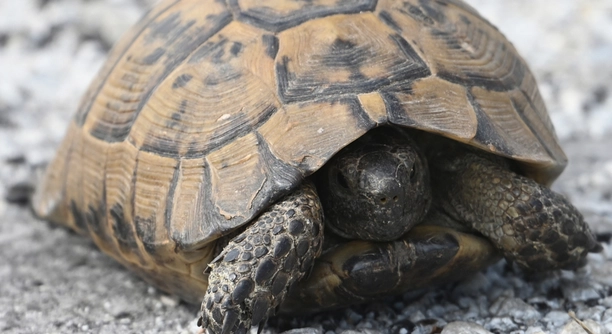
Setting up the right habitat for your pets can be tricky. From choosing the right supplies to maintaining the proper environment, small mistakes can affect your pets’ health and happiness. Getting it just right takes a little knowledge.
Many common habitat setup mistakes are easily fixed with a few adjustments. Key errors often include improper lighting, incorrect temperature, poor substrate choices, and overcrowding. Understanding how to avoid or correct these can help ensure a healthy, thriving environment for your pets.
By recognizing and addressing these mistakes, you’ll be better prepared to create an ideal space. The following tips will help guide you toward a proper and sustainable setup that benefits both you and your pets.
Mistake #1: Incorrect Lighting
Lighting is one of the most crucial elements of a pet’s habitat. Too much or too little light can cause stress, hinder natural behaviors, and even impact their health. Each species has specific lighting needs based on whether they’re nocturnal or diurnal. For example, reptiles may need UVB lighting to help them metabolize calcium, while small mammals may require a more natural light cycle.
Not getting the right light setup can lead to health issues like vitamin D deficiency or disrupted sleep patterns. Without UVB light, reptiles can develop metabolic bone disease. If mammals don’t have a day-night light cycle, they may become stressed or inactive. Proper lighting isn’t just about aesthetics; it’s essential for your pets’ well-being.
Make sure to research the specific lighting requirements for your pet before setting up their habitat. Be mindful of whether they need direct sunlight, artificial light, or dim lighting. Choosing the right light is a simple fix that can save your pets from unnecessary health problems.
Mistake #2: Improper Temperature Control
Temperature plays a huge role in maintaining a healthy pet habitat. Many animals need a specific range of temperatures to feel comfortable, stay active, and digest food properly.
Pets like reptiles are particularly sensitive to temperature fluctuations. Without a heating source or a regulated temperature, they may suffer from metabolic problems or even death. Small mammals also require a stable temperature to avoid stress or discomfort. Make sure to use thermometers to monitor the temperature in various areas of their habitat. If your pet’s enclosure has hot and cold zones, ensure they have access to both.
Investing in thermostats, heat mats, and reliable temperature control systems can prevent many issues. It’s easy to overlook this aspect, but it is critical for your pet’s survival. Keep track of seasonal temperature changes and adjust accordingly to keep your pet comfortable.
Mistake #3: Poor Substrate Choices
Choosing the right substrate is essential for keeping your pets safe and comfortable. The wrong material can cause health problems or stress. For reptiles, something like sand can cause impaction if ingested, while certain woods or plants may be toxic to small mammals.
Ensure the substrate you pick suits your pet’s needs. For example, reptiles often require substrates that retain moisture for humidity control. Small mammals might benefit from soft bedding that promotes burrowing and nesting. It’s important to avoid overly dusty or sharp materials that could irritate their skin, eyes, or respiratory system.
Take time to research your pet’s specific habitat needs before selecting a substrate. The right material makes a big difference in your pet’s comfort, behavior, and overall health. When in doubt, go for natural, safe materials, and avoid anything that might pose a risk to your pet’s well-being.
Mistake #4: Overcrowding the Habitat
Overcrowding can lead to territorial disputes, stress, and health issues in animals. Many pets thrive in larger spaces where they can roam freely, establish territories, and avoid competition for resources. Whether it’s a tank, cage, or enclosure, make sure it provides ample space for each animal.
Animals that are overcrowded may become aggressive, depressed, or anxious. Overcrowding can also lead to unhygienic conditions as waste builds up faster, and it may stress out animals, making them more prone to illness. If you’re housing multiple pets together, be sure they get along and that each has enough room to thrive.
Sometimes, it’s tempting to fit as many pets as possible into a space to save on setup costs or space. However, it’s important to prioritize their comfort. Each pet needs enough space to move, eat, and interact in a natural way. The right amount of space will go a long way in keeping your pets healthy and happy.
Mistake #5: Inconsistent Feeding
Inconsistent feeding schedules can affect your pet’s health and behavior. Having a regular feeding routine ensures that your pet gets the proper nutrients and maintains a stable digestive system. Skipping meals or varying the time can cause stress or digestive issues.
Feed your pet at the same time each day and measure the appropriate amount of food for their size and species. Overfeeding or underfeeding can cause obesity or malnutrition. Stick to a balanced diet, and avoid sudden changes in their food, as this can upset their stomach.
A stable, consistent feeding routine will help avoid stress and ensure your pet remains healthy and active.
Mistake #6: Lack of Enrichment
Animals need mental and physical stimulation to stay healthy. Without proper enrichment, your pet may become bored, anxious, or develop destructive behaviors. Enrichment can include toys, climbing structures, or puzzle feeders, depending on the species.
Offering enrichment activities helps prevent boredom and encourages natural behaviors like foraging, climbing, or hunting. Make sure to rotate toys and activities regularly to keep things interesting. For pets like rodents, birds, or reptiles, include hiding spots or tunnels to promote exploration.
By providing these opportunities for play and interaction, your pet’s environment will be much more engaging, which will improve their well-being.
Mistake #7: Not Properly Cleaning the Habitat
Cleaning your pet’s habitat regularly is crucial for their health. Dirty enclosures can lead to bacterial growth, unpleasant odors, and other health problems. It’s essential to remove waste, replace bedding, and disinfect surfaces to prevent illnesses.
Pet habitats should be cleaned at least once a week, though some areas may need attention more frequently. A dirty habitat can also stress your pets, making them feel uncomfortable or unsafe. Make sure to check for mold, mildew, and waste buildup in hard-to-reach places. Regular maintenance will create a healthier and more pleasant environment for both you and your pet.
FAQ
How do I know if my pet’s habitat is too cold or too hot?
Temperature is critical for many pets, especially reptiles, amphibians, and small mammals. You can check if your pet is too cold or too hot by observing their behavior. If your pet is lethargic, hiding more than usual, or avoiding certain areas of their habitat, they may be too cold. If they are panting, seeking out cooler areas, or displaying signs of stress, the temperature might be too high. Using reliable thermometers and thermostats to monitor temperature is the best way to ensure it’s within the ideal range for your pet.
What should I do if my pet is showing signs of stress?
Stress can manifest in many ways, from excessive grooming to aggression or hiding. If your pet is showing signs of stress, start by assessing the setup. Ensure that their space isn’t overcrowded, the temperature is right, and they have adequate food and water. Also, make sure that their habitat is clean and there are enough enrichment activities to keep them stimulated. Reducing environmental stress factors and providing a quiet, comfortable space can often help calm them down.
Can I use any type of bedding for my pet?
Not all bedding is suitable for every pet. For instance, wood shavings like pine or cedar can be harmful to small mammals, especially rodents, due to the strong oils and chemicals they contain. It’s important to use bedding designed specifically for your pet’s needs. For reptiles, choose non-toxic materials that retain moisture or provide adequate heat retention. For small mammals, soft bedding that is absorbent, safe to chew, and encourages natural nesting behaviors works best. Always double-check if the bedding is safe and non-toxic for your specific pet.
How often should I clean my pet’s habitat?
Cleaning schedules depend on the type of pet and the size of their habitat. For smaller pets like guinea pigs or hamsters, spot cleaning should be done daily to remove waste and soiled bedding. A full habitat cleaning should be done weekly. For larger pets, like reptiles, cleaning may be needed less frequently, but you should still monitor for any waste buildup. Regular cleaning prevents the spread of bacteria, reduces odors, and keeps your pet comfortable and healthy. Make sure to remove any uneaten food or waste promptly to keep things sanitary.
Can I keep different species in the same habitat?
While it’s possible to house different species together, it’s not always the best idea. Many animals have very specific needs regarding space, temperature, and diet. Some animals can be territorial, aggressive, or prey-driven, which can lead to stress or harm if housed with incompatible species. For example, reptiles often require a controlled environment with specific lighting and heating, while small mammals may need something more insulated or less hot. Always research the needs of both species before deciding if they can share the same space.
Why is my pet not eating properly?
There could be many reasons your pet is not eating properly. If they are new to your home, they may be stressed or adjusting to the new environment. Health problems, such as digestive issues, infections, or parasites, can also cause a loss of appetite. Additionally, changes in the habitat, such as improper temperature, lighting, or an unsuitable substrate, can affect eating habits. Make sure your pet’s environment is stable and safe, and if the issue persists, it’s best to consult with a veterinarian to rule out any medical conditions.
What type of light does my pet need?
The type of light your pet requires depends on their species. Many reptiles, like turtles or lizards, need UVB light to help them metabolize calcium and avoid bone disease. For mammals, including guinea pigs or rabbits, natural daylight is sufficient. Birds often need bright light to stay active and healthy. For nocturnal animals, like hamsters or some reptiles, dim or indirect light is ideal. It’s essential to research the specific needs of your pet’s species before setting up lighting. Ensure that their light cycle mimics the natural day-night cycle they would experience in the wild.
What happens if my pet’s habitat is too crowded?
If the habitat is overcrowded, your pets may become stressed or territorial. They might fight, stop eating, or become anxious. In some cases, overcrowding can lead to injuries or the spread of disease, as waste builds up more quickly. Each pet requires a specific amount of space to feel secure, eat properly, and move around freely. Ensure that your pets have enough room for their basic needs, such as sleeping, eating, and exploring. If necessary, separate animals into different enclosures to reduce the stress caused by overcrowding.
How do I create a comfortable and enriching environment for my pet?
To create a comfortable and enriching environment, you must provide a space that mimics your pet’s natural habitat. For example, reptiles may need branches, rocks, and a warm hiding spot, while small mammals may appreciate tunnels, nesting material, and a clean, spacious area to burrow. Enrichment items like toys, climbing structures, or puzzle feeders will keep them mentally stimulated and prevent boredom. Regularly change up their toys or introduce new ones to keep things interesting. Regular interaction with your pet also helps keep them engaged and mentally healthy.
Can I use any water source for my pet?
Not all water sources are suitable for your pet. Tap water often contains chlorine or other chemicals, which could be harmful to certain species, such as reptiles, amphibians, or small mammals. Using filtered water or letting tap water sit for a while can help remove these chemicals. Be sure your pet always has access to fresh, clean water, as dehydration can quickly lead to health problems. For reptiles or amphibians, consider using a water dish that’s shallow enough to avoid drowning but large enough for hydration. Always clean the water bowl to prevent bacterial growth.
Creating the right habitat for your pet is essential to their overall health and well-being. Whether you’re housing reptiles, small mammals, birds, or other animals, understanding their specific needs will make a big difference in how comfortable and happy they are in their environment. Small mistakes, like improper lighting, temperature, or overcrowding, can easily lead to stress and health problems. However, by taking time to research your pet’s specific requirements and making necessary adjustments, you can ensure they thrive in a safe and welcoming space.
It’s easy to overlook certain details when setting up a habitat, but consistency and attention to detail are key. Maintaining the right temperature, providing proper lighting, and offering enrichment opportunities are just some of the steps that will keep your pets healthy and active. Cleaning the habitat regularly and using safe, suitable substrates are other important aspects to consider. Your pets rely on you to make their space as comfortable as possible, and it’s a responsibility that can lead to a much stronger bond and healthier life for them.
Remember, every pet is unique, and what works for one may not work for another. Take the time to observe their behavior and make changes as needed. Whether it’s adjusting the temperature, introducing new toys, or even changing their bedding, these small changes can significantly improve their quality of life. With proper care, attention, and a little effort, your pet’s habitat can be a place where they feel secure, happy, and healthy.

Hello,
If you enjoy the content that we create, please consider saying a "Thank You!" by leaving a tip.
Every little bit helps us continue crafting quality advice that supports the health, happiness, and well-being of pets around the world, for pets of all shapes, sizes, and species.
We really appreciate the kindness and support that you show us!