
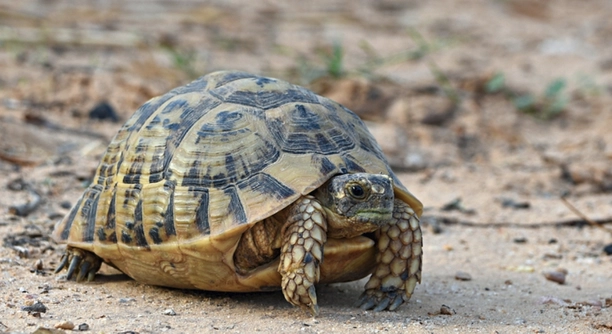
Is your Greek tortoise’s shell looking uneven, leaving you concerned about its health and well-being? Shell irregularities can be caused by several factors, ranging from diet and habitat conditions to underlying health issues that need attention.
The most common reason for an uneven shell in Greek tortoises is improper nutrition, particularly an imbalanced calcium-to-phosphorus ratio. Other contributing factors include inadequate UVB exposure, dehydration, rapid growth, metabolic bone disease, and unsuitable living conditions affecting shell development.
Shell irregularities may seem alarming, but understanding their causes can help you take the right steps to ensure your tortoise’s well-being. Proper care and adjustments can make a significant difference in your pet’s overall health.
Lack of Proper Nutrition
A Greek tortoise’s diet plays a huge role in shell development. If it lacks essential nutrients like calcium and vitamin D3, the shell may grow unevenly. A poor calcium-to-phosphorus ratio can weaken the shell structure, leading to abnormal growth patterns. Feeding too many fruits, protein-rich foods, or low-fiber diets can also contribute to shell deformities. Ensuring a balanced diet with calcium-rich greens, such as dandelion and collard greens, helps support healthy growth. Calcium supplements and cuttlebones can provide additional support, while a varied diet ensures your tortoise gets all the nutrients it needs.
Calcium and phosphorus must be balanced to prevent metabolic bone disease. Excess phosphorus blocks calcium absorption, making the shell softer and more vulnerable to irregularities. Feeding leafy greens and using calcium powder can help maintain a proper ratio.
Without the right nutrients, your tortoise’s shell may grow bumpy, soft, or deformed. A well-balanced diet is key to maintaining a smooth, strong shell. Always provide fresh, nutritious food that mimics what Greek tortoises eat in the wild.
Inadequate UVB Exposure
Greek tortoises need UVB light to process calcium and maintain healthy shell growth. Without it, their bodies cannot properly absorb calcium, leading to shell deformities over time. Ensuring proper UVB exposure is essential for overall health.
A high-quality UVB bulb replicates natural sunlight, helping your tortoise synthesize vitamin D3. Without enough exposure, calcium absorption decreases, causing soft or uneven shell growth. Outdoor tortoises get UVB naturally, but indoor tortoises need a reliable UVB light source. Bulbs should be replaced every six months, as their effectiveness fades. Proper basking temperatures also support calcium metabolism.
Providing access to direct sunlight whenever possible is ideal. If using artificial UVB lighting, ensure your tortoise has 10–12 hours of exposure daily. Combine UVB with a healthy diet to promote strong shell development and prevent deformities. Keeping these factors in check will help your tortoise thrive.
Dehydration
A lack of hydration can affect shell growth, making it appear uneven or flaky. Greek tortoises need regular access to fresh water and a humid hide to stay properly hydrated. Without enough moisture, their shells may develop irregular textures or signs of pyramiding over time.
Soaking your tortoise in shallow, lukewarm water a few times a week helps maintain hydration. Providing fresh drinking water daily ensures they can hydrate as needed. A proper substrate, like a mix of soil and sand, retains moisture and supports shell health. If your tortoise is housed indoors, consider using a humidity gauge to monitor levels and make adjustments when necessary. Proper hydration also aids digestion, reducing the risk of dietary deficiencies that could impact shell growth.
If a tortoise remains dehydrated for long periods, its shell may become dry, brittle, or start flaking. Keeping humidity between 40–60% prevents these issues. Younger tortoises may need slightly higher humidity to support proper development. Adjusting misting routines, offering water-rich foods like cactus pads, and ensuring a well-maintained habitat can make a big difference. Staying consistent with hydration will support smooth and even shell growth.
Rapid Growth
Tortoises that grow too quickly often develop uneven shells. Overfeeding or excessive protein intake can speed up growth, leading to pyramiding or irregular ridges. While a healthy diet is important, portion control is just as crucial to prevent unnatural shell development.
A diet too high in protein can cause rapid cell growth, resulting in a shell that grows too fast for its structure to remain smooth. Feeding too frequently or offering foods like legumes, high-protein pellets, or too many commercial tortoise diets can contribute to this issue. Sticking to a natural, fiber-rich diet with measured portions helps slow growth to a healthier rate.
Greek tortoises should have steady, controlled growth to develop strong shells. Limiting excessive protein intake and maintaining proper UVB exposure will support even growth patterns. Feeding smaller portions, increasing fibrous greens, and avoiding calorie-dense foods will prevent unnatural shell changes. A gradual, balanced approach ensures your tortoise stays healthy without developing shell deformities.
Metabolic Bone Disease
Metabolic bone disease (MBD) weakens a tortoise’s bones and shell, causing deformities over time. It develops from a lack of calcium, vitamin D3, or improper UVB exposure. Signs include soft shell areas, uneven growth, and difficulty walking due to weakened limbs. Treating it early prevents further complications.
A balanced diet, calcium supplements, and proper UVB exposure help manage MBD. If symptoms are severe, a vet may recommend additional treatments like calcium injections. Ensuring your tortoise gets enough natural sunlight or high-quality UVB lighting is key to preventing this serious condition from worsening.
Incorrect Habitat Conditions
An improper enclosure setup can negatively impact shell growth. Incorrect temperatures, low humidity, or an inadequate basking area can lead to stress and developmental issues. Tortoises need a well-maintained environment that mimics their natural habitat to promote healthy shell growth.
Underlying Health Issues
Internal illnesses, infections, or organ dysfunction can affect a tortoise’s growth. If dietary changes and habitat adjustments don’t improve the shell’s condition, a vet visit is necessary. Identifying underlying health problems early ensures proper treatment and prevents further shell deformities.
FAQ
Why is my Greek tortoise’s shell bumpy?
A bumpy shell is usually caused by improper diet, lack of UVB exposure, or rapid growth. Excess protein, low calcium intake, and poor lighting can lead to pyramiding or uneven scutes. Ensuring a proper diet and providing UVB light can help maintain smooth shell development.
Can an uneven shell be fixed?
Once a tortoise’s shell becomes uneven, it cannot be reversed. However, proper care can stop further deformities from developing. Providing a well-balanced diet, maintaining correct humidity, and ensuring daily UVB exposure will prevent the issue from worsening and help new growth develop properly.
How much calcium does my Greek tortoise need?
A Greek tortoise should receive calcium at least three to four times a week. Lightly dusting food with calcium powder ensures adequate intake. A cuttlebone in the enclosure allows them to self-regulate their calcium levels, reducing the risk of deficiencies and shell problems.
Does improper humidity affect shell growth?
Yes, humidity plays a major role in shell health. Low humidity can cause dryness and flaking, while high humidity without proper ventilation can encourage bacterial growth. Keeping levels between 40–60% ensures healthy shell development and prevents hydration-related shell deformities.
What foods help prevent shell deformities?
Calcium-rich foods like dandelion greens, turnip greens, and hibiscus leaves support healthy shell growth. Fiber-rich options like timothy hay and weeds help slow growth to a natural rate. Avoid excessive fruits, high-protein foods, and commercial pellets that lack proper nutrients for long-term shell health.
How much UVB exposure does my tortoise need?
Greek tortoises require 10–12 hours of UVB exposure daily. Outdoor tortoises benefit from natural sunlight, but indoor tortoises need a high-quality UVB bulb. Replace UVB bulbs every six months, as they lose effectiveness over time, even if they still emit light.
Can stress cause an uneven shell?
Yes, prolonged stress can impact growth, leading to uneven shell development. Poor habitat conditions, frequent handling, improper temperatures, and lack of hiding spots can stress a tortoise. A stable environment with minimal disturbances helps maintain normal growth patterns.
Is pyramiding painful for tortoises?
While pyramiding itself isn’t painful, it can lead to long-term complications. Severe cases may cause mobility issues, respiratory problems, and internal stress due to the abnormal shell shape. Preventing pyramiding with a proper diet, controlled growth, and UVB exposure is essential for long-term health.
How can I tell if my tortoise is growing too fast?
If your tortoise’s shell develops raised scutes, visible ridges, or looks unusually large for its age, it may be growing too fast. Overfeeding and excessive protein intake are common causes. Adjusting the diet and feeding schedule can slow growth to a healthier rate.
Do different substrates affect shell health?
Yes, the right substrate helps maintain proper humidity levels, which impact shell health. A mix of soil and sand is ideal, as it retains moisture without becoming too damp. Dry, dusty, or overly wet substrates can contribute to shell irregularities and hydration issues.
Should I bathe my tortoise to help with shell health?
Yes, soaking your tortoise in shallow, lukewarm water for 15–20 minutes a few times a week helps maintain hydration. This supports overall health, prevents shell dryness, and allows for normal shedding of old scute layers. Regular baths are especially beneficial for young tortoises.
Can an uneven shell be a sign of illness?
Yes, metabolic bone disease, respiratory infections, and organ dysfunction can contribute to uneven shell growth. If your tortoise has additional symptoms like lethargy, loss of appetite, or swelling, a vet visit is necessary to rule out underlying health issues.
Will my tortoise’s shell continue growing throughout its life?
Yes, a tortoise’s shell grows continuously, but the rate slows down with age. Proper nutrition, hydration, and environmental conditions ensure healthy shell development at all life stages. Monitoring growth patterns helps prevent future shell deformities.
Can handling my tortoise too often affect its shell?
Excessive handling can cause stress, which may indirectly impact growth. While occasional handling is fine, frequent disturbances can lead to stress-related issues, including improper shell development. Providing a calm, stable environment is best for long-term health.
What should I do if my tortoise’s shell starts flaking?
Flaking can indicate dehydration, low humidity, or improper shedding. Increasing hydration, providing a humid hide, and ensuring a balanced diet can help. If flaking is excessive or accompanied by soft spots, consult a reptile vet to rule out infections or deficiencies.
Final Thoughts
An uneven shell in a Greek tortoise is usually a sign of improper diet, inadequate UVB exposure, dehydration, or rapid growth. Factors like metabolic bone disease, incorrect habitat conditions, and underlying health issues can also contribute to shell irregularities. While minor unevenness may not cause serious harm, severe deformities can impact mobility, organ function, and overall well-being. Addressing the root cause early can prevent further complications and ensure your tortoise stays healthy. Providing the right care, including a balanced diet, proper lighting, and consistent hydration, is essential for maintaining smooth shell growth.
Making small adjustments to your tortoise’s care routine can have a big impact on its shell health. A well-maintained habitat with the correct humidity, temperature, and UVB exposure supports healthy development. Ensuring your tortoise gets enough calcium and vitamin D3 prevents metabolic bone disease and related shell deformities. Regular monitoring of your tortoise’s shell, weight, and behavior can help you spot any issues early. If you notice ongoing shell irregularities despite making improvements, consulting a reptile veterinarian is the best course of action. Early intervention can prevent long-term damage and improve your tortoise’s quality of life.
Caring for a Greek tortoise requires consistency and attention to detail. Shell health is a reflection of overall well-being, so providing proper nutrition, hydration, and environmental conditions is key. With the right care, your tortoise can develop a strong, smooth shell and live a long, healthy life. Keeping up with regular checkups, offering a varied diet, and ensuring proper UVB exposure will set your tortoise up for success. A little effort in daily care can make all the difference in preventing shell problems and keeping your tortoise happy and thriving.

Hello,
If you enjoy the content that we create, please consider saying a "Thank You!" by leaving a tip.
Every little bit helps us continue crafting quality advice that supports the health, happiness, and well-being of pets around the world, for pets of all shapes, sizes, and species.
We really appreciate the kindness and support that you show us!