
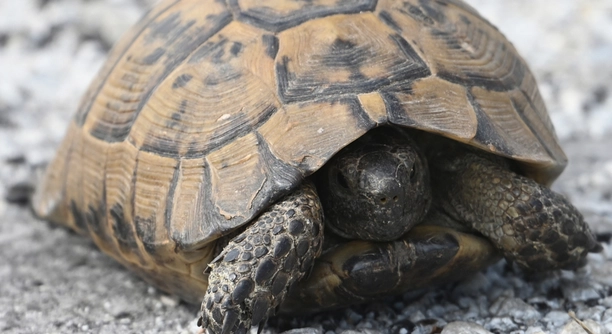
Do you ever wonder why some Greek tortoises grow faster than others? Their growth rate depends on several important factors that influence their overall development and health. Understanding these elements can help ensure your tortoise thrives in its environment.
A Greek tortoise’s growth rate is primarily influenced by diet, habitat conditions, genetics, temperature, hydration, activity levels, and overall health. Proper nutrition, adequate warmth, and a well-maintained habitat play crucial roles in supporting steady and healthy growth throughout their lifespan.
Various factors contribute to how quickly your Greek tortoise develops. From the right diet to environmental conditions, each aspect plays a significant role in shaping its growth journey. Let’s explore what affects their development and how you can optimize their care.
Diet and Nutrition
A Greek tortoise’s diet plays a major role in its growth rate. These tortoises need a balanced diet filled with leafy greens, flowers, and occasional fruits. Calcium is essential for shell and bone development, while too much protein can lead to rapid, unhealthy growth. Avoid processed foods and high-oxalate vegetables, as they can interfere with calcium absorption. Fresh water should always be available to prevent dehydration. Feeding them a variety of nutrient-rich plants ensures steady, healthy development. Proper diet management prevents common health issues and supports a strong immune system.
A poor diet can slow growth or cause health problems. Lack of nutrients leads to weak bones and shell deformities. Overfeeding, especially with protein-rich foods, can cause excessive growth, leading to complications. Sticking to a natural, well-balanced diet is key to maintaining steady development.
Providing high-quality food ensures your tortoise gets the necessary nutrients. Calcium and vitamin D3 supplements may be needed, especially for indoor tortoises that lack natural sunlight. Feeding a mix of safe plants, such as dandelion greens, hibiscus flowers, and clover, keeps their diet balanced. Limiting fruit intake helps prevent digestive issues. Paying close attention to their diet will keep your tortoise healthy and growing at a steady pace.
Temperature and Environment
A stable, warm environment is essential for a Greek tortoise’s growth. Temperature directly affects digestion, metabolism, and overall health. If their habitat is too cold, their growth slows down. Proper heating and UVB lighting help maintain consistent growth rates and prevent health issues.
Greek tortoises need a temperature gradient in their enclosure. The basking area should be between 90-95°F, while the cooler side should be around 75°F. Nighttime temperatures should not drop below 65°F. UVB lighting is crucial for vitamin D3 synthesis, which helps with calcium absorption. Without proper lighting, they may develop metabolic bone disease, leading to weak bones and slow growth. Outdoor enclosures provide natural sunlight, which is ideal for their health.
Humidity levels also play a role in growth. Too much moisture can cause respiratory infections, while dry conditions may lead to dehydration. A humidity level of 40-60% is ideal. Substrate choice matters too—natural materials like topsoil and cypress mulch help maintain proper humidity. Providing hiding spots, rocks, and climbing areas encourages movement, which supports muscle and bone development. Creating a well-balanced environment ensures steady growth and overall well-being.
Hydration and Water Availability
Proper hydration is essential for steady growth. Dehydration can slow down development, weaken the shell, and cause kidney problems. Fresh water should always be available in a shallow dish. Regular soaking also helps keep their body hydrated and supports healthy digestion.
Tortoises get moisture not only from drinking water but also from their food. Leafy greens like romaine lettuce and dandelion leaves provide natural hydration. In dry environments, additional misting may be needed to maintain moisture levels. Without enough water, they may become lethargic, develop wrinkled skin, and experience digestive issues. Soaking them in lukewarm water a few times a week prevents dehydration and helps flush out toxins.
Overhydration can also be harmful. Too much humidity or excessive soaking can lead to shell rot or respiratory infections. Balancing hydration is important for their health. Monitoring their water intake and checking for dehydration signs will help maintain steady and healthy growth.
Activity Levels and Exercise
Greek tortoises need regular movement to develop strong muscles and a healthy shell. A spacious enclosure encourages exercise and prevents obesity. Limited activity can weaken their bones and slow down growth. Providing natural obstacles, like logs and rocks, keeps them engaged and active.
Outdoor enclosures allow for natural exploration, which supports better muscle development. If kept indoors, their space should be large enough for regular movement. Climbing, burrowing, and walking all help with growth. Tortoises that are kept in small, bare enclosures may develop weak limbs and an underdeveloped shell. A varied environment keeps them physically and mentally stimulated.
A proper diet combined with movement ensures balanced growth. Overfeeding without enough exercise can lead to excessive weight gain, which puts stress on their joints and shell. Regular monitoring of their weight and activity helps prevent health issues. Encouraging movement through enrichment and a well-designed habitat supports overall well-being.
Genetics and Individual Differences
Each Greek tortoise has a unique growth rate influenced by genetics. Some grow faster, while others develop more slowly, even under the same conditions. Hereditary traits impact size, shell shape, and metabolism. Proper care helps maximize their potential, but genetics ultimately play a key role in their growth.
Even with perfect care, some tortoises remain smaller than others. Breeding history affects their overall development. Tortoises from different regions may have slight variations in growth patterns. Tracking growth over time helps determine what is normal for an individual tortoise. Patience is important, as each tortoise grows at its own pace.
Health and Medical Conditions
Undiagnosed health issues can affect a tortoise’s growth rate. Parasites, respiratory infections, and metabolic bone disease may slow development or cause deformities. Regular vet check-ups help detect and treat problems early. A well-balanced diet and proper habitat conditions reduce the risk of illnesses that could interfere with growth.
Seasonal Changes and Brumation
Greek tortoises may slow their growth during colder months. In the wild, they go through brumation, a hibernation-like state. If temperatures drop, metabolism decreases, leading to slower growth. Understanding seasonal changes helps ensure they stay healthy throughout the year.
FAQ
How fast should my Greek tortoise grow?
The growth rate of a Greek tortoise can vary, but typically, they grow steadily in the first few years. During the first year, they may gain 1-2 inches in length. After that, growth slows but continues through their second and third years. By five years, they may reach around 6-8 inches, though it depends on diet, environment, and genetics. A slow growth rate doesn’t always indicate a problem, but consistent growth is important to track. Regularly measuring their size and observing behavior can help you determine if they are growing as expected.
What factors affect the growth rate of a Greek tortoise?
Several factors influence the growth rate of Greek tortoises. Diet is one of the most crucial factors, as a varied and nutritious diet helps fuel growth. Temperature plays a role, too; if the environment is too cold, it can slow down their metabolism, which directly affects growth. Health conditions, genetics, activity levels, and hydration all play a part in how quickly a tortoise grows. Ensuring all these factors are properly managed will support steady and healthy growth.
What should I feed my Greek tortoise to help it grow?
A Greek tortoise needs a diet rich in leafy greens and other natural plants. Offer dandelion greens, collard greens, and clover. You can occasionally include fruits, but limit them to avoid excessive sugar. Calcium-rich foods, like kale and mustard greens, help support shell and bone growth. Be sure to avoid foods high in oxalates (like spinach) or protein-heavy items. Providing fresh water and occasional soaking will also help with hydration, which is key to overall health. Occasionally, you might add a calcium supplement, especially if your tortoise is kept indoors without adequate natural sunlight.
Can my tortoise grow too quickly?
Yes, if your Greek tortoise grows too quickly, it can be a sign of overfeeding, especially with protein-rich foods. This can lead to unhealthy growth patterns, resulting in shell deformities, weak bones, or metabolic issues. To prevent this, focus on providing a balanced diet, avoiding too much protein, and offering a variety of foods for proper nutrition. Rapid growth might look appealing, but it can be harmful in the long run.
What’s the best temperature for my tortoise to grow?
Greek tortoises need a warm environment to grow properly. The basking area should be kept at 90-95°F (32-35°C), while the cooler side of the enclosure should be around 75°F (24°C). At night, temperatures can drop to around 65°F (18°C). Proper UVB lighting is crucial for vitamin D3 synthesis, which is needed for calcium absorption. Without enough heat and UVB light, your tortoise’s growth may slow or even stop, and it may develop shell deformities or other health problems.
How does hydration affect my tortoise’s growth?
Hydration is critical for your Greek tortoise’s growth. Tortoises need to be hydrated both by drinking water and through their diet. Leafy greens can contribute to their water intake, but fresh water should always be available. Regular soaking in warm water helps ensure they stay hydrated and supports proper digestion. Without sufficient hydration, a tortoise’s growth may slow, and it could face other health issues like kidney problems or dehydration. However, too much water or humidity can lead to respiratory infections, so it’s important to find a balance.
Can I keep my tortoise indoors to help it grow?
Yes, Greek tortoises can live indoors, but it’s important to mimic their natural environment as much as possible. They need proper UVB lighting, heating, and enough space to move around. An indoor enclosure should have a basking area that’s warm enough and a cooler area for balance. Make sure to offer a varied diet, keep humidity levels stable, and provide regular soaking. If possible, offering outdoor time in a secure, safe area during warm months can provide beneficial exposure to natural sunlight, which supports their growth and overall health.
How do seasonal changes affect a Greek tortoise’s growth?
Greek tortoises slow down during colder months and may even go into a state of brumation (a hibernation-like period). During this time, their metabolism slows, and growth is minimal. This is normal and should not be a cause for concern. If your tortoise is kept indoors, you can avoid brumation by maintaining consistent temperatures year-round. However, be mindful that an indoor tortoise may not receive the same benefits as one in the wild, so extra care should be taken to ensure proper lighting and heating during the colder months.
What are signs that my tortoise isn’t growing properly?
If your tortoise shows signs of stunted growth, such as a small size for its age, soft or deformed shell, or lethargy, these could be signs of nutritional deficiencies or health problems. Slow or absent growth may also indicate an issue with temperature regulation, lack of proper UVB lighting, or an incorrect diet. Regular vet check-ups are essential for early diagnosis. Observing your tortoise’s behavior and physical condition can help you catch growth problems early and make necessary adjustments to its care.
How often should I take my tortoise to the vet?
It’s a good idea to take your tortoise to the vet at least once a year for a check-up. This can help catch any underlying health problems early, especially if you notice any changes in growth patterns. If you notice any signs of illness, like lack of appetite, lethargy, or abnormal behavior, a vet visit is necessary. Regular check-ups will ensure your tortoise is growing at a healthy rate and help address any issues before they become more serious.
When it comes to the growth of your Greek tortoise, understanding the key factors that affect their development is essential for ensuring they thrive. From diet to environment, hydration, and genetics, there are several things to consider when trying to help your tortoise grow at a healthy rate. Each tortoise is different, and growth can vary depending on these factors. However, with proper care and attention, you can help your tortoise reach its full potential.
Monitoring your tortoise’s environment is crucial to its growth. The right temperature, humidity, and lighting are vital for maintaining a healthy metabolism and promoting growth. Providing a proper habitat will help your tortoise stay active and engaged. An indoor tortoise will need UVB lighting and a stable temperature gradient to replicate the conditions of the wild. Outdoor enclosures provide natural sunlight, but make sure your tortoise has access to shaded areas when needed. Additionally, regular hydration through soaking and access to clean water helps with digestion and overall health, supporting steady growth.
Lastly, the importance of a well-balanced diet cannot be overstated. The right nutrition will support strong bones, a healthy shell, and steady growth. Leafy greens, calcium-rich foods, and occasional fruits offer the right mix of nutrients. Protein should be limited, and foods that interfere with calcium absorption should be avoided. Remember that slow and steady growth is the healthiest for a tortoise, so avoid overfeeding or feeding an improper diet. If you notice any health issues or growth problems, a visit to the vet can help address the issue early. With the right care, your Greek tortoise can grow healthy and strong over time.

Hello,
If you enjoy the content that we create, please consider saying a "Thank You!" by leaving a tip.
Every little bit helps us continue crafting quality advice that supports the health, happiness, and well-being of pets around the world, for pets of all shapes, sizes, and species.
We really appreciate the kindness and support that you show us!