
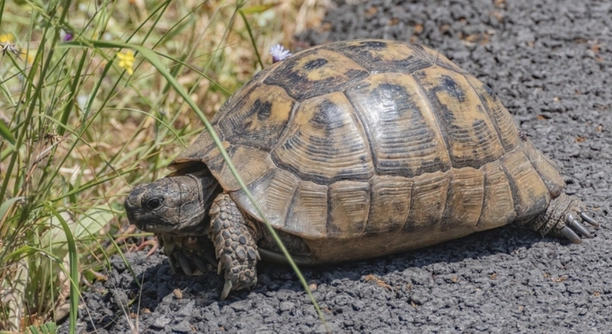
When setting up a Greek tortoise enclosure, there are key mistakes to avoid in order to create a safe, healthy environment. Ensuring that the enclosure is well-maintained is crucial for your tortoise’s well-being.
One of the most common mistakes when setting up a Greek tortoise enclosure is not providing enough space for the tortoise to roam freely. These reptiles require large enclosures that mimic their natural environment for exercise and mental stimulation.
Avoiding these mistakes will ensure that your tortoise thrives in its new home. The next sections will provide helpful tips to get it right from the start.
Lack of Proper Lighting
Lighting is one of the most important factors when setting up a Greek tortoise enclosure. Without the right lighting, your tortoise could suffer from serious health issues, such as metabolic bone disease. You need a combination of UVB and heat lamps to simulate sunlight and maintain the proper temperature.
UVB light helps your tortoise absorb calcium and produce vitamin D3, which is essential for bone health. The heat lamp keeps the temperature in the enclosure warm enough to support digestion and overall well-being.
It’s important to place the UVB and heat lamps at the right distance to ensure your tortoise gets the correct levels of light and warmth. Without this, your tortoise might become lethargic, lose appetite, or suffer from bone deformities. Checking the temperature and light regularly is necessary for optimal care.
Inadequate Substrate
Choosing the right substrate is crucial for your tortoise’s comfort and health. Many people mistakenly use sand or gravel, but these materials can cause harm to your tortoise. They may ingest it while eating, which can lead to impaction or digestive issues.
Instead, opt for substrates that mimic the natural environment of Greek tortoises, such as a mixture of soil, coconut coir, or mulch. These materials provide a soft, natural surface for the tortoise to walk on and burrow into. They also help maintain proper humidity levels in the enclosure.
The substrate should be deep enough to allow your tortoise to dig and bury itself. Tortoises in the wild often create shallow burrows to regulate their body temperature. If the substrate is too shallow or too hard, it will cause stress. Make sure the surface remains clean and dry to prevent bacteria growth, which could lead to health problems.
Incorrect Temperature Regulation
Maintaining the correct temperature is crucial for your tortoise’s health. Too hot or too cold can stress your tortoise and affect its ability to digest food properly. Use a thermometer to monitor the temperature in the enclosure.
Greek tortoises need a warm basking area, ideally around 90°F, and a cooler area between 75-80°F. The temperature difference allows your tortoise to regulate its body temperature naturally. Too much heat can lead to dehydration, while too little heat will make your tortoise lethargic.
Check the enclosure’s temperature at different times of the day to ensure consistency. If temperatures fluctuate too much, your tortoise may become stressed, which can lead to health issues. Consider using a thermostatic control to maintain stable temperatures throughout the day and night.
Insufficient Hiding Spots
Tortoises need a place to retreat when they feel stressed or want some quiet time. Without hiding spots, your tortoise could experience anxiety. Make sure to include objects like rocks, logs, or even a simple cardboard box for your tortoise to hide under.
These hiding spots help mimic the natural environment of Greek tortoises, which often seek shelter from the sun or predators. They are essential for providing a safe, secure space where your tortoise can rest without interruption. Make sure to place hiding spots in areas of the enclosure where your tortoise can escape from any direct light.
If you fail to include these hiding spots, your tortoise may become restless and show signs of stress, such as pacing or lack of appetite. Stress can compromise the immune system, leading to health problems. So, make sure your tortoise has a place to feel safe and secure.
Overcrowding the Enclosure
Overcrowding is a common mistake when setting up a Greek tortoise enclosure. Having more than one tortoise can lead to territorial behavior and stress. It’s best to have one tortoise per enclosure.
When multiple tortoises are placed together, they may fight or become anxious, leading to physical injuries or poor eating habits. Even if you plan to introduce others later, it’s safer to keep each tortoise in its own space to ensure a peaceful environment.
Additionally, overcrowding can make it difficult to maintain proper temperature, humidity, and space. Greek tortoises require a large area to roam freely, and when too many are housed together, resources like food and water may become scarce, leading to malnutrition or dehydration.
Using Toxic Plants
Some plants are toxic to Greek tortoises, and using them in their enclosure can harm their health. Be sure to research any plants you include carefully.
Common toxic plants include daffodils, azaleas, and certain types of ivy. These can cause a variety of health issues, such as digestive distress or even poisoning. Always ensure that any plants are safe and non-toxic. If in doubt, it’s better to avoid plants altogether.
Poor Ventilation
Proper ventilation is essential for maintaining a healthy enclosure environment. Without it, humidity and temperature levels can fluctuate, causing mold or bacterial growth.
Good airflow helps prevent these problems and ensures that your tortoise has a clean, dry habitat. Make sure the enclosure has openings for fresh air circulation and that these openings aren’t blocked. It’s also crucial to avoid placing the enclosure in areas with poor natural airflow, such as a basement or closet.
FAQ
What type of substrate is best for a Greek tortoise enclosure?
A mixture of soil and coconut coir is ideal for Greek tortoises. This combination mimics their natural environment and provides a soft surface for digging. Avoid using sand or gravel, as they can cause digestive issues if ingested. Coconut coir is also excellent for maintaining humidity levels, which is essential for your tortoise’s health. Ensure that the substrate is deep enough for your tortoise to burrow in, as they like to dig.
How often should I feed my Greek tortoise?
Greek tortoises should be fed daily, but the amount of food depends on their age and size. Young tortoises need more frequent meals, typically a variety of leafy greens like dandelion, collard greens, and endive. Adult tortoises can be fed every other day, and their diet should still consist mostly of vegetables and some grasses. Avoid feeding them fruit too often, as it is high in sugar, and make sure to include calcium-rich foods to promote healthy shell growth.
Can Greek tortoises live with other animals?
It is not recommended to house Greek tortoises with other animals, especially other species. They can be territorial, and interactions with other animals, even other tortoises, may cause stress or aggression. If you plan on having multiple tortoises, make sure each has its own space. Some people have successfully kept Greek tortoises with other reptiles in large enclosures, but it requires careful management of space and resources.
How can I tell if my Greek tortoise is healthy?
A healthy Greek tortoise should have clear eyes, a smooth, hard shell, and be active during the day. They should not be excessively lethargic or show signs of shell deformities. Check their appetite and digestion regularly. Healthy tortoises are good eaters, and they should be able to walk and move freely without signs of injury or stiffness. Any signs of abnormal behavior, such as loss of appetite, weight loss, or unusual shell softness, could indicate health issues and may require a vet visit.
What temperature should I maintain in the enclosure?
Greek tortoises need a basking area with a temperature of about 90°F and a cooler area of around 75-80°F. It is important to provide a gradient, so your tortoise can regulate its body temperature by moving between different areas. A night temperature of around 65-70°F is acceptable, but ensure it doesn’t get too cold, as it can affect their digestion and overall health. Always monitor temperatures with a reliable thermometer to avoid extremes.
How can I ensure my tortoise is getting enough UVB light?
UVB lighting is essential for your tortoise’s calcium absorption and shell health. Use a UVB bulb designed for reptiles, and ensure it covers the entire enclosure. The light should be positioned around 6-12 inches from the basking spot, depending on the bulb’s strength. It’s also crucial to replace the UVB bulb regularly, as it loses its effectiveness over time, even if it still emits light. Consider placing the enclosure in an area where your tortoise can get some natural sunlight when it’s safe.
Can I use a heat lamp for both UVB and heat?
Some heat lamps have a built-in UVB feature, but these are not always as effective as separate UVB and heat lamps. A combined heat and UVB bulb may not provide the proper intensity for both lighting and heating needs. It’s usually better to use a UVB lamp for light and a separate heat lamp to maintain the correct temperature. This setup ensures that both your tortoise’s lighting and heating requirements are met.
How often should I clean my Greek tortoise’s enclosure?
Cleaning the enclosure should be done weekly or more often if needed. Remove any uneaten food and spot-clean the substrate to keep it dry and free of waste. Once a month, do a more thorough cleaning by changing the substrate and disinfecting all surfaces. Make sure to rinse everything thoroughly before putting it back in the enclosure to avoid any harmful residues. Keeping the enclosure clean will help prevent bacterial growth and ensure a healthy environment for your tortoise.
What should I do if my Greek tortoise isn’t eating?
If your tortoise isn’t eating, first check the temperature and humidity levels in the enclosure. Stress or improper environmental conditions can cause a loss of appetite. Additionally, ensure that the diet is varied and that the food is fresh. If these factors are not the issue and your tortoise continues to refuse food, it could be a sign of illness. In this case, consulting a veterinarian is recommended to rule out health problems.
Do Greek tortoises need water in their enclosure?
Yes, Greek tortoises need access to fresh water at all times. While they do not often drink from a bowl, they will soak in water to stay hydrated. Provide a shallow water dish for your tortoise to soak in. The dish should be large enough for them to climb into but shallow enough to prevent drowning. Change the water daily to ensure it remains clean and fresh. Additionally, misting the substrate can help maintain humidity levels and encourage your tortoise to hydrate naturally.
Final Thoughts
Setting up the right environment for your Greek tortoise is crucial for its health and well-being. By providing enough space, proper lighting, and suitable substrate, you can create a safe and comfortable home. Each element of the enclosure plays a role in supporting your tortoise’s natural behaviors, such as digging, basking, and foraging. The goal is to mimic the tortoise’s natural habitat as closely as possible to ensure it thrives in captivity.
It’s also important to be mindful of common mistakes, such as overcrowding or using toxic plants. Greek tortoises are solitary animals that need their own space. They also require a diet rich in leafy greens and a safe environment to explore. By avoiding overcrowding and ensuring proper care, you can prevent many issues before they arise. Regular cleaning and proper UVB lighting will also go a long way in maintaining a healthy environment for your tortoise.
Remember that your Greek tortoise’s well-being depends on your attention to detail and commitment to their care. With the right setup, these tortoises can live a long and happy life. Take the time to understand their needs, and don’t be afraid to make adjustments as you learn more. The reward is a healthy, active tortoise that thrives in its home.

Hello,
If you enjoy the content that we create, please consider saying a "Thank You!" by leaving a tip.
Every little bit helps us continue crafting quality advice that supports the health, happiness, and well-being of pets around the world, for pets of all shapes, sizes, and species.
We really appreciate the kindness and support that you show us!