
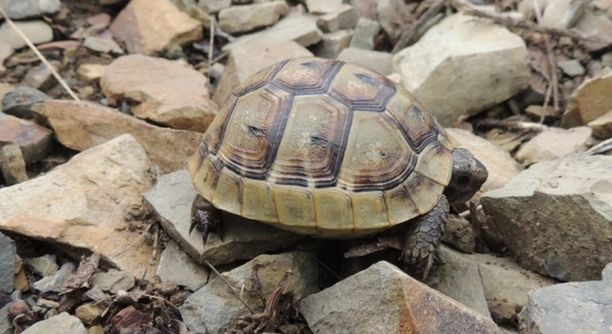
Is your Greek tortoise’s shell turning white? This is a common concern among tortoise owners, and understanding the potential causes is important for maintaining your pet’s health. Various factors can contribute to this issue.
White patches or discoloration on your tortoise’s shell may be linked to environmental factors, health issues, or dietary imbalances. Some of the most common causes include dehydration, fungal infections, poor lighting, or even calcium deficiencies.
Identifying the cause of the discoloration is crucial for addressing the problem effectively and ensuring the overall well-being of your tortoise.
Dehydration: A Leading Cause
Dehydration is one of the most common reasons why a Greek tortoise’s shell may turn white. These animals rely on a consistent water intake to stay healthy. Without proper hydration, their skin and shell may begin to dry out, leading to discoloration. Tortoises should always have access to fresh water, and their diet should include water-rich foods, like leafy greens, to ensure they stay hydrated. Sometimes, dehydration might not be obvious right away, and the discoloration may slowly develop as a result of insufficient moisture.
Offering water regularly in a shallow dish can help prevent this issue. Ensure your tortoise is drinking enough, and be mindful of how much humidity is in their environment.
If your tortoise is showing signs of dehydration, adjusting their water supply and environment can often resolve the issue. However, if left unaddressed, dehydration could lead to more serious health concerns, so monitoring their water intake is important.
Fungal Infections and Shell Discoloration
Fungal infections are another reason for white patches or discoloration on your tortoise’s shell. These infections can result from a variety of factors, such as improper humidity or damp conditions that encourage fungal growth. When the fungus takes hold, it often manifests as white or light-colored spots on the shell, particularly on the scutes. The best way to prevent fungal infections is to ensure your tortoise’s habitat is clean, dry, and well-ventilated.
To treat a fungal infection, the shell needs to be cleaned thoroughly with a mild antifungal solution. If the infection persists or worsens, it is advisable to consult a veterinarian for a proper diagnosis and treatment plan. Regular maintenance of their living space and monitoring the humidity levels can reduce the risk of infection. Keeping your tortoise’s shell dry is essential to preventing these types of infections.
Making these adjustments will help in both preventing and managing fungal issues that can affect the overall health of your tortoise.
Poor Lighting and Shell Discoloration
Insufficient UVB lighting can negatively impact your tortoise’s health and shell color. Tortoises rely on UVB light to produce vitamin D3, which is essential for calcium absorption. Without proper UVB exposure, your tortoise may develop shell issues, including whitening or discoloration.
UVB light is a vital part of their environment, and failure to provide it can lead to a condition called metabolic bone disease (MBD), which affects the shell. Ensure your tortoise has access to a proper UVB light source for 10-12 hours a day. Regularly replace bulbs to maintain the correct UVB levels.
In addition to UVB light, heat is also necessary for your tortoise to thrive. Lack of proper basking temperatures can hinder digestion and overall health. A combination of both UVB light and appropriate temperature will help avoid shell discoloration and other potential health issues.
Calcium Deficiency: Impact on Your Tortoise’s Shell
A calcium deficiency can contribute to white or discolored patches on your tortoise’s shell. Calcium is a key mineral for maintaining strong shells and bones. Without it, the shell becomes weak and may show signs of discoloration. The most common reason for calcium deficiency is an unbalanced diet that lacks sufficient calcium sources.
To prevent this, include calcium-rich foods such as dandelion greens, collard greens, and other leafy vegetables in your tortoise’s diet. You may also need to dust their food with a calcium supplement to ensure they are getting enough. Proper calcium levels are crucial for shell health and overall well-being.
A proper balance of calcium and phosphorus is necessary for maintaining a healthy shell. If calcium deficiency is suspected, adjusting their diet and supplementing with a calcium powder can help restore proper levels and reduce the risk of shell problems.
Stress and Shell Discoloration
Stress can have a significant effect on your tortoise’s shell, causing it to become white or discolored. Environmental changes, such as moving the tortoise to a new habitat or introducing other pets, can contribute to this stress.
Stressful conditions affect the tortoise’s overall health and immune system. White patches may appear as a sign of the body reacting to stress. Ensuring your tortoise’s environment remains stable and calm can help prevent this issue.
A peaceful, secure living space, free of excessive handling or changes, will help keep your tortoise calm and reduce stress-related shell discoloration.
Improper Temperature Conditions
If the temperature in your tortoise’s habitat is too low or inconsistent, it can cause a variety of health issues, including shell discoloration. Tortoises need a basking spot with warm temperatures to regulate their metabolism and digest food properly.
Temperature fluctuations, particularly in combination with poor UVB lighting, can cause your tortoise’s shell to become lighter or develop white patches. Make sure the habitat includes a proper heat gradient, with a warm basking area and cooler spots for them to regulate their body temperature.
By maintaining a consistent temperature range, you help avoid unnecessary stress and health issues that could impact the condition of their shell.
Shell Rot and White Patches
Shell rot is another condition that can cause white patches or discoloration on your tortoise’s shell. It occurs when the shell is exposed to excessive moisture or unsanitary conditions, leading to fungal or bacterial infections.
Shell rot can progress quickly if not treated. Early signs include soft, discolored areas that may appear white. If your tortoise’s shell becomes soft or shows signs of infection, immediate attention is needed. Treatment typically involves cleaning the shell and removing any infected tissue.
Keeping the habitat dry, clean, and well-ventilated is key to preventing shell rot. Regularly inspect your tortoise’s shell to catch any signs of infection early.
FAQ
Why is my Greek tortoise’s shell turning white?
White patches or discoloration on your Greek tortoise’s shell can stem from several causes, including dehydration, poor lighting, fungal infections, calcium deficiencies, and stress. It’s important to identify the cause, as each issue requires different treatment methods. If the discoloration persists, it’s advisable to consult a vet for a proper diagnosis.
How can I prevent dehydration in my Greek tortoise?
To prevent dehydration, ensure that your tortoise has constant access to fresh water in a shallow dish. Additionally, feeding water-rich vegetables such as cucumber and lettuce can help maintain hydration. Adjust the humidity levels in the enclosure to support proper hydration, and monitor their water intake regularly.
What UVB light should I use for my tortoise?
Greek tortoises need UVB light to properly absorb calcium and maintain strong shell health. A high-quality UVB bulb, specifically designed for reptiles, should be used and replaced every 6-12 months. The UVB light should be placed within 12 inches of the basking area, providing 10-12 hours of exposure per day.
How do I know if my tortoise has a calcium deficiency?
Signs of calcium deficiency in tortoises include soft or malformed shells, lack of growth, and overall weakness. If you notice any of these symptoms, it’s crucial to adjust their diet and consider using a calcium supplement. Offering foods like kale, dandelion greens, and collard greens will help provide the necessary calcium.
Can stress cause shell discoloration in my tortoise?
Yes, stress can impact your tortoise’s shell health, leading to white or light-colored patches. Stress may result from environmental changes, such as moving to a new home, introduction of new pets, or excessive handling. Keeping their living space calm, stable, and free from sudden changes is key to minimizing stress.
What temperature should I maintain in my tortoise’s habitat?
Greek tortoises thrive in warm environments. A basking area should be kept between 90-100°F, while the cooler end of the enclosure should be around 70-75°F. Maintaining a consistent temperature gradient ensures that your tortoise can regulate its body temperature effectively, which is crucial for its health.
How do I treat fungal infections on my tortoise’s shell?
If you suspect a fungal infection, carefully clean the shell with a mild antifungal solution. You can also apply antifungal cream specifically designed for reptiles to the affected area. If the infection doesn’t improve or spreads, a visit to the vet is necessary for more effective treatment options.
Can shell rot cause white patches on a tortoise’s shell?
Yes, shell rot can lead to white patches on a tortoise’s shell. It usually results from excessive moisture or unsanitary conditions in the enclosure. If you notice soft, discolored areas that are white or lighter in color, shell rot might be the cause. Immediate treatment is necessary to prevent further damage.
How do I clean my tortoise’s shell?
To clean your tortoise’s shell, use a soft brush or cloth with warm water. Gently scrub away any dirt, debris, or shed skin. Avoid harsh chemicals, as they can damage the shell. If there are signs of infection or rot, seek veterinary care before attempting cleaning.
What should I feed my tortoise to prevent shell issues?
To keep your tortoise’s shell healthy, provide a balanced diet of leafy greens like kale, collard greens, and dandelion greens. Additionally, offer occasional fruits such as strawberries or melon. It’s also important to provide calcium-rich foods and supplements to prevent deficiencies. A proper diet plays a significant role in maintaining shell health.
How can I maintain proper humidity for my tortoise?
Humidity plays a role in hydration and overall health for your tortoise. Maintain humidity levels between 40-60% in the enclosure. You can achieve this by spraying the enclosure lightly with water, especially during the warmer months, or adding a humidity box. Regular monitoring is important to keep the environment stable.
Should I be concerned if my tortoise’s shell turns slightly white?
A slight change in shell color may not be a major issue if it’s temporary and does not worsen. However, if the discoloration persists or spreads, it’s essential to investigate further. Look for other symptoms such as behavioral changes, lethargy, or loss of appetite, and consult a veterinarian if needed.
Is it safe to handle my tortoise if its shell is turning white?
It’s generally safe to handle a tortoise with shell discoloration, but it’s important to minimize stress during this time. Handle your tortoise gently and avoid excessive handling until you determine the cause of the discoloration. In some cases, stress from handling may exacerbate shell issues.
Can I use any antifungal cream for my tortoise’s shell?
Only use antifungal creams that are specifically designed for reptiles. Human antifungal creams may contain ingredients that are harmful to your tortoise. Always check the label or consult your veterinarian before applying any treatment to ensure it is safe and effective.
What are the signs that my tortoise is not getting enough UVB light?
Signs of insufficient UVB light include a lack of appetite, lethargy, and soft or malformed shells. If your tortoise is showing these symptoms, it may be due to inadequate UVB exposure. Ensure your UVB light is functioning properly and is within the appropriate distance from your tortoise’s basking area.
How long should my tortoise spend under UVB light each day?
Your tortoise should spend around 10-12 hours each day under UVB light to help with calcium absorption and overall health. Regular exposure is crucial for preventing conditions like metabolic bone disease and shell problems. Make sure the light is on a timer for consistency.
Is shell discoloration always a sign of a health problem?
Not always. Sometimes, shell discoloration can be caused by natural shedding or temporary factors like stress. However, persistent or worsening discoloration is often a sign of an underlying health issue that needs to be addressed. Keep a close eye on your tortoise’s overall behavior and consult a vet if necessary.
Final Thoughts
Greek tortoises are wonderful pets, but their shell health requires attention to ensure they remain healthy and active. If you notice your tortoise’s shell turning white, it could be a sign of several potential issues, such as dehydration, a lack of UVB exposure, or fungal infections. Identifying the cause is the first step in addressing the problem, as each issue will require a different solution. For example, improving hydration or adding a UVB light to the enclosure may help in cases of dehydration or insufficient light exposure. In contrast, fungal infections or shell rot will require a more specific treatment plan, often involving antifungal creams or changes in environmental conditions.
While some minor discoloration may not always be a cause for concern, it’s essential to monitor your tortoise’s behavior and shell condition closely. If you notice other symptoms, such as lethargy, loss of appetite, or changes in activity level, it’s time to consult a veterinarian. They can provide a proper diagnosis and help you develop a treatment plan that suits your tortoise’s needs. Preventing further shell issues involves ensuring that your tortoise’s habitat is well-maintained, with the proper humidity, temperature, and lighting. Regularly cleaning their enclosure and providing a balanced diet can also help keep their shell healthy.
Caring for a Greek tortoise can be both rewarding and challenging. By paying attention to signs of potential shell issues and taking quick action when needed, you’ll help ensure that your tortoise remains healthy and happy. Whether it’s adjusting their diet, offering proper lighting, or monitoring their environment, proactive care can prevent many of the common shell problems Greek tortoises face. Remember that your tortoise’s shell health is closely tied to their overall well-being, and addressing any concerns early can make a significant difference in their quality of life.

Hello,
If you enjoy the content that we create, please consider saying a "Thank You!" by leaving a tip.
Every little bit helps us continue crafting quality advice that supports the health, happiness, and well-being of pets around the world, for pets of all shapes, sizes, and species.
We really appreciate the kindness and support that you show us!