
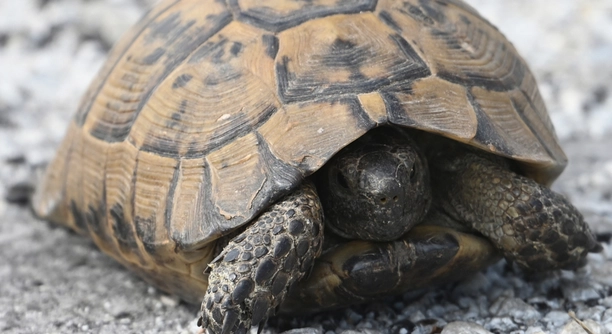
Do you ever notice your Greek tortoise yawning and wonder if it means something important? Yawning in tortoises can seem harmless, but it might indicate an underlying issue. Understanding the reasons behind this behavior can help ensure your pet’s well-being.
Greek tortoises yawn for various reasons, including normal relaxation, respiratory infections, temperature changes, dehydration, or even stress. While occasional yawning is natural, frequent yawning could signal a health concern requiring attention, such as respiratory distress or environmental discomfort.
Yawning might seem like a simple behavior, but there are several factors that can influence it. Recognizing these potential causes will help you take better care of your tortoise and prevent any serious health issues from developing.
Normal Relaxation and Stretching
Yawning in Greek tortoises is often just a natural part of their daily routine. Like humans and other animals, tortoises yawn to stretch their jaw muscles and regulate oxygen intake. It can also happen after waking up from a nap or when settling down to rest. This type of yawning is completely normal and nothing to worry about. You may notice your tortoise opening its mouth wide and slowly closing it again without any other unusual behavior. If your tortoise is otherwise active, eating well, and showing no signs of distress, then occasional yawning is likely just a natural reflex.
This type of yawning usually happens once in a while and doesn’t indicate any health issues. If your tortoise is comfortable and in a suitable environment, there’s no reason to be concerned.
Observing your tortoise’s behavior over time can help you understand its normal habits. Occasional yawning, especially after sleeping or basking, is completely harmless. However, if you notice excessive yawning along with other symptoms like lethargy or changes in appetite, it may be worth looking into other possible causes. Keeping an eye on how often your tortoise yawns and in what context can help determine if further action is needed.
Respiratory Infections
Frequent yawning can sometimes be a sign of respiratory issues in Greek tortoises. Respiratory infections can develop due to poor humidity levels, low temperatures, or bacterial exposure. If the yawning is accompanied by wheezing, mucus discharge, or labored breathing, it may be time to take action.
Greek tortoises need warm temperatures to maintain a healthy immune system. If they are kept in an environment that is too cold or damp, they can become more susceptible to respiratory infections. Bacteria can also thrive in enclosures that are not cleaned regularly. These infections can cause inflammation in the respiratory tract, leading to symptoms like yawning, open-mouth breathing, and nasal discharge. If left untreated, respiratory infections can worsen and make breathing difficult for your tortoise.
If you suspect an infection, increasing the enclosure’s temperature slightly and maintaining proper humidity levels can help in the early stages. However, severe infections require veterinary care. A veterinarian may prescribe antibiotics or recommend specific treatments to help clear the infection. Keeping your tortoise’s habitat clean and at the right temperature can help prevent respiratory issues from developing in the future.
Temperature Changes
Yawning can be a response to temperature fluctuations. Greek tortoises rely on external heat sources to regulate their body temperature, and sudden changes can cause stress. If the enclosure is too cold or too hot, your tortoise may yawn more frequently as it tries to adjust.
If the temperature is too low, your tortoise may become sluggish, yawn often, and struggle to stay active. On the other hand, excessive heat can lead to overheating, which also triggers yawning as a sign of discomfort. Maintaining a temperature gradient in the enclosure, with a basking area around 90°F (32°C) and a cooler zone around 75°F (24°C), helps your tortoise stay comfortable. Using a thermometer to monitor the enclosure ensures that temperature shifts don’t become a problem. Sudden changes, like moving your tortoise from a warm area to a cold one, should be avoided.
Greek tortoises need a stable environment to thrive. If they are exposed to temperatures outside their comfort range for too long, their body may react by yawning more frequently. Making gradual adjustments and providing proper heating and cooling options will help prevent unnecessary stress. Ensuring a consistent and suitable temperature range can make a big difference in your tortoise’s overall health.
Dehydration
Yawning can sometimes be a sign of dehydration. Greek tortoises need access to fresh water, even if they don’t drink often. Without enough hydration, they may start showing signs like dry skin, sunken eyes, or excessive yawning. Soaking your tortoise in shallow water can help if dehydration is suspected.
In the wild, Greek tortoises get moisture from the plants they eat and occasional rainfall. In captivity, they rely on owners to provide hydration. A lack of water can affect digestion and lead to sluggish behavior. Leafy greens with high water content, such as romaine lettuce and dandelion greens, can help increase hydration. Mist the enclosure occasionally to maintain adequate humidity, but avoid making it too damp, as excess moisture can cause respiratory issues.
If your tortoise’s skin appears wrinkled or its behavior changes, dehydration might be a factor. Providing clean water in a shallow dish and soaking your tortoise once or twice a week can prevent dehydration. Keeping an eye on water intake and humidity levels will help ensure your tortoise stays properly hydrated.
Stress and Anxiety
Yawning can be a reaction to stress. Changes in the environment, excessive handling, or loud noises can make a Greek tortoise feel uneasy. If your tortoise is yawning frequently and showing signs of restlessness, reducing disturbances can help it feel more secure.
A new enclosure, different lighting, or unfamiliar animals nearby can also cause stress. Ensuring a quiet and stable environment, along with hiding spots, allows your tortoise to feel safe. If stress continues, limiting interactions and observing behavior changes can help determine the cause and create a more comfortable space.
Poor Diet
A lack of essential nutrients can affect a tortoise’s overall health, leading to unusual behaviors like frequent yawning. Calcium, vitamins, and fiber are crucial for proper digestion and muscle function. A diet lacking these nutrients may cause fatigue, mouth discomfort, or difficulty swallowing, which could result in excessive yawning.
Boredom
Greek tortoises can experience boredom if they don’t have enough stimulation. A plain enclosure with little variety can lead to repetitive behaviors like yawning. Adding rocks, logs, and different textures encourages exploration and keeps your tortoise engaged. Small changes in their environment can make a noticeable difference in their activity levels.
FAQ
Is it normal for my Greek tortoise to yawn frequently?
Occasional yawning is completely normal and usually not a concern. However, frequent yawning could indicate an underlying issue, such as respiratory problems, dehydration, or stress. If you notice excessive yawning along with other symptoms like lethargy, wheezing, or lack of appetite, further investigation may be needed.
Can yawning be a sign of illness in Greek tortoises?
Yes, yawning can sometimes signal a health issue, particularly respiratory infections. If your tortoise yawns often and also has nasal discharge, open-mouth breathing, or a loss of appetite, it could be dealing with an infection. Maintaining proper humidity and temperature can help prevent these illnesses.
How can I tell if my tortoise is yawning due to stress?
If yawning is accompanied by hiding, restlessness, or decreased activity, stress may be the cause. Loud noises, excessive handling, or sudden changes in the enclosure can make your tortoise feel uneasy. Providing a quiet and stable environment with hiding spots can help reduce stress levels.
Does improper temperature cause excessive yawning?
Yes, temperature fluctuations can affect your tortoise’s behavior. If the enclosure is too cold, your tortoise may become sluggish and yawn more often. If it’s too hot, yawning can be a sign of overheating. Keeping the temperature in the correct range helps prevent these issues.
Can dehydration make my tortoise yawn more?
Yes, dehydration can lead to increased yawning. Without enough water, your tortoise may show signs like dry skin, sunken eyes, or lethargy. Providing clean water in a shallow dish and offering hydrating foods like leafy greens can help keep your tortoise properly hydrated.
What should I do if my tortoise keeps yawning?
Start by observing for other symptoms. Check the enclosure’s temperature, humidity, and cleanliness. Ensure your tortoise is eating a balanced diet and has access to fresh water. If yawning persists alongside other health concerns, a veterinarian visit is recommended to rule out any medical conditions.
Is yawning a sign of boredom in tortoises?
Yawning is not always linked to boredom, but a lack of stimulation can affect behavior. If the enclosure is too plain, your tortoise may show less activity. Adding natural elements like logs, rocks, and different textures can encourage exploration and engagement.
How can I prevent my Greek tortoise from excessive yawning?
Providing a stable environment, proper nutrition, and consistent hydration can help. Keep temperatures within the ideal range, maintain a clean habitat, and offer a variety of foods. Regular monitoring of behavior will help identify any changes early, preventing potential health issues.
Can poor diet contribute to yawning?
Yes, a lack of essential nutrients can impact a tortoise’s health. Calcium and fiber are important for digestion and muscle function. If a diet is unbalanced, it may cause fatigue or mouth discomfort, leading to more frequent yawning. Offering a varied diet helps maintain overall well-being.
When should I be concerned about my tortoise’s yawning?
If yawning is occasional and not paired with other symptoms, it’s likely normal. However, if your tortoise also has difficulty breathing, mucus around the nose or mouth, or changes in behavior, it could indicate an illness that requires veterinary attention.
Final Thoughts
Yawning in Greek tortoises is often a normal behavior, but it can sometimes indicate an issue that needs attention. Occasional yawning is usually harmless and may be a way for your tortoise to stretch its jaw or adjust to its environment. However, frequent yawning, especially when paired with other symptoms like lethargy, wheezing, or loss of appetite, could signal an underlying health concern. Paying attention to how often your tortoise yawns and what other behaviors accompany it can help determine if action is needed.
There are several possible causes of excessive yawning, including respiratory infections, dehydration, temperature changes, stress, and poor diet. Keeping the enclosure at the right temperature, maintaining proper humidity, and providing fresh water are essential for preventing health issues. A balanced diet with leafy greens and calcium-rich foods also plays a key role in keeping your tortoise healthy. Making sure your tortoise has a comfortable and enriched environment can help reduce stress and prevent boredom, both of which can contribute to unusual behaviors. Simple changes, like adjusting the enclosure setup or improving hydration, can often resolve minor yawning concerns.
If your tortoise continues to yawn excessively or shows signs of illness, consulting a veterinarian is the best course of action. Early detection and proper care can prevent minor problems from becoming serious health issues. By observing your tortoise’s behavior, maintaining a proper habitat, and providing the right nutrition, you can help ensure your tortoise stays happy and healthy. Understanding the reasons behind yawning will not only give you peace of mind but also allow you to create the best possible care routine for your pet.

Hello,
If you enjoy the content that we create, please consider saying a "Thank You!" by leaving a tip.
Every little bit helps us continue crafting quality advice that supports the health, happiness, and well-being of pets around the world, for pets of all shapes, sizes, and species.
We really appreciate the kindness and support that you show us!