
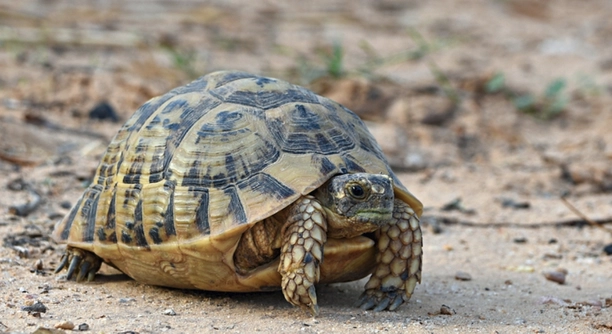
Are your Greek tortoises struggling to stay warm during the chilly winter months? Keeping them at the right temperature is essential for their health and well-being, especially since they thrive in warm, dry environments.
The best way to keep your Greek tortoise warm in winter is by maintaining a controlled habitat with proper heating elements. Using heat lamps, ceramic heat emitters, and insulated enclosures ensures they stay comfortable and avoid dangerous temperature drops.
Providing a cozy and safe space for your tortoise is important during cold weather. Different heating methods can help you create a warm environment and keep your pet healthy throughout the season.
Use a Heat Lamp for Consistent Warmth
A heat lamp is one of the most effective ways to keep your Greek tortoise warm in winter. These lamps provide direct heat, mimicking the sun’s warmth, which is essential for your tortoise’s digestion and overall health. Place the lamp at one end of the enclosure to create a temperature gradient, allowing your tortoise to move between warm and cooler areas as needed. A basking spot with a temperature of around 95°F (35°C) helps regulate their body temperature. Choose a high-quality heat lamp designed for reptiles, ensuring it provides enough warmth without overheating the enclosure.
Always position the heat lamp securely to prevent accidents or burns. A ceramic socket fixture is ideal for holding the lamp in place. Regularly check the temperature with a thermometer to maintain proper heat levels.
Along with a heat lamp, other heating methods can improve your tortoise’s comfort. Using multiple sources of warmth can help prevent cold stress and keep them healthy.
Provide an Insulated Enclosure
A well-insulated enclosure helps trap heat, keeping your Greek tortoise warm during winter. Use thick walls, thermal blankets, or foam boards to improve insulation and reduce heat loss.
If your tortoise lives indoors, ensure the enclosure is free from drafts and positioned away from windows or cold walls. You can add a heating pad under a section of the enclosure to provide gentle warmth. For outdoor enclosures, consider using a heated hide box with a small entrance to keep warmth inside. The substrate also plays a role in insulation. A thick layer of cypress mulch or coconut fiber helps retain heat, providing a comfortable surface for burrowing.
Temperature monitoring is essential. Use a digital thermometer with a probe to check different areas of the enclosure. This ensures the temperature remains stable, preventing dangerous drops that could affect your tortoise’s health.
Use a Ceramic Heat Emitter at Night
Greek tortoises need warmth even when the lights are off. A ceramic heat emitter is a great option for nighttime heating since it provides heat without emitting light. This allows your tortoise to rest properly while staying warm in colder temperatures.
Position the ceramic heat emitter above the enclosure in a secure fixture. It should cover a portion of the space, creating a warm area while allowing cooler spots for temperature regulation. Use a thermostat to keep the temperature consistent, preventing overheating or sudden drops. A nighttime temperature of around 70-75°F (21-24°C) helps keep your tortoise comfortable and healthy. If your home gets particularly cold, consider using multiple heat sources to maintain the right environment.
Check the temperature regularly with a thermometer. Place one at the warm end and another at the cooler end to monitor fluctuations. This ensures your tortoise gets the right balance of warmth throughout the night.
Keep Humidity Levels in Check
Humidity plays an important role in keeping your Greek tortoise healthy during winter. Low humidity can lead to dehydration and respiratory issues, while excessive moisture can encourage fungal growth. Aim for a humidity level between 40-50% to maintain a proper balance. Using a hygrometer helps you track and adjust humidity as needed.
A shallow water dish helps maintain humidity while giving your tortoise a place to drink. Misting the enclosure lightly can also increase moisture, but avoid overdoing it to prevent damp conditions. If the air is too dry, placing a damp towel near a heat source can gently raise humidity. A proper substrate, such as cypress mulch or coconut fiber, helps retain moisture without becoming overly wet. Adjusting ventilation also plays a role—too much airflow can dry out the enclosure, while too little can trap excess humidity. Keeping the right balance ensures your tortoise stays comfortable and healthy.
Offer a Heated Hide
A heated hide gives your Greek tortoise a warm retreat during colder months. Using a heating pad under one side of the hide helps maintain a stable temperature without overheating the entire enclosure. This setup allows your tortoise to warm up as needed while still having cooler areas available.
Choose a hide made from thick material to retain heat effectively. Wooden or plastic hides work well, especially when insulated with additional bedding. Make sure the heating pad is thermostat-controlled to prevent overheating. Placing the hide in a draft-free area of the enclosure helps keep the warmth consistent.
Adjust Feeding for Winter
Greek tortoises tend to be less active in winter, which means they need fewer calories. Offer smaller portions of nutrient-rich foods, such as dark leafy greens, to maintain a healthy weight. Reducing excess food helps prevent digestive issues and ensures your tortoise stays comfortable in cooler temperatures.
Use Multiple Thermometers
Using multiple thermometers helps maintain the correct temperature throughout the enclosure. Place one near the basking area, another in the cool zone, and one inside the hide. This ensures accurate monitoring and allows you to adjust heating elements as needed to keep your tortoise warm and healthy.
FAQ
How cold is too cold for a Greek tortoise?
Greek tortoises are not built to handle extreme cold. They are sensitive to temperatures below 50°F (10°C). If exposed to temperatures this low for extended periods, they can experience serious health issues, including slowed metabolism and respiratory problems. It’s crucial to maintain a stable temperature above 60°F (15°C) to keep them healthy during winter. The basking area should ideally be around 90-95°F (32-35°C). If temperatures drop lower, consider using extra heat sources to prevent your tortoise from becoming too cold.
Can I keep my Greek tortoise outside during winter?
In general, it is not advisable to keep a Greek tortoise outdoors during the winter unless you live in a region with mild temperatures. They are not suited for freezing weather and may not survive harsh winters. If you live in a warm climate, an outdoor enclosure with proper shelter can be suitable, but for most climates, an indoor environment with regulated heating is best. Make sure the enclosure provides proper insulation and heat sources to mimic their natural warm habitat.
How can I tell if my Greek tortoise is too cold?
If your Greek tortoise is too cold, you may notice a few signs, including reduced movement, lethargy, or a lack of interest in food. Their appetite may decrease, and they may retreat into their shell more often. In some cases, they might develop respiratory issues like wheezing or nasal discharge. If you observe any of these symptoms, check the temperature in their enclosure immediately and adjust the heating. A tortoise that remains too cold for too long can suffer long-term health consequences, so it’s important to act quickly.
Do I need a UVB light in winter?
Yes, UVB light is essential year-round for Greek tortoises. They rely on UVB light to metabolize calcium, which is vital for their shell and bone health. In winter, natural sunlight may be insufficient, especially if they are kept indoors. A UVB light should be used in conjunction with your heat source to provide both warmth and the necessary UVB rays. Ensure that the light is placed at the proper distance to avoid burns but still provide effective UVB exposure.
What kind of bedding should I use for winter?
The bedding for your Greek tortoise should be comfortable, safe, and able to retain heat. A mix of coconut fiber, cypress mulch, or aspen shavings works well for insulation and moisture control. Make sure the bedding is thick enough to help regulate the temperature, especially in cooler areas of the enclosure. Avoid using sand or gravel, as they do not retain moisture and could cause digestive issues if ingested. Additionally, ensure that the bedding is free of any chemicals or fragrances that could harm your tortoise.
Is it okay to hibernate my Greek tortoise during winter?
Greek tortoises do not truly hibernate but enter a state of brumation, which is a period of dormancy where their metabolism slows down. Brumation is common in wild tortoises during colder months. However, not all pet tortoises should go through brumation, especially if they are young or in less-than-ideal health. If you do allow your tortoise to brumate, ensure that the temperature is controlled and they are in a safe, quiet environment. It’s important to monitor them closely during this time and not allow them to get too cold. Always consult with a vet before allowing your tortoise to brumate.
How can I keep my tortoise’s enclosure warm at night?
To keep your tortoise’s enclosure warm at night, use a ceramic heat emitter or an under-tank heating pad. These options provide warmth without light, which is important for allowing your tortoise to rest properly. Make sure the heating element is thermostatically controlled to prevent overheating. Additionally, using proper insulation in the enclosure helps trap heat. You can also add extra bedding to help retain warmth. It’s important to monitor the temperature regularly, especially during the night when natural heat sources are not available.
What temperature should my Greek tortoise’s basking spot be?
The basking spot for your Greek tortoise should be between 90-95°F (32-35°C). This allows them to regulate their body temperature and stay active. The basking spot is crucial for digestion and overall health, so it should be warm enough for your tortoise to spend time there without feeling cold. Use a heat lamp or ceramic heat emitter to achieve the right temperature. Avoid placing the heat source too close, as it could overheat the area and make your tortoise uncomfortable.
What if my Greek tortoise isn’t eating during the winter?
Reduced appetite during winter can be normal for Greek tortoises, especially if they are less active due to cooler temperatures. However, if your tortoise refuses to eat for an extended period or seems lethargic, it may indicate an issue. First, check the temperature and humidity levels to ensure the environment is comfortable. If your tortoise continues to refuse food or shows other signs of distress, consult a veterinarian to rule out any health problems. In most cases, a stable and warm environment should encourage eating.
Final Thoughts
Taking care of your Greek tortoise during winter requires attention to detail, but it doesn’t have to be difficult. By ensuring they have a warm, stable environment, you help them stay healthy and active despite the colder months. It’s essential to create temperature gradients within their enclosure so they can regulate their body temperature. Offering proper heat sources, like heat lamps and ceramic emitters, helps mimic the warmth of their natural habitat. Make sure to monitor temperatures regularly with reliable thermometers to avoid sudden temperature changes that could harm your tortoise.
While temperature is critical, humidity also plays a big role in your tortoise’s well-being. Keeping the humidity level between 40-50% is necessary to prevent dehydration and respiratory problems. You can adjust humidity levels by adding a shallow water dish or lightly misting the enclosure. Be careful not to overdo it, as too much moisture can lead to mold growth or fungal issues. A balanced environment, with both warmth and proper moisture, supports their overall health. In addition to this, providing a safe, insulated hide can give your tortoise a retreat where they can stay warm and comfortable.
Lastly, don’t forget the importance of UVB light for your tortoise’s health. Even in winter, UVB light helps them absorb calcium, which is essential for strong bones and a healthy shell. Since natural sunlight may be scarce, a UVB lamp should be used regularly. While it’s normal for your tortoise’s activity levels to decrease during the winter months, it’s important to continue providing the right care. By keeping their environment stable and offering the right resources, you’ll help them thrive year-round. Regularly check on your tortoise’s behavior and environment to ensure they stay healthy and happy.

Hello,
If you enjoy the content that we create, please consider saying a "Thank You!" by leaving a tip.
Every little bit helps us continue crafting quality advice that supports the health, happiness, and well-being of pets around the world, for pets of all shapes, sizes, and species.
We really appreciate the kindness and support that you show us!