
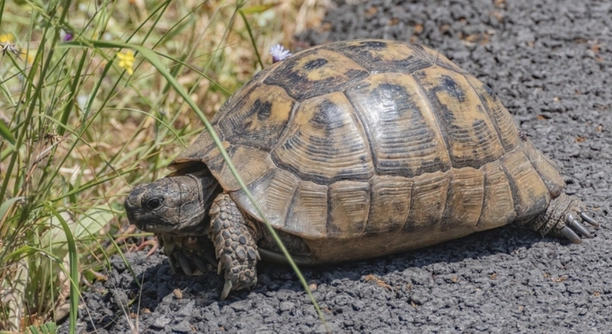
If you’ve noticed your Greek tortoise’s shell turning white, you may be concerned about their health. This change can happen for various reasons, and understanding the cause is key to ensuring their well-being.
The white coloration of a tortoise’s shell can be linked to several factors, including dietary deficiencies, environmental stress, or fungal infections. It is essential to identify the root cause to address the issue effectively and maintain the tortoise’s health.
There are several potential reasons for this condition, and understanding them can help you take the necessary steps to improve your tortoise’s situation.
Potential Dietary Deficiencies
A common cause of a tortoise’s shell turning white is a lack of proper nutrients in their diet. Greek tortoises require a balanced intake of vitamins, minerals, and fiber to maintain a healthy shell. Without proper nutrition, their shells may lose color, becoming white or pale, signaling a deficiency. It’s essential to provide a diet rich in calcium, vitamin D3, and other essential nutrients. While leafy greens are great for them, they also need a variety of other food sources like grasses and weeds. If your tortoise is not getting a full range of nutrients, this might show on their shell.
It is also important to provide a UVB light source for your tortoise if they live indoors. UVB helps in the production of vitamin D3, which is crucial for calcium absorption. If these nutrients are lacking, their shell might show signs of distress. Proper supplementation can often prevent or reverse these changes.
A balanced diet is essential for maintaining the tortoise’s health and shell appearance. Without proper nutrition, deficiencies can lead to severe health problems that may affect their growth and vitality.
Improper Humidity and Temperature
The environment where your Greek tortoise lives plays a significant role in its shell’s health. If the temperature or humidity levels are not right, this can cause the shell to become discolored. These tortoises thrive in dry, warm climates. Keeping their enclosure too humid or cold can stress them out, leading to shell issues.
Greek tortoises need to be kept at a temperature range of 75°F to 90°F during the day. At night, the temperature should drop slightly, but not too much. Consistently high humidity can promote the growth of harmful fungi that can affect the shell’s appearance. The shell may turn white or appear scaly if the humidity levels are too high. If the tortoise has trouble thermoregulating due to environmental factors, this can result in various health concerns as well.
Maintaining proper temperature and humidity is key to preventing these environmental stressors. These small changes in the enclosure setup can have a major impact on the overall health of your tortoise. By ensuring the habitat is appropriate, you can help maintain their shell and overall well-being.
Fungal Infections
A white shell may also be a sign of a fungal infection. Fungi thrive in moist, warm environments and can cause discoloration of a tortoise’s shell. This can occur if the habitat is too humid or if the tortoise has been exposed to damp conditions for too long. Fungal infections can lead to patches of white or yellowish discoloration on the shell, sometimes accompanied by flaking.
Treating fungal infections often requires a veterinary visit to confirm the diagnosis and determine the best course of treatment. In some cases, antifungal creams or medications might be needed to help the tortoise recover. It’s also essential to improve the environment to prevent the infection from recurring, such as reducing humidity and ensuring proper ventilation in their enclosure. Keeping their habitat dry and clean will help prevent fungi from thriving.
Maintaining a clean and dry environment for your tortoise is crucial for their health. Regularly clean their living area, ensuring that excess moisture is removed, and consider using a dehumidifier if the humidity is too high. Monitoring these factors can help avoid fungal infections that lead to white spots on their shell.
Shell Rot
Shell rot is another reason your Greek tortoise’s shell may turn white. It occurs when bacteria or fungi infect the shell, causing it to deteriorate. This condition can arise from poor hygiene, excessive humidity, or injury to the shell. If left untreated, shell rot can lead to permanent damage, affecting the tortoise’s overall health. The affected area may appear white, soft, or flaky.
To treat shell rot, veterinary care is often necessary. The veterinarian will clean the affected area and may prescribe antibiotics or antifungal treatments to address the infection. In more severe cases, damaged tissue may need to be removed. It’s important to prevent shell rot by keeping the tortoise’s enclosure clean and dry. Ensure that any scratches or wounds on the shell are cleaned and treated promptly to avoid infection.
Prompt action is necessary when dealing with shell rot. If you notice any signs of rot or discoloration, seek veterinary advice quickly to prevent long-term damage to your tortoise’s shell. Keeping the living conditions clean and dry can help prevent this condition from occurring.
Vitamin D3 Deficiency
A lack of vitamin D3 can affect a Greek tortoise’s shell, leading to discoloration. Vitamin D3 is necessary for calcium absorption, which is essential for healthy shell growth. Without enough vitamin D3, the tortoise may show signs of shell issues, including a white or faded appearance.
This deficiency can be caused by inadequate sunlight or insufficient UVB exposure. Greek tortoises, especially those kept indoors, need UVB lighting to help them synthesize vitamin D3. Without it, they may develop shell problems. Ensuring proper UVB lighting in their enclosure and supplementing their diet with vitamin D3 can prevent this issue.
Dehydration
Dehydration can cause a Greek tortoise’s shell to appear white or dull. A lack of proper hydration affects the skin and shell, leading to changes in texture and color. Dehydration often occurs when tortoises are not drinking enough water or living in overly dry conditions.
Ensure your tortoise always has access to fresh water and regularly soak them in shallow water to keep them hydrated. Hydration also supports proper digestion and overall health. Inadequate water intake can impact their shell health, so it’s important to monitor their water consumption.
Stress
Stress can manifest in various ways in Greek tortoises, including changes in their shell appearance. If your tortoise is stressed, their shell may start to turn white. Stress can be caused by many factors such as changes in the environment, lack of proper hiding spots, or frequent handling.
To reduce stress, maintain a consistent and comfortable environment for your tortoise. Ensure their enclosure provides plenty of hiding spots, a steady temperature, and no sudden disturbances. Reducing handling and allowing them to acclimate to their surroundings can minimize stress-related shell changes.
FAQ
What should I do if my tortoise’s shell turns white?
If your Greek tortoise’s shell turns white, it’s important to determine the underlying cause. Start by evaluating their diet, environment, and health. Ensure they are getting a balanced diet, with proper UVB exposure for calcium absorption. If the discoloration persists, consider consulting a vet for a thorough examination. They can help diagnose issues such as fungal infections or shell rot, which may require medical treatment.
How can I tell if my tortoise is suffering from shell rot?
Shell rot often appears as soft, discolored areas on the shell, which may become white or yellow. In some cases, the affected areas may flake or feel mushy. If you notice these signs, it’s essential to seek veterinary care. A vet can properly clean and treat the infection, ensuring the shell doesn’t suffer permanent damage.
Can a lack of UVB light cause my tortoise’s shell to turn white?
Yes, a lack of UVB light can lead to a white or pale shell in Greek tortoises. UVB light helps them synthesize vitamin D3, which is essential for calcium absorption. Without sufficient UVB exposure, they may develop a condition called metabolic bone disease, leading to weakened shells. Make sure your tortoise’s enclosure has a UVB light that is replaced regularly to maintain optimal health.
How often should I check my tortoise’s shell for issues?
It’s a good idea to check your tortoise’s shell at least once a week for any signs of discoloration or damage. Regularly inspect the shell for changes in color, texture, or softness. This will help catch any potential issues early. If you notice any irregularities, act quickly by adjusting their environment or seeking veterinary help.
Can dehydration cause my tortoise’s shell to turn white?
Yes, dehydration can cause your tortoise’s shell to appear white or dull. When they don’t get enough water, their body may not function properly, affecting their skin and shell. Make sure your tortoise has access to fresh water at all times. Soaking them regularly can help ensure proper hydration, especially if they are not drinking enough.
What is the best diet to prevent shell discoloration in my tortoise?
A healthy diet plays a crucial role in maintaining a Greek tortoise’s shell. Provide them with a variety of leafy greens, grasses, and edible weeds. Foods high in calcium, like dandelion greens, are essential for shell health. You should also offer occasional supplementation of vitamin D3 and calcium, particularly if your tortoise is kept indoors and doesn’t receive enough natural sunlight.
Can fungal infections make my tortoise’s shell white?
Yes, fungal infections can cause white patches or spots on your tortoise’s shell. These infections thrive in moist, warm conditions, leading to discoloration and possible softening of the shell. If you suspect a fungal infection, seek veterinary care for antifungal treatment. In the meantime, ensure your tortoise’s living conditions are dry and clean to help prevent further issues.
How can I treat a fungal infection on my tortoise’s shell?
If a fungal infection is causing white discoloration, a vet will likely prescribe antifungal medication or topical creams. Keep your tortoise’s enclosure clean and dry to prevent the fungus from returning. Make sure to address the humidity levels in their habitat, as excessive moisture encourages fungal growth.
What temperature and humidity levels should I maintain for my Greek tortoise?
Greek tortoises thrive in warm, dry environments. The temperature should be between 75°F and 90°F during the day, with a slight drop at night. Humidity should be kept low to avoid fungal growth and shell issues. Ensure that the enclosure is well-ventilated, and avoid excessive humidity to keep your tortoise’s shell in good condition.
Can stress cause my tortoise’s shell to turn white?
Stress can lead to changes in the appearance of your tortoise’s shell, including discoloration. Factors such as sudden changes in their environment, improper handling, or overcrowding can cause stress. To reduce stress, ensure your tortoise has a quiet and stable environment with plenty of hiding spots. Avoid frequent handling to help them feel secure.
How long does it take for a tortoise’s shell to recover from white discoloration?
The recovery time for a tortoise’s shell depends on the cause of the discoloration. If it’s due to a minor issue like dehydration or diet, it may take a few weeks of proper care for the shell to return to its natural color. If the discoloration is caused by a fungal infection or shell rot, it may take longer, and veterinary intervention may be required. Regular monitoring and treatment are crucial for a full recovery.
How do I prevent white discoloration from happening again?
To prevent white discoloration in your tortoise’s shell, ensure they have a balanced diet, adequate UVB light, and proper hydration. Maintain a clean and dry environment, free from excess humidity. Regularly inspect your tortoise’s shell for early signs of issues and seek veterinary advice if needed. By providing a healthy environment, you can reduce the risk of shell discoloration in the future.
Final Thoughts
Taking proper care of a Greek tortoise involves understanding their needs, especially when it comes to shell health. If your tortoise’s shell turns white, it can be a sign of various underlying issues, such as dehydration, vitamin deficiencies, or even infections. It’s crucial to assess their environment, diet, and general well-being to identify the cause. By providing the right care, most problems can be resolved before they become serious. Regularly checking your tortoise’s shell and overall health can help catch any issues early and ensure they remain in good condition.
Maintaining a consistent and stable environment is key to keeping your tortoise healthy. Proper UVB lighting, a balanced diet rich in calcium and vitamin D3, and ensuring adequate hydration are the foundation of a healthy tortoise. Avoiding excessive handling and reducing stress can also prevent shell discoloration related to anxiety. Creating a comfortable, stress-free habitat will go a long way in keeping your tortoise happy and healthy. Be mindful of temperature and humidity levels in the enclosure, as these can have a direct impact on shell health. Consistency in their care routine is essential for long-term well-being.
If you notice that your tortoise’s shell remains discolored despite your efforts to adjust their care, seeking professional advice is important. A veterinarian can help diagnose any underlying health problems and recommend appropriate treatments. Whether it’s adjusting their diet, improving hydration, or treating an infection, a vet’s guidance can make all the difference in restoring your tortoise’s health. Keeping an eye on your tortoise’s overall condition, along with making necessary changes to their routine, will help ensure they thrive for years to come.

Hello,
If you enjoy the content that we create, please consider saying a "Thank You!" by leaving a tip.
Every little bit helps us continue crafting quality advice that supports the health, happiness, and well-being of pets around the world, for pets of all shapes, sizes, and species.
We really appreciate the kindness and support that you show us!