
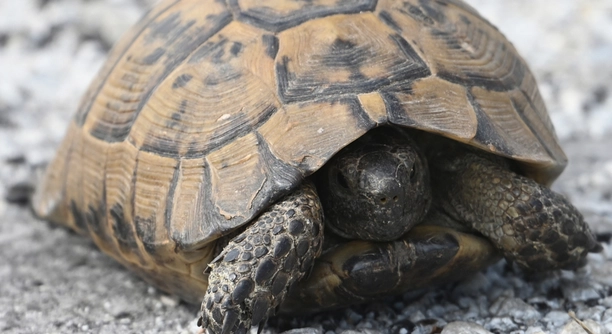
Is your Greek tortoise struggling to stay healthy during the winter months? Cold temperatures can impact its well-being, making it essential to provide proper care. Maintaining the right environment and diet will help your tortoise stay active and healthy all season.
To keep a Greek tortoise healthy in winter, ensure it has a well-regulated temperature, proper lighting, and a suitable diet. Maintain humidity levels, provide fresh water, and monitor for any signs of illness to prevent health complications during colder months.
Understanding these key factors will help you create the ideal conditions for your tortoise. With the right care, your pet can thrive even in the coldest months.
Maintain Proper Temperature and Lighting
Greek tortoises need a warm environment to stay healthy during winter. Keep their enclosure between 75-85°F, with a basking area around 95°F. Use a high-quality heat lamp to maintain warmth and prevent your tortoise from becoming sluggish or developing respiratory issues. A UVB light is also essential for proper calcium absorption and shell health. Without it, they may suffer from metabolic bone disease. Position the lighting to mimic natural sunlight, ensuring 10-12 hours of exposure daily. Regularly check temperatures using a reliable thermometer to maintain consistency and prevent sudden drops that could harm your tortoise.
Avoid placing the enclosure in drafty areas or near windows, as fluctuating temperatures can stress your tortoise. If needed, use a ceramic heat emitter for nighttime warmth.
A stable temperature and proper lighting setup will help your tortoise stay active and avoid health issues. Monitoring these conditions regularly ensures their overall well-being.
Provide a Proper Diet and Hydration
During winter, Greek tortoises require a well-balanced diet rich in fiber and nutrients. Offer a variety of leafy greens like dandelion, collard greens, and escarole. Limit fruit intake to avoid digestive issues, and provide calcium supplements to support shell health. Fresh water should always be available.
Dehydration is a common issue in winter due to dry indoor air. Soaking your tortoise in shallow, lukewarm water for 15-20 minutes a few times a week helps maintain hydration. This also encourages regular bowel movements and prevents constipation. Avoid using cold water, as this can lower their body temperature too quickly.
Providing the right nutrition and hydration ensures your tortoise stays strong throughout winter. By maintaining a consistent feeding schedule and monitoring hydration levels, you can support their digestion, immune system, and overall health. Small dietary adjustments make a significant difference in keeping them active and thriving.
Monitor Humidity Levels
Low humidity can cause dehydration and respiratory issues in Greek tortoises. Keep humidity between 40-60% to maintain healthy skin and shell condition. Use a hygrometer to monitor levels and adjust as needed with misting or a humid hide. Avoid excessive moisture, as it can lead to fungal infections.
A proper substrate helps regulate humidity. A mix of topsoil and coconut coir retains moisture without becoming too damp. Lightly misting the enclosure once or twice a day helps maintain humidity without over-saturating the habitat. If the air in your home is too dry, consider using a humidifier nearby. Providing a shallow water dish also supports hydration, allowing your tortoise to drink or soak as needed.
Maintaining proper humidity prevents shell deformities and respiratory problems. Regularly checking moisture levels and making small adjustments will keep your tortoise comfortable. A well-balanced environment supports overall health during the winter months.
Encourage Regular Activity
Limited movement can lead to weight gain and sluggishness. Providing space for your tortoise to explore helps maintain muscle strength and promotes digestion. Rearrange the enclosure occasionally to keep things interesting. Placing safe obstacles or different textures encourages natural behaviors like climbing and burrowing.
Daily handling in a warm environment can also keep your tortoise active. Allow them to walk around a safe, enclosed space indoors under supervision. If your home is too cool, ensure they have access to a heated area. A consistent schedule of feeding and enrichment prevents lethargy. Offering food in different spots encourages movement while foraging.
Keeping your tortoise engaged prevents stress and inactivity-related issues. Adjusting their environment, handling them appropriately, and promoting movement supports their physical and mental well-being. Small changes in their daily routine can make a noticeable difference in their health and activity levels.
Watch for Signs of Illness
Lethargy, loss of appetite, or wheezing may indicate illness. Check for swollen eyes, nasal discharge, or irregular breathing, as these can be signs of respiratory infections. Early detection and treatment prevent complications, so consult a reptile veterinarian if any symptoms persist.
Shell discoloration, soft spots, or unusual growths can indicate metabolic bone disease or shell rot. Regularly inspect your tortoise’s shell and skin for any abnormalities. Providing proper UVB lighting, a balanced diet, and maintaining ideal humidity levels help prevent these health issues from developing.
Keep the Enclosure Clean
A clean enclosure reduces the risk of bacterial infections. Remove uneaten food daily, replace dirty substrate regularly, and disinfect water dishes weekly. Spot-clean waste to prevent odors and bacterial growth. A well-maintained habitat supports overall health and keeps your tortoise comfortable throughout winter.
Avoid Hibernation Risks
Hibernation can be risky if not done properly. If you choose to let your tortoise hibernate, ensure they are healthy and at the correct weight. Improper conditions can lead to dehydration or illness, so consult a vet before allowing your tortoise to enter this state.
FAQ
What temperature is best for a Greek tortoise in winter?
The ideal temperature for a Greek tortoise during winter should be between 75-85°F in the general enclosure, with a basking spot reaching 90-95°F. At night, temperatures can drop slightly, but they should not fall below 70°F. Ensure that the tortoise has access to a heat source to regulate its body temperature. Use a heat lamp or ceramic heater to maintain warmth and avoid drafts.
How often should I feed my Greek tortoise in winter?
In winter, your tortoise’s appetite might decrease as its metabolism slows down. Continue offering food three to four times a week, focusing on leafy greens and high-fiber vegetables. Avoid overfeeding fruits or high-fat foods. Monitor your tortoise’s weight to ensure they’re maintaining a healthy condition. If you notice weight loss, it could signal a need for more frequent feeding.
Can my Greek tortoise hibernate in winter?
Hibernation is possible for Greek tortoises, but it should only be done under specific conditions. They need to be healthy, free of illness, and at a good weight before entering hibernation. If they are not prepared properly, hibernation can lead to serious health problems. Before allowing your tortoise to hibernate, make sure the enclosure is cool and dry, around 40-50°F. Consult with a reptile vet for guidance before attempting hibernation.
How do I keep my Greek tortoise hydrated during the winter?
During the winter months, ensure that your tortoise always has access to fresh water. You can soak them in shallow, lukewarm water for 15-20 minutes a few times a week. This helps maintain hydration, as dry air can cause dehydration. Avoid cold water, as it may lower their body temperature too quickly.
What should I do if my Greek tortoise is showing signs of illness?
If your tortoise seems lethargic, refuses food, or shows signs of respiratory distress (like wheezing or nasal discharge), it may be ill. Check for any shell abnormalities, such as soft spots or discoloration, which could indicate issues like metabolic bone disease or shell rot. Seek a reptile veterinarian immediately if symptoms persist.
How do I maintain proper humidity in my tortoise’s enclosure?
Maintain humidity between 40-60% to keep your tortoise healthy. You can use a hygrometer to monitor the levels. Mist the enclosure lightly a couple of times a day, and ensure there is a shallow water dish available. For better control, consider using a humidifier in the room or using substrates that retain moisture, like coconut coir mixed with soil.
Can I use a heat pad for my Greek tortoise?
A heat pad can be used under the enclosure to provide warmth, but it should not be the primary heat source. It is best used in combination with overhead heat lamps or ceramic heaters to ensure that the tortoise has access to both heat and UVB light. The heat pad should not overheat the substrate, so regular monitoring of temperatures is important.
Should I add UVB lighting during the winter?
Yes, UVB lighting is essential year-round for Greek tortoises. It helps them synthesize vitamin D3, which is crucial for calcium absorption and shell health. During the winter months, it’s even more important to provide UVB lighting since natural sunlight is limited. Keep the UVB light on for 10-12 hours a day to replicate natural light cycles.
Is it okay to handle my Greek tortoise during winter?
It is fine to handle your tortoise during winter, but avoid excessive handling or stressful situations. Short, gentle sessions in a warm environment will keep them active and help prevent lethargy. Ensure that the environment is at the right temperature before letting your tortoise roam freely to avoid sudden drops in body temperature.
Can my tortoise stay outside during winter?
Greek tortoises are not suited for outdoor living in cold climates during the winter. Even if you live in a warmer region, it is safest to keep your tortoise indoors where the environment can be carefully controlled. Low temperatures can cause hibernation problems or respiratory issues, so an indoor enclosure is the safest option.
Final Thoughts
Caring for a Greek tortoise during winter requires extra attention to their environment. Maintaining a stable temperature, humidity level, and proper lighting are crucial to ensure their health. By setting up an appropriate habitat and providing regular food and water, you can keep your tortoise comfortable through the colder months. Avoiding drastic temperature changes and creating a safe space for them to remain active will prevent health issues. Regular check-ups and attention to their behavior are essential to address any concerns early on.
While Greek tortoises have natural adaptations for winter survival, their care in captivity is dependent on maintaining the right conditions. These tortoises can thrive if provided with the right heat, humidity, and diet. Ensuring your tortoise is hydrated, well-fed, and safe from harsh weather will help them stay healthy. It’s important to remember that some tortoises may slow down during the winter, which is normal. However, if you notice any unusual behavior, consulting a veterinarian can ensure that your pet is not experiencing health problems.
By following these essential tips and staying attentive to your tortoise’s needs, you can support their well-being during the colder months. A little extra care during the winter can go a long way in keeping your Greek tortoise happy and healthy. Providing the right environment, offering variety in food, and being vigilant about their health will ensure they thrive year-round. Taking the time to understand their specific needs will benefit both you and your tortoise, making winter care much easier.

Hello,
If you enjoy the content that we create, please consider saying a "Thank You!" by leaving a tip.
Every little bit helps us continue crafting quality advice that supports the health, happiness, and well-being of pets around the world, for pets of all shapes, sizes, and species.
We really appreciate the kindness and support that you show us!