
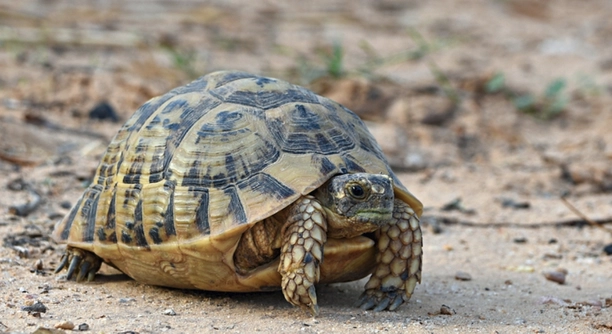
Greek tortoises are known for their varied diet, but it’s important to know what plants are safe for them to eat. While many tortoises enjoy a variety of flowers, it’s essential to ensure these are non-toxic for their health.
Marigolds are generally safe for Greek tortoises to eat, but only in moderation. While they are not toxic, consuming too many could cause digestive issues. Always ensure that the flowers have not been treated with pesticides or chemicals before offering them.
Offering a safe variety of plants is crucial for your tortoise’s well-being. In the following sections, we will explore more about what to feed your tortoise and which plants to avoid.
Are Marigolds Safe for Greek Tortoises?
Marigolds are non-toxic to Greek tortoises, making them a safe option for occasional feeding. However, they should only be offered in moderation. While marigolds aren’t harmful, they lack the nutritional value needed for a balanced diet. Greek tortoises thrive on a mix of leafy greens, flowers, and some fruits. Marigolds, although vibrant, should not replace essential foods in their diet. If your tortoise enjoys eating marigolds, it’s important to ensure the flowers are free from pesticides or chemicals. Always wash any plants before offering them to your tortoise.
It’s essential to understand that feeding your Greek tortoise a variety of plants is key to its health. In addition to marigolds, you can offer safe, nutritious flowers like dandelions and hibiscus. These provide the right balance of nutrients and support digestion.
Marigolds are an attractive and safe option for tortoises, but they should be an occasional treat rather than a regular part of their diet. Offering a variety of greens will ensure your tortoise gets the necessary nutrients it needs to stay healthy.
Potential Risks of Marigolds
While marigolds are generally safe, there are still potential risks when feeding them to your tortoise. The flowers can cause mild digestive upset if consumed in large quantities. Greek tortoises need a balanced diet of leafy greens, hay, and some fruits. Marigolds should be seen as a treat, not a staple food. Regularly feeding your tortoise too many flowers could lead to imbalanced nutrition. To avoid this, be sure to offer them in moderation.
Feeding your tortoise too many marigolds could result in soft stools or diarrhea. Keeping their diet diverse is the best way to avoid any digestive concerns. Always prioritize healthy greens over flowers for long-term health.
Should You Avoid Marigolds for Greek Tortoises?
Although marigolds are not toxic, they shouldn’t be the main food source. While they offer some variety, they don’t provide the necessary nutrients for a Greek tortoise’s well-being. Too many marigolds can displace the more nutritious plants they need.
Greek tortoises require a high-fiber, low-calcium diet, with most of their food coming from leafy greens like dandelion leaves and kale. Adding marigolds to their diet occasionally can be a fun way to offer variety, but it should never replace essential foods. Always be mindful of the quantity you give your tortoise. Too many flowers might upset their digestive system and lead to loose stools or other health concerns.
Moderation is key when offering marigolds or any other flowers. Greek tortoises benefit from a balanced approach to their diet. A healthy combination of various greens and vegetables will ensure that your tortoise gets everything it needs without the risk of overfeeding flowers.
Signs of Overfeeding Marigolds
If your Greek tortoise is eating too many marigolds, you may notice changes in their behavior or health. The most common signs are digestive upset, such as soft or watery stools.
Excessive feeding of marigolds can cause your tortoise to experience mild digestive discomfort. Greek tortoises need a high-fiber, low-protein diet to maintain a healthy gut. Overloading on flowers like marigolds can disrupt their digestive system, leading to bloating or diarrhea. If your tortoise begins to show signs of discomfort, it’s important to reduce the amount of marigolds in their diet. Stick to the recommended portions to maintain balance.
If these digestive issues persist, it’s important to check the overall diet for other factors that could be contributing to the problem. Regularly providing greens, such as collard greens and mustard greens, will help support the digestive health of your tortoise.
How to Safely Feed Marigolds to Greek Tortoises
When offering marigolds to your Greek tortoise, ensure they are clean and pesticide-free. Washing the flowers thoroughly before feeding them will help avoid any harmful chemicals. Only offer small portions as an occasional treat, not as a regular part of their diet.
If you are unsure whether the marigolds have been treated with pesticides, it’s safest to grow them yourself. This way, you can control what your tortoise is consuming. If store-bought marigolds are your only option, make sure they are organic and free from any harmful substances.
Alternatives to Marigolds for Greek Tortoises
If you’re looking for more nutritious plant options for your tortoise, dandelion greens, hibiscus flowers, and clover are all great alternatives. These options are rich in vitamins and minerals that support your tortoise’s health.
Dandelion greens provide calcium and fiber, making them an excellent choice for tortoises. Hibiscus flowers offer a vibrant, safe alternative to marigolds. Clover, another safe option, is rich in nutrients and can be easily found in the wild or grown at home. By offering a variety of these plants, you can provide a healthy diet that ensures your tortoise gets the nutrients it needs.
Benefits of a Balanced Diet for Greek Tortoises
A balanced diet helps prevent many common health issues in Greek tortoises. Proper nutrition supports a strong immune system, healthy shell growth, and digestion. Without a varied and balanced diet, your tortoise may become lethargic or experience digestive problems.
Offering leafy greens, vegetables, and safe flowers like dandelions helps maintain the tortoise’s overall health. The right mix of foods also ensures proper hydration and promotes a long, healthy life. Make sure to regularly monitor your tortoise’s health, and avoid overfeeding any one type of food, as variety is crucial.
FAQ
Can marigolds be harmful to Greek tortoises?
Marigolds are generally safe for Greek tortoises, but they should be given in moderation. Overfeeding marigolds can cause digestive issues like diarrhea or soft stools due to their lack of essential nutrients. They shouldn’t be the main food source but can be offered occasionally as a treat. Always ensure the flowers haven’t been treated with pesticides or chemicals.
How many marigolds can I feed my Greek tortoise?
You should offer marigolds sparingly, as a small part of a varied diet. A few petals or leaves once or twice a week is enough. This ensures your tortoise enjoys the occasional flower without risking an imbalance in its diet. Remember, too many flowers could disrupt its digestion.
Are marigolds a good source of nutrition for Greek tortoises?
Marigolds are not a particularly nutritious food for Greek tortoises. While they aren’t toxic, they don’t provide the necessary vitamins, minerals, and fiber that tortoises need for optimal health. Greek tortoises should primarily be fed leafy greens, such as collard greens, kale, and dandelions, which are more nutritionally dense.
Can I grow my own marigolds for my Greek tortoise?
Yes, growing your own marigolds is a great option. By doing this, you can ensure the flowers are free from harmful chemicals and pesticides. Organic gardening is a safe way to provide fresh, toxin-free flowers for your tortoise. Just make sure to avoid any fertilizers or treatments that could harm your pet.
What flowers are safe for Greek tortoises to eat?
Aside from marigolds, several other flowers are safe for Greek tortoises. These include hibiscus, dandelions, clover, and pansies. All these flowers are non-toxic and can be a healthy addition to your tortoise’s diet. Just like with marigolds, offer them in moderation to avoid digestive issues.
Are there any flowers that Greek tortoises should avoid?
Yes, some flowers can be toxic to Greek tortoises. Avoid feeding them flowers like lilies, daffodils, and tulips, as these can cause harm. Always research any plant before offering it to your tortoise. If you’re unsure about a flower’s safety, it’s best to err on the side of caution and avoid it.
How can I tell if my Greek tortoise has eaten something harmful?
If your Greek tortoise eats something harmful, it may show signs like lethargy, loss of appetite, or digestive issues such as diarrhea or vomiting. If you suspect your tortoise has eaten something toxic, contact a vet immediately. Monitoring your tortoise’s behavior and health closely is crucial to catching any potential problems early.
Can marigolds help with the digestive health of Greek tortoises?
Marigolds do not specifically aid in digestion. While they are safe to eat, they don’t provide the fiber or nutrients that support digestive health in Greek tortoises. To promote healthy digestion, focus on feeding your tortoise fiber-rich foods like leafy greens and hay.
Are marigolds good for the shell health of Greek tortoises?
Marigolds don’t have a direct impact on shell health. A tortoise’s shell health is primarily maintained through a balanced diet with adequate calcium and vitamin D. Offering high-calcium foods like dandelion leaves, kale, and certain vegetables is far more beneficial for shell health.
What should I do if my Greek tortoise refuses to eat marigolds?
If your tortoise refuses to eat marigolds, it could be a sign that they’re not fond of the taste or texture. This is not a concern, as it’s important to offer a variety of foods to ensure a balanced diet. Try other safe flowers, leafy greens, or fruits instead.
Can marigolds be harmful if they’ve been sprayed with pesticides?
Yes, marigolds that have been sprayed with pesticides can be harmful to your Greek tortoise. Pesticides can cause poisoning, digestive problems, and other health issues. Always ensure any flowers you offer are grown without chemicals, or wash them thoroughly before feeding them to your tortoise.
Should I worry about the seeds of marigolds?
Marigold seeds are not toxic to Greek tortoises, but they are not necessary for their diet. If you grow marigolds yourself, it’s okay to leave the seeds, but there’s no need to feed them to your tortoise. The leaves and petals are the most appropriate parts to offer.
How often can I feed marigolds to my tortoise?
Marigolds should be offered only occasionally, perhaps once or twice a week. They should never replace staple foods like leafy greens. Frequent feeding of marigolds can disrupt the balance of your tortoise’s diet and may lead to digestive issues.
Can I mix marigolds with other foods for my Greek tortoise?
Yes, you can mix marigolds with other safe, nutritious foods for variety. However, marigolds should be a small part of the overall diet. A good mix includes leafy greens, safe flowers like hibiscus, and some fruits. Always keep marigolds to a minor portion of the diet to prevent any digestive issues.
Final Thoughts
Incorporating marigolds into your Greek tortoise’s diet can be a pleasant treat, but it should be done with caution. These flowers are non-toxic and safe in moderation, offering a small addition to their varied diet. However, they shouldn’t make up a large portion of the diet. Greek tortoises thrive on a range of leafy greens and fiber-rich plants. Marigolds, while safe, lack the necessary nutrients for your tortoise’s long-term health. Overfeeding can cause digestive problems, so it’s essential to limit their intake to occasional feedings.
Growing your own marigolds is a great way to ensure they’re free from pesticides and harmful chemicals. If you choose to feed your tortoise marigolds, always inspect them for any potential toxins. Organic marigolds are the best option, as they are grown without harmful substances. This also gives you control over the quality and freshness of the flowers. Be mindful of the other plants around them as well, as some flowers can be toxic to tortoises. By growing your own, you can guarantee that your tortoise only eats safe, clean flowers.
Overall, marigolds can be a fun and colorful addition to your Greek tortoise’s diet when offered properly. The key is moderation and variety. Ensure they have a balanced diet of fresh vegetables, fiber-rich plants, and occasional flowers. Always research any new food before feeding it to your tortoise. While marigolds are safe in small amounts, it’s important to provide your tortoise with a well-rounded diet for their overall health and well-being.

Hello,
If you enjoy the content that we create, please consider saying a "Thank You!" by leaving a tip.
Every little bit helps us continue crafting quality advice that supports the health, happiness, and well-being of pets around the world, for pets of all shapes, sizes, and species.
We really appreciate the kindness and support that you show us!