
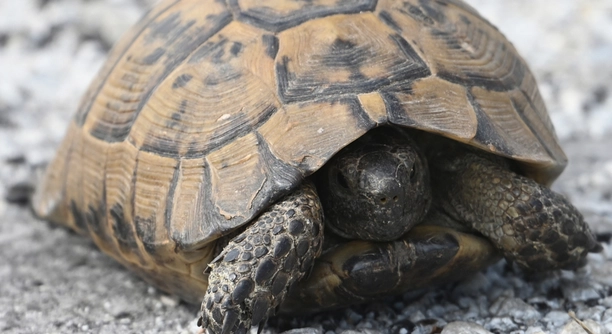
Greek tortoises are fascinating creatures that often show subtle behavioral changes. These shifts can help you better understand your pet’s health and well-being. Knowing how to interpret these changes is key to providing them with the best care.
Behavioral changes in Greek tortoises can indicate different factors, such as stress, environmental shifts, or health concerns. These changes may include altered eating habits, activity levels, and overall behavior. Recognizing these signs early ensures prompt attention and proper care.
Understanding these behavioral shifts can help you provide the right environment and care for your Greek tortoise.
Decreased Activity and Increased Hiding
Greek tortoises are known for their energetic behavior, but a sudden drop in activity may be a sign of something concerning. If your tortoise spends more time in its hideout or remains still for extended periods, it could be feeling stressed or unwell. A decrease in movement might also signal that the tortoise is too cold or there is a problem with its environment. In some cases, this behavior may stem from natural seasonal hibernation cycles, but if it becomes a regular pattern, it is important to address the issue.
If the behavior is consistent or accompanied by other signs of distress, it may be time to check your tortoise’s habitat, including temperature, humidity, and space. Monitoring its health and activity levels will help you identify whether the cause is environmental or a more serious health concern.
Stress and temperature changes often cause Greek tortoises to retreat into their shell. Ensuring a warm, comfortable habitat with adequate space for movement can help reduce hiding behavior. Regular monitoring of the habitat conditions and your tortoise’s general health is essential for keeping them active and comfortable.
Changes in Appetite
A sudden loss of appetite in a Greek tortoise can be worrying, especially if it lasts for several days. It could indicate stress, poor living conditions, or illness.
If your tortoise is no longer eating its usual amount or refuses food entirely, check for environmental factors like temperature or humidity levels that might be off. Illness or internal parasites are also possible causes. Changes in food choices, such as avoiding certain types of greens, should also be closely monitored.
A tortoise’s lack of appetite can be related to stress from environmental changes or unfamiliar surroundings. These factors might make them hesitant to eat. Keep your tortoise’s diet varied and ensure its habitat is at an optimal temperature and humidity level. If appetite loss persists, consult a vet.
Excessive Digging Behavior
If your Greek tortoise starts digging excessively, it could indicate a variety of things. This behavior is often linked to breeding season, but it can also signal stress or a need for a better environment. Make sure your tortoise has a suitable substrate for burrowing, as it helps with both physical and mental stimulation. If the digging seems excessive, consider providing more space or adding deeper bedding to allow natural behaviors.
Sometimes, excessive digging occurs because your tortoise feels confined or uncomfortable. It may also be a sign of nesting behavior if the tortoise is a female, especially during certain times of the year. If there is no nesting site or enough space, your tortoise may start digging aimlessly. Make sure to adjust the environment and provide opportunities for natural behaviors to reduce stress and prevent injury.
Proper temperature and humidity levels are also important when considering changes in digging behavior. Ensure that your tortoise’s living space offers the right conditions for these activities. A healthy, stress-free environment promotes more balanced digging habits, leading to fewer signs of distress.
Aggression Toward Other Tortoises
If you have more than one tortoise, aggression may become an issue. Greek tortoises are generally peaceful, but they can become territorial, especially during mating season. Male tortoises, in particular, may become more aggressive toward other males or even females. You may notice head-bobbing, chasing, or fighting as signs of this behavior.
Aggressive behavior can be triggered by overcrowding or a lack of space. If you observe your tortoises fighting, it might be necessary to separate them to avoid injury. It’s also helpful to provide a larger habitat with multiple hiding spots and feeding areas to reduce competition. During breeding season, male tortoises often exhibit more assertive behavior, which can be a natural part of their reproductive instincts.
You can minimize aggression by ensuring that each tortoise has enough space to claim its territory. Offer a variety of hiding places and food sources to reduce conflict. If aggression persists, separating the tortoises may be necessary to prevent physical harm.
Changes in Shell Condition
If your Greek tortoise’s shell starts showing signs of damage, discoloration, or soft spots, it’s important to address it quickly. Poor shell condition can be a sign of an underlying health issue or an improper diet.
Ensure that your tortoise’s diet includes plenty of calcium, which is vital for strong shell growth. Additionally, avoid environments that are too humid or too dry, as this can lead to shell deformities or infections. Regularly check your tortoise’s shell for any visible damage or signs of infection, such as swelling or discoloration. If these issues persist, consult a vet immediately.
A healthy shell indicates overall well-being, so make sure to monitor it regularly. Proper lighting, a balanced diet, and a stress-free environment contribute to your tortoise’s shell health. If any irregularities appear, timely intervention is key to ensuring a quick recovery.
Excessive Weight Loss
If your Greek tortoise is losing weight without any obvious reason, it could be a sign of illness. Weight loss can result from a poor diet, parasites, or stress. Keep an eye on your tortoise’s body condition and adjust its food intake accordingly.
Ensure the tortoise has access to a varied, nutrient-rich diet, with plenty of leafy greens and occasional fruits. Stress from changes in the environment or handling can also contribute to weight loss. Monitor both the physical environment and your tortoise’s health. If weight loss continues, a vet visit may be necessary.
Unusual Breathing Patterns
Labored or unusual breathing is a concerning sign in Greek tortoises. If your tortoise is breathing with its mouth open or has audible wheezing sounds, it may be suffering from a respiratory infection.
Respiratory infections in tortoises can be caused by environmental factors like poor humidity or cold temperatures. Ensure that your tortoise’s habitat has consistent heat and humidity levels to prevent respiratory issues. If the tortoise continues to display abnormal breathing patterns, it’s important to see a vet for proper diagnosis and treatment.
FAQ
What should I do if my Greek tortoise is not eating?
If your Greek tortoise isn’t eating, first check its environment. Ensure that the temperature and humidity are within the recommended range. A cold or overly humid environment can make a tortoise lose its appetite. Check for signs of illness, such as lethargy or abnormal behavior. Make sure the food is fresh and appealing. Offer a variety of greens and vegetables to stimulate appetite. If it continues to refuse food for an extended period, it’s best to consult a vet to rule out any health issues like parasites or infections.
How can I tell if my Greek tortoise is stressed?
Stress in Greek tortoises can be seen through behavioral changes such as excessive hiding, digging, or lack of movement. They may also lose their appetite or display aggressive behavior toward other tortoises. Stress can be caused by temperature fluctuations, overcrowding, or sudden changes in the environment. Check the habitat for any potential stressors, like loud noises, other pets, or even handling. Reducing stress factors and providing a more consistent and peaceful environment will help your tortoise feel more secure and comfortable.
Is it normal for my Greek tortoise to dig a lot?
Yes, digging is a natural behavior for Greek tortoises. It can serve various purposes such as seeking shelter, creating a nest, or just satisfying instinctual needs. However, if the digging becomes excessive, it could be a sign of stress or discomfort. Ensure that the substrate is deep enough for them to dig comfortably and that the environment is appropriate in terms of temperature and humidity. If the digging is extreme or seems to be a result of stress, consider adjusting the living space or separating tortoises if aggression is involved.
How often should I feed my Greek tortoise?
Greek tortoises typically eat once a day or every other day, depending on their age and size. Young tortoises generally need more frequent feedings than adults. The diet should consist mainly of leafy greens, grasses, and some vegetables. Offering a variety of foods will help keep them healthy. Always avoid feeding them high-calcium foods like spinach too often, as it can lead to health issues. Make sure they have access to fresh water at all times.
What are the signs that my Greek tortoise is sick?
Signs of illness in a Greek tortoise include a lack of appetite, lethargy, abnormal breathing, swelling, or a change in shell condition. If your tortoise is excessively hiding, not eating, or acting unusually sluggish, there may be an underlying health issue. Additionally, if it shows signs of respiratory distress, such as wheezing or mouth-breathing, it could be a sign of a respiratory infection. Any noticeable changes in behavior or physical appearance should prompt a visit to the vet for a proper diagnosis.
How can I prevent my Greek tortoise from getting sick?
To prevent illness, make sure your Greek tortoise’s habitat is clean, safe, and well-maintained. Regularly monitor temperature and humidity levels, as tortoises are sensitive to fluctuations. Provide a balanced diet with a variety of greens, and ensure they get proper UVB lighting for shell health and calcium absorption. Avoid over-crowding in their enclosure, and separate them if aggression occurs. Keep an eye out for any behavioral changes or signs of illness to catch problems early.
What temperature should my Greek tortoise’s enclosure be?
Greek tortoises thrive in a warm environment with temperatures ranging from 75-85°F (24-29°C) during the day, with a basking spot that can reach 90-100°F (32-38°C). At night, the temperature should drop to around 70°F (21°C). A consistent temperature range is crucial for their well-being. Ensure that the enclosure has a temperature gradient so your tortoise can regulate its body temperature by moving between warm and cool areas. Avoid placing the enclosure in areas where temperatures fluctuate drastically.
Can Greek tortoises live with other animals?
Greek tortoises can coexist with other tortoises if they have enough space and resources, but they may not do well with other types of pets. Other animals, such as cats or dogs, may view them as prey. Even other reptiles could potentially cause stress or injury to your tortoise. If housing multiple tortoises together, ensure that there is enough space to avoid territorial conflicts. It’s essential to monitor them closely for signs of aggression or stress.
How can I tell if my Greek tortoise is dehydrated?
Dehydration in Greek tortoises can lead to a variety of health issues. Signs of dehydration include sunken eyes, dry skin, and a lack of urination. If your tortoise is not drinking water regularly or has trouble staying hydrated, offer water through soaking. You can soak your tortoise in lukewarm water for about 15-20 minutes a few times a week to encourage hydration. Always ensure that clean, fresh water is available at all times.
Should I hibernate my Greek tortoise?
Greek tortoises naturally hibernate during the colder months, but only if they are in good health and have enough body fat to survive the period. Before hibernation, ensure that your tortoise is well-fed and healthy, and gradually reduce its food intake before the hibernation period. Hibernation should be monitored closely as improper hibernation can lead to serious health problems. If you are unsure about the process, consult with a veterinarian to ensure it is safe for your tortoise to hibernate.
Final Thoughts
Taking care of a Greek tortoise requires attention to their specific needs, from their diet to their living environment. These tortoises are relatively low-maintenance once their basic requirements are met. However, it is important to be mindful of any changes in their behavior, as these can often signal underlying health concerns. A little patience and consistent care can go a long way in ensuring they remain happy and healthy.
While Greek tortoises may not require constant interaction, providing them with a safe and comfortable habitat is essential for their well-being. Be sure to regularly check the temperature and humidity in their enclosure, as well as their food and water supply. Offering a variety of fresh, nutritious food is just as important as providing them with adequate space to roam and explore. This helps to prevent boredom and promotes a natural and healthy lifestyle.
By learning more about their behaviors, dietary preferences, and potential health concerns, you can become more attuned to your tortoise’s needs. Understanding when something is off will help you provide timely care, preventing any long-term health issues. Whether you are new to owning a Greek tortoise or have had one for years, taking the time to properly care for them will ensure they live a long, healthy life. With patience and knowledge, you can make sure your Greek tortoise thrives in its environment.

Hello,
If you enjoy the content that we create, please consider saying a "Thank You!" by leaving a tip.
Every little bit helps us continue crafting quality advice that supports the health, happiness, and well-being of pets around the world, for pets of all shapes, sizes, and species.
We really appreciate the kindness and support that you show us!