
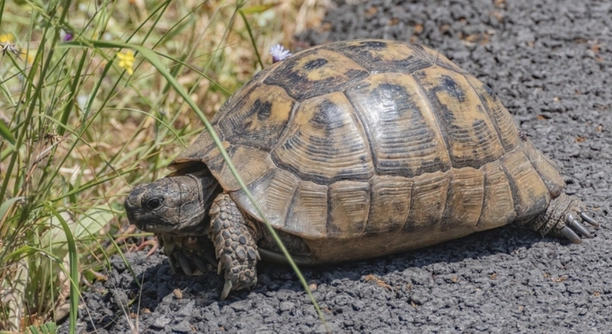
Greek tortoises are fascinating creatures, but when they scratch their eyes, it can be concerning. Understanding the reasons behind this behavior is crucial for maintaining their health and comfort. Let’s take a look at possible causes.
Scratching can be caused by a variety of factors such as eye infections, environmental stress, or even shedding issues. It’s essential to monitor the tortoise’s habitat and behavior, as this can help identify the root cause and prevent further complications.
By understanding the potential causes of eye scratching, you can better care for your tortoise and ensure its well-being.
Dry or Irritated Eyes
Dry or irritated eyes are a common cause of scratching in Greek tortoises. When their eyes aren’t properly lubricated, they can become uncomfortable, leading the tortoise to scratch at them in an attempt to relieve the irritation. Dryness can happen if the humidity levels in their enclosure are too low.
Inadequate humidity is especially concerning for Greek tortoises as it can cause dehydration, which directly affects their eyes. If their living conditions are too dry, their eyes may feel scratchy and uncomfortable, prompting them to rub or scratch at the area.
Make sure to maintain the right humidity levels in the tortoise’s habitat. A simple way to do this is by using a hygrometer to monitor the moisture in the air. Providing a shallow water dish for them to soak in can also help. Additionally, misting the enclosure regularly can keep their environment comfortable and hydrated. These changes can help prevent dryness and reduce the need for scratching.
Eye Infections
Eye infections are another common reason why a Greek tortoise may scratch its eyes. Infections can be caused by bacteria, fungi, or viruses, leading to symptoms such as discharge, redness, and swelling. When their eyes are infected, tortoises may scratch to alleviate discomfort.
Proper hygiene and clean living conditions are essential for preventing eye infections. If the enclosure isn’t kept clean, bacteria or fungi can thrive, affecting the tortoise’s eyes. It’s also important to monitor their diet and ensure they receive proper nutrition, as weak immune systems can make them more susceptible to infections.
If you notice signs of an eye infection, like unusual discharge or persistent scratching, it’s essential to seek veterinary care. Early treatment can prevent more serious complications and help your tortoise recover quickly.
Shedding Skin
When Greek tortoises shed their skin, it can sometimes cause irritation around their eyes. As the old skin peels off, it may stick to the eye area or cause dryness, leading them to scratch. This is a common occurrence during shedding periods.
You can help minimize this irritation by maintaining proper humidity and moisture levels in their habitat. A damp environment encourages smoother shedding and reduces discomfort. Additionally, gently bathing the tortoise in warm water can help loosen the old skin around the eyes, making it easier for the tortoise to shed without causing irritation.
If you notice your tortoise scratching excessively during shedding, it’s important to ensure that no skin remains stuck around their eyes. In some cases, soaking them can help. However, always observe their behavior, as excessive scratching could signal an issue beyond normal shedding.
Foreign Objects
Sometimes, foreign objects like dirt, dust, or substrate can get into a tortoise’s eyes and cause irritation. This can lead to the tortoise scratching to remove the object or relieve the discomfort. These small irritants are common in outdoor enclosures or if the tortoise is exposed to a dusty environment.
Regularly cleaning your tortoise’s enclosure is key to preventing these issues. Make sure that the bedding is not too dusty and that any debris is cleared away. If the tortoise is kept outside, watch out for small particles or even sand that might irritate their eyes. Cleaning the eyes with saline solution can also help clear any debris.
In severe cases, where scratching continues or worsens, it’s best to consult a vet to make sure there isn’t any damage or underlying infection caused by the foreign object. Keeping their environment clean will help reduce the risk of eye irritation.
Allergies
Allergies can also cause eye irritation, leading your Greek tortoise to scratch. Environmental allergens like pollen, mold, or certain plants may trigger discomfort. If the tortoise is exposed to these allergens, it can cause an itchy feeling around the eyes, prompting them to scratch.
Limiting exposure to potential allergens in their environment is key. Try to identify any new plants or changes to their habitat that may have caused the irritation. Also, ensuring the enclosure is kept clean and free from mold or dust will help prevent allergic reactions from developing.
Nutritional Deficiencies
A lack of essential vitamins or minerals in your tortoise’s diet can cause eye problems, including scratching. Deficiencies in Vitamin A are particularly known to affect the eyes, leading to dryness and irritation. This is a common cause of eye-related discomfort in reptiles.
Ensure that your Greek tortoise’s diet is balanced and includes leafy greens, vegetables, and fruits rich in Vitamin A. You may also want to consult a veterinarian for specific dietary recommendations, especially if you notice persistent eye issues. Regularly providing a variety of nutrient-rich foods will help keep your tortoise’s eyes healthy and reduce the risk of scratching.
Stress
Stress can manifest in various ways in Greek tortoises, including eye scratching. When they feel stressed, they may engage in behaviors like scratching their eyes due to anxiety or discomfort. This can happen if the tortoise’s environment is unstable or if they’re exposed to loud noises, overcrowding, or sudden changes in temperature.
Creating a calm, consistent environment is crucial. Avoid sudden changes to their enclosure, and provide ample space for them to roam. A proper hide spot or shaded area where the tortoise can retreat and relax will also help reduce stress.
FAQ
What should I do if my tortoise’s eyes are swollen?
If your tortoise’s eyes are swollen, it’s important to assess the situation quickly. Swelling can be a sign of an infection or irritation, especially if accompanied by discharge. Clean the eyes with a saline solution to remove any debris, and check for signs of foreign objects or dust. Ensure that the humidity levels in their habitat are appropriate, as both excessive dryness and excessive moisture can lead to eye problems. If the swelling persists or worsens, it’s best to consult a vet for treatment. An eye infection or another underlying issue may require medical attention to avoid further complications.
Can scratching be a sign of a more serious health issue?
Yes, if your tortoise is constantly scratching its eyes or seems to be in significant discomfort, it could be a sign of a more serious issue, such as an infection, nutritional deficiency, or even internal parasites. While occasional scratching due to shedding or mild irritation is common, persistent or severe scratching, especially if accompanied by swelling or discharge, requires attention. Make sure to observe your tortoise closely for other symptoms like lethargy, loss of appetite, or unusual behavior. In such cases, seeking veterinary advice is essential to rule out more serious conditions and ensure your tortoise’s health is properly managed.
How can I prevent my Greek tortoise from getting eye infections?
To prevent eye infections in your Greek tortoise, maintain proper hygiene in their enclosure. Regularly clean their living space and ensure it is free of bacteria, mold, or fungi that can lead to eye problems. Keep their habitat at the appropriate temperature and humidity levels. Also, provide a balanced diet rich in Vitamin A, as deficiencies in this vitamin can contribute to eye infections. Finally, monitor your tortoise’s eyes for any signs of irritation, such as swelling or discharge, and address any issues early to prevent infections from worsening.
What is the best way to clean my tortoise’s eyes?
Cleaning your tortoise’s eyes is a delicate process. If you notice debris, discharge, or irritation around the eyes, you can gently rinse them with a saline solution. This can be purchased at most pharmacies or made at home by dissolving salt in warm, distilled water. Use a soft, clean cloth or cotton swab to wipe around the eye, being careful not to cause any further irritation. Avoid using any harsh chemicals or soaps. If the eye irritation persists or worsens, a visit to the vet is recommended to ensure proper treatment.
Is it okay to bathe my tortoise when it’s scratching its eyes?
Bathing your tortoise can be a helpful way to relieve irritation, as warm water can help hydrate their skin and eyes. If your tortoise is scratching its eyes due to dryness or shedding, a bath may help loosen any old skin or debris around the eye area. Ensure the water is not too hot, and avoid submerging your tortoise’s head to prevent further stress. Keep the bath short—just enough to help with the irritation. After the bath, check the eyes again to see if the scratching decreases. If the issue persists, consult a vet.
Can my tortoise’s diet affect its eye health?
Yes, a poor diet can lead to various health issues, including eye problems. Specifically, a deficiency in Vitamin A can cause dryness, swelling, and even infections in the eyes. Make sure your Greek tortoise is eating a variety of vegetables, such as leafy greens, that are rich in Vitamin A. Offering high-quality, fresh food ensures that your tortoise is receiving the nutrients it needs to stay healthy. A balanced diet not only supports their overall well-being but also plays a key role in preventing eye-related issues from developing.
Should I worry if my tortoise is scratching its eyes after shedding?
It’s normal for Greek tortoises to scratch their eyes occasionally during shedding, especially if old skin gets stuck around the eye area. However, if the scratching continues for an extended period or if it’s accompanied by swelling or other symptoms, you should be concerned. To help your tortoise shed more comfortably, ensure the humidity in its environment is optimal and consider offering a gentle soak. If there are signs of irritation beyond normal shedding, a vet visit is advisable to rule out any underlying problems.
What are the signs that my tortoise might be suffering from an eye infection?
Eye infections in tortoises can present in several ways. Common signs include swelling, discharge (either clear or pus-like), excessive scratching, squinting, or watery eyes. If your tortoise’s behavior changes, and it starts scratching its eyes more often or appears lethargic, these may be indicators of an infection. It’s essential to keep the eyes clean and observe the tortoise for any other symptoms. If the infection persists or worsens, a visit to the vet is necessary for proper diagnosis and treatment.
Can stress contribute to eye scratching in tortoises?
Yes, stress can lead to eye scratching in Greek tortoises. When stressed, tortoises may engage in repetitive behaviors such as scratching their eyes. Stress factors could include environmental changes, overcrowding, temperature fluctuations, or even loud noises. Reducing stress involves maintaining a stable, quiet environment, providing enough space for your tortoise to roam, and ensuring its habitat is well-maintained. A tortoise that feels secure and comfortable is less likely to scratch its eyes due to anxiety or discomfort.
Is it safe to use eye drops on my tortoise?
Using eye drops on your tortoise should only be done under the guidance of a veterinarian. Some eye drops meant for humans can be harmful to reptiles. If your tortoise is experiencing eye irritation or infection, it’s important to seek professional advice on what type of treatment would be best. Veterinarians may recommend specific drops or ointments that are safe and effective for tortoises. Always avoid using over-the-counter eye drops without veterinary approval to prevent causing further harm to your tortoise’s eyes.
Final Thoughts
When it comes to your Greek tortoise’s eye health, it’s important to pay attention to any changes or signs of irritation. Regularly observe their behavior and eye condition to spot any early signs of scratching or swelling. If the scratching becomes persistent or is accompanied by swelling, discharge, or other concerning symptoms, it’s crucial to address the issue right away. It’s always better to be proactive and catch any potential problems early, which can make treatment easier and more effective. Regular cleaning of their habitat and maintaining proper diet and environmental conditions are simple but essential ways to prevent eye issues.
Providing your tortoise with the right care, including the proper humidity, temperature, and nutrition, goes a long way in ensuring their overall well-being. Eye infections, dryness, and irritation are often linked to improper care, so maintaining a balanced and clean environment is key. A diet rich in essential vitamins, especially Vitamin A, is vital for healthy eyes. Offering fresh, varied food and ensuring hydration will help keep their eyes and skin in good condition. If scratching or other issues persist, it’s best to consult a vet to rule out infections or other underlying conditions.
Ultimately, keeping your tortoise healthy requires attention to detail and consistency in care. While occasional eye irritation can happen, addressing it early and making sure the environment and diet are optimized for your tortoise’s needs can help prevent further complications. A well-cared-for tortoise will thrive, and with a little extra attention, their eyes will remain healthy and free of irritation. Taking care of your tortoise’s eyes not only ensures their comfort but also contributes to their overall long-term health.

Hello,
If you enjoy the content that we create, please consider saying a "Thank You!" by leaving a tip.
Every little bit helps us continue crafting quality advice that supports the health, happiness, and well-being of pets around the world, for pets of all shapes, sizes, and species.
We really appreciate the kindness and support that you show us!