
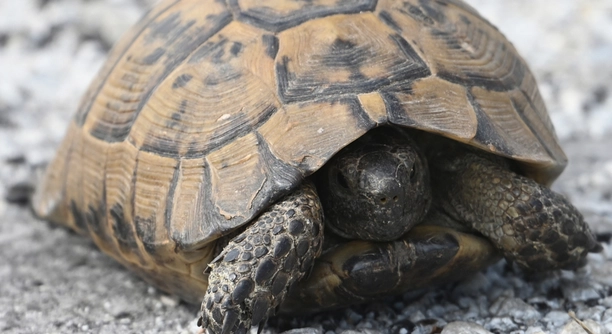
Greek tortoises are popular pets due to their docile nature and manageable size. As owners, we always want to provide the best food choices for their health. If you’re wondering about sunflower seeds, it’s important to understand their impact on your tortoise’s diet.
Greek tortoises can eat sunflower seeds in small amounts. However, they should not be a regular part of their diet due to their high fat content. Consuming too many can lead to health issues such as obesity or liver problems.
While sunflower seeds may seem like a fun treat, understanding their health risks and limitations is key to keeping your tortoise healthy and happy.
What Are Sunflower Seeds?
Sunflower seeds come from the sunflower plant and are often considered a healthy snack for humans. These tiny seeds are rich in fat, protein, and fiber, making them popular for people looking for an energy boost. However, for animals, especially small reptiles like Greek tortoises, they can be a bit tricky. Although sunflower seeds are not toxic to tortoises, they are high in fat and can pose health risks when fed too frequently. If you decide to offer sunflower seeds to your tortoise, moderation is key.
While some tortoises may enjoy the occasional sunflower seed, they should not be part of their regular diet. Their natural diet includes grasses, weeds, and leafy greens, which are low in fat and high in fiber. A tortoise’s digestive system is not built to handle high-fat foods, which is why sunflower seeds, when given in large quantities, can be harmful.
If you want to give your tortoise a treat, there are safer options. Fruits like strawberries or vegetables such as leafy greens provide much-needed nutrients and fiber. These foods are better suited for their diet and contribute to their overall health without posing the same risks as sunflower seeds.
Health Risks of Sunflower Seeds for Greek Tortoises
Even though sunflower seeds might seem like a fun snack for your tortoise, it’s important to understand the potential health risks. Feeding them too many seeds could lead to obesity, and the high fat content may cause liver issues.
Sunflower seeds are high in fat and contain a relatively low amount of vitamins and minerals compared to other foods that are better suited for Greek tortoises. When tortoises eat foods that are too rich in fat, they may struggle with digestion, leading to weight gain. This can eventually lead to more serious health conditions, including fatty liver disease. Therefore, it’s best to avoid feeding sunflower seeds often.
A healthy tortoise diet should consist of foods that are low in fat but high in nutrients. Adding too many high-fat treats like sunflower seeds can disrupt the balance of your tortoise’s diet, leading to long-term health problems. You can still treat your tortoise occasionally, but always choose food that supports their natural dietary needs.
Sunflower Seeds and Greek Tortoise Diet
Sunflower seeds can be offered to Greek tortoises, but only as an occasional treat. They shouldn’t be a regular part of their diet.
The natural diet of a Greek tortoise consists mainly of grasses, leafy greens, and weeds. These foods are nutrient-dense and low in fat, which is important for maintaining their digestive health. Sunflower seeds, while not harmful in small amounts, are too high in fat to be consumed often. Feeding them too frequently could lead to weight gain and other health problems.
In nature, tortoises forage for a variety of plant material, which provides the right balance of nutrients for their health. A diet too rich in fats can disrupt this balance, causing issues such as obesity and digestive problems. It’s always best to focus on what mimics their natural food sources for a balanced diet.
How to Safely Feed Sunflower Seeds to Your Tortoise
If you choose to give your tortoise sunflower seeds, make sure to feed them in moderation. A small amount, once in a while, is fine.
One way to ensure you’re not overfeeding is to limit sunflower seeds to a few times a month. You can also crush the seeds or remove the shells to reduce the risk of choking. Greek tortoises don’t need sunflower seeds for proper nutrition, so it’s best to give them as a rare treat rather than a regular snack. Keeping their diet primarily focused on leafy greens and grasses will help maintain their health in the long run.
Nutritional Value of Sunflower Seeds
Sunflower seeds are rich in fat, protein, and fiber, which is why they are often used as a snack for humans. However, for tortoises, this makes them a poor choice for a regular food.
The fat content in sunflower seeds is much higher than what Greek tortoises need in their diet. A diet high in fat can cause long-term health problems for tortoises, including weight gain and liver issues. While sunflower seeds do provide some protein and fiber, they are not as nutrient-dense as the natural foods Greek tortoises eat in the wild.
Alternative Treats for Greek Tortoises
There are plenty of healthier alternatives to sunflower seeds that will keep your tortoise happy and healthy. Leafy greens like collard greens and dandelion greens are great choices.
Fruits such as strawberries and melons are good occasional treats too. These fruits provide vitamins and hydration. However, remember that they should be fed in moderation, as too much fruit can be too sugary. Stick to a diet that mimics what they would naturally find in the wild to promote overall well-being.
FAQ
Can Greek tortoises eat sunflower seeds every day?
No, Greek tortoises should not eat sunflower seeds every day. These seeds are high in fat, which can lead to obesity and other health issues when consumed regularly. It’s best to treat sunflower seeds as an occasional snack and not a daily part of their diet.
What happens if a Greek tortoise eats too many sunflower seeds?
If a Greek tortoise eats too many sunflower seeds, it could develop health issues like obesity, fatty liver disease, and digestive problems. The high fat content in the seeds can disrupt their natural metabolism, making it harder for them to process other foods properly. Over time, this could lead to more severe health conditions.
How often can I give my tortoise sunflower seeds?
You can give your tortoise sunflower seeds sparingly, about once or twice a month. This keeps the treat special and prevents any potential health risks. It’s crucial to ensure the seeds are given in moderation, as part of a well-rounded diet focused on greens and other appropriate foods.
Are there any benefits to giving sunflower seeds to a Greek tortoise?
Sunflower seeds do provide some protein and fiber, but they are not nutritionally necessary for Greek tortoises. The risks outweigh any potential benefits. Greek tortoises thrive on a diet of leafy greens, grasses, and other plant matter that better meets their nutritional needs. A balanced diet is key to their health.
Can sunflower seeds cause choking in Greek tortoises?
Sunflower seeds, especially when unshelled, could pose a choking hazard, particularly if the tortoise tries to swallow them whole. It’s important to crush or remove the shells before offering them. If you do feed sunflower seeds, always monitor your tortoise to make sure they can safely consume them.
Are there any safer alternatives to sunflower seeds for Greek tortoises?
Yes, there are many safer and healthier alternatives. Leafy greens such as dandelion greens, collard greens, and kale provide essential nutrients without the high fat content. Flowers like hibiscus or clover are also a great option. Fruits like strawberries or melon can be given occasionally, but they should be limited due to their sugar content.
What is the best diet for a Greek tortoise?
The best diet for a Greek tortoise consists of high-fiber, low-fat foods such as grasses, weeds, and leafy greens. These mimic their natural diet and help maintain a healthy digestive system. It’s also important to provide fresh water daily. Calcium supplements can be added for bone health, and occasional fruits and vegetables can be included for variety.
Can Greek tortoises eat seeds from other plants?
In general, it’s best to avoid giving Greek tortoises seeds from other plants. While some seeds might be safe, many are high in fat, which can lead to health problems. Stick to providing natural, leafy greens and other foods that are lower in fat and more suited to their dietary needs.
How do sunflower seeds affect the digestion of a Greek tortoise?
Sunflower seeds can negatively affect the digestion of Greek tortoises due to their high fat content. Excess fat can slow down their digestive system, making it harder for them to break down and absorb the nutrients from other foods. This could lead to gastrointestinal issues and weight gain over time.
Is it okay to feed my Greek tortoise sunflower seeds with the shells on?
It’s best to remove the shells before giving sunflower seeds to your Greek tortoise. The shells can be hard for them to digest and could potentially cause digestive issues or choking. If you choose to offer sunflower seeds, make sure they are unshelled and given in moderation.
Can sunflower seeds cause long-term health issues for my tortoise?
Yes, regularly feeding sunflower seeds to your tortoise could cause long-term health problems, especially if they are high in fat. Over time, this can lead to obesity, liver issues, and digestive problems. It’s important to avoid making sunflower seeds a regular part of their diet to prevent these risks.
Are sunflower seeds toxic to Greek tortoises?
No, sunflower seeds are not toxic to Greek tortoises. However, they should not be a staple in their diet. While they won’t harm your tortoise in small quantities, their high fat content makes them unsuitable for regular consumption. Stick to a balanced diet of greens and other appropriate foods for better health.
Should I avoid all seeds for my tortoise?
While some seeds may be safe in moderation, most seeds are too high in fat and not ideal for Greek tortoises. It’s better to focus on a diet rich in fiber from plants like grasses, weeds, and leafy greens. Seeds, including sunflower seeds, should only be offered as an occasional treat, if at all.
How can I tell if my Greek tortoise is gaining weight from sunflower seeds?
If your Greek tortoise is gaining weight, it might be due to overfeeding of high-fat foods like sunflower seeds. Check their shell for signs of growth, and monitor their activity level. If they are less active or seem to be gaining weight around the belly, it’s time to adjust their diet.
Can sunflower seeds be part of a balanced diet for my tortoise?
Sunflower seeds are not a necessary part of a balanced diet for Greek tortoises. Their natural diet consists of low-fat, high-fiber plant matter, and sunflower seeds don’t provide essential nutrients. While occasional seeds can be given as a treat, they should not be a major part of their food intake.
Final Thoughts
In conclusion, sunflower seeds can be given to Greek tortoises, but only in moderation. They are high in fat, which can lead to health problems like obesity and liver issues when consumed too often. While sunflower seeds are not toxic, they should never make up a significant part of your tortoise’s diet. Greek tortoises need a diet that is rich in fiber, low in fat, and full of essential nutrients. Leafy greens, grasses, and certain vegetables are the best foods for them to stay healthy and active.
If you want to treat your tortoise occasionally, there are plenty of healthier options available. Foods like dandelion greens, clover, and hibiscus flowers are great alternatives that will provide them with essential nutrients without the health risks associated with high-fat snacks. Fruit can also be given from time to time, but remember that fruits are high in sugar, so they should only be offered in small amounts. By sticking to these foods, you’ll help maintain a balanced diet that mimics what Greek tortoises would naturally eat in the wild.
Overall, it’s important to remember that Greek tortoises require a balanced diet to thrive. While a small amount of sunflower seeds here and there may not cause immediate harm, frequent consumption can lead to long-term health issues. Providing your tortoise with the right foods and ensuring variety in their diet is essential for their well-being. Always prioritize their natural dietary needs, and avoid foods that are too rich in fat or too sugary. This way, you’ll ensure your tortoise enjoys a long and healthy life.

Hello,
If you enjoy the content that we create, please consider saying a "Thank You!" by leaving a tip.
Every little bit helps us continue crafting quality advice that supports the health, happiness, and well-being of pets around the world, for pets of all shapes, sizes, and species.
We really appreciate the kindness and support that you show us!