
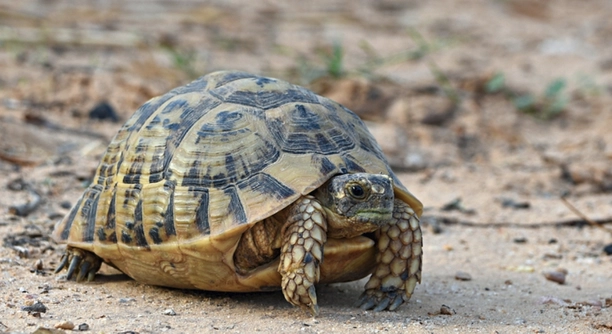
Greek tortoises are fascinating creatures with a lifespan that many owners may not fully understand. Learning more about their aging process can be essential for providing them with the best care throughout their lives.
The average lifespan of a Greek tortoise can range from 50 to 100 years, with many factors influencing how long they live. Proper diet, living conditions, and genetics all play significant roles in determining their longevity.
Understanding their life cycle and aging process can help you ensure your tortoise enjoys a healthy life. This knowledge will also guide you in providing the right environment for your pet’s long-term well-being.
The Importance of a Proper Diet for Greek Tortoises
A Greek tortoise’s diet plays a crucial role in determining its overall health and lifespan. These tortoises thrive on a diet that is high in fiber and low in fat. They primarily eat leafy greens, grasses, and some fruits. It is important to avoid feeding them high-protein foods, such as meat, because this can lead to health issues like kidney problems or even shorten their lifespan. Additionally, they benefit from a varied diet that includes calcium-rich foods to support their shell and bone health. Overfeeding or providing foods that are too rich in sugars can also lead to obesity, which can drastically impact their quality of life and longevity. Regularly offering a mix of these foods can help them stay active and healthy as they age.
Feeding them the right foods will promote good digestion and overall well-being, reducing the risk of diseases that can shorten their life.
Knowing the right balance of foods and avoiding excessive amounts of certain nutrients ensures that your Greek tortoise can live a long and healthy life. Pay attention to their dietary needs to support their aging process and prevent health issues down the road. By providing a varied and nutrient-dense diet, you are contributing to their longevity.
The Role of Exercise in Greek Tortoise Lifespan
Regular exercise is essential for Greek tortoises to stay healthy and active as they age. In the wild, they are constantly moving around, foraging for food, and exploring their environment. In captivity, it is important to provide enough space for them to roam. A small, cramped environment can lead to stress, poor health, and a shorter lifespan. By creating a safe and spacious outdoor area or a large enclosure, your tortoise will be able to engage in natural behaviors, which is crucial for their well-being. Exercise also helps maintain muscle tone and joint health, which becomes more important as they age.
Allowing them space to roam will prevent the development of joint stiffness, which can limit their movement and affect their ability to enjoy a full life.
Creating an environment with adequate space, such as a large yard or enclosure, helps promote physical activity. This allows the tortoise to maintain a healthy weight and exercise naturally. Keeping your tortoise active will also help manage any health problems that can arise with aging. Ensuring they get plenty of movement can reduce the risk of obesity and joint issues, both of which can affect their quality of life.
The Importance of Proper Lighting for Greek Tortoises
Proper lighting is crucial to the health of a Greek tortoise, especially when kept indoors. They need exposure to UVB light for at least 12 hours a day to help them metabolize calcium and prevent shell deformities. Without UVB light, they may develop conditions such as metabolic bone disease, which can severely shorten their lifespan. Providing both UVB and UVA light is essential for their overall health.
To simulate natural sunlight, you should use a high-quality UVB lamp that covers a large area of their enclosure. This ensures that your tortoise gets the correct light levels to support bone and shell health. Additionally, placing the light at an appropriate distance from their basking spot is necessary, as it ensures they can absorb the light effectively without getting too hot. This simple adjustment can make a significant difference in their long-term health and aging process.
Providing natural sunlight for outdoor tortoises also benefits their health. Just be cautious of extreme weather conditions, as prolonged exposure to very high or low temperatures can stress the tortoise. Regularly checking their basking area temperature and light levels will ensure they get the necessary exposure for healthy aging.
Maintaining Proper Humidity Levels
Humidity is an important aspect of a Greek tortoise’s environment, especially when it comes to their skin and breathing. Too little moisture can cause them to become dehydrated, which leads to problems like dry, flaky skin, and respiratory issues. On the other hand, excessive humidity can encourage fungal infections or respiratory diseases. Maintaining a balanced humidity level within their enclosure will help your tortoise stay hydrated and prevent these health concerns.
You can maintain proper humidity by spraying water inside their enclosure or by providing a shallow water dish. Regularly checking the humidity with a hygrometer will ensure that the levels stay within a healthy range. The ideal range for a Greek tortoise is around 40-60% humidity. This helps them stay comfortable and healthy as they age.
In outdoor environments, natural humidity levels are usually more stable, but it’s still important to monitor them during extreme weather conditions. For example, during dry spells or extremely hot days, it might be necessary to adjust their enclosure or offer additional water sources. Keeping the right humidity balance will support your tortoise’s health as it ages, helping to prevent skin or breathing issues.
Regular Vet Checkups for Greek Tortoises
Regular vet visits help identify health issues early, especially as Greek tortoises age. Routine checkups allow your vet to monitor any changes in your tortoise’s health, like weight loss, shell problems, or mobility issues. Early detection can lead to better outcomes and a longer life.
A vet will examine your tortoise’s overall health, check for parasites, and evaluate their shell and bone structure. This is especially important as tortoises grow older, as certain conditions, such as arthritis or kidney disease, may develop. By keeping up with vet visits, you can address these problems before they become severe.
Health screenings also provide peace of mind, ensuring your tortoise’s environment, diet, and lifestyle are supporting their well-being. Staying proactive with vet visits increases the chance that your tortoise will age healthily and live a long life.
Shell Care and Maintenance
The shell is a vital part of a tortoise’s body and requires regular care. A healthy shell should be smooth and free from cracks or deformities. If your tortoise’s shell becomes damaged, it can lead to serious infections and long-term health issues. You should check the shell for any signs of abnormal wear.
Regular shell care can involve gently cleaning the shell to remove dirt and prevent bacteria buildup. Always handle your tortoise carefully to avoid any accidental damage to the shell, as it is delicate. Proper hydration and diet also play a role in keeping the shell strong.
The Right Temperature for Greek Tortoises
Maintaining the correct temperature in your tortoise’s habitat is essential for their overall health. Greek tortoises need a basking area where they can warm up, usually between 85°F to 90°F, to aid digestion and energy levels. Having a cool zone between 70°F to 75°F allows them to regulate their body temperature.
If the temperature is too cold or too hot, it can affect their metabolism and immune system. Keeping track of the temperature will prevent stress and health problems. Adjusting the lighting and heating as needed ensures they have a balanced environment for comfortable aging.
FAQ
How long do Greek tortoises live?
Greek tortoises can live anywhere from 50 to 100 years, depending on factors such as diet, environment, and care. With proper conditions, some tortoises may even reach the higher end of this range. Providing them with the right habitat, nutrition, and medical care significantly contributes to their longevity. It’s important to remember that their lifespan can be shorter if they face neglect, poor diet, or health issues.
What should I feed my Greek tortoise to ensure a long life?
Greek tortoises thrive on a high-fiber, low-fat diet. Offer a variety of leafy greens, such as dandelion greens, collard greens, and turnip greens. You can also provide grasses, weeds, and a small amount of fruit. Avoid feeding them high-protein foods, like meat, as this can lead to kidney issues. Additionally, ensure they have access to calcium-rich foods like kale or calcium supplements to support shell health.
Can Greek tortoises live in a tank?
Yes, Greek tortoises can live in a tank, but they require a large enough space to move around. A small enclosure can lead to stress and health problems. A tank should have plenty of room for them to roam, bask, and find food. An outdoor enclosure with access to natural sunlight is even better, but if you keep them indoors, make sure the tank is spacious and provides access to UVB light.
How often should I handle my Greek tortoise?
Handling your Greek tortoise too often can cause stress. It’s best to handle them only when necessary, such as for cleaning or during vet visits. If you want to spend time with your tortoise, you can sit next to them in their enclosure and observe them. Let them approach you on their own terms, as forcing interaction can negatively impact their well-being. Tortoises can become stressed if they’re picked up too frequently, especially when they feel unsafe.
What temperature is ideal for a Greek tortoise?
The ideal temperature for a Greek tortoise’s basking area is between 85°F and 90°F, while the cooler side of their enclosure should be around 70°F to 75°F. These temperatures allow them to regulate their body heat properly. If the temperature drops too low, they can become sluggish and prone to illness, while higher temperatures can cause dehydration and stress. Using a thermometer to monitor the temperature in both areas of their habitat is essential.
Do Greek tortoises need a water dish?
Yes, Greek tortoises should have access to a shallow water dish at all times. While they don’t typically swim, they do drink water and may soak in it occasionally. Soaking helps them stay hydrated, especially if they’re in a dry climate. Ensure the dish is shallow enough that they can easily climb in and out of it without risking drowning. Water should be changed daily to keep it clean.
How do I know if my Greek tortoise is sick?
Signs of illness in a Greek tortoise include lethargy, lack of appetite, nasal discharge, swollen eyes, or abnormal behavior. If your tortoise shows any of these symptoms, it’s crucial to take them to a vet who specializes in reptiles. Sometimes, shell deformities or discoloration can indicate health problems. Regular vet visits help catch these issues early and ensure your tortoise remains healthy.
Can Greek tortoises live with other pets?
Greek tortoises can live with other tortoises of the same species, but they should not be kept with other pets such as dogs or cats. The presence of other animals can cause stress, and they may even harm the tortoise. If you’re considering keeping more than one tortoise, ensure there’s enough space and that each tortoise has its own area for basking and eating. Always monitor interactions between tortoises, as territorial behaviors can arise.
What is the best way to clean a Greek tortoise’s shell?
To clean your tortoise’s shell, gently scrub it with a soft toothbrush and warm water. This helps remove dirt and bacteria without damaging the shell. Avoid using any harsh chemicals or soaps, as these can irritate the tortoise’s skin or damage the shell. If there’s any mold or fungus, you may need to use a diluted vinegar solution, but it’s important to ensure it’s safe for your tortoise. Regular cleaning helps prevent infections and keeps their shell healthy.
Why is my Greek tortoise not eating?
If your tortoise is not eating, it could be a sign of stress, illness, or improper environmental conditions. Stress can be caused by factors like handling, temperature fluctuations, or a dirty habitat. Illnesses such as respiratory infections or digestive issues can also lead to loss of appetite. If the environment seems right and they’re still not eating, consult a vet to rule out any health concerns. Sometimes, tortoises may fast during cooler months, especially if they are not receiving enough light or heat.
Should I hibernate my Greek tortoise?
Hibernation is a natural process for Greek tortoises, but it should only occur under the right conditions. If you live in a climate where winter temperatures drop, you may need to prepare your tortoise for hibernation by gradually reducing food intake and adjusting their habitat temperature. However, not all tortoises hibernate, and some may experience health issues if hibernation is forced. It’s important to consult with a vet before hibernating your tortoise to ensure they are healthy enough to do so.
How can I tell if my Greek tortoise is aging?
As Greek tortoises age, you may notice some changes in their behavior and physical appearance. Older tortoises may become less active or may have slower movements due to arthritis or other age-related conditions. Their shells may become more worn, and their eyes may appear cloudy. While these changes are normal, it’s important to monitor their health regularly to ensure they’re aging healthily. Regular vet checkups are key to keeping them in the best shape as they grow older.
Taking care of a Greek tortoise requires commitment and attention to detail, but the rewards are significant. These tortoises are long-lived creatures, and providing them with the right environment and care can help them thrive for many decades. By offering a proper diet, maintaining the right temperature and humidity, and ensuring they get enough exercise and UVB light, you’re setting your tortoise up for a healthy, long life. It’s essential to remember that a Greek tortoise’s needs evolve as it ages, so staying informed and attentive to its changing requirements is key.
Regular vet visits are an important part of keeping your tortoise healthy. Even if your tortoise seems to be doing well, annual checkups can help catch potential issues early. This can prevent small problems from becoming bigger, more expensive concerns. Also, a healthy shell is a major factor in your tortoise’s overall well-being, so regularly cleaning and inspecting it is important to avoid any infections or other complications. Just like any pet, Greek tortoises need consistent care, which includes attention to their diet, space, and environmental conditions.
As with any long-term commitment, it’s important to plan for the future when caring for a Greek tortoise. Given their impressive lifespans, they can live well beyond many pets, potentially outliving their owners. It’s a good idea to think about who will care for your tortoise in the long term and how you can ensure that they continue to receive proper care as they age. By understanding their needs and providing the right care, you can enjoy having a healthy, happy Greek tortoise for many years.

Hello,
If you enjoy the content that we create, please consider saying a "Thank You!" by leaving a tip.
Every little bit helps us continue crafting quality advice that supports the health, happiness, and well-being of pets around the world, for pets of all shapes, sizes, and species.
We really appreciate the kindness and support that you show us!