
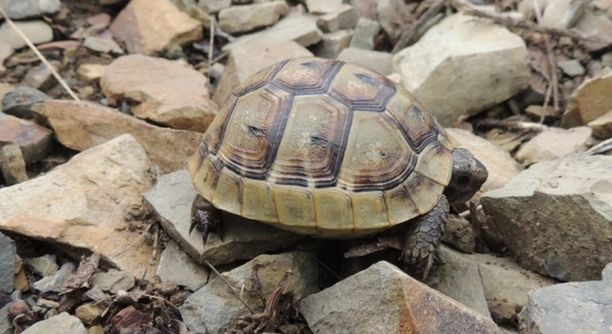
Russian tortoises are fascinating pets, but sometimes their behavior can leave you puzzled. One common action they display is rubbing against objects in their environment. Understanding why they do this can help you care for them better.
Russian tortoises often rub against objects as part of their natural behavior to mark territory or as a method of self-soothing. This action can also be linked to mating behavior, or simply a way to explore their surroundings and feel secure.
While it may seem odd, these actions are typically harmless and normal for your tortoise. Understanding the underlying causes will help you ensure your pet’s well-being and comfort.
Understanding Your Russian Tortoise’s Behavior
Rubbing against objects is a common behavior for Russian tortoises, and it’s often misunderstood. Many owners may think their tortoise is simply being odd, but this action usually has natural roots. Tortoises are curious creatures that often use their environment to feel safe. When a tortoise rubs against objects, it could be using them to mark its territory or simply exploring its surroundings. These behaviors are part of their instinctive actions, helping them feel secure in their environment. A tortoise that rubs objects may be seeking comfort or even trying to get attention from you, its owner.
Your Russian tortoise may rub against objects as a form of territorial marking, especially in a new environment. Tortoises, like many reptiles, have a strong instinct to claim their space, and this behavior is part of establishing dominance. In the wild, tortoises may use objects and surfaces to help them establish boundaries. Your pet might be doing the same thing to feel secure in its space.
If the rubbing behavior seems excessive, it’s important to ensure your tortoise isn’t stressed or anxious. A lack of hiding spots or appropriate shelter in their enclosure can make them feel vulnerable, which could lead to increased rubbing. Providing hiding spaces and creating a secure environment for your pet can help reduce these behaviors. Additionally, ensuring proper temperature and lighting will encourage healthy, comfortable behavior. With these changes, your tortoise will feel safer and calmer, reducing the need for constant rubbing.
Possible Reasons for Rubbing
Excessive rubbing might be a sign of something else entirely, like a health concern or discomfort. If your Russian tortoise is constantly rubbing its face or body against objects, it could be trying to relieve irritation. One potential cause for this could be a skin infection or mites, which may cause itching. If you suspect your tortoise may have an infection or infestation, it’s important to check for any visible signs, such as sores, redness, or abnormal discharge. Seeking advice from a vet is recommended.
Russian tortoises sometimes rub against objects as part of a seasonal behavioral change. Mating behavior, in particular, often increases around breeding time. Male tortoises, in particular, may engage in more aggressive rubbing and other actions to attract a mate. This can include rubbing against rocks or other surfaces, which might mimic the behaviors of other tortoises in the wild. During this time, they may also display increased territorial behaviors, such as climbing or attempting to move objects. However, even if no mating is involved, these actions are still normal for a healthy tortoise. It’s a good idea to observe the frequency and intensity of the behavior. If it changes suddenly or becomes overly repetitive, it may be worth investigating further.
Understanding these factors can help ensure you address your tortoise’s needs effectively. Adjusting their environment to reduce stress or providing additional stimulation can minimize any unnecessary rubbing.
Environmental Stress Factors
Your Russian tortoise may rub against objects because of stress caused by its environment. A poorly set up enclosure with inadequate hiding spots, wrong temperatures, or loud surroundings can cause discomfort. Ensure their habitat has proper temperature gradients, access to light, and safe spots where your tortoise can retreat when feeling threatened.
If your tortoise feels exposed or lacks safe hiding spaces, it may rub against items to find comfort. In the wild, tortoises seek out quiet, secure areas to hide and rest. The stress of a less-than-ideal setup can lead to repetitive behaviors, including rubbing. Creating a balanced, safe environment with temperature control, hideouts, and a peaceful space can significantly reduce these stress-induced actions. If environmental factors aren’t addressed, the rubbing behavior may persist, potentially affecting your tortoise’s well-being. Pay attention to the setup and make adjustments accordingly to ensure they have a calm, stress-free habitat.
Health Issues to Watch For
Health concerns can sometimes cause rubbing behavior in tortoises. If your tortoise is rubbing its face or body against objects excessively, it could be due to skin issues, such as fungal infections or mites. Check for any signs of skin irritation, redness, or scaling that could indicate a problem.
Infections or parasites are common health concerns for tortoises, and rubbing might be their way of trying to relieve the discomfort. Mites, for example, can irritate a tortoise’s skin, causing it to rub or scratch more frequently. If you notice changes in behavior like rubbing combined with visible signs of infection or discomfort, it’s time to seek veterinary help. Proper care, including keeping the enclosure clean and checking for signs of illness regularly, can help prevent these issues. Early intervention is key to ensuring your tortoise stays healthy and comfortable.
Hormonal Changes and Mating Behavior
Rubbing against objects can also be tied to hormonal changes, especially during mating season. Male Russian tortoises are known to rub against surfaces more often as a way to assert dominance or attract females. This is a natural part of their mating behavior.
During mating season, male tortoises may increase rubbing and other behaviors such as chasing or biting. These actions are part of their efforts to impress a mate or show territoriality. If your tortoise is rubbing objects more frequently during certain times of the year, this could be the reason. It’s important to note that this behavior is completely natural and harmless.
Exploration and Comfort
Tortoises are naturally curious creatures. Rubbing against objects can simply be part of exploring their surroundings. They use their face, shell, and limbs to interact with their environment, feeling for any changes or potential food sources.
Your tortoise may also rub against objects as a form of self-soothing. If it is in an unfamiliar space, this behavior can be a way of getting used to the new environment. Providing a stable and comfortable habitat can help reduce excessive rubbing as your tortoise feels more secure.
FAQ
Why does my Russian tortoise rub its face against things?
Rubbing its face against objects is a common behavior, especially for Russian tortoises. This action can be part of a self-soothing behavior or territorial marking. It could also be a response to irritation, such as skin conditions, or an attempt to relieve itching. If the rubbing seems excessive, checking for health issues like mites or infections is important. If it’s more subtle, it could simply be a way for your tortoise to explore its environment.
Is my tortoise rubbing because it’s stressed?
Yes, stress can lead to rubbing. If your Russian tortoise doesn’t have enough hiding places, or if its environment feels too loud, cramped, or unstable, it may start rubbing objects for comfort. Stressful conditions like incorrect temperature or inadequate lighting could also trigger this behavior. Ensure that your tortoise’s enclosure has proper heating, lighting, and areas to retreat to when it feels threatened.
How can I tell if my tortoise is rubbing due to illness?
If your tortoise rubs its face or body more frequently than usual, it could be a sign of illness. Look for other symptoms such as swelling, redness, sores, or scaly skin. These signs could indicate a skin infection, fungal issues, or mites. In this case, it’s crucial to consult with a vet to address the potential problem.
Could my tortoise be rubbing because of mating behavior?
Yes, mating behavior could be a reason for your tortoise rubbing against objects, especially if it’s a male. During breeding season, male Russian tortoises may rub against surfaces as part of their effort to attract females and assert dominance. This behavior is entirely natural, and if it’s limited to certain times of the year, it’s likely tied to the mating season.
How do I stop my tortoise from rubbing so much?
To reduce excessive rubbing, ensure that your tortoise’s habitat is secure and comfortable. Provide ample hiding spaces, keep the temperature within the recommended range, and minimize loud or disturbing noises. If rubbing persists or seems tied to health issues, it’s a good idea to visit a vet to rule out any underlying medical problems.
What are some common health problems that cause rubbing in tortoises?
Rubbing can sometimes be a sign of skin irritation, infections, or external parasites like mites. If your tortoise has itchy, inflamed, or flaky skin, it may rub objects to relieve the discomfort. Infections or parasites should be diagnosed and treated by a vet. Maintaining a clean and properly heated environment can also help prevent these issues.
Is it normal for my tortoise to rub its shell against objects?
Yes, it’s normal for tortoises to rub their shells against objects as part of exploration or self-soothing. They may also do this to mark territory or simply because they feel comfortable with the texture. However, if it seems excessive or if there are visible signs of damage to the shell, it may indicate stress or injury.
How do I know if my tortoise is comfortable in its environment?
A comfortable tortoise will usually behave calmly and explore its space. If your tortoise is frequently rubbing objects, it might be feeling uncomfortable. Ensure the temperature, humidity, and lighting in the enclosure are appropriate. Also, offer plenty of hiding spots and let your tortoise have a space where it feels safe.
What is the best way to set up a tortoise’s enclosure to prevent rubbing?
Setting up a proper enclosure with temperature regulation, proper lighting, and hiding spaces can reduce rubbing behavior. Tortoises need a space to retreat to when feeling stressed, so include rocks, logs, or other shelter-like objects where your tortoise can hide. Avoid overcrowding, and keep the space quiet and peaceful to help your tortoise feel secure.
Can diet affect my tortoise’s rubbing behavior?
An improper diet can contribute to poor health, which in turn might lead to rubbing behavior. If your tortoise isn’t getting the right nutrients, it might become more vulnerable to skin issues, leading to rubbing. Make sure your tortoise’s diet is rich in fiber, with enough leafy greens and calcium, and avoid overfeeding. Proper diet ensures better health and may reduce rubbing behavior.
How do I know if my tortoise is rubbing due to anxiety?
Anxious tortoises may rub against objects as a way to calm themselves. If your tortoise is in an unfamiliar or constantly changing environment, anxiety could be the cause. Ensure that its habitat is stable and calm. Limiting unnecessary handling and noise can also help reduce anxiety. Signs of anxiety in tortoises can include rapid movements, frequent hiding, or more intense rubbing.
How often do Russian tortoises rub against objects?
It depends on the individual tortoise and its environment. Some tortoises rub frequently as part of their normal exploratory behavior, while others may do it more rarely. If the rubbing is happening in short bursts or seems to be linked to specific times (like during breeding season), it’s usually nothing to worry about. However, if it becomes excessive or occurs suddenly, it may be a sign of something more serious.
Final Thoughts
Rubbing against objects is a behavior that is quite common among Russian tortoises, and it can stem from various reasons. Whether it’s exploring their environment, marking territory, or engaging in mating behavior, this action is usually harmless. Understanding the reasons behind this behavior can help you provide a better, more comfortable space for your tortoise. It’s important to remember that this is often a natural part of their daily routine, and many tortoises will rub against objects as part of their normal behavior.
However, it’s essential to be aware of any changes in your tortoise’s rubbing patterns. If your tortoise starts rubbing excessively or seems to be in discomfort, it might be worth checking for underlying issues. Stress, health problems, or environmental factors could contribute to the behavior. Making sure your tortoise’s environment is comfortable and safe, with proper temperature, lighting, and hiding spots, can go a long way in reducing unnecessary rubbing. If your tortoise is showing other signs of illness, such as skin issues or a lack of appetite, seeking veterinary care is always a good idea.
Overall, a little rubbing here and there is typically no cause for concern. Russian tortoises are curious animals, and rubbing can simply be part of their natural behavior. By observing their environment and ensuring their well-being, you can help reduce any excessive behaviors. With proper care, your tortoise will continue to live a healthy and comfortable life, enjoying its exploration and unique personality.

Hello,
If you enjoy the content that we create, please consider saying a "Thank You!" by leaving a tip.
Every little bit helps us continue crafting quality advice that supports the health, happiness, and well-being of pets around the world, for pets of all shapes, sizes, and species.
We really appreciate the kindness and support that you show us!