
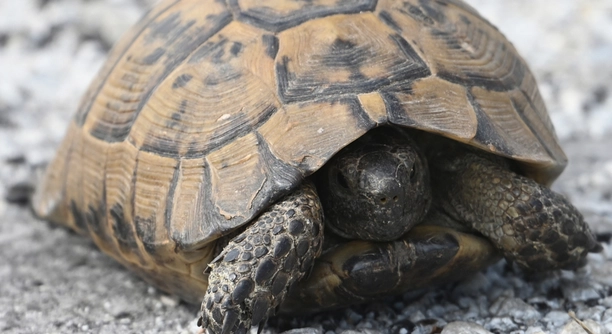
Feeding a Russian Tortoise can sometimes be tricky, especially when it comes to balancing their diet. One common concern among owners is how much protein their tortoises should be getting. Too much protein can lead to health problems.
Excessive protein intake in Russian Tortoises can result in shell deformities, kidney damage, and other health issues. It is important to ensure their diet mainly consists of leafy greens, grasses, and small amounts of protein-rich food to maintain a healthy balance.
Knowing the right amount of protein for your tortoise can help you avoid these health risks. Read on to discover how to keep your pet’s diet on track.
What Is the Right Amount of Protein for Your Russian Tortoise?
A Russian Tortoise’s diet is essential for its long-term health, and understanding how much protein is appropriate can make a big difference. These tortoises are herbivores, which means their diet should consist mostly of plants like leafy greens, grasses, and some flowers. While protein is important for growth and development, overfeeding can cause health issues. The key is moderation. Too much protein can disrupt their natural growth, leading to issues like kidney damage or shell deformities. It is also important to note that young tortoises have different protein needs than adults. The general guideline is to offer small amounts of protein-rich food, such as insects or commercial tortoise food, but only occasionally.
A balanced approach will help your tortoise thrive.
For adult Russian Tortoises, protein should be minimal, with about 5-10% of their diet made up of protein sources. If you provide too much, their health can suffer in ways that might not be immediately obvious, but can still affect their quality of life. One of the biggest problems comes from feeding them too many high-protein foods, which they can’t process in large amounts. While young tortoises do need slightly more protein for proper growth, even their intake should be limited. This balance helps prevent future problems like kidney disease and soft shells. It’s also essential to offer a variety of foods to make sure they get all the vitamins and minerals they need, not just protein. Your tortoise’s health is influenced by more than just the amount of protein. The overall diversity of their diet plays an equally important role.
Signs Your Tortoise Is Getting Too Much Protein
When your Russian Tortoise has an excess of protein in their diet, it can show in different ways. Often, the symptoms aren’t immediately noticeable.
Too much protein leads to soft shells and weakened bones, as well as kidney stress. If the diet isn’t adjusted, over time, your tortoise may develop more severe issues that could affect their life expectancy. It’s important to observe them closely.
Symptoms of excessive protein may not be obvious at first. However, it can lead to gradual changes in their health. You may notice that their shell becomes soft or grows unevenly, and they may start to show signs of lethargy or lack of interest in food. Additionally, if they seem to be drinking water excessively, it could be a sign of kidney strain. In more severe cases, they might even experience digestive issues, such as diarrhea or constipation. At this point, the damage may be hard to reverse, but reducing their protein intake can help prevent further harm. Regular visits to a vet can also help catch problems early. It’s crucial to maintain a proper diet with enough fiber from plants and limit protein intake to maintain their health and vitality.
How to Adjust Your Tortoise’s Diet
Adjusting your Russian Tortoise’s diet to maintain a healthy balance is essential. Start by reducing the protein content in their meals and focusing on leafy greens and fibrous plants. Offer high-calcium vegetables, such as dandelion greens and collard greens, to improve their overall health.
A good rule of thumb is to offer leafy greens daily, with protein-rich foods like insects or special tortoise food no more than once or twice a week. Make sure their diet includes a variety of plants to ensure they get all the nutrients they need. Avoid feeding them high-protein foods like meat, eggs, or high-protein pellets regularly. Additionally, consider adding some flowers, like hibiscus or clover, to their meals for variety. The more diverse their plant-based intake, the healthier they will be. Remember that providing a balanced diet is a gradual process and may take time for your tortoise to adjust.
While reducing protein, also make sure your tortoise has access to fresh water at all times. Proper hydration supports digestion and overall health. A shallow water dish should be available for them to drink and soak in. Fresh water helps flush out excess nutrients, preventing issues like kidney strain. The right balance of hydration and diet can go a long way in ensuring your tortoise stays healthy. Keep an eye on their energy levels and adjust their food accordingly.
Understanding the Role of Supplements
While a varied diet should meet most of your tortoise’s nutritional needs, sometimes supplements may be necessary. Calcium is especially important for Russian Tortoises, as it helps maintain a strong shell and bones.
Offering a calcium supplement a couple of times a week, especially if their diet lacks high-calcium foods, is essential. A common method is sprinkling calcium powder over their leafy greens. Be cautious, though, as too much calcium can also cause health problems. Always ensure the supplement is specifically formulated for reptiles. In addition, vitamin D3 may be beneficial for tortoises that aren’t getting enough natural sunlight. Vitamin D3 helps them absorb calcium properly, which is crucial for their shell and bone development. Make sure to avoid over-supplementing, as excessive amounts can cause toxicity. Consult a vet before introducing any supplements to confirm that they are necessary for your tortoise’s health.
Monitoring Your Tortoise’s Weight
Keep an eye on your Russian Tortoise’s weight to ensure they’re not gaining or losing too much. Overfeeding protein can cause weight gain, while an improper diet can lead to weight loss. Regular weight checks will help you notice changes early.
Weigh your tortoise every few weeks and compare it to previous weights. This helps you identify any trends that may indicate a problem. If your tortoise is gaining weight too quickly, it could be a sign that the protein content in their diet is too high. On the other hand, weight loss could indicate a nutritional deficiency or illness. If weight issues persist, a vet check-up is recommended to rule out any underlying health conditions. Keep in mind that a steady, moderate weight is ideal for your tortoise’s long-term health.
The Importance of UVB Lighting
Russian Tortoises need UVB lighting to help process calcium properly. Without adequate UVB exposure, they risk developing metabolic bone disease and other health issues.
Ensure that your tortoise gets 10-12 hours of UVB light each day, especially if they’re kept indoors. UVB lighting mimics the sun’s rays, helping them synthesize vitamin D3. Without it, their body can’t absorb calcium effectively, leading to weak bones and a soft shell. It’s also important to use the correct type of UVB bulb, which should be replaced regularly since they lose their effectiveness over time. Proper lighting is an essential part of their overall health and helps them thrive.
FAQ
What happens if my Russian Tortoise gets too much protein?
Too much protein can lead to several health problems in your Russian Tortoise. It can cause shell deformities, kidney stress, and even kidney failure over time. An excess of protein can also interfere with calcium absorption, weakening the shell and bones. These health issues can be serious and, in some cases, irreversible if not addressed quickly. The key is to ensure a well-balanced diet with minimal protein content and a focus on fiber-rich, plant-based foods. If your tortoise starts showing signs like soft shells or lethargy, it could be a result of too much protein, and a diet change is needed.
How can I tell if my tortoise is getting the right amount of protein?
The simplest way to ensure your tortoise is getting the right amount of protein is to stick to a plant-based diet. Protein should only make up a small portion of their meals, about 5-10% of their overall diet. You can feed them occasional high-protein food sources like insects or specific tortoise food once or twice a week. If your tortoise is showing signs like a healthy, hard shell, active behavior, and regular bowel movements, you can be confident their protein intake is in balance. Always keep an eye on their weight and overall health to spot any potential issues early.
Can I feed my Russian Tortoise meat or eggs?
It’s best to avoid feeding your Russian Tortoise meat or eggs on a regular basis. While small amounts of protein from animal sources can be beneficial in rare cases, too much can cause long-term health issues. These tortoises are herbivores and should primarily be fed plant-based foods. Occasional treats like earthworms, snails, or small insects can be given, but they should never make up a large part of their diet. Stick to leafy greens, grasses, and other vegetables as the main part of their nutrition.
How often should I feed my Russian Tortoise protein?
Protein should be given to your Russian Tortoise only once or twice a week. Overfeeding can lead to an imbalance, so it’s important to focus on plant-based foods for most meals. You can offer them occasional protein-rich treats, but always in moderation. Young tortoises may need a bit more protein for growth, but even then, it’s important to limit their intake. Feeding them a variety of plants is the best way to ensure they’re getting the nutrients they need without overloading them with protein.
What are the signs of kidney problems in a Russian Tortoise?
Signs of kidney problems in your Russian Tortoise may include excessive drinking, lethargy, weight loss, or a lack of appetite. If you notice these symptoms, it’s important to adjust their diet, particularly reducing their protein intake. Kidney damage can occur from excessive protein and other imbalances, so the sooner you address the issue, the better. A vet check-up is recommended to confirm kidney health and determine the appropriate course of action.
Can I feed my Russian Tortoise fruit?
Yes, you can feed your Russian Tortoise some fruits, but it should only be in small amounts. Fruits like berries, melon, and apples are good occasional treats. Keep in mind that fruits are high in sugar, which is not ideal for their digestion. They should make up no more than 5% of their diet. Too much fruit can cause digestive upset and imbalance their nutritional intake. Stick to feeding them mostly vegetables and leafy greens.
Should I be concerned if my Russian Tortoise is not eating?
If your Russian Tortoise stops eating, it can be a sign of stress, illness, or dietary imbalance. The most common cause of a loss of appetite is incorrect temperature or lighting in their habitat. Ensure they have access to proper UVB light and a warm environment, as cold temperatures can cause them to become lethargic and lose their appetite. It’s also possible they’re not interested in their food because it’s not fresh or varied enough. If your tortoise continues to refuse food, it’s best to consult with a vet to rule out any health concerns.
How much should I feed my Russian Tortoise?
Your Russian Tortoise should be fed enough to keep them healthy and active, but not so much that they become overweight. Adult tortoises typically need a large amount of food daily, with their meals consisting mostly of leafy greens, grasses, and other fibrous plants. Aim to feed them a portion roughly the size of their shell every day. If they start to gain weight too quickly, reduce their food intake, especially protein sources. Regularly monitor their weight to make sure you’re feeding them the right amount.
Can I use commercial tortoise food?
Commercial tortoise food can be used, but it should only be a small part of their diet. Many commercial products contain too much protein or additives that may not be suitable for a Russian Tortoise. Look for a high-quality, well-balanced product, and make sure it’s specifically formulated for your tortoise’s species. The majority of their diet should still come from fresh vegetables, grasses, and plants. Commercial food can be convenient for occasional feedings, but should not replace natural food sources in their diet.
Final Thoughts
Caring for a Russian Tortoise involves more than just providing food; it’s about maintaining a healthy balance in their diet. Protein is a necessary nutrient, but it’s crucial to avoid overfeeding it. Too much protein can lead to long-term health issues like shell deformities and kidney problems. As herbivores, Russian Tortoises should primarily be fed a variety of leafy greens, grasses, and other plant-based foods. Offering occasional protein-rich foods, like insects or special tortoise food, in moderation is key to keeping their diet in balance.
One of the most important aspects of caring for a Russian Tortoise is monitoring their overall health. This includes regular weight checks, ensuring they’re staying hydrated, and watching for any signs of health issues. If you notice anything unusual, like lethargy or a soft shell, it could be a sign that their diet needs adjusting. Maintaining the right balance of protein, calcium, and other nutrients is essential for their growth, shell development, and overall well-being. A healthy tortoise will have a firm shell, a good appetite, and an active, curious nature.
It’s also important to remember that each tortoise is unique. Some may have different nutritional needs depending on their age, activity level, and living conditions. It’s always a good idea to consult with a veterinarian if you’re unsure about your tortoise’s diet or health. By paying attention to their diet, providing proper UVB lighting, and giving them a variety of fresh foods, you can help ensure your Russian Tortoise lives a long, healthy, and happy life.

Hello,
If you enjoy the content that we create, please consider saying a "Thank You!" by leaving a tip.
Every little bit helps us continue crafting quality advice that supports the health, happiness, and well-being of pets around the world, for pets of all shapes, sizes, and species.
We really appreciate the kindness and support that you show us!