
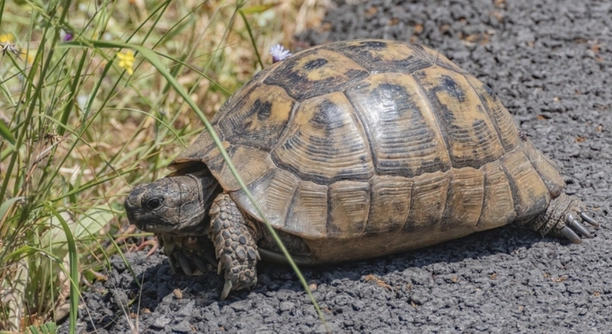
Russian tortoises can exhibit changes in behavior that may leave their owners curious. Sometimes, they become more active than usual, prompting questions about what might be causing this shift. Understanding these changes is important for their well-being.
There are several reasons why your Russian tortoise may become more active. These can include changes in temperature, lighting, diet, or even hormonal shifts. A healthy tortoise’s activity levels can vary depending on these environmental and physiological factors.
Identifying the cause of increased activity will help you provide better care and maintain a balanced environment for your tortoise. Understanding these aspects can improve their health and happiness.
Temperature Changes
If the temperature in your tortoise’s environment has shifted, this could make them more active. Russian tortoises are known for being particularly sensitive to temperature fluctuations. When the weather warms up, they become more active as their metabolism increases. Conversely, a cooler environment can cause them to be less active, often leading to more sluggish behavior.
Providing consistent temperatures that mimic their natural habitat is key to maintaining a healthy activity level. The ideal range for a Russian tortoise is between 70°F and 85°F during the day. At night, temperatures should drop to about 60°F. Keep a thermometer in their enclosure to monitor these changes.
If the temperature fluctuates beyond this range, it could cause your tortoise to adjust its activity levels. This could mean more exploration or, at times, a noticeable increase in their movement, as they seek warmth. By keeping their environment stable, you help them stay comfortable and regulate their natural activity cycle.
Lighting Conditions
Russian tortoises require a specific lighting cycle to maintain their health. Without adequate UVB lighting, they may become less active or overly active as they try to adjust. Too much or too little light can disrupt their natural rhythm, causing shifts in their behavior.
Proper lighting encourages them to be active during the day, as they would in the wild. The best way to achieve this is by using UVB bulbs to simulate sunlight. Ensure the light source is placed at an appropriate distance to avoid overexposure, which can lead to stress.
A consistent light cycle is just as important. Provide about 12-14 hours of daylight followed by 10-12 hours of darkness to give your tortoise a natural day-night cycle. Inconsistent lighting can cause erratic activity patterns. When their lighting is balanced, your tortoise will follow a more predictable routine.
Diet Changes
If your tortoise’s diet changes, it could explain a sudden increase in activity. Russian tortoises are herbivores, and what they eat plays a big role in how much energy they have. Offering them more fresh, nutrient-dense vegetables can give them a boost.
A change in diet that introduces higher levels of fiber or other nutrients may give your tortoise the extra energy it needs to move around more. For example, leafy greens such as collard greens or dandelion greens are excellent choices. Avoid offering too many sugary foods, as they can cause spikes in energy followed by lethargy.
Keep in mind that a balanced diet is essential for their overall well-being. Too much protein or an improper balance of nutrients can affect their behavior. Stick to a variety of greens and occasional fruits to keep your tortoise healthy and energetic without overfeeding.
Seasonal Changes
Seasonal changes can affect your tortoise’s activity. As they are influenced by natural daylight and temperature patterns, the shift from colder to warmer months can trigger more activity. They may be more active as they respond to environmental cues.
In the wild, Russian tortoises adjust their behavior depending on the time of year. In warmer weather, they seek out more food and engage in mating behaviors. During the colder months, they tend to become more dormant. Mimicking these seasonal changes in their habitat can help support natural behaviors.
If your tortoise is moving around more than usual, it could simply be responding to a change in the seasons. Keep an eye on environmental factors to ensure they are comfortable. This seasonal increase in activity is completely normal.
Health Issues
Health problems can also cause your Russian tortoise to act more active than usual. If they feel unwell, they might move around more in an attempt to find a more comfortable spot. Changes in behavior are often a sign that something is off.
A common issue is dehydration. If they are not drinking enough water, they may become more restless, trying to find moisture. Another health problem could be related to respiratory infections, which can make them feel discomfort, causing them to move more than usual. Keep a close eye on their behavior and overall health.
Hormonal Changes
Hormonal changes can make your tortoise more active, especially during mating season. Male Russian tortoises often become more energetic as they search for a mate. This can result in increased roaming and climbing behaviors.
If your tortoise is experiencing hormonal changes, you may notice them becoming more active and even displaying mating behaviors, such as head bobbing. This behavior is natural and part of their reproduction cycle. Make sure to provide adequate space for them to move around during this period.
FAQ
Why is my Russian tortoise suddenly so active?
A sudden increase in activity can happen for several reasons. It could be due to temperature changes, dietary adjustments, or even seasonal shifts. When their environment changes or they feel more energetic from a nutritious meal, tortoises may move around more. If their habitat’s temperature rises, they may be more active to regulate their body heat. You might also notice a boost in activity if they’ve been fed more leafy greens or other nutrient-rich foods. It’s a good sign that they’re feeling healthy and comfortable.
Could my tortoise’s activity level indicate stress?
Yes, stress can lead to increased movement. If there’s a change in their surroundings—such as a new pet or an unfamiliar environment—your tortoise might become more active as a way to cope. Stress might also occur if they feel threatened, whether by loud noises, sudden movements, or feeling crowded in their space. A stressed tortoise may pace, wander aimlessly, or try to hide more often. Make sure their habitat is quiet, safe, and consistent to minimize stress factors.
Is my tortoise moving more because it’s hungry?
In some cases, yes. A tortoise’s increased activity can be linked to hunger. If they’re not getting enough food or are on a strict diet, they may roam around looking for food. Russian tortoises are natural foragers, so it’s not unusual for them to move more if they’re searching for something to eat. Ensure your tortoise is getting enough leafy greens and occasional fruits, with the proper balance of nutrients. If they continue to seem hungry, check their food supply and make sure they’re getting what they need.
Can my tortoise’s activity level change with the seasons?
Absolutely. Seasonal changes, especially the transition from cooler to warmer months, can affect your tortoise’s activity levels. As they become more attuned to their environment, the increased temperature and daylight hours can make them more energetic. In the wild, Russian tortoises become more active during the spring and summer months, often in search of food and mates. Mimicking these seasonal cues by adjusting their habitat’s light and temperature can help maintain their natural behavior.
What signs should I look for if my tortoise is not just being active but is unwell?
If your tortoise is moving more than usual but also shows signs of lethargy, abnormal breathing, or refusal to eat, it could indicate health issues. Watch for signs like watery eyes, nasal discharge, or a lack of appetite, which are often linked to respiratory infections or other illnesses. A sudden drop in activity after a period of increased movement could also point to an underlying issue. It’s important to monitor your tortoise’s behavior closely and consult a veterinarian if symptoms persist.
Could hormonal changes make my tortoise more active?
Yes, hormonal changes can lead to an increase in activity, especially during mating season. Male Russian tortoises may become more active as they seek out a mate. This period often brings more movement, such as head bobbing or increased exploration of their environment. Female tortoises can also become more active due to hormonal shifts during their reproductive cycle. These changes are completely natural and typically happen in the spring and summer months when the weather is warmer.
Is it normal for a Russian tortoise to be more active in the morning?
Yes, Russian tortoises are known to be more active during the morning and evening, as these are the cooler parts of the day. They tend to rest during the hottest hours in the afternoon, seeking shade and lowering their activity. Morning activity is a natural part of their routine, especially if they’ve been resting overnight. If your tortoise seems more active in the early hours, it’s likely just following their natural circadian rhythm, which is important for their health and well-being.
Should I be concerned if my tortoise is pacing around its enclosure?
Pacing can sometimes indicate stress or restlessness. If your tortoise is pacing continuously, it may be trying to find food, water, or a more comfortable temperature. However, constant pacing can also be a sign that their enclosure is too small or lacks proper hiding spots, making them feel confined. Ensure your tortoise has enough space to roam and explore without obstacles. Provide hiding areas and varied terrain to make them feel secure. If pacing continues despite these changes, consult with a vet to rule out health issues.
Can a tortoise become more active if it’s too hot or too cold?
Yes, extreme temperatures—whether too hot or too cold—can cause your tortoise to act differently. In temperatures that are too hot, your tortoise may seek cooler areas, moving more to regulate its body temperature. On the other hand, if it’s too cold, a tortoise might become sluggish or try to find warmer spots. Consistently maintaining an ideal temperature range of 70°F to 85°F during the day helps keep your tortoise comfortable and can regulate its activity levels. Too much fluctuation can cause unnecessary stress and erratic behavior.
What if my tortoise is active, but I think it’s a sign of something wrong with its health?
If you think the increased activity is linked to health problems, it’s crucial to watch for other symptoms. Excessive movement, combined with signs of dehydration, refusal to eat, or changes in behavior, could indicate an infection or internal issue. Look out for symptoms like labored breathing, nasal discharge, or a lack of interest in food. It’s better to be cautious and visit a vet if you notice anything that seems off. Early intervention can make a significant difference in your tortoise’s recovery.
Final Thoughts
Understanding why your Russian tortoise may be more active than usual is essential for maintaining its health and well-being. There are several factors that can contribute to increased activity, including changes in their environment, health issues, or natural hormonal shifts. Observing your tortoise’s behavior and being aware of any changes in its daily routine can help you determine whether the increased activity is normal or if there’s something else going on. Whether it’s a sign of excitement, curiosity, or a natural response to changes in their habitat, increased movement is not always a cause for concern, but it’s important to stay vigilant.
While a boost in activity might seem alarming, many times it’s simply part of their normal behavior, especially if they’re in an environment that supports their needs. Ensuring your tortoise’s habitat is clean, spacious, and properly heated can prevent unnecessary stress and discomfort. Their energy levels can also be influenced by what they eat, the time of day, and their age. Younger tortoises tend to be more active as they explore and develop, whereas older tortoises may be more relaxed. Hormonal changes during mating seasons also naturally affect their activity levels, so this can also play a part in their behavior.
However, it’s important to keep an eye out for signs that the increased activity might be linked to health concerns. If your tortoise is displaying excessive movement alongside other symptoms like loss of appetite, labored breathing, or visible signs of illness, it’s a good idea to consult a veterinarian. Regular check-ups and a balanced diet are key to keeping your tortoise healthy. Keeping your tortoise’s environment stress-free and ensuring it’s comfortable will help reduce any unnecessary restlessness. Ultimately, by being proactive and attentive to their needs, you can ensure your tortoise stays active in a healthy way.

Hello,
If you enjoy the content that we create, please consider saying a "Thank You!" by leaving a tip.
Every little bit helps us continue crafting quality advice that supports the health, happiness, and well-being of pets around the world, for pets of all shapes, sizes, and species.
We really appreciate the kindness and support that you show us!