
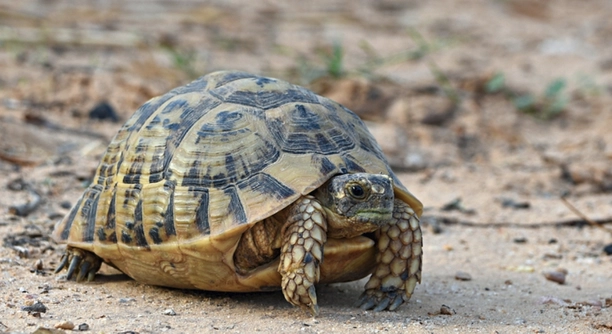
Russian tortoises are known for their calm demeanor, but sometimes, their behavior can raise concerns. If your tortoise is blinking excessively, it can be puzzling and a bit worrisome. Understanding the cause behind this behavior is important.
Excessive blinking in a Russian tortoise can be caused by various factors, including environmental stress, irritation, or health issues such as eye infections. It is crucial to assess their surroundings and overall health to determine the exact cause.
It is important to recognize the signs of discomfort in your tortoise. Identifying the root cause of excessive blinking can help you take the necessary steps to keep your pet healthy and happy.
Potential Causes of Excessive Blinking in Russian Tortoises
Excessive blinking in your Russian tortoise can be a sign of something simple or more concerning. The first thing to consider is if your tortoise’s environment has any changes. If the lighting, temperature, or humidity is off, it can cause discomfort and lead to frequent blinking. Additionally, if there’s any dust or particles in the air, it can irritate your tortoise’s eyes, causing them to blink more often to clear the irritants. Stress from noise or handling can also be a factor. Tortoises are sensitive creatures, and they can get stressed if their environment is too noisy or unstable, leading to excessive blinking.
If the blinking continues after you’ve addressed environmental factors, it might be time to look into other possibilities. Your tortoise could be dealing with a health issue, such as an eye infection or conjunctivitis. These conditions can cause swelling, discharge, and discomfort in the eyes, making your tortoise blink more frequently.
Understanding the balance in your tortoise’s environment is crucial for preventing eye-related issues. Small adjustments, such as cleaning the tank or adjusting humidity levels, can go a long way in ensuring your tortoise’s comfort.
How to Identify an Eye Infection
Eye infections in tortoises can cause noticeable signs like swollen or crusted eyes. If your tortoise’s eyes are producing discharge, this could be a clear indicator of an infection. Redness and swelling around the eyes are other common signs. If you notice these, it is important to take action quickly. These conditions may require veterinary care to properly treat the infection and prevent further complications.
An untreated eye infection can lead to more severe issues, including vision impairment. If you suspect an infection, consult with a vet as soon as possible. They may recommend an antibiotic treatment to address the infection.
Stress and Its Impact on Blinking
Stress can cause your Russian tortoise to blink excessively. Changes in their routine, environment, or being handled too often can make them feel threatened. This leads to behaviors like blinking, as they may be trying to protect their eyes or calm themselves. Tortoises are sensitive to their surroundings, and stress can result from a variety of factors.
If your tortoise is blinking more frequently than usual, try to assess if something in its environment is making it uncomfortable. Stress factors such as loud noises, unfamiliar people, or changes in temperature could be affecting your tortoise. You might also notice other signs of stress, like hiding more often, reduced eating, or restlessness. Reducing stress can help minimize blinking.
To ease your tortoise’s stress, create a calm and stable environment. Keep their habitat in a quiet area, provide a consistent temperature, and limit handling. This will help your tortoise feel safe and more relaxed, potentially reducing excessive blinking over time.
How to Adjust Your Tortoise’s Environment
If your tortoise is blinking too much, it’s worth checking its habitat setup. Ensure that the tank is large enough for your tortoise to roam freely. The lighting and heat should be correct, as improper conditions can cause stress or discomfort. Use a proper UVB bulb to simulate natural sunlight, which is essential for your tortoise’s health.
Make sure the humidity levels in the habitat are appropriate for your tortoise’s needs. If it’s too dry, it can irritate their eyes and skin, leading to excessive blinking. Adding a humidity gauge can help you monitor and adjust it accordingly. Additionally, provide areas of shade and warmth in their tank to mimic natural outdoor conditions.
An optimal habitat setup supports your tortoise’s well-being and minimizes the risk of blinking due to environmental discomfort. Ensuring a stable and safe home is a great first step in maintaining their health.
Potential Eye Irritation or Injury
If your Russian tortoise is blinking a lot, it might be because of eye irritation or injury. Things like dust, substrate, or even small foreign objects can irritate their eyes, causing them to blink repeatedly. Check for any visible irritation or redness around the eyes.
Sometimes, small scratches or abrasions can cause discomfort. If your tortoise has been handling rough surfaces or moving through debris, its eyes might be scratched. This leads to more blinking as the tortoise tries to protect the eye. It’s important to inspect its eyes carefully for any injury.
Eye irritation and injury can lead to more serious infections if left untreated. Cleaning the eyes gently and keeping the habitat free of debris can help avoid these issues. If the blinking continues or worsens, a visit to the vet is recommended.
Checking for Dehydration
Dehydration can be another cause of excessive blinking. If your tortoise is not getting enough water, it may exhibit signs like dry skin, lethargy, and increased blinking. Ensuring that your tortoise has constant access to fresh, clean water is essential.
Make sure to provide a shallow dish of water in the habitat. Tortoises often drink from it when needed, and proper hydration keeps their eyes moist and healthy. Dehydration can lead to irritation, and blinking may increase as they try to compensate for it. Regularly check the water supply to keep your tortoise hydrated.
Health Issues Requiring Vet Care
If your tortoise continues blinking excessively despite addressing environmental and care factors, it may have a more serious health issue. Infections like conjunctivitis or respiratory issues can cause blinking, discomfort, and swelling.
These health problems often need medical attention. If blinking is paired with other signs like lethargy, discharge, or loss of appetite, it’s important to consult with a veterinarian. A vet can prescribe the necessary treatments, such as eye drops or antibiotics, to help restore your tortoise’s health. The sooner you seek help, the better the outcome for your tortoise’s well-being.
FAQ
Why is my Russian tortoise blinking more than usual?
Excessive blinking in a Russian tortoise can be due to various reasons. The most common causes are environmental factors, such as improper humidity, temperature, or irritants in the air like dust. Stress from changes in their habitat, over-handling, or unfamiliar noises can also cause them to blink more frequently. Health issues, such as eye infections or dehydration, may also lead to excessive blinking. If you notice other signs like discharge, swelling, or lethargy, it’s a good idea to consult a vet to rule out any underlying health problems.
Can excessive blinking indicate an eye infection in a Russian tortoise?
Yes, excessive blinking can be a sign of an eye infection. If your tortoise’s blinking is accompanied by swelling, redness, or discharge around the eyes, it may be suffering from conjunctivitis or another infection. Infections can cause irritation and discomfort, prompting your tortoise to blink more often. If you suspect an eye infection, it’s important to seek veterinary care for proper diagnosis and treatment.
How can I tell if my tortoise is stressed?
Stress in tortoises can manifest in several ways. Along with excessive blinking, signs of stress may include hiding more often, a lack of appetite, restless behavior, and even pacing. Stress can occur due to changes in temperature, lighting, or handling. Loud noises or the presence of other pets might also contribute to stress. If your tortoise is stressed, try to create a calmer, more stable environment and limit handling until it becomes more comfortable again.
What are the best ways to reduce stress in my tortoise?
To reduce stress, ensure that your tortoise’s environment is stable and safe. Provide a consistent temperature and humidity level in the tank, and make sure there’s no loud noise or sudden movements around their habitat. Tortoises feel most comfortable in a predictable, quiet space. Reducing handling and giving your tortoise time to adjust can also help alleviate stress.
Can dehydration cause excessive blinking in tortoises?
Yes, dehydration is a common cause of excessive blinking. If your tortoise is not getting enough water, its body may become dry, leading to irritation in the eyes and other signs like lethargy or dry skin. Make sure your tortoise has constant access to fresh water. You can also lightly mist their habitat to increase humidity and keep their skin and eyes hydrated.
What should I do if my tortoise is blinking and showing signs of infection?
If your tortoise is blinking excessively and showing signs of infection, such as eye discharge or swelling, it’s important to consult a vet right away. A veterinarian can prescribe the proper treatment, such as eye drops or antibiotics, to treat the infection. Do not try to treat the infection yourself without professional guidance, as improper care can lead to complications.
Could changes in my tortoise’s diet lead to excessive blinking?
Diet changes are not usually a direct cause of excessive blinking, but if your tortoise is not getting enough of the right nutrients, it could weaken its immune system, making it more susceptible to infections or other health issues that might cause blinking. A balanced diet, including leafy greens, vegetables, and appropriate protein, will help maintain your tortoise’s overall health, potentially reducing the chances of blinking due to illness.
How can I prevent eye injuries in my tortoise?
Preventing eye injuries involves providing a safe environment where your tortoise is less likely to come into contact with harmful objects. Be sure that the substrate in your tortoise’s tank is smooth and free of sharp objects. Avoid letting your tortoise roam in areas with debris or rough surfaces that could scratch or irritate its eyes. Regularly clean your tortoise’s enclosure to prevent dust and dirt from accumulating, which could cause irritation or injury to the eyes.
Is there a specific temperature or humidity level that will prevent excessive blinking?
Yes, maintaining the right temperature and humidity level in your tortoise’s habitat is crucial to its health. Russian tortoises thrive in temperatures between 75°F and 85°F (24°C to 29°C) during the day, with a slight drop at night. The humidity should be around 40-60%. Proper lighting is also essential to simulate natural sunlight. By maintaining these levels, you help keep your tortoise comfortable and prevent blinking due to environmental stress.
When should I take my tortoise to the vet for blinking?
If your tortoise continues to blink excessively for more than a couple of days, or if blinking is accompanied by other concerning symptoms like discharge, swelling, or lethargy, it’s time to visit the vet. Prompt attention can prevent the situation from worsening and ensure your tortoise receives the appropriate treatment. Even if you are unsure, it’s better to consult a vet for peace of mind and to ensure your pet’s health.
Final Thoughts
Excessive blinking in your Russian tortoise can be caused by a variety of factors, from environmental issues to health concerns. It’s important to first check the basics, like temperature, humidity, and cleanliness in the habitat. If everything seems normal in their environment, it’s time to consider health issues such as eye infections, irritation, or dehydration. Taking a careful look at your tortoise’s eyes and behavior can help you determine whether it’s something temporary or if more serious action is needed.
Stress is another significant factor to consider when your tortoise blinks excessively. Tortoises are sensitive to their surroundings, and even small changes can make them anxious. If you’ve recently moved their habitat, introduced new pets, or changed routines, your tortoise might be feeling unsettled. Stress can also come from too much handling or environmental noise. Giving your tortoise time to adjust and ensuring their habitat remains calm and consistent will help reduce stress-related blinking.
If you find that excessive blinking continues despite addressing these factors, consulting a veterinarian is always the best option. They can offer a proper diagnosis and treatment plan, ensuring that your tortoise stays healthy and comfortable. Whether it’s a simple environmental adjustment or a more complex health issue, timely intervention can prevent further complications. By staying observant and proactive, you can help your Russian tortoise lead a healthy and happy life.

Hello,
If you enjoy the content that we create, please consider saying a "Thank You!" by leaving a tip.
Every little bit helps us continue crafting quality advice that supports the health, happiness, and well-being of pets around the world, for pets of all shapes, sizes, and species.
We really appreciate the kindness and support that you show us!