
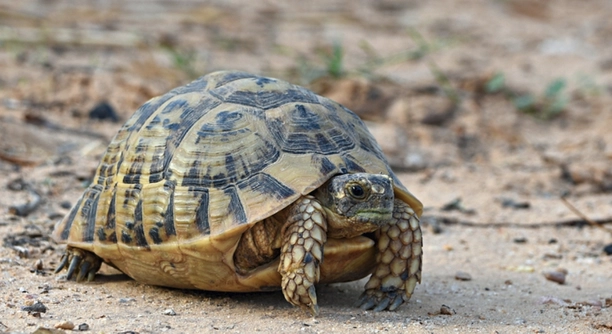
Mold in a Russian tortoise’s enclosure can pose serious health risks, making it essential to manage humidity and cleanliness carefully. It’s important to understand how mold forms and how you can keep your tortoise’s home safe and comfortable.
To prevent mold in a Russian tortoise’s enclosure, maintaining a dry environment and proper ventilation is key. Avoid over-wetting the substrate, and clean the enclosure regularly to remove excess moisture. A dehumidifier or fan can also help keep humidity levels in check.
There are simple steps you can take to ensure your tortoise’s enclosure stays mold-free. Keeping the habitat clean and dry will not only benefit your tortoise’s health but also make your enclosure maintenance easier.
Understanding Mold and Its Risks
Mold thrives in damp, warm environments, making it a common issue for pet enclosures, including those for Russian tortoises. The high humidity levels and organic matter in the enclosure provide a perfect breeding ground for mold. When mold is left unchecked, it can lead to respiratory infections, skin issues, and digestive problems for your tortoise. Over time, mold can also break down substrates, creating an unhealthy environment for your pet. This is why it’s so important to understand how mold grows and how to prevent it.
In addition to affecting your tortoise’s health, mold can cause unpleasant odors. These can linger in the enclosure and be difficult to remove. Once the smell sets in, it becomes harder to maintain a clean and comfortable living space for your pet.
A clean, dry, and well-ventilated environment is essential in preventing mold. Understanding the conditions that lead to mold growth allows you to take preventative measures before problems arise. With proper care, you can keep your tortoise’s habitat safe and clean for years to come.
Key Factors That Encourage Mold Growth
Mold thrives in areas where moisture is present, especially when combined with warm temperatures. The most common sources of excess moisture in an enclosure include water spills, excessive misting, or wet bedding. If the substrate used in the enclosure is too damp, mold can grow quickly. Another contributing factor is poor airflow. Without proper ventilation, humidity can become trapped in the enclosure, promoting mold growth. The substrate material also plays a significant role in mold prevention. Using organic materials like coconut coir, peat moss, or soil can retain moisture, making it easier for mold to grow if not managed properly.
One of the best ways to reduce moisture is to use a substrate that dries out quickly. Avoid spraying excessive amounts of water directly onto the substrate and instead mist lightly, giving the tortoise enough humidity without creating an overly damp environment. Make sure any excess water from your tortoise’s water bowl is removed promptly.
Proper air circulation is another key aspect. Consider adding a fan or ventilation holes to allow air to flow freely through the enclosure. A well-ventilated environment keeps humidity levels lower and prevents moisture from accumulating. A dry, well-ventilated home can also help maintain a healthy temperature range, preventing conditions that encourage mold growth.
Cleaning and Maintenance Tips
Cleaning your tortoise’s enclosure regularly is crucial for preventing mold. Start by removing any uneaten food, waste, and wet bedding daily. Weekly, perform a deeper clean by replacing the substrate and washing the enclosure with a mild disinfectant. Avoid harsh chemicals that could harm your tortoise.
Ensure that the substrate is completely dry before putting it back in the enclosure. You can use a heat lamp to help dry out any damp areas quickly. Regularly inspect all surfaces for mold spots and clean them immediately to prevent spreading. Additionally, check the water bowl and remove any standing water that could add excess moisture to the habitat.
If you notice mold forming despite regular cleaning, it may be necessary to replace the entire substrate. Mold can often grow deeper into the material than it appears on the surface, so replacing it can ensure the problem is truly gone. Keeping the enclosure in top condition through regular maintenance is essential for mold prevention.
Choosing the Right Substrate
Selecting the right substrate is essential for controlling mold in your Russian tortoise’s enclosure. Avoid overly damp materials like soil and wood chips that retain moisture for long periods. Instead, choose a more moisture-resistant substrate like paper towels, coconut coir, or dry sand. These materials are less likely to trap moisture and promote mold growth.
When choosing a substrate, it’s also important to consider your tortoise’s natural environment. Russian tortoises thrive in drier, arid conditions, so mimicking that with a dry, sandy substrate can help keep humidity levels in check. Additionally, be mindful of the size of the substrate particles, as too fine of a material can retain moisture longer, which could increase mold risk.
When using a substrate like coconut coir, make sure to change it regularly and avoid over-wetting it. These materials can still hold moisture if the enclosure becomes too humid, leading to mold growth. A dry, easily maintainable substrate makes it much easier to maintain a mold-free environment.
Humidity Control
Maintaining proper humidity levels is essential in preventing mold growth. Use a hygrometer to monitor the humidity in the enclosure, ensuring it stays between 30-50%. If levels are too high, a fan or dehumidifier can help reduce moisture. Avoid over-wetting the substrate, as this increases the risk of mold.
Make sure to adjust the humidity based on your tortoise’s needs. Russian tortoises prefer a dry habitat, so aim for a low humidity level. You can mist lightly if your tortoise needs some moisture, but avoid excess water, which can easily lead to mold growth.
Regularly check the humidity levels throughout the day and adjust as needed. It’s easy to overlook small changes, but consistently high humidity will encourage mold. Proper humidity control helps ensure your tortoise stays healthy and safe.
Ventilation
Good ventilation is a key element in mold prevention. Ensure there is plenty of airflow within the enclosure. Adding ventilation holes or using a fan can help circulate air and reduce humidity. Without this, moisture will get trapped, encouraging mold to grow.
Check the airflow frequently to ensure it’s adequate. Keep ventilation openings clear from obstructions so air can flow freely. Without good ventilation, even the most well-maintained enclosure can become a breeding ground for mold. Proper airflow is simple but essential for a mold-free habitat.
Temperature Management
Temperature plays a big role in controlling mold. Too much heat combined with moisture will create an ideal environment for mold. Keep the temperature within a range of 75-85°F, adjusting depending on your tortoise’s needs. Using a heat lamp can help control the environment.
FAQ
How can I tell if mold is growing in my tortoise’s enclosure?
Mold can appear as fuzzy, discolored patches on the substrate, walls, or decorations in the enclosure. It’s usually white, green, or black, and often grows in areas with high moisture. If you notice a musty smell, that’s another sign mold might be present. Regularly inspecting the enclosure for mold spots and checking for any unusual odors will help you catch mold early before it becomes a bigger problem.
What should I do if I find mold in the enclosure?
If you discover mold, it’s important to act quickly. Start by removing any visibly affected substrate, decorations, or plants. Clean all surfaces with a mild, tortoise-safe disinfectant to kill the mold. Afterward, thoroughly dry the enclosure before replacing the substrate with fresh, dry material. Make sure to check the humidity and ventilation to avoid mold returning.
Can mold harm my Russian tortoise?
Yes, mold can harm your Russian tortoise if left untreated. Mold spores can be inhaled, leading to respiratory problems or infections. It can also cause skin issues if your tortoise comes into direct contact with it. Ingesting moldy material can lead to digestive problems. For these reasons, preventing mold in the first place is essential for your tortoise’s health.
How do I prevent mold from growing in my tortoise’s enclosure?
The most effective way to prevent mold is by managing moisture levels. Keep the substrate dry and avoid over-wetting it. Ensure proper ventilation with airflow through ventilation holes or a fan. Regularly clean the enclosure, removing waste and uneaten food, and check humidity levels to stay within the ideal range.
How often should I clean the tortoise’s enclosure to prevent mold?
It’s recommended to clean your tortoise’s enclosure at least once a week. Spot clean daily to remove waste and uneaten food. Weekly, perform a deeper cleaning, which includes replacing the substrate and wiping down the enclosure. If you notice any excess moisture or mold, clean immediately to prevent further growth.
Can I use natural products to help prevent mold in my tortoise’s enclosure?
Yes, some natural products can help manage humidity and prevent mold growth. Activated charcoal can absorb moisture, and placing it in small containers inside the enclosure can help maintain a dry environment. Another option is to use baking soda to help neutralize odors and moisture. Just be sure to remove any items your tortoise might try to eat.
Is it safe to use a dehumidifier in the tortoise’s enclosure?
Using a dehumidifier can be helpful, especially if the humidity levels are consistently too high. However, it’s important to ensure that the air doesn’t become too dry, as Russian tortoises need some humidity. Always monitor the humidity levels and adjust the dehumidifier settings to maintain a balance that’s healthy for your tortoise.
What type of substrate is best for preventing mold?
Substrates that dry out quickly and do not retain moisture are ideal for preventing mold. Dry sand, coconut coir, and paper towels are all good options. Avoid using soil or wood chips, as they can hold moisture for longer periods, increasing the chances of mold. Make sure to remove any excess moisture right away.
How can I ensure proper ventilation in the enclosure?
You can ensure good ventilation by creating small holes in the enclosure, preferably at both the top and bottom, to allow air to circulate. A fan placed near the enclosure (but not directly inside) can help as well. Ensure that the enclosure is in a well-ventilated room, and keep the air flowing to avoid trapping humidity.
What temperature should I keep my tortoise’s enclosure to prevent mold?
To prevent mold, keep the temperature between 75°F and 85°F (24°C to 29°C). Higher temperatures combined with high humidity encourage mold growth. Use a heat lamp or heat mat to regulate the temperature. Always check that the temperature is stable to avoid fluctuations that could create mold-friendly conditions.
What if my tortoise doesn’t seem to like the clean substrate?
It’s common for some tortoises to be a bit picky about their environment. If your tortoise seems to dislike a particular substrate, try mixing it with a small amount of something more familiar to them, like sand. Gradually increase the new material until your tortoise adjusts. Make sure the substrate is dry and free from mold to keep the enclosure safe.
Final Thoughts
Maintaining a mold-free environment in your Russian tortoise’s enclosure is crucial for their health and well-being. Mold can cause serious issues, including respiratory problems, skin infections, and digestive disturbances. The key to preventing mold is controlling humidity, ensuring proper ventilation, and regularly cleaning the enclosure. By taking simple, preventive steps, you can avoid many of the common problems associated with mold growth.
Choosing the right substrate and cleaning materials is essential. Avoid using materials that retain moisture for too long, as these can promote mold. Regularly inspect the substrate and other surfaces for mold growth, as early detection is critical in preventing serious health issues for your tortoise. If mold does appear, act quickly by cleaning affected areas and replacing the substrate. You should also maintain an appropriate humidity level and temperature, as excessive moisture or heat can create an ideal breeding ground for mold.
In the end, caring for your tortoise’s enclosure is about creating a safe, healthy space for them to thrive. Mold is preventable with proper care, and by keeping their environment clean, dry, and well-ventilated, you will significantly reduce the risk. Ensuring your Russian tortoise has a suitable living space will not only help them avoid mold-related health problems but will also make their habitat a more comfortable and enjoyable place. Consistency in maintenance will go a long way in keeping your tortoise happy and healthy.

Hello,
If you enjoy the content that we create, please consider saying a "Thank You!" by leaving a tip.
Every little bit helps us continue crafting quality advice that supports the health, happiness, and well-being of pets around the world, for pets of all shapes, sizes, and species.
We really appreciate the kindness and support that you show us!