
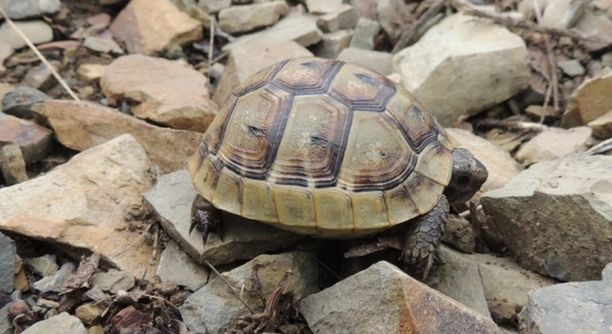
Russian tortoises are fascinating pets with unique behaviors. One of these behaviors is stretching their necks, which can often leave owners puzzled. Understanding why this happens can help you ensure your tortoise’s health and well-being.
The primary reason your Russian tortoise stretches its neck is usually due to stretching or trying to get a better view of its surroundings. This behavior is common in reptiles and can also indicate curiosity or an attempt to communicate.
Recognizing why your tortoise stretches its neck can provide insight into their daily habits and needs. Understanding these actions will help you care for your pet more effectively.
Why Is My Russian Tortoise Stretching Its Neck?
Russian tortoises are naturally curious creatures. When they stretch their necks, it’s usually because they are trying to explore their surroundings or communicate. Stretching can be a sign that they are simply looking for food, shelter, or just observing their environment. This behavior is typical of tortoises and can also happen when they are feeling particularly active. If you notice your tortoise stretching frequently, it’s important to make sure it’s in a safe, stimulating environment with access to the proper habitat, food, and warmth.
Neck stretching can also occur when your tortoise is looking for something. If they’re trying to reach a higher object or checking out their food, this is completely normal. It’s a way for them to explore, especially in an enclosure where they may not have the freedom of a larger outdoor space.
It’s always essential to monitor their behavior closely. If you notice that the stretching becomes excessive or paired with other signs of distress, it could indicate a more serious issue. Checking the environment and ensuring your tortoise is healthy and active will give you peace of mind.
Is It a Sign of Stress or Discomfort?
In some cases, stretching may be a response to discomfort or stress. If the stretching is combined with other unusual behavior, such as lethargy or lack of appetite, there could be an underlying issue. A stressed tortoise might stretch to survey its space or try to escape.
Ensure your tortoise’s living conditions are optimal. This includes the right temperature, humidity, and access to proper lighting. Tortoises thrive in stable environments, so any change can affect their behavior. Stress can also be caused by the presence of other pets, noise, or a cramped space. If the stretching becomes a regular habit alongside other signs of distress, it may be worth consulting a vet.
Environmental Factors That Affect Neck Stretching
The environment plays a large role in how a tortoise behaves. If the temperature or humidity levels are off, they might stretch their necks to try and get more comfortable. Proper lighting is also crucial for their well-being.
Tortoises need a warm, stable environment to thrive. If the temperature in their enclosure drops too low, they might stretch their necks to adjust their position. This stretching can also be a sign that they are seeking warmth or trying to get closer to a heat source. Ensure the enclosure has a consistent temperature gradient, with areas that allow the tortoise to choose where to rest. Without the right environmental conditions, your tortoise may become stressed, leading to more frequent stretching.
Humidity is another factor to keep in mind. If the air is too dry or too humid, the tortoise might stretch to regulate its body. This could be a sign that it needs more water or a change in the setup.
The Role of Diet in Neck Stretching
Your tortoise’s diet plays a role in how they behave. Stretching could occur if they’re seeking food or a specific type of nutrition. A healthy diet keeps them active and content.
When Russian tortoises are hungry or curious about food, they often stretch their necks as a way of reaching for it. If they’re in an area where they don’t have easy access to food, they might stretch toward it. Providing a balanced diet with fresh vegetables, greens, and occasional fruit will help reduce any unnecessary stretching behaviors. However, it’s essential to avoid overfeeding or giving them inappropriate foods, as this can lead to other health issues. Too many high-calcium foods can cause shell growth problems, leading to more physical stress for your tortoise.
Health Issues to Consider
If stretching becomes excessive or abnormal, it could signal health problems. Respiratory issues or a lack of proper nutrients can cause discomfort, leading to more neck stretching. Watch for other signs like lethargy or lack of appetite.
A common health issue to watch for is respiratory infection, which can cause a tortoise to stretch its neck as it tries to breathe more easily. Other signs, such as wheezing or nasal discharge, should be taken seriously. Nutritional deficiencies, especially calcium or vitamin A, can also cause physical discomfort. In such cases, the tortoise might stretch its neck due to discomfort or an attempt to self-regulate.
Importance of Proper Enclosure Setup
Your tortoise’s enclosure should meet specific needs to avoid stress and unhealthy behavior. It’s crucial to ensure the space is large enough to allow for movement and exploration. A cramped space can lead to frustration, prompting more neck stretching.
Adequate space and the right environment will help reduce anxiety. Make sure the enclosure includes areas for hiding, basking, and walking around. If the setup is too small or uncomfortable, your tortoise may stretch its neck frequently as it tries to find more room. Providing proper heat and light is just as important for maintaining health and happiness.
FAQ
Why does my Russian tortoise stretch its neck so much?
Stretching the neck is a common behavior among Russian tortoises. It is often done to get a better view of their surroundings or to explore their environment. It’s also a way for them to adjust to changes, such as seeking warmth or light. If this behavior seems excessive, it could be due to discomfort or stress, so it’s important to check the environment and their health.
Is it normal for my tortoise to stretch its neck after eating?
Yes, it’s normal. After eating, tortoises may stretch their necks to digest food better or to clear any residual particles. This behavior is often seen when they’re looking for more food or simply adjusting their posture to relax. As long as it’s not paired with other concerning symptoms, stretching after eating is usually harmless.
Could my tortoise be stretching its neck because of stress?
Yes, stress is a possible cause. If the tortoise feels threatened or its environment isn’t ideal, it may stretch its neck as part of its coping mechanism. This could happen if there are changes in its habitat, like new pets, loud noises, or a poor setup. Monitoring its environment and minimizing stress factors will help reduce this behavior.
Can neck stretching be a sign of illness?
Neck stretching can be linked to illness, especially if it’s accompanied by other signs like lethargy, a lack of appetite, or abnormal breathing. Respiratory infections are common in reptiles and can cause them to stretch their necks to breathe more easily. Nutritional deficiencies, such as low calcium levels, may also result in discomfort and neck stretching. If other symptoms are present, it’s best to take your tortoise to a vet.
How can I tell if my tortoise is stretching due to health problems?
If your tortoise’s neck stretching becomes excessive or is accompanied by signs like wheezing, nasal discharge, or a lack of movement, there could be an underlying health problem. Monitor its behavior closely—healthy tortoises will stretch occasionally, but any drastic changes in behavior or additional symptoms should be addressed by a veterinarian.
Does stretching affect my tortoise’s growth or shell?
Occasional neck stretching should not affect your tortoise’s growth or shell. However, if stretching is a result of an underlying health problem like poor nutrition or a respiratory issue, it can impact growth and shell development. Ensuring a proper diet and habitat will prevent these problems and encourage healthy growth.
How can I create the best environment for my tortoise?
To create the best environment, ensure your tortoise’s enclosure is large enough for them to move freely. A warm basking area with the right light is essential, as well as a cooler zone where they can retreat. Humidity and temperature levels should be consistent, and providing places to hide will help your tortoise feel secure. A properly set-up habitat reduces stress and helps prevent unnecessary behaviors like neck stretching.
Could my tortoise be stretching its neck to escape the enclosure?
Yes, it’s possible. If your tortoise is stretching its neck and appears to be reaching for something, it could be trying to find a way out. This could happen if the enclosure feels too small or inadequate for its needs. Ensure the space is large and comfortable with enough places for your tortoise to explore. If it’s stretching to escape, it might be a sign that the enclosure isn’t meeting its needs.
What should I do if my tortoise’s neck stretching becomes excessive?
If neck stretching becomes excessive or is paired with other worrying signs, such as lethargy, difficulty breathing, or changes in eating habits, it’s time to consult a veterinarian. They can rule out potential health issues and offer advice on how to improve your tortoise’s environment and diet.
Can my tortoise be stretching because it’s bored?
Yes, boredom can be a reason for neck stretching. Russian tortoises are curious and active, and if they don’t have enough stimulation, they may stretch their necks as a way of exploring or seeking out new experiences. Providing enrichment, such as hiding food, offering new areas to explore, or adding different textures to their environment, will help keep your tortoise mentally and physically engaged.
How often should I feed my tortoise?
Russian tortoises typically eat every other day, but the frequency can vary depending on their age, size, and activity level. Juveniles require more frequent feeding, while adults can be fed less often. A balanced diet of leafy greens, vegetables, and occasional fruits will help maintain their health. Be mindful not to overfeed, as obesity can cause various health issues.
Can my tortoise stretch its neck while basking?
Yes, neck stretching can also happen while basking. Tortoises often stretch their necks during basking to get closer to the heat source or to improve their visibility. This is a normal behavior and shows they’re comfortable in their environment. Ensure they have a proper basking area that meets their temperature needs.
Should I be concerned if my tortoise is stretching its neck but seems healthy?
If your tortoise is stretching its neck but shows no other signs of illness, then it’s likely just a normal behavior. Tortoises stretch their necks to explore, eat, or adjust their position for comfort. However, always keep an eye out for any other signs, and if anything changes, don’t hesitate to consult a vet.
How do I know if my tortoise is getting enough exercise?
Exercise is important for maintaining your tortoise’s health. Ensure that their enclosure is large enough for them to move around freely and that they have space to dig and explore. Offering different surfaces and hiding spots will encourage natural movement. If your tortoise seems lethargic or inactive, it could be a sign that it’s not getting enough exercise.
Final Thoughts
Observing your Russian tortoise stretch its neck can be a bit concerning at first, but in most cases, it’s a normal behavior. Tortoises stretch their necks to adjust their posture, explore their environment, or seek warmth and light. It’s important to monitor this behavior and watch for any other signs that might indicate a health issue. If neck stretching is paired with other symptoms like lack of appetite, unusual lethargy, or difficulty breathing, it’s a good idea to consult a veterinarian to rule out respiratory infections or other underlying problems.
Another factor that plays a role in neck stretching is the environment. A proper enclosure is crucial to the well-being of your tortoise. Ensure that the habitat is large enough for your tortoise to move around freely and comfortably. A space with varying temperature zones, a basking area, and places to hide can help reduce stress. A well-structured environment encourages healthy behaviors and reduces the likelihood of your tortoise exhibiting excessive neck stretching due to stress or frustration.
Ultimately, the key to managing neck stretching is understanding what’s normal and what’s not. While stretching is a typical tortoise behavior, excessive or consistent stretching may signal discomfort, boredom, or health issues. Providing a healthy diet, proper lighting, and a stress-free environment will support your tortoise’s overall health and help keep neck stretching to a natural, occasional behavior. Always stay alert to changes and act quickly if you notice any signs of illness or stress in your tortoise.

Hello,
If you enjoy the content that we create, please consider saying a "Thank You!" by leaving a tip.
Every little bit helps us continue crafting quality advice that supports the health, happiness, and well-being of pets around the world, for pets of all shapes, sizes, and species.
We really appreciate the kindness and support that you show us!