
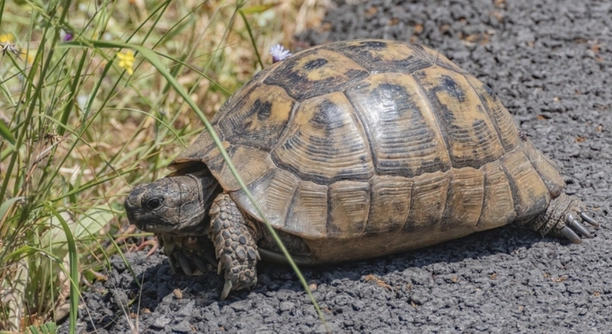
Proper shell health is crucial for your Russian tortoise’s well-being. By making small adjustments to their care routine, you can ensure they live a long, healthy life with a strong and vibrant shell.
Maintaining optimal shell health in Russian tortoises involves providing a balanced diet, proper lighting, and appropriate habitat conditions. Regular bathing, access to UVB light, and preventing excessive humidity are also key factors in promoting shell growth and preventing shell rot.
By following these simple tips, you can help your Russian tortoise thrive and maintain a healthy shell for years to come.
Provide a Balanced Diet
A well-rounded diet is essential for your Russian tortoise’s shell health. Fresh greens like dandelion greens, collard greens, and romaine lettuce are ideal staples. Offer a variety of vegetables and occasional fruits for extra vitamins. This diverse diet supports their overall health, including shell strength. Make sure to avoid high-protein foods as they can lead to kidney issues and improper growth. Additionally, calcium is critical for shell development. Dusting their food with calcium powder will help ensure they’re getting enough to maintain a hard, strong shell.
While offering these foods, be cautious about overfeeding fruits or high-oxalate veggies, such as spinach, which may disrupt calcium absorption. Stick to a balanced variety of dark, leafy greens. Their diet should closely mirror what they’d consume in the wild, which mainly consists of grasses, weeds, and leaves.
Regularly switching up the variety and ensuring proper calcium intake will help your tortoise build a robust shell and avoid common health issues.
Provide Proper UVB Lighting
UVB light plays a vital role in your tortoise’s shell health. It helps them metabolize calcium and promotes strong bones and shell growth. Without it, your tortoise may suffer from metabolic bone disease, leading to soft or deformed shells. Ensure your tortoise has access to UVB light for 10-12 hours a day, either from direct sunlight or a UVB bulb designed for reptiles.
UVB light is critical for your Russian tortoise’s well-being, and ensuring they receive the right exposure will go a long way in promoting a healthy shell. A high-quality UVB bulb, placed at an appropriate distance from their habitat, is essential.
Without proper lighting, even the best diet won’t be effective, as your tortoise won’t be able to properly absorb calcium. Maintaining consistent UVB exposure is one of the easiest ways to support their shell and overall health.
Maintain a Clean Habitat
A clean environment is key to your tortoise’s shell health. Regularly change their bedding and clean their enclosure to prevent bacteria buildup, which can lead to infections or shell rot. Make sure to remove any uneaten food, as it can spoil quickly and attract pests.
Keeping the habitat dry and free from excess moisture also helps avoid shell problems. Mold, fungus, and excess humidity can lead to soft or weakened shells. Use a proper substrate that’s easy to clean and prevents water retention, such as coconut coir or a mix of sand and soil.
A spotless environment reduces stress and improves your tortoise’s overall health, contributing to a strong, healthy shell. Be diligent with cleaning and maintaining the habitat to avoid complications like respiratory issues or fungal infections.
Regular Baths and Hydration
Bathing your Russian tortoise regularly not only helps keep them hydrated but also promotes healthy shell growth. Fill a shallow dish with lukewarm water and let your tortoise soak for 15-20 minutes a few times a week. This will allow them to drink and hydrate naturally.
Hydration is vital for shell maintenance, as it helps your tortoise’s metabolism and digestion, ensuring they absorb nutrients efficiently. While tortoises are generally able to get water from their diet, regular baths can also help them stay hydrated when they aren’t drinking enough.
Ensure the bathwater is shallow enough to avoid drowning but deep enough for your tortoise to submerge partially. Regular soaking also supports proper circulation and can aid in shedding their old skin, promoting a clean and healthy shell.
Prevent Shell Rot
Shell rot is a serious condition that can be prevented with proper care. Ensure your tortoise’s shell stays dry and clean. Avoid leaving them in damp conditions for extended periods of time, as this promotes bacterial growth. Regularly inspect their shell for any soft spots or discoloration.
If you notice any signs of shell rot, promptly address the issue by adjusting their habitat or seeking veterinary care. Make sure their enclosure is well-ventilated, and always dry off your tortoise after a bath to prevent moisture buildup.
Monitor Shell Growth
Shell growth is an ongoing process that requires monitoring. Watch for signs of uneven growth, such as soft or malformed areas. Proper diet and UVB exposure are essential for normal shell development. Keep a close eye on their shell’s condition to detect any issues early.
If their shell becomes soft or deformed, it’s usually a sign of improper care, such as insufficient UVB light or a calcium deficiency. Regular check-ups with a vet can help catch problems early and keep your tortoise’s shell healthy.
Offer Proper Substrate
The substrate in your tortoise’s enclosure should be safe and comfortable. Avoid using cedar or pine shavings, as these can cause respiratory issues. Instead, opt for coconut coir, aspen bedding, or a mix of soil and sand. The right substrate also helps with temperature regulation.
A proper substrate will allow your tortoise to burrow naturally and provides a more natural, comfortable environment. Ensure it is deep enough for burrowing but also easy to clean and replace. Keeping the substrate dry helps prevent any fungal growth that could affect their shell.
FAQ
How often should I check my Russian tortoise’s shell?
You should check your tortoise’s shell regularly for any signs of damage, infection, or abnormal growth. Doing so once a week is a good routine. Make sure to inspect both the top and underside of the shell for any discoloration, soft spots, or cracks that may indicate an issue. Catching problems early makes it easier to address them.
What are the signs of a healthy shell?
A healthy Russian tortoise shell should be hard, smooth, and have no visible cracks or soft spots. The shell should be free of any discoloration, such as yellowing or blackened areas, which could suggest infections or poor diet. Regular hydration and proper calcium intake are key to maintaining a healthy, strong shell.
How can I improve my tortoise’s shell health?
Improving shell health involves ensuring proper diet, UVB light exposure, hydration, and a clean environment. Provide a balanced diet with plenty of leafy greens and occasional fruits, ensuring adequate calcium. Offer daily access to UVB light and soak your tortoise in warm water a few times a week for hydration. A dry, clean habitat will also help prevent shell infections.
Can I fix a damaged shell?
Minor scratches or cracks may heal over time with proper care. Ensure your tortoise receives appropriate calcium and UVB light, as well as a clean environment. For deeper or severe damage, it’s essential to consult a vet, as the injury might require medical attention or even surgery.
How do I prevent my tortoise’s shell from becoming soft?
A soft shell is often a result of calcium deficiency or inadequate UVB light exposure. To prevent this, provide a diet rich in calcium and ensure your tortoise has access to a proper UVB light source for 10-12 hours a day. Regular baths can also help with hydration, supporting overall shell health.
Can a Russian tortoise’s shell get too hard?
It’s uncommon for a tortoise’s shell to become too hard. However, excessive calcium intake or improper diet can sometimes lead to abnormal shell growth, causing irregularities. Make sure you are feeding your tortoise a balanced diet and offering the right amount of calcium and UVB exposure to avoid any imbalances.
Is it normal for my tortoise to shed parts of its shell?
Yes, it is normal for tortoises to shed their scutes (the outer layers of the shell) as they grow. This process happens naturally, especially when they are younger. However, if the shedding is excessive or the shell underneath looks damaged or soft, it could indicate health problems, and you should consult a vet.
How can I ensure my tortoise gets enough UVB light?
To ensure proper UVB exposure, place your tortoise’s habitat in a location where they can receive natural sunlight, or use a high-quality UVB bulb designed for reptiles. These bulbs should be replaced every 6-12 months, as their UVB output decreases over time. Ensure that the light is placed at the correct distance from your tortoise’s basking area for optimal absorption.
Why is my tortoise’s shell turning yellow?
Yellowing on your tortoise’s shell can indicate several potential problems, including metabolic bone disease, improper diet, or excessive moisture in their habitat. Yellowing may also happen as part of the natural shedding process, but if it persists or is accompanied by other symptoms like weakness or a soft shell, seek veterinary advice.
What substrate is best for my Russian tortoise’s shell health?
The best substrate for a Russian tortoise’s habitat is one that’s easy to clean and helps maintain the proper humidity levels without being too moist. Coconut coir, aspen bedding, or a mix of soil and sand is ideal. Avoid substrates that retain too much moisture, as these can cause fungal growth and affect shell health.
How much water should I provide for my Russian tortoise?
Water is essential for your tortoise’s overall health and shell maintenance. While tortoises get some water from their diet, it’s important to provide them with a shallow dish of water for drinking and bathing. Ensure the water is changed daily and that the dish is shallow enough to prevent drowning.
Should I feed my tortoise calcium supplements?
Yes, calcium supplements are important for promoting healthy shell growth. Dusting your tortoise’s food with calcium powder once or twice a week is recommended, especially if their diet lacks sufficient calcium-rich greens. Be sure to use a calcium supplement that does not contain phosphorus or vitamin D3, as these can interfere with proper calcium absorption.
Final Thoughts
Caring for your Russian tortoise’s shell health is essential for their overall well-being. Regular checks and attention to their environment, diet, and hydration can prevent many common shell issues. Ensuring they have access to UVB light, proper calcium intake, and a clean habitat will help maintain a healthy shell. By staying consistent with care, you can avoid problems like shell rot or soft spots that can cause long-term damage. Taking the time to monitor your tortoise’s shell condition will ensure they lead a long, healthy life.
Providing the right diet is crucial. Leafy greens, calcium supplements, and the occasional fruit are the foundation of a proper tortoise diet. Avoid feeding them foods that are high in oxalates, such as spinach, as these can interfere with calcium absorption. Along with their food, ensure they have a safe space to move around and burrow. Tortoises thrive in environments that mimic their natural habitat, so maintaining proper humidity, temperature, and substrate will help their shell stay strong and healthy. When their needs are met, tortoises are more likely to grow and shed their shells properly, free from any issues.
Remember that the health of your tortoise’s shell is a reflection of their overall health. By providing the proper care, attention, and regular veterinary check-ups, you can catch problems early. A healthy shell not only helps with protection but also plays a role in your tortoise’s mobility and comfort. Keep an eye out for any signs of distress or changes in their shell, and don’t hesitate to seek professional help if you notice any issues.

Hello,
If you enjoy the content that we create, please consider saying a "Thank You!" by leaving a tip.
Every little bit helps us continue crafting quality advice that supports the health, happiness, and well-being of pets around the world, for pets of all shapes, sizes, and species.
We really appreciate the kindness and support that you show us!