
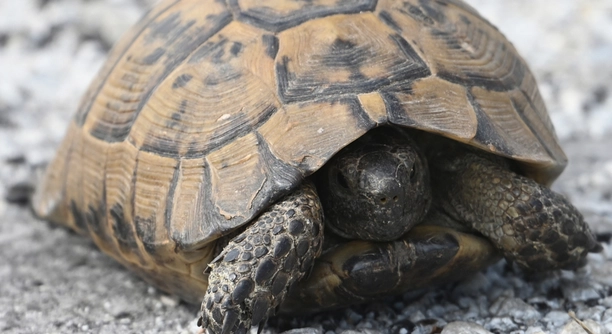
A Russian Tortoise is a popular and hardy pet, but sometimes it can show signs of stress or discomfort. Understanding these signs helps you ensure that your tortoise remains happy and healthy in its environment.
If your Russian Tortoise is not comfortable in its habitat, it may exhibit behaviors such as lethargy, loss of appetite, or excessive hiding. These signs could indicate improper temperature, humidity, or enclosure setup, all of which can stress the tortoise.
Being aware of these behaviors can guide you in making the necessary adjustments for a more suitable living space.
Lack of Appetite
When your Russian Tortoise refuses to eat, it’s often a sign that something is wrong. This behavior could be due to temperature issues, such as the enclosure being too hot or cold. If the habitat is too cold, their metabolism slows down, making them less likely to feed. Likewise, if it’s too hot, they may become stressed and stop eating altogether. The type of food you offer could also be a factor. If they aren’t interested in the food, it may not be appealing or fresh enough for them.
Temperature plays a key role in their eating habits. If you notice your tortoise is consistently refusing meals, check the warmth of its enclosure to make sure it is within the ideal range of 75-85°F.
Changing your tortoise’s diet could also help. Make sure you are offering a variety of leafy greens and occasional treats. If the appetite doesn’t improve after adjusting food or temperature, a visit to the vet may be needed.
Excessive Hiding
When a Russian Tortoise hides too often, it could be trying to escape stress or discomfort. Constant hiding can signal that something isn’t quite right in its habitat. It may feel threatened, or there could be an issue with its enclosure that makes it feel unsafe.
A few things could cause this. An overly bright or noisy environment can stress your tortoise out. Another possibility is a lack of proper hiding spots. Tortoises are naturally burrowers and need places to retreat to when they feel vulnerable. Make sure to add hiding spots to your tortoise’s habitat, like rocks or a small box.
Sometimes, the hiding behavior stems from environmental changes. If you recently moved its enclosure or changed the furniture, your tortoise might be adjusting to its new surroundings. However, if the hiding continues without any obvious cause, consider looking deeper into its living conditions.
Lethargy and Reduced Activity
If your Russian Tortoise is spending most of its time inactive, it could be a sign that it’s not comfortable. Tortoises need proper temperature and lighting to stay active. Too much heat or too little heat can make them sluggish, making them want to rest longer than usual.
In addition to temperature issues, lack of space could also contribute to inactivity. A small enclosure prevents your tortoise from roaming and exercising, which is necessary for its well-being. Make sure its habitat is spacious enough for movement and exploration.
If your tortoise’s lethargy continues, check the habitat’s temperature and provide enough room for exercise. If it still remains inactive, it could be a health concern, requiring a vet’s evaluation.
Aggression or Biting
Russian Tortoises are generally calm, but if yours is suddenly showing aggression, it might be due to discomfort. They may start biting or showing aggressive behavior when they feel stressed, scared, or threatened. This could happen if their living environment is too noisy or cramped.
Stress can cause a tortoise to act out, especially if its personal space is violated. Overcrowding in the enclosure or frequent disturbances can make it feel threatened. Another possible cause is improper handling. If your tortoise is picked up or handled too much, it might feel unsafe.
Ensuring a peaceful and calm environment can help reduce this behavior. Offer your tortoise space to move around freely and handle it gently and minimally. If the aggression persists, consider consulting a vet to rule out any underlying health problems.
Overexposure to Light
Too much light can also be a problem for your Russian Tortoise. If it’s exposed to bright light for extended periods, it may become stressed. Excessive light can disrupt its natural behavior, leading to discomfort or lethargy.
Ensure that the lighting in its enclosure mimics the natural day-night cycle. Use a timer for artificial lights to provide a consistent environment.
If your tortoise seems overly stressed from light exposure, it may benefit from a more shaded area in its habitat. Balancing the amount of light and darkness is important for its overall well-being.
Poor Shell Health
Your Russian Tortoise’s shell can reveal a lot about its health. If you notice any soft spots, cracks, or unusual discoloration, it might be a sign of poor conditions in its habitat. A malnourished or stressed tortoise may develop shell problems.
Inadequate humidity and improper UVB lighting can contribute to shell issues. Make sure to provide UVB lighting for at least 10-12 hours a day to help with calcium absorption and prevent shell deformities. Keeping the humidity at the right level will also keep its shell healthy.
If shell problems persist despite proper lighting and humidity, a vet should be consulted to rule out any diseases or infections affecting the shell.
Inconsistent Temperature
Russian Tortoises require a consistent temperature to thrive. Fluctuating temperatures in the enclosure can make your tortoise uncomfortable and may affect its behavior. It’s important to maintain a stable environment, with a warm area of around 80-85°F and a cooler side of 70-75°F.
If your tortoise is exposed to frequent temperature changes, it can cause stress and make it hard for the animal to regulate its body temperature. A reliable thermostat and heat sources like ceramic heaters can help maintain the right temperature range.
Make sure your tortoise has both warm and cool areas to choose from. If temperature fluctuations continue, it could lead to health issues, so check the equipment in the enclosure to ensure everything is functioning correctly.
FAQ
How can I tell if my Russian Tortoise is too cold?
If your Russian Tortoise is too cold, it may become lethargic or less active. Cold temperatures can slow down their metabolism, leading to reduced feeding and movement. You may also notice it hiding more than usual. A tortoise that’s too cold may even start to exhibit signs of respiratory distress, such as wheezing.
To ensure your tortoise is not too cold, check the temperature of the warm side of its habitat. It should be between 80-85°F, with the cooler side ranging from 70-75°F. Invest in a reliable thermometer to monitor the temperature closely. If your tortoise is sluggish or hiding excessively, increase the temperature gradually.
Can my Russian Tortoise get too hot?
Yes, your tortoise can definitely get too hot. If the temperature in its habitat rises above 90°F, it may cause stress, dehydration, or heatstroke. Excessive heat can lead to rapid breathing, lethargy, and even fainting in severe cases. Tortoises rely on a range of temperatures to regulate their body heat, so it’s important to avoid excessive warmth in the enclosure.
Make sure the warm area of the habitat does not exceed 85°F, and always provide a cooler space. If you suspect your tortoise is overheated, move it to a cooler area and give it access to water. Ensure proper ventilation in the enclosure to prevent heat build-up.
What should I feed my Russian Tortoise?
A healthy diet for a Russian Tortoise includes leafy greens, grasses, and some flowers. The primary components of their diet should be leafy greens like dandelion greens, collard greens, and mustard greens. Avoid feeding them high-oxalate foods, such as spinach, in large quantities.
In addition to greens, you can occasionally offer small amounts of fruit, but this should be limited. Grasses like timothy hay are also essential for their digestive health. Avoid feeding them too much protein, as it can cause shell problems over time. A balanced diet and access to fresh water are key to your tortoise’s long-term health.
How can I make sure my tortoise has enough UVB light?
UVB light is crucial for your Russian Tortoise’s health. It helps them absorb calcium and prevent metabolic bone disease. To provide adequate UVB lighting, use a specialized UVB bulb that covers the entire basking area. This light should be on for at least 10-12 hours a day to mimic natural sunlight.
Place the UVB light at an appropriate distance from your tortoise, generally 6-12 inches, depending on the strength of the bulb. Regularly replace UVB bulbs, as their effectiveness diminishes over time. Additionally, consider offering natural sunlight when possible, but ensure that your tortoise is not exposed to direct sunlight for too long.
Why is my Russian Tortoise not eating?
If your Russian Tortoise is not eating, it could be due to several factors. First, check the temperature in its enclosure. If it’s too cold, your tortoise may lose its appetite. Likewise, if the habitat is too hot, it can cause stress, leading to a lack of appetite.
Dietary issues are another possibility. Make sure the food you’re offering is fresh and varied. Sometimes, tortoises become bored with their food. If the diet is too limited or repetitive, they may refuse to eat. Lastly, your tortoise could be stressed from its environment. Overcrowding, excessive handling, or a lack of hiding spots may cause anxiety, affecting its eating habits.
How often should I clean my Russian Tortoise’s enclosure?
You should clean your Russian Tortoise’s enclosure regularly to ensure a healthy environment. Spot cleaning should be done daily, removing any uneaten food, waste, or soiled bedding. A full cleaning should be done once a week, where you disinfect the entire enclosure, replace the substrate, and clean the accessories.
If you notice any signs of mold, odor, or waste build-up, it’s important to clean more frequently. A clean environment will help reduce the risk of illness and parasites, and your tortoise will feel more comfortable in a fresh habitat. Ensure that the cleaning products you use are safe for reptiles.
Can my Russian Tortoise live with other pets?
While Russian Tortoises are generally peaceful, it’s best to avoid keeping them with other pets in the same enclosure. They can become stressed by the presence of more active animals, especially if they feel threatened. Additionally, a larger pet may inadvertently harm the tortoise.
If you do choose to house multiple tortoises together, ensure that the enclosure is large enough for them to have enough space. You’ll also need to monitor their interactions closely, as some tortoises may become territorial or aggressive. It’s better to house them separately to avoid unnecessary stress or injury.
What’s the best substrate for my Russian Tortoise’s habitat?
The best substrate for your Russian Tortoise should allow for proper ventilation, be easy to clean, and be safe if ingested. Avoid sand or soil with harmful chemicals. Instead, opt for a mix of organic soil, coconut coir, and shredded paper. These materials are absorbent and mimic their natural environment.
Ensure the substrate is deep enough for your tortoise to dig and burrow, as this is an instinctual behavior. You’ll also need to spot clean the substrate daily, removing waste and food remnants. Be sure to replace it every few months to maintain a healthy environment.
Final Thoughts
Ensuring your Russian Tortoise feels comfortable in its habitat is key to its well-being. By paying attention to signs of discomfort, such as reduced activity, loss of appetite, or aggression, you can make changes that improve its environment. The right temperature, humidity, and lighting are essential to keeping your tortoise happy and healthy. It’s important to regularly monitor these factors, as small adjustments can make a big difference in your pet’s behavior and overall health.
A proper diet is also critical for your tortoise’s health. Offering a variety of leafy greens, grasses, and occasional fruits can keep your tortoise well-nourished. Avoid overfeeding fruits or protein, as this can lead to health issues over time. Make sure you’re providing fresh water daily, as dehydration can contribute to health problems. With the right balance of food, hydration, and environmental conditions, your Russian Tortoise can thrive and live a long, healthy life.
In the end, creating a comfortable habitat for your Russian Tortoise requires attention to its needs and careful observation. By understanding what makes them feel safe and healthy, you can easily adjust their living space to match. If you’re ever unsure about their condition, don’t hesitate to consult with a veterinarian who specializes in reptiles. With the right care, your tortoise can enjoy a happy, stress-free life in a habitat that supports its natural behaviors.

Hello,
If you enjoy the content that we create, please consider saying a "Thank You!" by leaving a tip.
Every little bit helps us continue crafting quality advice that supports the health, happiness, and well-being of pets around the world, for pets of all shapes, sizes, and species.
We really appreciate the kindness and support that you show us!