
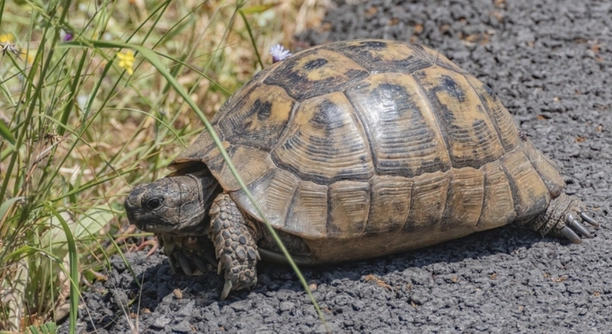
Russian tortoises are known for their curious and active nature. If you notice your tortoise scratching at the glass, it’s likely because of something in its environment. This behavior can signal various factors that may need attention.
Tortoises scratch at the glass mainly due to stress, frustration, or a desire to explore beyond their enclosure. It’s a common behavior often linked to improper habitat setup, lack of stimulation, or the need for more space.
Understanding why your tortoise scratches the glass is key to improving its living conditions. With a few adjustments, you can help your pet feel more comfortable and content.
Common Reasons for Scratching at the Glass
Russian tortoises are naturally curious and will often explore their surroundings. If your tortoise scratches at the glass, it may simply be trying to find a way out or looking for something more interesting. This behavior can also be linked to frustration when it feels confined or lacks enough space to roam. Another reason for this behavior is a lack of environmental enrichment. Tortoises need more than just food and water; they require varied terrain and objects to climb or hide behind. If the enclosure is too simple, they may feel bored and try to break free. Additionally, some tortoises scratch because they feel the need to dig. This instinct is linked to both exploring and seeking shelter.
Inadequate space or the wrong setup in the enclosure could be a major reason for this behavior. Make sure your tortoise has room to move around, and avoid overcrowding.
Your tortoise might also scratch at the glass because it’s seeking attention or food. If you’re nearby or if it sees movement, it may assume something is about to happen, prompting its scratching behavior. Another factor to consider is the lighting. Tortoises require exposure to both UVA and UVB light. If they don’t get enough light, they may feel disoriented and scratch at the glass, trying to find a way out of their enclosure.
How to Address the Behavior
The simplest way to reduce scratching is to ensure your tortoise’s environment meets its needs. Make sure the tank has enough space for movement, and provide areas to hide or climb. Keep the habitat clean and provide food and water in easy-to-reach areas.
One of the most helpful steps in stopping the scratching is ensuring proper lighting and temperature in your tortoise’s enclosure. If your tortoise is not getting enough UVB light, it could be confused and stressed, leading to persistent scratching. Using a UVB light on a timer can help regulate the light schedule and maintain a healthier environment. Another simple fix is providing more stimulation. Consider adding objects like rocks, logs, or plants that your tortoise can explore. This will help keep it busy and reduce its frustration. You could also try placing the enclosure in a quieter area if your tortoise is reacting to noise or movement from its surroundings. A small change in routine or environment can make a big difference in stopping the scratching behavior.
Space and Enclosure Size
The size of your tortoise’s enclosure plays a big role in its behavior. A small space can lead to boredom, frustration, and scratching. A larger area allows for more natural movements and exploration.
To avoid these issues, ensure your tortoise has a spacious enclosure with plenty of room to roam. The minimum size for a single Russian tortoise is about 4 feet long by 2 feet wide, but bigger is always better. Adding items like ramps or hideaways can help make the space feel more enriching. If possible, offer outdoor time for your tortoise to explore a safe and secure area. This can give it a chance to stretch its legs and reduce the urge to scratch.
The enclosure should also be properly secured to prevent escapes. Russian tortoises are skilled climbers, so a tall enclosure with a well-secured lid is a good idea. If your tortoise is scratching at the glass in an attempt to climb out, it’s a sign that it may feel cramped or confined. Consider expanding the habitat to make it a more comfortable space for your pet to live and thrive.
Lighting and Temperature
Lighting and temperature are crucial for your tortoise’s health and comfort. Without proper lighting, your tortoise may become stressed and scratch at the glass in confusion. Ensure the enclosure has both UVB and UVA light to mimic natural sunlight.
The correct temperature is just as important. The basking area should reach around 95°F, while the cooler end of the enclosure should be around 75°F. This temperature gradient allows your tortoise to regulate its body heat. If the temperature or lighting is off, your tortoise might become restless and start scratching. Make sure to place the UVB light at the right distance, as it loses its effectiveness if too far from the tortoise. Using a timer to regulate the light cycle will also help maintain a natural day-night rhythm.
Tortoises that do not receive adequate UVB light can develop health problems, such as metabolic bone disease, which can further stress them out. Providing proper lighting is a simple yet effective way to help your tortoise feel more at ease and reduce any unwanted scratching behaviors.
Stress and Frustration
Stress and frustration are common reasons why your tortoise might scratch at the glass. Changes in the environment, unfamiliar noises, or being handled too much can lead to this behavior. It’s important to keep the space calm and quiet.
If your tortoise seems anxious, reducing external disturbances can help. Avoid moving the enclosure or adding new elements too quickly. Sometimes, the simple act of adjusting the placement of the tank to a more peaceful area can make a difference. Keeping your tortoise’s routine consistent and predictable is also beneficial for reducing stress.
Lack of Stimulation
Russian tortoises need stimulation to stay mentally healthy. Without enough things to explore, climb, or hide behind, they may resort to scratching. A lack of toys or objects can make your tortoise feel bored and frustrated.
Add elements like logs, plants, or safe rocks for climbing. You could also introduce new objects occasionally to keep the environment interesting. Providing enrichment activities encourages your tortoise to engage with its surroundings rather than scratching at the glass.
Hunger or Food-Related Behavior
Sometimes, your tortoise may scratch at the glass because it’s hungry or associates your presence with feeding time. Tortoises are creatures of habit and can learn to anticipate food. If you usually feed them when they see you, they may start scratching when they expect food.
If your tortoise scratches at the glass, consider adjusting its feeding schedule or making sure it always has access to fresh food. A full belly will help your tortoise feel more content and less likely to scratch out of hunger.
FAQ
Why is my Russian tortoise scratching at the glass?
Scratching at the glass is often a sign that your tortoise is feeling stressed, bored, or confined. It could be trying to explore beyond its enclosure or may be frustrated due to lack of space. Tortoises also scratch when they’re seeking attention or food, and it may be a natural instinct to dig or climb. Consider evaluating the size of the enclosure, its setup, and the level of stimulation in the environment. Making adjustments like adding more space, hiding spots, or enrichment activities can help alleviate this behavior.
Can I stop my tortoise from scratching at the glass?
Yes, you can help reduce the scratching behavior. Ensure the enclosure is spacious and filled with items to keep your tortoise engaged, such as rocks, logs, or plants. Also, make sure the lighting and temperature are correct, as improper conditions can cause stress. Reducing external disturbances and providing a quiet, calm space will make your tortoise feel more secure.
How much space does my Russian tortoise need?
A single Russian tortoise requires a minimum of a 4-foot long by 2-foot wide enclosure. However, bigger is always better. The more room your tortoise has, the less likely it will be to exhibit scratching behavior. A larger space allows it to explore, dig, and move freely. If possible, allow your tortoise outdoor time in a safe, secure area to help prevent frustration from being confined.
Is my tortoise scratching because it’s trying to escape?
It’s possible your tortoise is scratching because it feels confined or is trying to escape. Tortoises are naturally curious and may try to climb or find an exit if they feel their space is too small or not stimulating enough. Check the security of your enclosure and ensure that it’s both large and enriched enough to prevent your tortoise from feeling the need to escape.
How do I reduce stress for my Russian tortoise?
Reducing stress in your tortoise involves maintaining a calm, quiet environment. Keep the enclosure in a peaceful location and avoid unnecessary handling. Regularly clean the tank, as dirty or cluttered enclosures can cause discomfort. Also, establish a consistent routine for feeding and handling to avoid anxiety. Providing plenty of hiding spots and things to climb on can also help keep your tortoise feeling secure.
Can my tortoise scratch itself too much?
If your tortoise is scratching excessively, it could be a sign of health issues, such as skin problems or irritation. Over-scratching can also damage its shell. If the behavior seems extreme or if there are visible signs of injury, it’s important to have a vet examine your tortoise. Otherwise, occasional scratching is normal for a curious, active tortoise.
Does lighting affect my tortoise’s behavior?
Yes, improper lighting can significantly affect your tortoise’s behavior. If it’s not getting enough UVB light, your tortoise could become stressed, leading to scratching or disorientation. UVB light is crucial for your tortoise’s overall health, allowing it to metabolize calcium and maintain a strong shell. Make sure the enclosure has both UVB and UVA lighting, and place the light at the correct distance for optimal benefits.
What should I do if my tortoise is scratching at the glass during the night?
If your tortoise is scratching at the glass during the night, it may be confused due to the lighting or temperature in the tank. Check the lighting schedule to ensure that your tortoise is receiving a consistent day-night cycle. At night, the enclosure should be cooler to simulate nighttime temperatures. Consider adjusting the light and temperature to better align with natural cycles.
Why does my tortoise scratch when I’m near the enclosure?
Your tortoise might be scratching when you’re near the enclosure because it associates you with food or attention. Tortoises can learn routines and often respond to movement or sounds they associate with feeding time. If the behavior seems linked to feeding, try adjusting the schedule to avoid reinforcing this action. Also, ensure that the enclosure has enough stimulation to prevent boredom when you’re not around.
How can I enrich my tortoise’s enclosure?
Enriching your tortoise’s enclosure is key to reducing scratching behavior. You can add rocks, logs, plants, and other safe objects to create more opportunities for exploration and climbing. Hiding food in different places can also encourage foraging behavior, keeping your tortoise mentally stimulated. Additionally, varying the environment by rotating objects or adding new ones occasionally helps prevent boredom.
Does my tortoise need a companion?
Russian tortoises are solitary animals by nature and don’t require a companion to thrive. In fact, housing multiple tortoises together can sometimes lead to territorial disputes. It’s better to keep a single tortoise in a large, enriched enclosure rather than introducing another one. Ensure your tortoise has plenty of stimulation and space to stay happy.
How do I know if my tortoise is bored?
Signs of boredom in a tortoise include excessive scratching at the glass, digging, or pacing in the same area of the enclosure. If your tortoise is not interacting with its environment, it may feel under-stimulated. Providing a variety of objects, such as climbing structures or hiding spots, can help alleviate boredom. Keep the tank clean and allow opportunities for foraging to keep your tortoise mentally engaged.
Final Thoughts
If your Russian tortoise is scratching at the glass, it’s important to consider the reasons behind this behavior. It could be a sign of stress, boredom, or frustration with its environment. Tortoises are naturally curious animals, and they may scratch at the glass as they try to explore or find something that captures their attention. By understanding the possible causes of this behavior, you can take steps to address it and make your tortoise feel more comfortable.
The most common reason for this behavior is a lack of space or stimulation. Russian tortoises need enough room to move, climb, and dig. A small enclosure can make them feel trapped and lead to scratching at the glass in an attempt to escape. Adding more space, climbing structures, and hiding spots can help create a more enriched environment. You should also consider the lighting and temperature in the enclosure, as improper conditions can cause stress and contribute to the scratching. Ensuring your tortoise has access to both UVA and UVB lighting and that the temperature is within the appropriate range will help create a more comfortable habitat for your pet.
Lastly, it’s important to monitor your tortoise’s behavior and health. If the scratching seems excessive or accompanied by other signs of distress, it may be worth consulting a veterinarian. A vet can check for any underlying health issues, such as skin irritation or injury from excessive scratching. Addressing the root cause of the behavior and making the necessary adjustments to your tortoise’s habitat will help improve its well-being. By providing a proper environment with enough space, stimulation, and proper care, you can help ensure your Russian tortoise remains happy and healthy.

Hello,
If you enjoy the content that we create, please consider saying a "Thank You!" by leaving a tip.
Every little bit helps us continue crafting quality advice that supports the health, happiness, and well-being of pets around the world, for pets of all shapes, sizes, and species.
We really appreciate the kindness and support that you show us!