
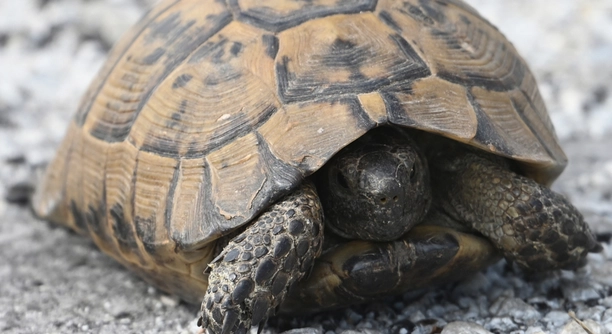
Russian tortoises often display odd behaviors, like attempting to eat rocks. This can be puzzling for owners, leading to concerns about whether it’s a sign of an underlying health issue or simply a quirky habit.
The behavior of eating rocks is typically linked to a condition called “pica,” where animals consume non-food items. This can result from nutritional deficiencies, stress, or boredom. Ensuring your tortoise has a well-balanced diet and proper environment can help address this behavior.
This article will explore why your tortoise may engage in rock-eating and provide practical solutions to resolve the issue.
Why Do Russian Tortoises Eat Rocks?
Russian tortoises may attempt to eat rocks for several reasons, but the most common cause is a lack of essential nutrients in their diet. If your tortoise isn’t getting the proper balance of vitamins and minerals, it may start to seek out alternative sources of nutrition, which could include rocks. It is also important to consider the tortoise’s environment; if it’s too barren or lacks stimulation, the behavior might stem from boredom or stress. Some tortoises may even engage in this activity due to natural instinct, where they try to dig or chew on objects they come across.
Ensuring your tortoise is eating a nutrient-rich diet and living in a comfortable, stimulating environment can significantly reduce this behavior. A well-balanced diet, along with proper substrate for digging, may prevent your tortoise from seeking rocks.
If the behavior continues, it could be an indication of a more serious issue. In this case, consulting with a veterinarian is recommended to rule out underlying health concerns. With the right care, your tortoise will thrive without feeling the need to chew on rocks.
Nutrient Deficiencies and Their Impact
A poor diet is one of the leading factors behind rock-eating behavior. Without the correct vitamins and minerals, a tortoise might turn to rocks to fill the gap. A diet lacking in calcium or fiber can cause your tortoise to seek out sources to satisfy their cravings.
Rocks, while not nutritious, might mimic the mineral content they need. It’s essential to provide your tortoise with a diet rich in leafy greens, high-quality hay, and calcium supplements to prevent such behavior. Additionally, including foods like dandelion greens and collard greens will boost calcium intake.
Proper hydration also plays a role in reducing pica. Offering water regularly is vital, as dehydration can sometimes cause unusual behaviors. When your tortoise has access to the proper nutrition and hydration, the need to eat rocks should lessen significantly. If your tortoise’s rock-eating persists, further investigation into their diet or environment might be necessary.
Stress and Boredom
Stress and boredom can lead to your tortoise eating rocks. If your tortoise feels unsafe or lacks stimulation, it may resort to unusual behaviors like rock-chewing to cope. A dull environment or a lack of hiding spots might make them feel insecure.
Rocks are not a suitable outlet for stress, but tortoises may use them to distract themselves. Adding enrichment like plants, rocks for climbing, or tunnels can help alleviate boredom. Ensuring that your tortoise’s enclosure offers sufficient space to move around and hide is important. This helps create a safer and more comfortable environment for them.
Also, consider the placement of their enclosure. Avoid noisy or busy areas where stress may be higher. A peaceful, quiet location can reduce anxiety. Once you’ve made adjustments, you may notice a reduction in rock-eating behavior, as your tortoise feels more secure and entertained.
Potential Health Issues
If your tortoise continues to eat rocks despite a proper diet and environment, there may be underlying health concerns. Sometimes, gastrointestinal issues or even dental problems can lead them to consume non-food items. If the behavior persists, it could signal a more serious condition.
A visit to the vet is crucial to rule out health problems such as digestive tract issues or oral discomfort. If your tortoise is dealing with these, it may be searching for objects to help soothe its discomfort. In some cases, parasites or infections can contribute to abnormal behaviors, including rock eating.
Taking your tortoise to a vet ensures a proper diagnosis. Once health concerns are addressed, your tortoise should return to its regular behavior patterns. Regular check-ups can prevent future issues and promote long-term health, allowing your tortoise to thrive in its environment.
Proper Habitat Setup
Your tortoise’s habitat plays a crucial role in its behavior. If the enclosure is too small or lacks variety, it may lead to boredom, which increases the likelihood of rock-eating. Providing a spacious, enriched environment is essential.
A good habitat should include hiding spots, climbing areas, and places to dig. These elements provide mental and physical stimulation. Make sure the temperature and humidity are also suitable, as stress from poor conditions may cause undesirable behaviors. Keeping the habitat clean and comfortable ensures your tortoise feels secure and less likely to eat rocks.
Preventing Rock-Eating with Supplements
Adding calcium and fiber-rich supplements to your tortoise’s diet can help prevent rock-eating. Supplements are important to make sure your tortoise gets the nutrients it needs, especially if they’re not getting enough from their regular diet.
Providing a balanced diet with leafy greens, hay, and the right supplements encourages healthy digestion and reduces the desire to eat non-food items. Over time, with consistent supplementation and proper care, your tortoise should stop trying to eat rocks. Regularly monitor their health and adjust their diet as needed to maintain a balanced nutrition plan.
Vet Visits
Routine vet visits are essential to monitor your tortoise’s health. If rock-eating becomes a persistent problem, it’s important to consult a veterinarian. They can perform tests to check for nutritional deficiencies, infections, or other underlying issues. Regular health check-ups ensure your tortoise stays healthy and its behavior is under control.
FAQ
Why does my tortoise eat rocks?
Rocks are often consumed by tortoises due to a lack of essential nutrients, boredom, or stress. When they don’t get enough calcium or fiber from their diet, they may try to eat non-food items like rocks. Additionally, an unstimulating or insecure environment can also cause this behavior.
How can I stop my tortoise from eating rocks?
The first step is to ensure your tortoise has a balanced diet, rich in calcium and fiber. Providing a variety of food options like leafy greens and high-quality hay is essential. You can also add supplements to address any dietary deficiencies. Improving their habitat by adding hiding spots, climbing areas, and digging places will help alleviate boredom. Lastly, monitor their health with regular vet visits to rule out any medical issues.
What should I feed my tortoise to prevent rock-eating?
Feed your tortoise a diet that includes leafy greens like kale, collard greens, and dandelion greens. Provide hay, such as timothy hay, to give them fiber. A calcium supplement, either through food or a powdered supplement, should also be included to meet their nutritional needs. Proper hydration is equally important.
Can stress cause my tortoise to eat rocks?
Yes, stress is one of the common causes of rock-eating in tortoises. When they feel threatened or unsafe, they may engage in unusual behaviors as a coping mechanism. To minimize stress, ensure your tortoise’s habitat is in a quiet, secure location and avoid loud noises or frequent disturbances.
How do I know if my tortoise is bored?
A bored tortoise may exhibit behaviors like eating rocks, excessive digging, or simply being inactive. If they do not have enough space or items to explore, they may look for ways to entertain themselves. Providing a spacious, enriched environment will help reduce boredom.
Can rock-eating harm my tortoise?
Yes, eating rocks can be harmful. It can lead to digestive issues, intestinal blockages, or damage to their teeth and mouth. Over time, consuming non-food items can cause serious health problems. Addressing the behavior early can prevent such complications.
Should I take my tortoise to the vet for rock-eating?
If your tortoise continues to eat rocks despite proper diet and environment changes, it’s a good idea to visit a vet. The behavior could be linked to nutritional deficiencies, gastrointestinal problems, or even oral issues. A vet can help diagnose any underlying health concerns.
How do I set up my tortoise’s habitat to prevent rock-eating?
Create a larger, more stimulating environment. Include hiding spots, climbing structures, and areas where your tortoise can dig. A varied habitat can keep your tortoise entertained and reduce the likelihood of rock-eating. Ensure the temperature and humidity levels are ideal for your tortoise’s species.
Can my tortoise’s diet cause rock-eating?
Yes, a poor diet can lead to rock-eating. If your tortoise is not getting the proper nutrients, like calcium, it may look for alternatives. Ensure they have a balanced diet with plenty of fiber and calcium-rich foods. Regularly changing their diet and offering variety is important for their health.
Is rock-eating a sign of illness in tortoises?
Sometimes, rock-eating can be a sign of an underlying illness, such as gastrointestinal issues or tooth problems. If your tortoise seems to be eating rocks frequently and shows other signs of illness (such as lethargy or weight loss), it’s important to consult a vet.
Can I use a calcium supplement to stop my tortoise from eating rocks?
Yes, a calcium supplement can help reduce the desire for rock-eating, especially if it’s due to a calcium deficiency. You can use a calcium powder to sprinkle on their food or provide a separate calcium block for them to lick. Ensure the dosage is appropriate for your tortoise’s size and species.
Do tortoises eat rocks naturally?
While tortoises do not typically consume rocks as part of their natural diet, they may ingest small stones or gravel to aid in digestion. This behavior is different from actively seeking and eating rocks, which is often a sign of nutritional deficiencies or stress.
What if my tortoise refuses to eat the right food?
If your tortoise refuses to eat the proper foods, it could be due to environmental factors or stress. Try offering different varieties of leafy greens or mixing in a bit of their favorite food to encourage eating. If the refusal persists, consult a vet to check for health issues.
How can I tell if my tortoise is eating rocks because of stress?
Signs of stress in a tortoise include not eating, excessive hiding, pacing, or eating non-food items like rocks. Changes in behavior, like rock-eating, often indicate that the tortoise is feeling stressed or unsafe in its environment.
Is there a risk of my tortoise getting sick from eating rocks?
Yes, eating rocks can cause serious health problems, such as digestive blockages, mouth or tooth damage, and internal injuries. It’s essential to address this behavior before it results in health complications. A proper diet, enriched environment, and regular vet visits can help prevent these issues.
How do I know if my tortoise is getting enough calcium?
A tortoise with a calcium deficiency may show signs like soft or deformed shells, lethargy, and rock-eating. To ensure your tortoise gets enough calcium, provide calcium-rich foods, such as dark leafy greens, and consider a supplement if necessary. A balanced diet should also include other vitamins and minerals.
Final Thoughts
Understanding why your Russian tortoise may be eating rocks is essential for addressing the behavior. Often, it is linked to deficiencies in their diet, particularly calcium or fiber. In some cases, it can be a sign of boredom or stress, especially if their environment lacks sufficient stimulation. The first step in resolving the issue is to ensure your tortoise is eating a well-balanced diet. Fresh leafy greens, high-quality hay, and proper supplementation can go a long way in preventing rock-eating. Regularly check your tortoise’s habitat and make sure it is spacious, secure, and enriched to encourage natural behaviors.
If diet and habitat improvements don’t stop the behavior, consider consulting a veterinarian. Persistent rock-eating might indicate underlying health issues such as digestive problems or tooth damage. A vet can perform tests to identify any medical concerns and help guide you in creating a more effective treatment plan. Always remember that your tortoise’s well-being is a combination of diet, environment, and regular health checks. Prevention is key to keeping them happy and healthy.
Taking steps to address rock-eating early on can prevent long-term damage and ensure your tortoise remains in good health. A balanced diet, a stimulating habitat, and routine vet visits are important elements in preventing harmful behaviors like eating rocks. Over time, your tortoise should adjust to these changes and exhibit healthier, more natural behaviors. It’s important to monitor their behavior and make adjustments as needed. By paying attention to your tortoise’s needs and providing proper care, you can enjoy watching them thrive in their environment.

Hello,
If you enjoy the content that we create, please consider saying a "Thank You!" by leaving a tip.
Every little bit helps us continue crafting quality advice that supports the health, happiness, and well-being of pets around the world, for pets of all shapes, sizes, and species.
We really appreciate the kindness and support that you show us!