
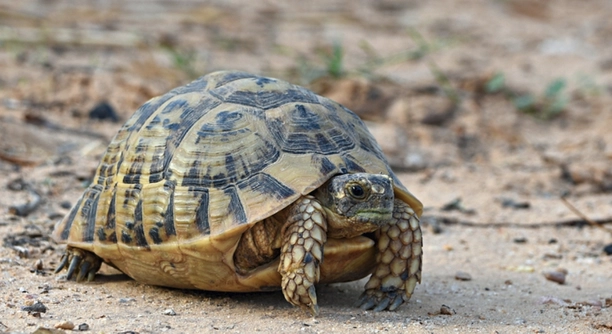
Keeping your Russian tortoise’s habitat odor-free is important for both their health and your comfort. A clean environment helps prevent unpleasant smells and ensures your tortoise remains happy and healthy. Let’s explore some simple ways to achieve this.
Maintaining a fresh, odor-free habitat for your Russian tortoise can be done by regularly cleaning their enclosure, replacing bedding, and managing their diet. Good ventilation and removing waste daily also play significant roles in keeping the habitat smelling clean.
These steps will help ensure your tortoise enjoys a fresh, clean living space.
Proper Bedding for a Fresh Environment
Choosing the right bedding material for your Russian tortoise’s habitat is essential for minimizing odors. Natural bedding options like coconut coir, aspen shavings, or paper-based products absorb moisture well and are easy to clean. Avoid using pine or cedar, as their oils can irritate your tortoise’s respiratory system. A clean, dry substrate also helps prevent mold and bacteria growth, which can contribute to unwanted smells. Make sure to replace the bedding regularly to maintain a fresh environment. A proper bedding material provides both comfort and cleanliness for your tortoise.
A well-chosen bedding material can make a noticeable difference in odor control. The more absorbent the bedding, the less likely it is for smells to develop.
Along with regular bedding changes, be sure to spot-clean any soiled areas daily. This quick task helps reduce the chance of any lingering odors. A dry and clean environment promotes a healthy tortoise habitat, preventing any smell-related issues from occurring. If necessary, add a small amount of activated charcoal or baking soda under the bedding for extra odor control.
Daily Cleaning Routine
Cleaning your tortoise’s habitat daily is crucial for maintaining an odor-free environment. Start by removing uneaten food, waste, and any other debris from the enclosure. Doing this prevents bacteria buildup and keeps the air fresh. A simple wipe-down of surfaces with a non-toxic cleaner also helps reduce smells.
Make sure to clean water dishes and food bowls every day as well. These areas can harbor bacteria if not cleaned regularly, leading to unpleasant odors. Check the corners and hides where waste might accumulate. Keeping everything tidy ensures your tortoise’s home stays fresh.
Regular cleaning also helps maintain a healthy environment for your tortoise. Removing waste daily not only keeps the smell down but also reduces the risk of your tortoise getting sick from bacteria. A clean environment supports your pet’s overall well-being, which is essential for long-term health.
Ventilation and Air Circulation
Proper ventilation is key to preventing stagnant air and odor buildup in your tortoise’s habitat. If possible, place the enclosure in a well-ventilated area or use a fan nearby to ensure air circulates. This keeps the air fresh and prevents smells from lingering.
Poor airflow can lead to a buildup of harmful gases like ammonia from waste, which can be harmful to your tortoise’s health. To avoid this, regularly check the enclosure for any signs of poor ventilation, such as a stale or musty smell. If needed, adjust the placement or ventilation system to improve air flow.
Consider adding air vents to the enclosure itself for extra ventilation. Small mesh panels or a few drilled holes can help create air movement, especially in larger habitats. This added airflow will keep the environment breathable, minimizing odors and ensuring a more pleasant living space for your tortoise.
Removing Waste Regularly
Daily waste removal is essential to avoid odors in your tortoise’s habitat. Tortoises tend to defecate in the same spot, making it easier to clean. Removing waste promptly prevents bacteria growth and reduces foul smells, keeping the environment fresh.
Once waste is removed, check the area for any leftover food or debris. Regular cleaning keeps your tortoise’s living space hygienic and odor-free. It’s an easy habit to build that will benefit both you and your pet.
Feeding Habits
The type of food you feed your Russian tortoise can impact how the habitat smells. Vegetables and greens are great choices, but make sure to remove any uneaten food quickly. Leftover food can rot, causing odors to develop. Only offer portions your tortoise can consume in one sitting.
Another key aspect is monitoring the water your tortoise drinks. Dirty water bowls can lead to bacterial growth, contributing to smells. Wash and refill water bowls daily to ensure they remain clean. Proper feeding habits prevent waste buildup and promote a healthier living space.
Temperature and Humidity
Maintaining proper temperature and humidity is important for both the health of your tortoise and odor control. If the habitat is too humid, it can cause mold and mildew to grow, creating unpleasant smells. Ensure that your tortoise’s habitat remains within the recommended temperature range of 75-85°F, with a slight humidity level.
Using a hygrometer can help you monitor humidity levels. It’s a simple way to prevent excess moisture from building up and leading to unpleasant odors. Correct temperature regulation will also keep your tortoise comfortable and reduce the likelihood of bacterial growth.
FAQ
How often should I clean my Russian tortoise’s habitat?
It’s important to clean your Russian tortoise’s habitat at least once a week, but daily spot cleaning is necessary to remove waste and uneaten food. Daily cleaning prevents odors from building up, while a more thorough weekly cleaning ensures that the entire enclosure stays fresh and sanitary.
What bedding is best for my Russian tortoise’s habitat?
Coconut coir, aspen shavings, or paper-based bedding are the best options for your tortoise’s habitat. These materials absorb moisture effectively and provide a clean, dry environment. Avoid pine or cedar shavings as their oils can be harmful to your tortoise’s respiratory system.
Can I use a filter for the water bowl?
While a filter can help keep the water clean longer, it’s still essential to change the water daily. Filters help remove debris, but bacteria can still grow in stagnant water. A fresh water change ensures your tortoise stays hydrated without contamination.
Why does my tortoise’s habitat still smell after cleaning?
If your tortoise’s habitat still smells, it could be due to lingering moisture or unclean areas. Make sure to dry out the bedding thoroughly and check hard-to-reach spots where waste might accumulate. Also, check the ventilation and ensure that the air is circulating properly.
How can I control the humidity in my tortoise’s habitat?
Using a hygrometer will help you keep track of the humidity levels. Aim for a humidity level of 40-60%. If the environment is too humid, consider increasing ventilation or using a dehumidifier. Proper temperature control also helps prevent excess moisture buildup.
Can I use air fresheners to reduce the odor?
Air fresheners are not a long-term solution for controlling odors in your tortoise’s habitat. While they may mask the smell, they don’t address the root cause. Focus on regular cleaning, proper ventilation, and moisture control to keep odors at bay naturally.
What type of food causes the most odor in my tortoise’s habitat?
Leafy greens and vegetables like lettuce, kale, and dandelion greens are ideal for your tortoise, but any uneaten food will decompose and cause odor. Avoid overfeeding, and always remove uneaten food from the enclosure after a few hours. Stick to fresh, clean portions.
How often should I replace the bedding?
Replace the bedding entirely every 3-4 weeks or as needed. If it becomes overly damp or dirty before that time, it’s best to change it sooner. Regularly spot clean to extend the lifespan of the bedding and reduce the chances of bad odors forming.
Is it necessary to use a special cleaner for my tortoise’s habitat?
Non-toxic cleaners, such as mild dish soap or vinegar diluted with water, are safe and effective for cleaning your tortoise’s habitat. Avoid harsh chemicals, as they can be harmful to your tortoise. Always make sure to rinse thoroughly to remove any residue.
How can I prevent mold in my tortoise’s habitat?
Mold can form in areas with excess moisture, so it’s important to monitor humidity and temperature. Use absorbent bedding materials, clean up wet spots immediately, and ensure proper ventilation to prevent mold growth. If you see mold, clean the area thoroughly and replace the affected bedding.
Can I use activated charcoal or baking soda to control odor?
Yes, both activated charcoal and baking soda can help control odors. Place a small amount underneath the bedding to absorb moisture and reduce smells. Just be sure to replace it regularly to maintain its effectiveness in keeping the habitat fresh.
What’s the best way to clean the water bowl?
Wash your tortoise’s water bowl daily with warm water and mild soap, and rinse it well. This helps remove bacteria and prevents any foul odors from forming. Scrubbing the bowl every few days will help keep it cleaner for longer.
How can I tell if the habitat is too hot or too cold for my tortoise?
Monitor the temperature using a reliable thermometer. The ideal temperature range for your tortoise’s habitat is between 75°F and 85°F, with a basking spot up to 90°F. If the temperature is too high or low, it can affect your tortoise’s health and lead to unpleasant odors.
What are signs of bacterial infection in my tortoise’s habitat?
A strong, foul smell in the habitat is often the first sign of bacterial growth. In addition to odor, look for signs of mold, damp bedding, or sticky spots on the surfaces. Regular cleaning and ventilation can help prevent bacterial problems. If the smell persists, consult with a veterinarian.
Should I use a humidifier in my tortoise’s habitat?
A humidifier can be helpful in maintaining proper humidity levels, especially if you live in a dry climate. However, it’s essential to monitor the levels and avoid making the habitat too humid. Keep humidity between 40-60% for optimal health.
Can I use newspaper as bedding?
Newspaper can be used as bedding, but it’s not the most absorbent option. It’s easy to clean, but it won’t absorb moisture as well as other bedding materials like coconut coir or aspen shavings. If you use newspaper, be sure to clean more frequently to avoid odors.
Is it normal for my tortoise’s habitat to smell after eating?
A slight odor after feeding is normal, especially if any food is left behind. Always remove uneaten food promptly to prevent decay and odors. Additionally, a thorough cleaning of the area after feeding can help keep smells from lingering.
How do I ensure my tortoise’s habitat stays dry?
To keep the habitat dry, use absorbent bedding materials and regularly spot-clean damp areas. Ensure that the humidity is kept in check and that no water leaks or spills in the habitat. A dry environment reduces the risk of bacteria and mold, which can cause unpleasant odors.
Final Thoughts
Maintaining a clean and odor-free habitat for your Russian tortoise requires regular attention and care. By sticking to a consistent cleaning schedule and ensuring proper ventilation, you can keep your tortoise’s living environment fresh. Simple practices, like removing uneaten food and changing the water daily, go a long way in preventing smells. Additionally, using suitable bedding materials and controlling humidity can make a significant difference in odor reduction.
Regular cleaning, however, doesn’t mean you have to go overboard. Daily spot cleaning of waste and uneaten food is the most important step. At least once a week, a more thorough cleaning should be done, which includes changing the bedding and disinfecting surfaces. Keep in mind that excessive moisture or lack of ventilation are often the main causes of persistent odors. Being mindful of these factors can save you time and effort in the long run.
Ultimately, creating the best environment for your Russian tortoise goes beyond just keeping odors at bay. A clean, dry, and well-maintained habitat contributes to your tortoise’s overall health and well-being. Consistency in cleaning and environment control will help ensure your tortoise stays happy, healthy, and odor-free. With the right tools and habits, keeping your tortoise’s habitat clean can become a simple, manageable task.

Hello,
If you enjoy the content that we create, please consider saying a "Thank You!" by leaving a tip.
Every little bit helps us continue crafting quality advice that supports the health, happiness, and well-being of pets around the world, for pets of all shapes, sizes, and species.
We really appreciate the kindness and support that you show us!