
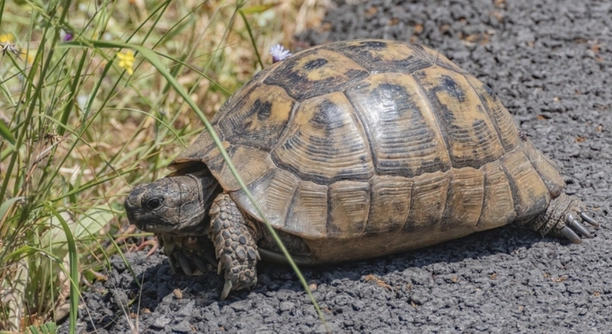
Russian tortoises are fascinating pets, and keeping them healthy is essential for their well-being. One of the key health concerns is shell rot, which can cause serious problems if not caught early. Knowing how to spot it can help prevent damage.
Shell rot in Russian tortoises is caused by bacterial or fungal infections that affect the shell’s surface. Early signs include discoloration, soft spots, and a foul odor. If detected early, proper care can reverse the damage and prevent further complications.
Recognizing the early signs of shell rot can make a big difference in your tortoise’s health. Addressing the issue quickly ensures your pet stays comfortable and avoids long-term damage.
Identifying Early Symptoms of Shell Rot
Shell rot can develop unnoticed in your Russian tortoise, which is why being vigilant is crucial. One of the first signs to watch for is a change in the color of your tortoise’s shell. Normally, the shell should have a consistent, healthy color, but shell rot may cause spots that look lighter or darker. Soft patches on the shell surface are also early warning signs, as the shell should be hard and firm. If you notice any of these changes, it’s important to act quickly to prevent further damage.
If you see discolored or soft spots, it’s a sign of infection. Cleaning the affected areas carefully and reducing humidity levels can help manage the issue temporarily. Keep your tortoise in a dry, clean environment to prevent worsening.
Shell rot can progress rapidly if left unchecked. It can lead to severe tissue damage and, in extreme cases, may require medical intervention. Ensuring your tortoise’s habitat is clean and dry can help prevent these early symptoms from becoming more serious.
Proper Shell Care and Maintenance
One of the easiest ways to prevent shell rot is by maintaining proper shell care. Regular cleaning of the shell and the environment is key. Make sure your tortoise’s habitat is free from excess moisture, which encourages the growth of bacteria and fungi. You should also avoid overly wet bedding that can create a breeding ground for these harmful organisms.
A clean and dry environment is the best way to prevent shell rot. Be sure to regularly check the temperature and humidity levels in your tortoise’s enclosure. If the humidity is too high, consider using a dehumidifier or adjusting the ventilation.
Importance of Proper Diet
A balanced diet is crucial for your tortoise’s overall health and can help prevent shell rot. Ensure your tortoise is eating nutrient-rich foods like leafy greens, grasses, and vegetables. Poor nutrition weakens the immune system, making your tortoise more vulnerable to infections that can cause shell rot. Avoid feeding them sugary or processed foods, as these can contribute to health issues.
Along with proper food, always provide fresh water. Keeping your tortoise hydrated helps maintain shell integrity and supports a healthy immune system. Dehydration, like poor nutrition, makes them more susceptible to infections. You can also add calcium supplements to their diet for better shell health.
Feeding your tortoise in a clean, dry area will help maintain its health. It’s essential to clean their feeding area regularly to avoid any contamination that could lead to bacterial growth. A healthy diet and a clean environment are simple yet effective ways to help protect against shell rot.
Recognizing Advanced Symptoms
As shell rot progresses, the symptoms become more severe. In addition to the discoloration and soft spots, the shell may begin to break apart or become deformed. The area may feel mushy when touched, which is a sign of advanced infection. Foul-smelling discharge can also be present, indicating the infection is deep within the shell.
At this stage, the infection is likely to have spread to the underlying tissue. You may notice your tortoise becoming lethargic or refusing to eat due to the discomfort caused by the infection. Immediate veterinary intervention is crucial to address the problem before it causes irreparable damage. If left untreated, it can lead to bone infections and long-term health issues.
Treatment Options for Shell Rot
If shell rot is detected early, it can often be treated at home. Gently clean the affected area with a mild antiseptic solution to remove any dirt or debris. It’s important to avoid harsh chemicals that may irritate the shell. After cleaning, apply an antibacterial ointment to help prevent further infection.
For more advanced cases, veterinary care is necessary. A vet may prescribe oral antibiotics or topical treatments to combat the infection. In some cases, surgical intervention may be required to remove damaged tissue. Timely medical care can prevent lasting damage to your tortoise’s shell.
Preventing Shell Rot
Preventing shell rot is mainly about maintaining a clean and dry environment. Make sure your tortoise’s habitat is regularly cleaned and dried. Proper humidity levels should be maintained, but never too high. Regular health checks can help catch any potential issues before they become severe.
Feeding your tortoise a well-balanced diet and ensuring they have access to fresh water are essential for strong, healthy shells. Consistently following these steps will go a long way in preventing shell rot and keeping your tortoise healthy.
FAQ
What are the main causes of shell rot in Russian tortoises?
Shell rot is typically caused by bacterial or fungal infections that develop when the shell is exposed to excessive moisture or poor hygiene. Injuries to the shell can also provide an entry point for these harmful organisms. Overly wet environments, improper housing, and poor diet can weaken the tortoise’s shell and make it more prone to infection.
How can I tell if my Russian tortoise has shell rot?
Look for changes in the shell’s appearance, such as discoloration, soft patches, or foul-smelling spots. Early signs include dull, flaky, or soft areas on the shell, which may also feel mushy to the touch. These changes can worsen if untreated, so it’s important to monitor for these signs regularly.
Can shell rot be treated at home?
For mild cases, shell rot can sometimes be treated at home with proper cleaning and antiseptic applications. Gently clean the affected areas with an antiseptic solution and apply an antibacterial ointment. However, if the infection seems severe or worsens, veterinary care is necessary to prevent lasting damage.
How do I properly clean my tortoise’s shell?
Clean your tortoise’s shell by using a soft brush and lukewarm water. Avoid using harsh chemicals that could irritate the shell. After cleaning, dry the shell thoroughly to prevent further moisture buildup. For a more thorough cleaning, you can use a diluted antiseptic solution or a mild soap specifically made for reptiles.
Should I remove my tortoise from its enclosure during treatment?
It’s often recommended to isolate your tortoise in a separate clean, dry environment while treating shell rot. This will prevent exposure to any additional bacteria or fungi that could worsen the infection. Make sure the enclosure is properly ventilated and has the right temperature and humidity levels.
Can shell rot spread to other tortoises?
Yes, shell rot can be contagious if proper hygiene isn’t maintained. If you have multiple tortoises, isolate the infected one to prevent the infection from spreading. Disinfect any shared spaces, equipment, or food dishes regularly to prevent cross-contamination.
What should I do if my tortoise stops eating due to shell rot?
If your tortoise stops eating, it’s a sign that the infection is causing discomfort or pain. Ensure that your tortoise is hydrated and offer easily digestible foods. If the lack of appetite persists, take your tortoise to the vet for treatment. Addressing the infection is important to restore appetite and overall health.
Can shell rot affect the internal health of my tortoise?
Yes, if left untreated, shell rot can lead to deeper infections that affect the underlying bone and tissue. In severe cases, the infection can spread to the internal organs, causing more significant health problems. Early detection and treatment are essential to prevent these complications.
Is it possible to prevent shell rot in Russian tortoises?
Yes, preventing shell rot is possible by maintaining a clean and dry environment, proper humidity levels, and a well-balanced diet. Regularly clean your tortoise’s shell, provide fresh water, and ensure the living space has proper ventilation. Preventing injury to the shell also helps reduce the risk of infection.
What is the recovery time for a tortoise with shell rot?
The recovery time varies depending on the severity of the infection. Mild cases can show improvement within a few weeks, while more severe cases may require several months of treatment. It’s important to follow veterinary instructions and monitor the healing process carefully to ensure full recovery.
How can I improve my tortoise’s immune system to prevent shell rot?
A strong immune system helps your tortoise resist infections. Provide a nutritious, varied diet with plenty of leafy greens, vegetables, and high-calcium foods. Ensure your tortoise gets adequate exposure to UVB light, which is essential for proper calcium absorption. Keeping your tortoise in a clean, dry environment also supports a healthy immune system.
What are the signs that shell rot is worsening?
If shell rot worsens, the affected areas may expand, and the soft patches can become larger. The shell may develop a foul odor, indicating deep infection. Your tortoise may also become lethargic, refuse food, or show signs of pain. If these symptoms occur, seek veterinary treatment immediately.
Can shell rot be fatal?
If left untreated, shell rot can become fatal. The infection can spread to the underlying bones, leading to severe complications like septicemia or bone infections. Timely treatment is essential to prevent irreversible damage and ensure the tortoise’s survival.
What type of bedding is best to prevent shell rot?
Use dry, absorbent bedding such as hay or aspen shavings. Avoid using substrates that retain moisture, like cedar or pine, which can contribute to the growth of bacteria and fungi. It’s important to keep the bedding clean and dry to reduce the risk of shell rot.
What role does humidity play in shell rot development?
Excessive humidity can create the perfect environment for bacteria and fungi to thrive, leading to shell rot. It’s essential to maintain proper humidity levels in your tortoise’s habitat. A humidity level between 40-60% is ideal for Russian tortoises. Too much moisture can weaken their shell and increase the risk of infection.
How do I know if the infection is healed?
Once the infection has healed, the affected area will become firm again, and the color should return to normal. Any soft spots or discolored patches should disappear. Regular checks will help ensure your tortoise’s shell is fully healed and free from infection. If unsure, consult your vet for confirmation.
Can shell rot affect my tortoise’s ability to move?
In severe cases, shell rot can cause pain or discomfort that affects your tortoise’s ability to move. If the infection weakens the shell or causes deformation, it may also make it harder for your tortoise to move normally. Treating shell rot early can help prevent these movement issues.
Final Thoughts
Shell rot in Russian tortoises is a serious condition that requires early detection and proper treatment. While it can be treated successfully with the right care, it’s important not to ignore the early signs. Regularly checking your tortoise’s shell for any discoloration, softness, or foul odor can help you spot potential issues before they become severe. Maintaining a clean, dry habitat, along with providing a balanced diet, plays a key role in preventing shell rot.
Seeking veterinary care is essential when the infection appears to be more than just a surface issue. The veterinarian can determine the severity of the infection and recommend the appropriate course of treatment, whether it’s topical medication, antibiotics, or more advanced care. Left untreated, shell rot can spread to the underlying bones and internal organs, leading to more serious health problems. It is always better to act sooner rather than later.
Finally, while shell rot can be concerning, it’s preventable with good husbandry practices. By creating a proper living environment, you can minimize the risk of shell rot and other health issues for your tortoise. Remember that prevention is always better than cure, and by paying attention to your tortoise’s health, you can help them live a long, healthy life. Regular cleaning, proper lighting, and hydration all contribute to a strong and healthy shell.

Hello,
If you enjoy the content that we create, please consider saying a "Thank You!" by leaving a tip.
Every little bit helps us continue crafting quality advice that supports the health, happiness, and well-being of pets around the world, for pets of all shapes, sizes, and species.
We really appreciate the kindness and support that you show us!